Whitewater Kayak Adventures
Whitewater kayaking is where paddling becomes pure adrenaline... a dynamic dance with moving water that challenges your skills, builds confidence, and creates unforgettable memories. But whitewater demands respect, preparation, and progressive skill development. In this section, you'll learn to read river features, understand what makes rapids navigable, and develop the safety and rescue skills that every whitewater paddler must master. We'll guide you through roll techniques, help you choose appropriate routes for your ability level, and explain the dynamics of paddling with a group. From understanding seasonal water levels to planning canyon expeditions, you'll build the knowledge foundation that transforms nervous excitement into controlled confidence. Whitewater isn't about being fearless... it's about being prepared, skilled, and respectful of the river's power.
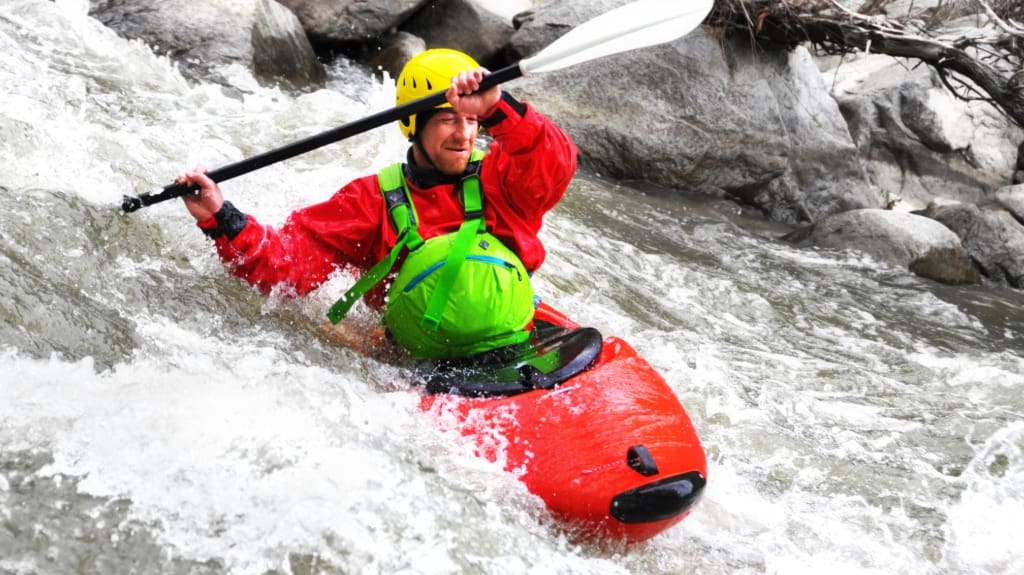
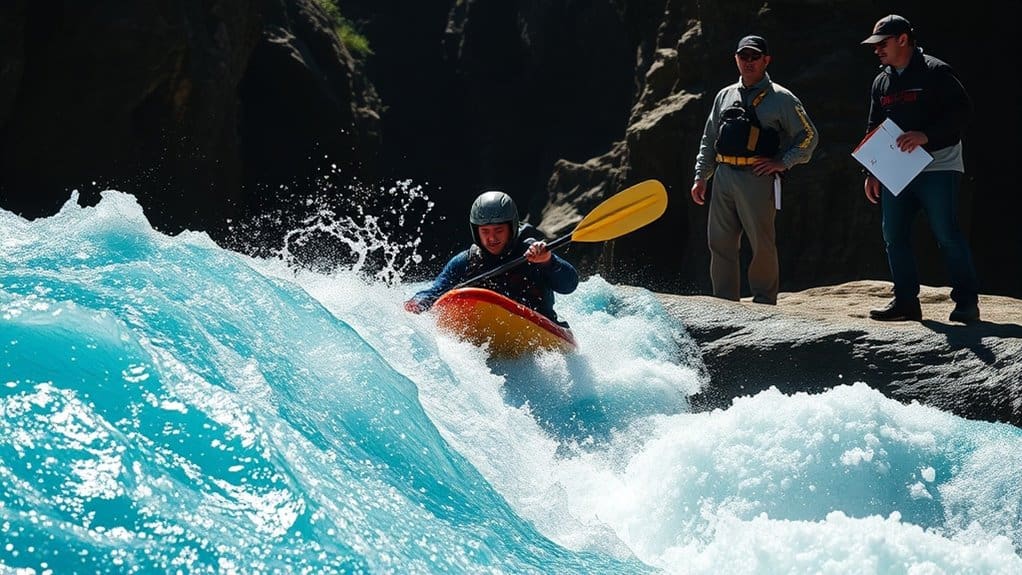
Progressive Skill Development: Advancing Your Whitewater Abilities
Start by getting solid swim skills and lots of Grade 2–3 time, pick a river‑running kayak that fits—shorter hull, more rocker—and test it in easy rapids for handling and comfort, wear a fitted PFD, helmet and spraydeck and carry a throw bag, spare paddle, knife and...
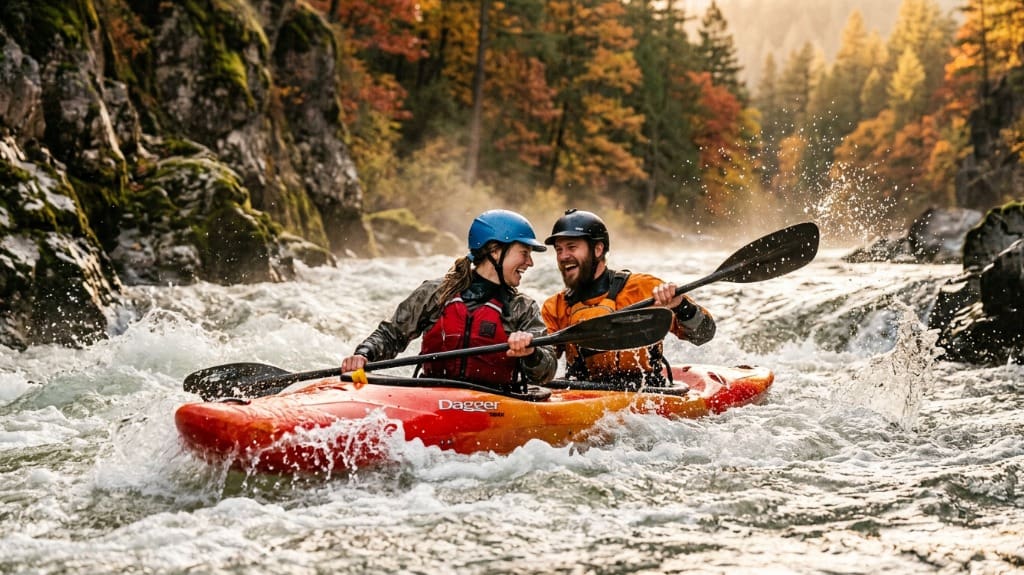
Valentine’s Day Paddle: Romantic Whitewater for Couples
You can book a romantic Valentine’s paddle that balances cozy moments and real Class II–III water, with guided tandems that handle shuttles, gear, and quick technique refreshers so you both can relax and enjoy golden-hour cliffs or moonlit runs, hot-spring soaks, or...
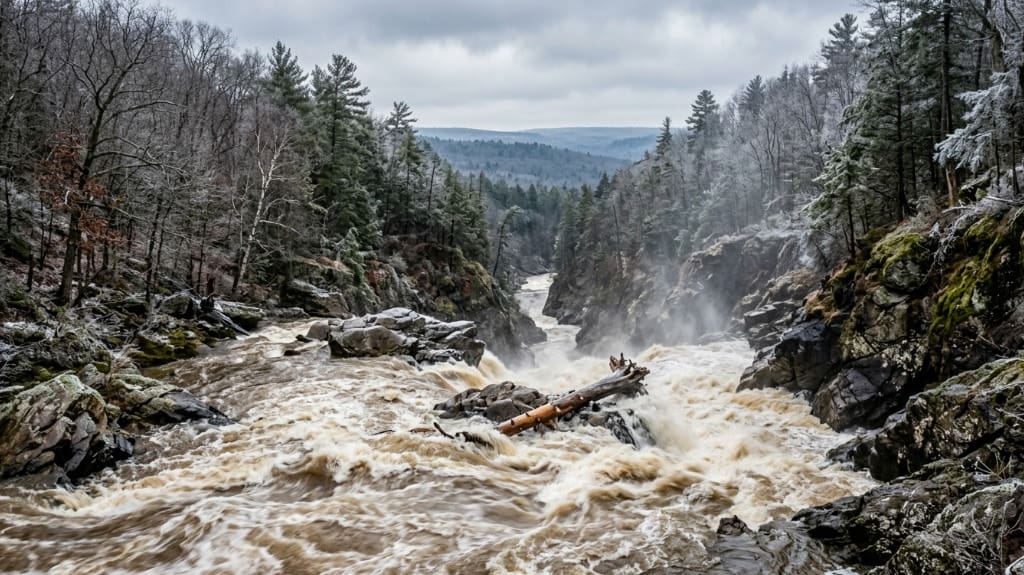
Southeast Whitewater: February Flows in Georgia and Alabama
You’ll want to check Buford/Lake Lanier release forecasts and local USGS gauges first, call an outfitter for recent beta, and pick runs that match your kit and heat—aim for Metro Hooch or Etowah for easy February flows, Cartecay or Broad for mellow Class II, and...
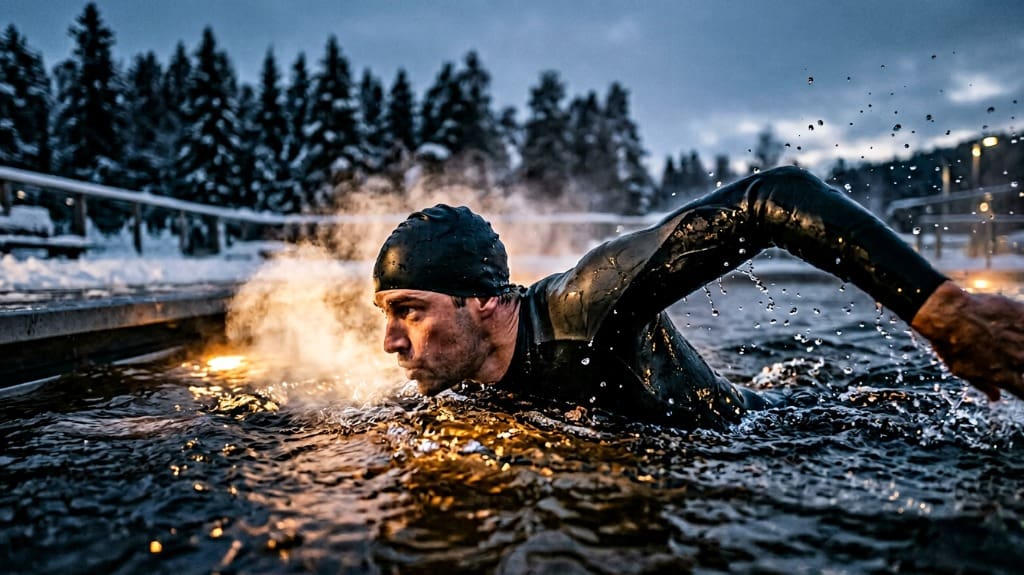
Roll Clinic Season: Finding Winter Pool Sessions Near You
Look for winter roll clinics at community pools, paddling clubs, and outfitters, and pick the format that fits you—open rolling if you’ve got a clean, dry boat and can wet‑exit, a beginner pool‑rolling class to learn wet‑exits and the hip‑snap, or a multiweek Level‑2...
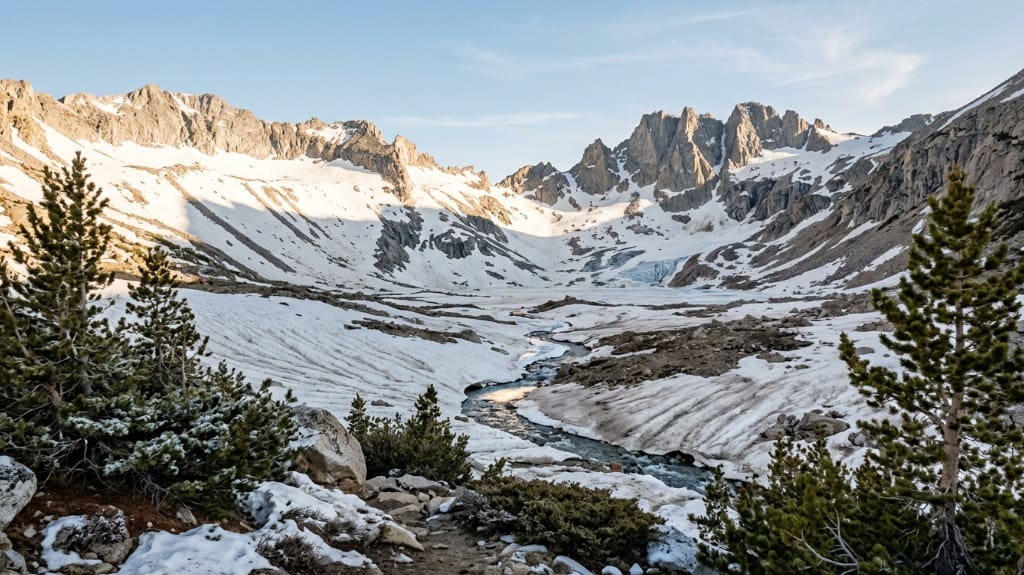
Snowmelt Anticipation: Predicting Spring Runoff This Season
You’ll watch SNOTEL SWE percentiles, fast‑rising stream gages, and local wells to spot early melt pulses and tighter runoff windows, and you’ll compare SWE to the 1991–2020 median to flag snow drought or late melt; if stations are below the 20th percentile or half the...

Winter Whitewater Safety: Cold Weather Group Protocols
You’ll treat every winter run like a planned rescue: check air and water temps, add them and if ≤120°F pick a drysuit or thick wetsuit and rethink the run, mark exits every 10–20 minutes, leave a float plan ashore, and name Lead, Sweep and a Cold‑Immersion Responder...

Reading Water in Winter: How Cold Affects River Features
You’ll spot ice first in calm pools, backwaters, and sheltered margins, so check those edges, probe seams with a staff, and watch for pillows or deflected flow that hide currents; frazil and anchor ice build in fast, rocky riffles and can clog cobble, shifting flow...
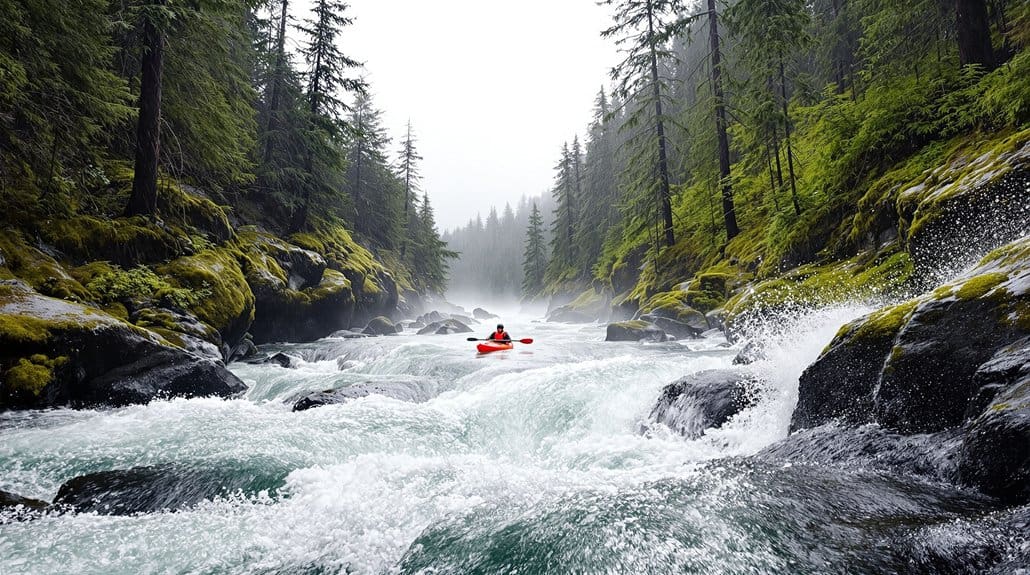
Pacific Northwest Rain Season: Best Winter Whitewater Runs
When the Pacific Northwest’s rain season fires up, you’ll chase punchy creeks like White Salmon’s Husum Falls, the short brutal Wind River stretch, or technical Skykomish reaches, but first check USGS gauges, freezing levels and dam releases, pack a drysuit, helmet,...

Winter Flows: Understanding Seasonal Water Levels in the Southeast
Winter flows in the Southeast depend on how much rain or snow you get, how warm winters are, and whether soils and shallow aquifers recharge; watch rain totals, snowpack or melt timing, and nearby well levels, and check stream gauges after storms. Look for steady...
If you're wondering... We're not doctors, electricians, software engineers, or safety experts (just caffeinated humans doing our best), so always trust your own instincts and consult with professionals when needed. And yes, most all of the links you'll find here are affiliate links, which means we might earn a small commission if you make a purchase – it's just one of the ways we keep the lights on and the coffee brewing so we can keep bringing you helpful content. Thanks for supporting our little corner of the internet!