
You’ll watch SNOTEL SWE percentiles, fast‑rising stream gages, and local wells to spot early melt pulses and tighter runoff windows, and you’ll compare SWE to the 1991–2020 median to flag snow drought or late melt; if stations are below the 20th percentile or half the median, expect less total melt and earlier, concentrated flows, so carry a life jacket, helmet, throw bag, charged phone, and PLB, scout takeouts, and tweak reservoir or irrigation plans now—more specifics follow.
Some Key Takeaways
- Monitor SNOTEL and satellite SWE versus the 1991–2020 median to assess total melt volume and timing shifts.
- Compare current SWE percentiles to thresholds (below 20% or half median signals late‑season snow drought).
- Integrate real‑time stream gages and weather forecasts to detect rapid warm spells that concentrate peak flows.
- Account for basin geology and saprolite/groundwater storage; large subsurface reservoirs delay and sustain runoff.
- Validate model forecasts with well levels, baseflow trends, and tracer or age data to constrain delayed contributions.
How Snowpack and Subsurface Storage Set Spring Runoff Timing
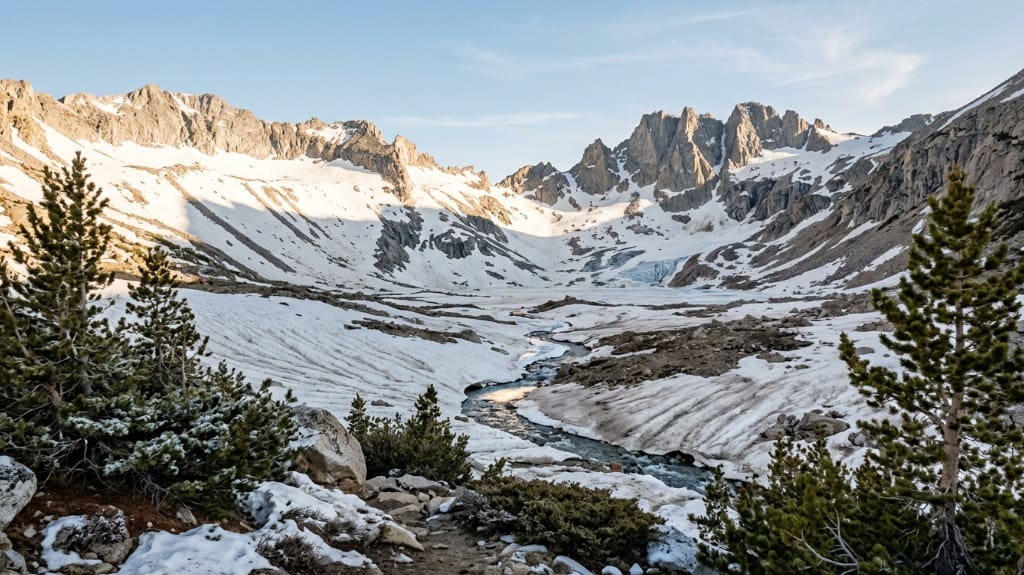
If you want to get a good feel for when spring runoff will peak, start by watching the snowpack numbers and thinking about what’s under the ground, because those two things mostly run the show: check the snow water equivalent (SWE) and its percent of the 1991–2020 median—if your basin’s SWE is down in the 10th percentile, like some Colorado headwaters were at 4.9 inches versus a 9.9‑inch median on May 15, you should expect less total melt and an earlier, tighter flow window; if SWE drops quickly in mid‑April, you’ll often see peak flows shift into May or June and they’ll be concentrated over a shorter period, so plan for a faster, more intense pulse of water. You’ll also watch subsurface storage, because groundwater and saprolite hold years of water, geology controls how fast that stored water reaches streams, and earlier warm spells can boost evaporation, so check basin rock type and recent temperature outlooks, carry flexible plans, and time trips or water uses around the likely pulse. For paddlers and trip planners, consider monitoring river level gauges to time put-ins and avoid hazardous peak flows.
Which Measurements (SWE, Streamflow, Groundwater) Matter Most for Forecasts
Start by watching three things together: the snowpack number (SWE), the live stream gage traces, and what’s happening below your feet in groundwater and soils, because each one tells you a different piece of the runoff story and you’ll want to combine them to make useful decisions. You’ll treat SWE as your main volume clue, since it most directly limits total spring runoff, but you won’t stop there, because stream gages show timing and flood risk as melt concentrates, and groundwater reveals whether that water will sustain flows for years or vanish into storage. Check SNOTEL SWE percentiles, watch rising hydrographs for peaks, and monitor wells or reservoir levels, then adjust plans—water use, recreation, or irrigation—based on those combined signals.
What Recent Observations Say: Rapid Melt and Late‑Season Snow Drought Signals
You’ll want to pay close attention to three quick signals right now—where the snowpack sits in SNOTEL percentiles, how fast stream gages are rising, and whether wells or reservoir levels are dipping—because recent observations are flashing a clear warning: many western basins are showing late‑season snow drought conditions and rapid melt has already erased what snow was left in places. Watch SNOTEL SWE maps, note stations below the 20th percentile or under half the 1991–2020 median, and track big drops like mid‑April events that pushed some sites from the 70th to the 30th or from the 30th to the 10th percentile, because that tells you spring snowmelt is front‑loaded, risks for early floods and fires rise, and reservoir planning should shift to conserve and respond fast.
How Forecasts Translate to River Flows This Spring in Colorado and the Arkansas Basin
We’ve just looked at SNOTEL percentiles and rapid melt signals, so now let’s connect those observations to what they mean for rivers in Colorado and the Arkansas Basin this spring. You’ll see snowmelt and runoff translate to higher river stages first in south‑central Colorado, where the San Luis Valley’s early wave already raised levels, then across the Arkansas River basin as main‑stem peaks move into late May or June, so keep watching streamflow data from gauges. If temperatures spike, flows can jump fast, banks get unstable, and reservoirs may miss late‑season inflows, so act early: monitor National Weather Service Pueblo updates, avoid flooded roads, carry a life jacket if you’re near rivers, and plan water use with flexible timing. Also consider carrying waterproof river maps when monitoring conditions and planning trips near rising rivers.
When High Flows Create Whitewater Opportunities : and When They Become Hazardous
When spring runoff ups river levels, you’ll find thrilling Class III–IV whitewater in tight, rocky reaches, but you also need to recognize when swift currents, hydraulics, and negative eddies turn a fun run into a hazard, so check local NWS forecasts and river gauges before you go. Scout unfamiliar stretches first, wear a Coast Guard–approved life jacket and helmet, carry rescue gear and a throw bag, and time trips for cooler mornings when surges are less likely, ready to cancel if flows spike. Never drive through standing runoff or approach eroding banks, and if a current looks strong enough to knock you off your feet or pull a craft into a hole, treat it as unsafe and find a safer put-in or go home. Make sure your kit includes essential safety gear like a throw bag and helmet to reduce risk while paddling Coast Guard–approved life jacket.
Thrilling Whitewater Conditions
Spring runoff can turn a mellow stretch into class‑III or worse in a matter of hours, so pay attention to rising flows, recent weather, and any early melt pulses upstream before you even load the boat. When snowmelt swells rivers, you’ll find thrilling whitewater runs that push your skills, but you’ll also face hidden logs, powerful boils, and cold, fast water that steals energy fast, so wear a coast‑guard‑rated life jacket, helmet, and a river‑safe craft, and scout unfamiliar sections first. Check river gauges and NWS alerts, avoid crossings in vehicles, and steer clear of peak runoff or posted hazards; if you feel unsure, wait for lower flows, practice rescue skills, and paddle with trusted partners. Also make sure you have essential gear like a properly fitted spray skirt and paddle leash to improve safety and control in whitewater kayaks.
Recognizing Dangerous Currents
If runoff is ramping up where you plan to paddle or cross, slow down, look closely, and read the water before you step in or drive through it; fast, high flows can hide powerful hydraulics—boils, undercuts, and strainers—that will grab gear or people even in spots that look shallow, and stream banks can break away without warning. You want freedom on Spring runs, but you also need respect for what the water can do, so watch for broken, choppy surfaces, strong seams where currents meet, submerged trees that snag, and banks that look soft or crumbling, and don’t test them. Carry a snug life jacket, scout from shore, plan an exit, check gauges and forecasts, and when in doubt, wait—no run is worth getting pinned. Always wear a properly fitted personal flotation device and follow basic water safety practices when paddling.
Safe Practices Near Rivers
You’ll often see rivers that look inviting but are running faster and higher than they were yesterday, so slow down, move back from soft or undercut banks, and give the water plenty of respect before you step in or push off. You want freedom on the water, but spring runoff brings rapidly flowing water and changing water availability, so check gauges, forecasts, and local NWS updates before you go, and don’t guess. Stay meters back from soggy banks, don a U.S. Coast Guard–approved PFD if you’re near or on the river, avoid inflatable toys, and never drive through standing water—turn around, don’t drown. If you’re paddling, only go in with experience, solid gear, and a partner, and carry a throw bag and whistle. Consider carrying a personal locator beacon or PLB for added safety in case you get into trouble while paddling, especially during high flows and limited access situations, and learn how to register and use it properly with manufacturer guidelines.
Integrating Groundwater and Saprolite Reservoirs Into Runoff Predictions
Now that you’ve seen how snowpack alone can mislead, start by looking for signs of stored water: check baseflow tritium where available, track groundwater levels if you can, and compare long-term saprolite moisture or well records to this year’s SWE so you don’t over- or under-count delayed contributions. Remember that saprolite and porous bedrock act like big, slow tanks that can hold water for 3–15 years or more in some catchments, so give primacy to geology—high-permeability sediments usually mean older, steadier runoff while hard rock yields faster, fresher pulses. To make forecasts you can actually use, combine SNOTEL or satellite SWE with those groundwater indicators, tweak model storage terms upward where tritium and baseflow hint at large reservoirs, and validate with midwinter versus spring samples to catch the lag.
Groundwater Storage Contributions
Thinking about groundwater storage means looking beyond the snow on the ground to the years of water quietly moving and sitting underground, and you’ll want to start by treating saprolite and bedrock like big, slow tanks that matter more than the thin soil layer most models assume. You should watch the fraction of snowmelt that actually recharges deep groundwater storage, since tritium dating shows spring runoff often comes from water older than five years, sometimes three to fifteen, so fast melts don’t guarantee flows. Check wells, tritium samples, and baseflow trends first, compare them with SNOTEL readings, and if storage is low, plan rationing or storage inference, because sedimentary terrains often hold much more cycling water than hard rock, which changes what you can expect.
Saprolite Delay Effects
Because saprolite and deep bedrock act like big, slow tanks, you should start by treating those layers as active parts of the watershed when you make spring runoff guesses, not just as passive dirt under the snow—look for thick, weathered saprolite or high‑permeability sedimentary rock on maps and in bore logs, check nearby well levels and tritium ages to see if most of your springflow is coming from water that’s three to fifteen years old, and expect delays where those reservoirs are large so a fast melt won’t suddenly fill the stream. You should then add saprolite porosity and transmissivity to your model, use tracer ages to constrain long transit times, and monitor subsurface storage alongside SNOTEL data, because annual runoff depends on that hidden bank, and sometimes your best next step is walking a borehole log, talking to a local well owner, and updating model storage before declaring a forecast.
Practical Actions for Paddlers, Anglers, and Water Managers This Season
Get ready to change your plans on short notice this spring, because snowmelt-driven flows can spike fast in south-central and southeast Colorado — the San Luis Valley’s already seen a first wave and the Arkansas often peaks in late May into June — so if you’re heading to rivers or reservoirs check real-time streamflow and forecasts (call NWS Pueblo at (719) 948-9429, tune NOAA Weather Radio, or follow NWS social media), wear a life jacket, steer clear of undercut or eroding banks, and don’t drive into any standing or flowing floodwater since half of U.S. drownings happen in vehicles; if you’re managing water, plan for earlier, sharper inflows and reduced late-season storage by coordinating release timing and irrigation schedules now, and make a simple safety kit and emergency contact plan using NWS/FEMA/Red Cross brochures so you’ve got a clear first step if conditions suddenly worsen. Changes in precipitation this Water Year mean monitor flow gauges, pack a VHF or charged phone, extra layers, and flotation, scout takeout points early, postpone trips when forecasts rise, and sync with neighbors or managers so you keep freedom without risking a rescue. Consider keeping current charts and gear on hand to navigate changing flows and stay safe.
Some Questions Answered
What Does Snowmelt Runoff Mean?
Snowmelt runoff’s the water you get when mountain snowpack melts and flows into streams and reservoirs, carrying meltwater, alpine vegetation leachates, and snowpack chemistry into rivers, so you watch stream gauges, sample for salts or nutrients, and plan storage or releases accordingly; carry a field kit for basic water tests, waterproof maps, and extra layers, and first check SWE reports and forecast temps, because timing and volume shift fast—want to act now?
Why Is the West Getting No Snow?
Because warmer air’s turned much precipitation to rain, you’re seeing far less snow, and atmospheric rivers are hitting different places, dumping rain instead of building high-elevation snowpack, which cuts spring runoff and stresses water supplies. Check local SWE and SNOTEL reports, pack waterproof layers and maps, carry extra water, and plan flexible trips because fire history and dry soils speed runoff or fires; update alerts, stash a pump or filter, and adjust plans early.
Is Snowfall Increasing or Decreasing?
Decreasing overall: you’re seeing less late‑season snow accumulation, as precipitation trends show more rain, earlier melts, and big mid‑April losses, so late SWE drops fast. Watch local SNOTEL/HUC6 plots, carry layers and water maps, and plan flexible travel, because early meltouts can strand you; check short‑term forecasts, pack waterproof gear and extra water, and adjust timing for outdoor work or irrigation, shifting schedules if stations show rapid SWE decline.
Where Does the Snow Melt Go From the Sierra Nevada Mountains?
Mostly it soaks in, you know—snowmelt fuels groundwater recharge as it seeps through soil, saprolite, and fractured rock, then slowly feeds streams and reservoirs, sustaining downstream ecosystems long after surface melt ends; some runs fast over shallow bedrock or through glaciated channels, so you’ll watch nearby creek level spikes, test wells, and track reservoir inflows first, carry gear for changing flows, and plan water use with staggered releases in mind.