Kayak Care & Maintenance
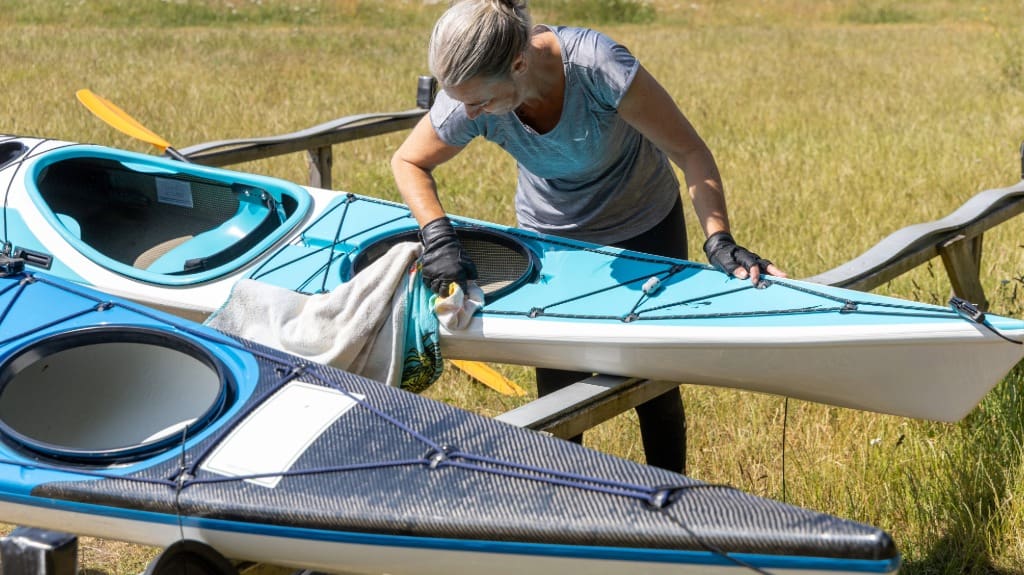
Your kayak is an investment in countless future adventures... and proper care ensures it'll be ready whenever wanderlust strikes. Maintenance might not be the most exciting aspect of kayaking, but it's what separates paddlers who enjoy decades with their boats from those who face premature replacements and frustrating failures. This section teaches you practical, straightforward care routines that protect your investment without consuming your weekends. You'll learn cleaning and storage practices that prevent damage, UV protection strategies that preserve hull integrity, and maintenance techniques for hatches, seals, and hardware. We'll show you which repairs you can confidently tackle yourself, help you troubleshoot common issues before they become serious problems, and guide you in deciding when professional help is worth the investment. A little preventive care goes remarkably far... let's keep your kayak adventure-ready for years to come.
When to Repair vs. Replace: Making Smart Gear Decisions
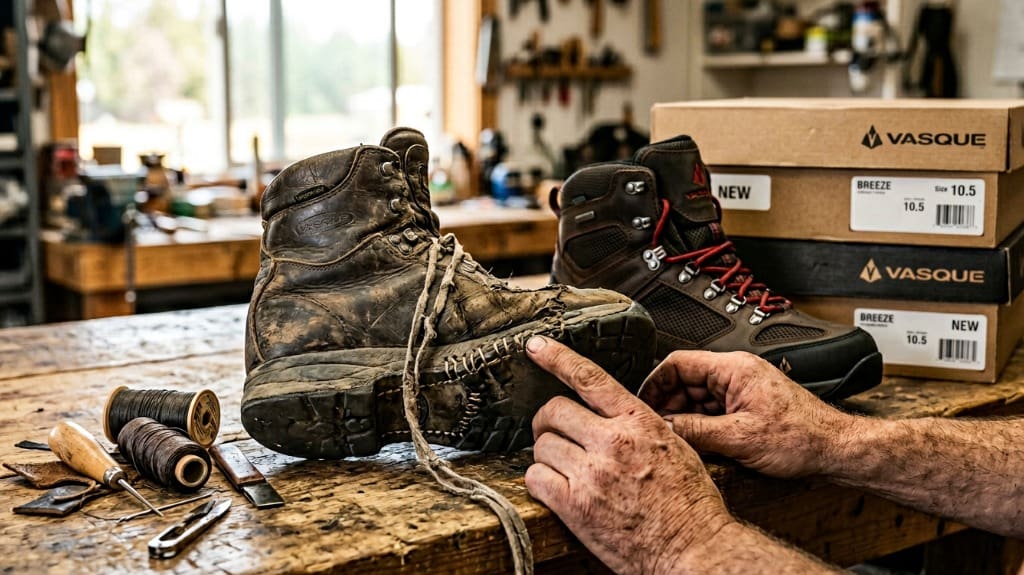
You should repair only when a one‑off fix—parts, labor, and downtime—stays well under half the cost of a new unit, otherwise plan replacement, especially if you’ve had repeated breakdowns, falling MTBF, obsolete parts, rising energy use, or safety/compliance risk;...
Cockpit Outfitting: Customizing Comfort During the Off-Season
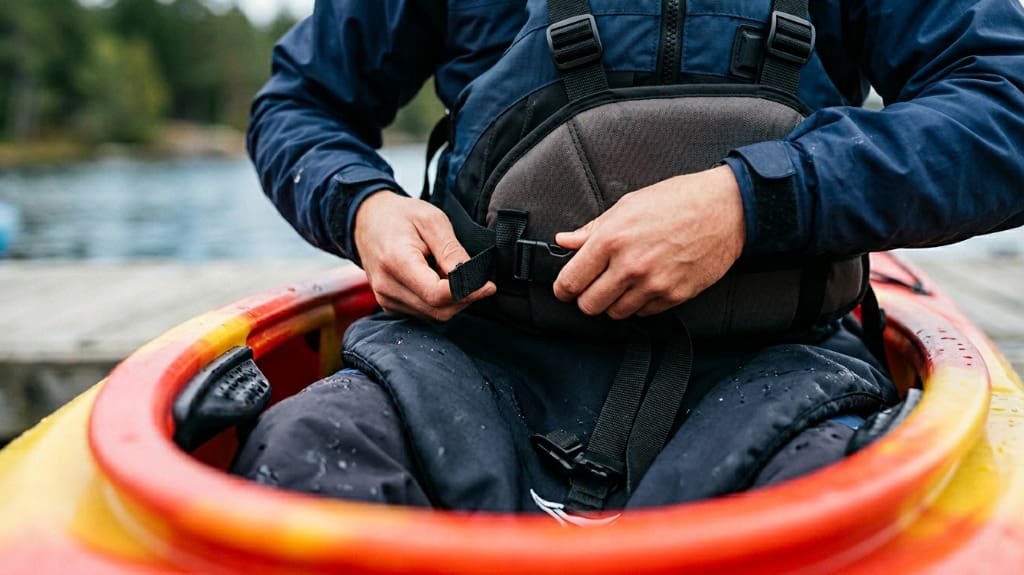
You can use the off-season to make your cockpit snug and confident: raise the seat with thin minicell shims for height and warmth, carve hip pads so your hips lock to the pillar for clean edging and rolls, shape thigh braces or masik wraps to hook the rim, and tweak...

Footpeg and Rudder Maintenance: Winter Tune-Up Tasks
Start by feeling footpegs and rudder mounts for side‑to‑side play, inspect pivot pins, cotter pins and serrated teeth for rust, rounding, or chunking, then rinse salt out of crevices with fresh water and a soft brush, dry quickly, and blast hinge bores with compressed...

Hatch Seal Inspection: Preventing Leaks Before Spring
You should check every hatch after a full day-long soak, not after a quick squall, because freeze-thaw and UV can flatten gaskets, shrink caulk, and hide slow leaks that show up on first cruises; bring a flashlight, painter’s tape, hose with 12 mm nozzle, calipers,...

UV Damage Prevention: Protecting Your Kayak Year-Round
Even in winter the sun and cold quietly eat at your kayak, so check for chalky, faded gelcoat, hairline crazing, and brittle seals, wipe the hull with mild soap and dry it, then spray a 303-type protectant on plastics and apply a wipe-on wax or gelcoat restorer for...

DIY Kayak Repairs: Winter Projects to Tackle Before Spring
You can use winter to catch small problems before spring: walk the hull in good light for hairline cracks, soft spots, and loose fittings, rinse and fully dry the boat, then degrease and scuff around damage for patching; pack a waterproof emergency kit with duct tape,...

Garage Storage Solutions: Maximizing Space This Winter
Start by clearing everything out so you can sort fast—keep seasonal items you use yearly, donate gently used gear, and toss broken tools or expired chemicals; seal small parts in labeled bins and measure the clear floor after leaving three feet for doors and walkways....

Mid-Winter Kayak Check: Inspecting Your Gear During Storage
Grab gloves, flashlight, mild soap, a sponge, and a small repair kit, then work in daylight on even ground; walk the hull looking for hairline cracks, pressure dents or soft spots, run fingers over fittings and fasteners for looseness or corrosion, and cycle rudders...
If you're wondering... We're not doctors, electricians, software engineers, or safety experts (just caffeinated humans doing our best), so always trust your own instincts and consult with professionals when needed. And yes, most all of the links you'll find here are affiliate links, which means we might earn a small commission if you make a purchase – it's just one of the ways we keep the lights on and the coffee brewing so we can keep bringing you helpful content. Thanks for supporting our little corner of the internet!