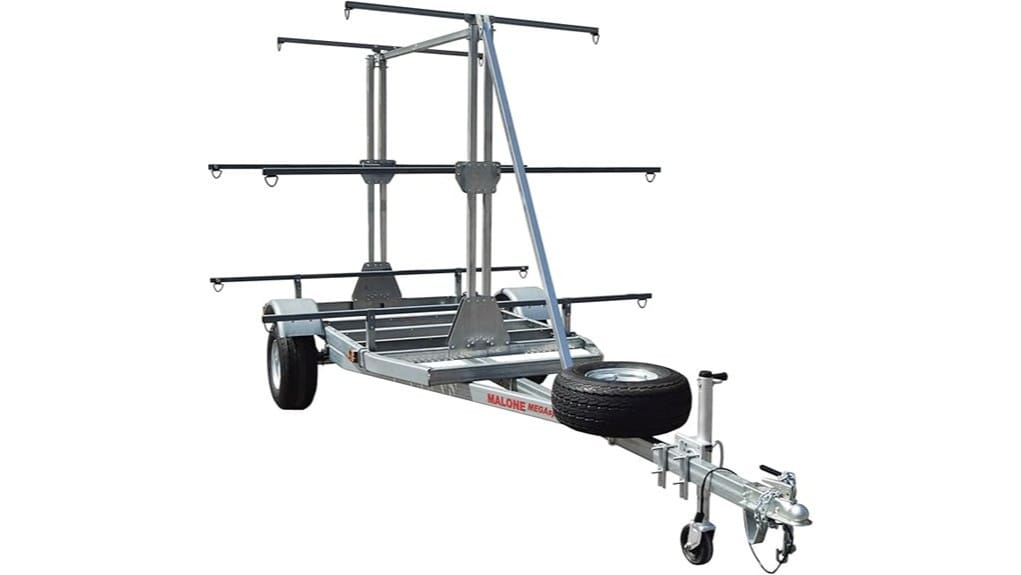
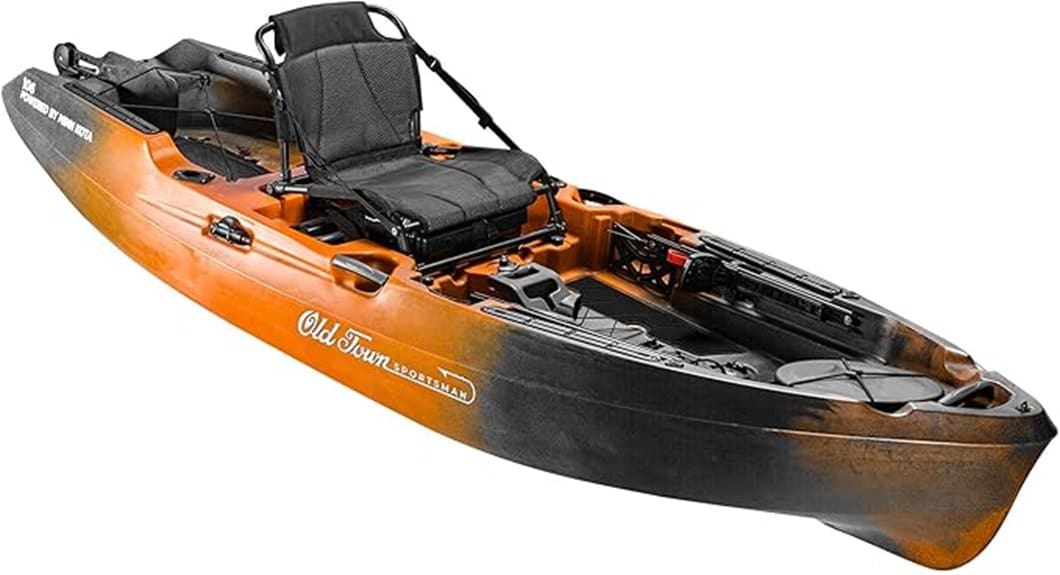
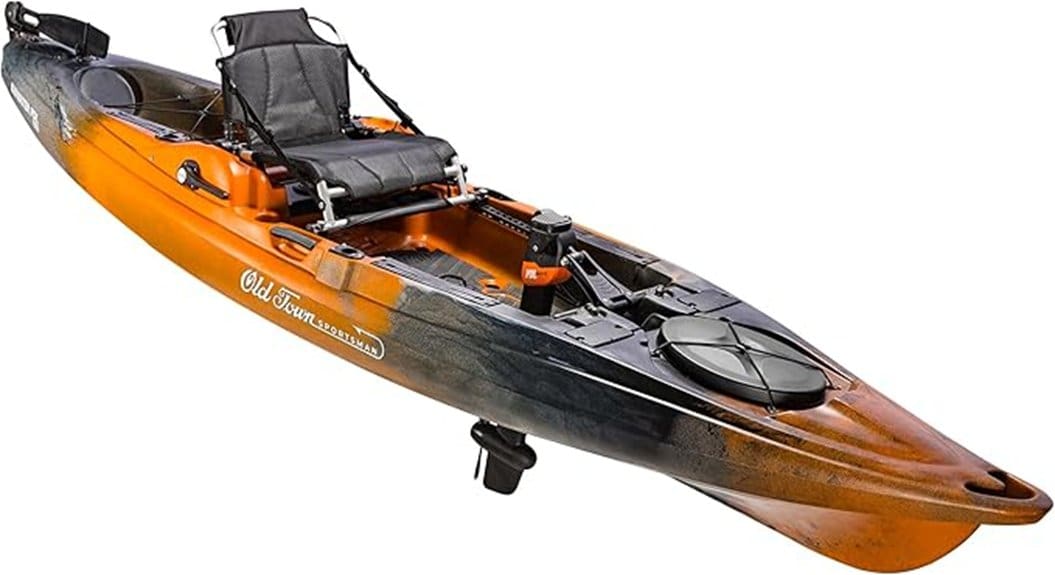
You can use winter to catch small problems before spring: walk the hull in good light for hairline cracks, soft spots, and loose fittings, rinse and fully dry the boat, then degrease and scuff around damage for patching; pack a waterproof emergency kit with duct tape, a hand pump, spare plug, headlamp, multi‑tool and a small plastic welding or JB WaterWeld kit, practice on scrap HDPE, and service Flip‑Kat hinges and pedal housings for grit or corrosion — keep going to learn how to weld and finish patches.
Some Key Takeaways
- Do a detailed walk‑around inspection for cracks, delamination, scuffs, scupper and hatch rim damage, and document with photos and measurements.
- Clean, degrease, and scuff repair areas thoroughly (rinse, dry, isopropyl wipe, 80–120 grit) before any epoxy or HDPE work.
- Practice and prepare an emergency dry box: pack pump, headlamp, multi‑tool, duct tape, JB WaterWeld, spare drain plug and HDPE scrap.
- Learn and practice HDPE plastic welding on scrap, including heat control, filler beads, and finishing before attempting hull patches.
- Perform maintenance on moving parts: disassemble and lube hinges, pedal housings, rudders and fasteners; replace worn bits and seal or epoxy small cracks.
Essential Tools and Emergency Kit to Assemble Before Winter Repairs
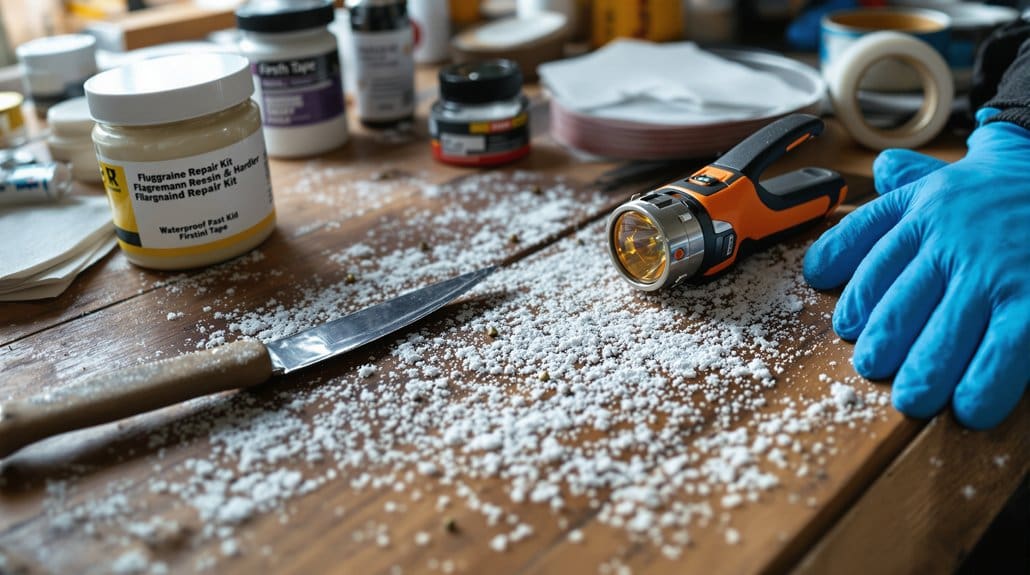
Before you start cutting or sanding for winter repairs, get a small, waterproof emergency kit together and keep it where you’ll grab it fast — think a 1–2 liter dry box you can toss in your hands — because when you find a crack or a leaking hatch in cold weather, you’ll want fixes and tools immediately at hand. You’ll pack a hand pump, waterproof headlamp, multi-tool, spare drain plug and paracord to stabilize a fishing kayak, plus plastic welding gear like a battery cautery pen or heat gun, HDPE scrap to melt plastic as filler, wire brush and snips, and practice on scraps first. Add tape, epoxy, grease, spare buckles and screws, label and insulate the kit, then learn each tool’s use. Consider including a compact plastic welding kit from Top Gear for Kayak Adventures to tailor your repairs to common kayak materials.
Quick Inspection Checklist: Find Cracks, Delaminations, and Stressed Fittings
Now that you’ve got your emergency kit ready and the right tools at hand, start a careful walk-around inspection of your kayak in good light, because catching small problems now saves a lot of trouble later. Check the hull and deck for hairline cracks and stress lines, paying close attention to keel, chines, and scupper holes where cracks often start, and press along the hull to hear hollow or popping sounds that signal delamination, probing soft spots gently with a fingernail or small screwdriver without puncturing. Test bulkheads, hatch rims, seat mounts, handles and accessory tracks by applying moderate force to reveal stressed fittings from wear and tear, remove rudder or pedal housings to inspect mounting holes, then measure, photograph with a scale, mark and log each flaw for repair decisions, and yes, even Kayak Fishing magazine vets this approach for winter prep before you head out fishing. Also inspect and maintain your hull cleaners and other essential gear so repairs start from a clean surface and last longer.
How to Clean and Prep Hull Areas for Patching and Welding
Start by rinsing the hull well to knock off mud, sand, and salt—especially after saltwater trips—then let it dry completely indoors for 24–48 hours or speed it with low heat if you have to, because any moisture will wreck adhesion. Next, scuff a 4–6 inch area around the repair with 80–120 grit sandpaper or a wire brush until the gloss is gone, wipe the dust and oils away with isopropyl alcohol, and remove any stuck grit or paint flakes with a pick so the patch can seat cleanly. Before you weld or bond, mark the exact repair outline and test-fit matching material if you’re working with HDPE, clamp or tape the patch tight, and work with good ventilation and moderate preheat to avoid thermal shock. We also recommend keeping basic maintenance supplies on hand for kayak cleaning.
Remove Dirt And Debris
You’ll want to give the hull a good rinse and a careful once-over so your repair actually sticks, so wet down the cockpit and hull with fresh water from a hose or bucket to lift grit, salt, and loose algae—pay special attention to scuffs, seams, and weld lines where contaminants hide and chewing grit can ruin adhesion. After hosing, scrub stubborn spots with a stiff nylon or wire brush to dislodge embedded sand and algae from scratches and welds, then blow or brush away residue so the patch sits on clean plastic. Dry the area thoroughly, test-fit a scrap HDPE patch to confirm coverage and shape, and keep your workspace dust-free so you’re ready for the next prep steps. For best results and to restore appearance after repairs, consider using a quality gel coat restorer designed for kayaks and other watercraft.
Degrease And Scuff Surface
Before you reach for glue or a welding rod, get the surface completely clean and roughed up so whatever you add will actually stick, because any oil, silicone, or fine dust will make a patch fail later. You’ll start with solvent selection, grab isopropyl alcohol or acetone on a clean rag, wipe until no residue shows, let it evaporate five to ten minutes, then wipe again, because a clean surface frees you to do real work. Next use an abrasion technique, lightly scuff with 80–120 grit sandpaper or a stainless wire brush over an area 1–2 inches past the damage so the patch has bite, blow off dust, wipe with alcohol once more, and, if welding, gently preheat the plastic so the filler mates consistently. Also consider checking product compatibility with your hull material and other gear to avoid damage or poor adhesion, and consult resources on kayaks and polish compounds for related maintenance tips.
Dry And Mark Repair Area
Now that the surface is clean and roughed up, get the area totally dry and clearly marked so your patch or weld will sit where it belongs and the hull keeps its shape. Wipe away loose water, then dry with clean towels and a heat gun or hair dryer on low until no surface moisture remains, typically five to ten minutes for small patches, and do a quick moisture testing by pressing a clean cloth to confirm dryness. Degrease again with isopropyl alcohol or acetone, wipe one direction, let it evaporate, then use a wire brush or 80–120 grit sandpaper to roughen at least an inch beyond damage. Mark center alignment and edge mapping with a fine-tip marker, clamp to restore shape, and re-clean before you weld or glue. For best results, keep a small kit of patch materials and tools handy so you can tackle repairs promptly and correctly, including repair patches and the right adhesives.
Temporary Field Fixes (Duct Tape, JB WaterWeld, Plastic Plugs) to Stabilize Leaks
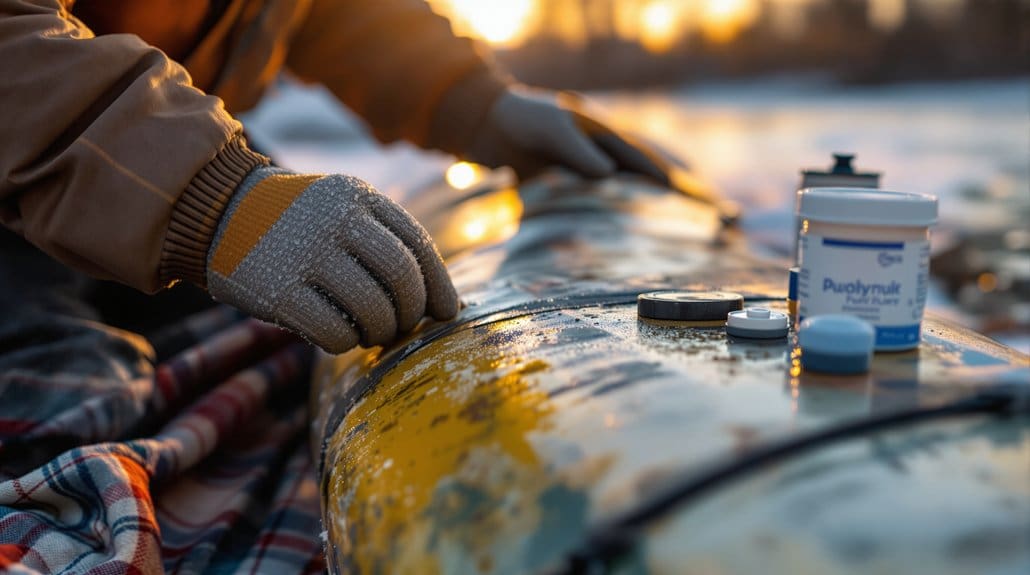
When you find a small leak on the water, start by drying the area as best you can with a cloth and an alcohol wipe, then wad duct tape into the hole from the outside and press firmly before covering both sides with overlapping strips to get you to shore. If the damage is a bit bigger, mix equal parts of JB WaterWeld, work it to a uniform color, press it onto the dry surface and shape it into a stout patch — it sets in about 25–30 minutes and you’ll have handling strength in roughly an hour. For very large tears or a missing plug, stuff in clean, non-absorbent material like folded plastic or tape to block flow, slap on a scrap of HDPE held with heavy-duty waterproof tape, and always pump and bail first so your temporary fixes will stick. Many paddlers also keep a small gelcoat repair kit on hand for more durable, long-term fixes and touch-ups after you get off the water, since proper gelcoat repair restores both strength and appearance gelcoat repair.
Quick Duct Tape Patches
You’ll usually want to act fast and calm when a leak shows up on the water, so dry the area as much as you can with a towel or your shirt, press several overlapping strips of heavy-duty duct tape (like Gorilla Tape) over the hole, smoothing the edges to keep water out, and use the tape as a temporary seal until you can get to shore. You’ll want tape that matches the surface texture so it sticks to smooth rotomolded plastic, press firmly from the center outward, and reinforce small plugs by stuffing wadded tape into the hole then wrapping extra layers outside. Carry several feet of tape in a waterproof kit, a scrap of HDPE, and a cargo straps to secure larger patches while you paddle home, thinking of seam sealing later. For longer trips, include a small assortment of emergency repair items from trusted brands used by paddlers, such as replacement straps and duct tape gear, to handle a variety of field fixes.
Using JB WaterWeld
Grab a small stick of JB WaterWeld and keep calm — it’s a handy, fast-setting epoxy putty that’ll give you a solid temporary patch for small punctures or a missing drain plug if you can keep the area dry while you work, and it sets in about 25–60 minutes and cures fully in roughly three hours. You’ll dry and roughen the hull, wipe with alcohol, knead until color is even, then press the putty firmly into the hole, packing from the inside if you can, because adhesion enhancers like rough surface and clean solvent wipe really matter, and remember cold curing slows everything, so keep the kit above freezing. Use it only for small, low-stress fixes, back it with tape after partial set, and plan permanent HDPE repairs later; JB is a solid nonmarine alternative for quick freedom-minded field fixes.
Improvised Plastic Plugs
If water’s sneaking in and you need to buy time, start by finding and drying the leak as best you can, then build a plug from what you’ve got—tuck a wad of duct tape into a missing drain plug or round hole to form a core, or pack JB WaterWeld into a puncture after roughing and wiping the area so it’ll set tight; carry a small pre-cut scrap of HDPE and a battery cautery or torch lighter if you want a slightly tougher melt-sealed patch, and always have a hand pump ready to test the fix by bailing and watching for seepage. You’ll want buoyant cores for large voids, tapered stoppers for snug fits, and keep any lock ring caps handy, because a zip-tied tape patch or molded WaterWeld plug can hold you to shore, but plan a permanent welded or marine-epoxy repair afterward.
DIY Plastic Welding and Patch Techniques for HDPE Cracks and Holes
When you’re ready to tackle a crack or hole in an HDPE kayak, start by thinking like a careful mechanic: inspect the damage in daylight, feel for sharp edges or hidden splits, and note whether the plastic is stamped “PE” or “HDPE” so you can match patch material later, because using the same plastic is the single most important step for a strong weld. Clean and roughen the area with a wire brush or sandpaper, degrease with isopropyl alcohol, then heat and soften matching scrap using hot air welding or a plastic welding iron, practice bead forming on scrap to get flow right, press an overlapped patch 1–2 inches beyond the hole, consider HDPE annealing to relieve stress, grind smooth once cooled, then test for leaks.
Flip-Kat–Specific Care: Hinges, Pedal Systems, Mounts, and Folding Points
Because the Flip-Kat folds and has moving parts, you’ll want to make inspecting hinges, pedal housings, mounts, and folding seams part of your routine so small problems don’t become big ones, and a quick habit of looking, feeling, and rinsing after each outing will save you time and money later. Rinse salt and grit from hinge pins and pedal-drive housings, then check for hinge corrosion, sticky pivots, or grit that causes binding, and spray a light marine silicone or PTFE lubricant every few months. Cycle the pedals to verify pedal alignment, flush gears or shafts, dry thoroughly, and replace worn drive bits. Inspect accessory tracks and fittings for cracks or loose rivets, add mount reinforcement where threads strip, and repair fatigue at seams before it grows.
End-of-Season Repairs and Storage Steps to Prevent Freeze, UV, and Corrosion Damage
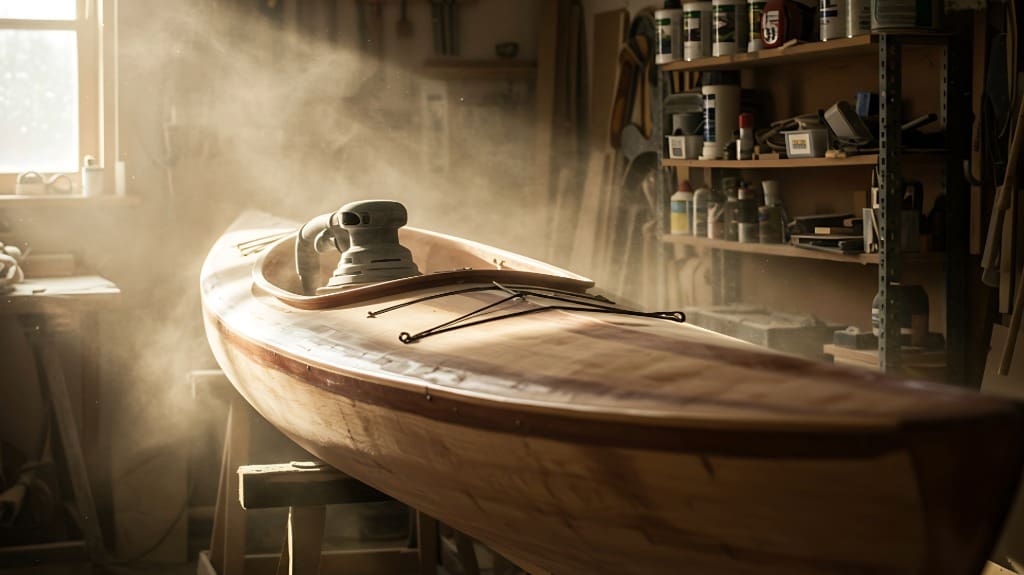
Even as the days get shorter, you’ll want to give your kayak a careful once‑over and do a few simple fixes so it won’t surprise you in spring; rinse out every nook and let it dry completely, paying special attention to hinges, cockpit rims, hatches, and pedal housings where salt, grit, and trapped water can freeze or corrode. Check for small cracks, fill them with marine epoxy or a polyethylene repair kit, or weld an HDPE patch, because frozen water widens flaws; lubricate metal fittings with a corrosion inhibitor, wipe excess, and snap moving parts to make sure they’ll move. Remove batteries and electronics, vent sealed hatches slightly, and store indoors or upside down under cover with insulation blankets, humidity monitors, and chemical stabilizers on hand so UV, mold, and rust don’t steal your spring freedom.
Some Questions Answered
What Is the Best Epoxy for Kayak Repair?
The best epoxy for kayak repair is a marine epoxy that’s UV resistant and fast curing, but you’ll pick the exact type by hull material: use flexible or PE-formulated products for plastics, rigid marine epoxy for fiberglass or ABS, and epoxy putty for quick patching. Clean, sand, and degrease first, carry proper mix tools and PPE, test a small patch, then apply per cure times so your repair stays watertight and durable.
Will Flex Seal Work on a Kayak?
Yes, Flex Seal can work as a flexible sealant for small scratches or pinholes, but it’s only for temporary fixes and a waterproof coating until you do a permanent repair. Roughen polyethylene, clean with alcohol, apply thick, let cure, and carry an internal patch and duct tape, because it can peel under flex or abrasion. For big holes or structural areas, plan HDPE welding or marine epoxy before serious use.
How to Winterize a Kayak?
You winterize a kayak by cleaning and drying it thoroughly, then store indoors on wide padded supports, leave hatches open to ventilate, and remove hardware like electronics and rudder pieces to prevent corrosion. Fill and coat seams or small cracks with a repair kit so freeze-thaw won’t worsen damage, lubricate moving parts, and stow soft gear and batteries in a dry spot; do a quick checklist before putting it away.
What Is the Best Way to Patch a Kayak?
Patch small polyethylene cracks by welding an HDPE scrap with a soldering iron or plastic rod, and for big holes back them with epoxy or JB WaterWeld then fuse an external patch, you’ll want seam reinforcement and gelcoat restoration for non-poly boats, so carry epoxy and fiberglass too, dry and sand well, test by floating or filling the cockpit, and pack waterproof tape as an emergency fix—gear maintenance keeps you free to get back on the water.