Coastal Kayak Touring
The ocean's edge offers some of the most spectacular and rewarding kayaking experiences available... but coastal paddling requires specialized knowledge and respect for powerful natural forces. When you venture into tidal waters and open coastlines, you're entering an environment where conditions change rapidly and planning becomes paramount. This section teaches you to work with tides rather than against them, recognize weather patterns before they become dangerous, and navigate confidently along dramatic shorelines. You'll learn protocols for open water safety, techniques for beach landings in surf, and strategies for multi-day coastal expeditions. From encountering marine wildlife to caring for equipment in saltwater environments, we'll prepare you for the unique challenges and extraordinary rewards of sea kayaking. The coast is calling... let's make sure you're ready to answer.

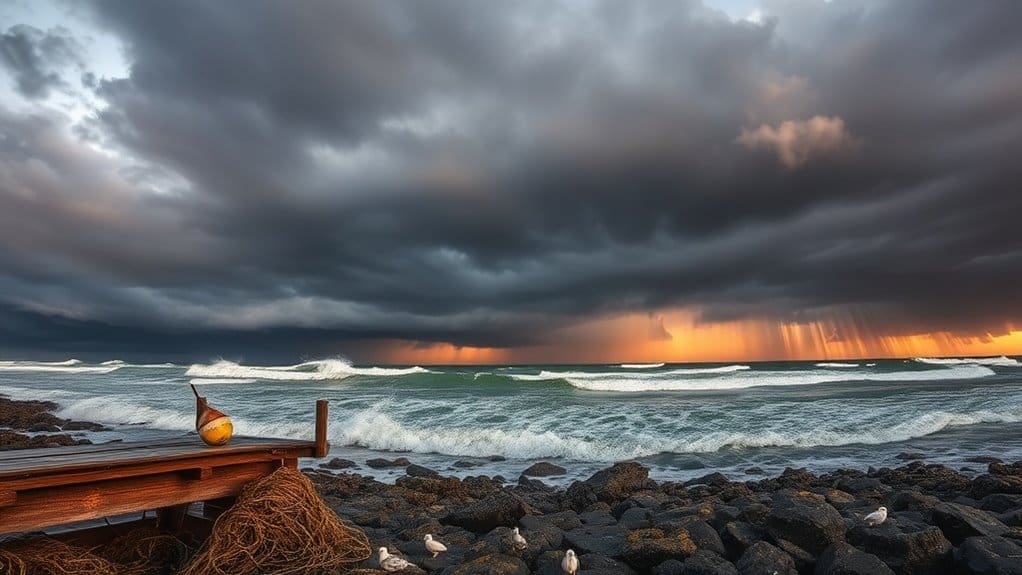
Weather Pattern Recognition: Reading Skies for Coastal Safety
You’ll watch sky and sea for fast cues: dark anvil clouds, towering cumulonimbus, sudden temp drops, or a 3 hPa barometer fall, and if you hear thunder or see sharp wind shifts you don’t launch, you secure gear, put on PFDs and head for shelter, reef or slow if...

Beach Landing Techniques: Mastering Surf Zone Entries and Exits
You’ll scope sets from a high spot for 5–10 minutes, pick a continuous sandbar or darker channel where waves soften, and time your move for the longest lull after a pack of waves; wear a snug wetsuit, boots, high‑vis float and keep fins on until waist depth, then...

Saltwater Equipment Care: Preventing Corrosion Year-Round
You’ll keep salt damage down by rinsing and drying everything after each trip, flushing outboards/sterndrives for five minutes, and opening crevices to remove salt before it sours metal; check sacrificial anodes for heavy pitting and swap at about 50% wear, carry...

Channel Islands Winter Paddling: California’s Offshore Gems
Winter paddling the Channel Islands is doable and rewarding if you plan: pick Scorpion Cove on Santa Cruz for caves and kelp or Anacapa for a short, dramatic trip, check ferry, tide and morning‑wind forecasts, and expect colder water—wear a wetsuit, hood, neoprene...
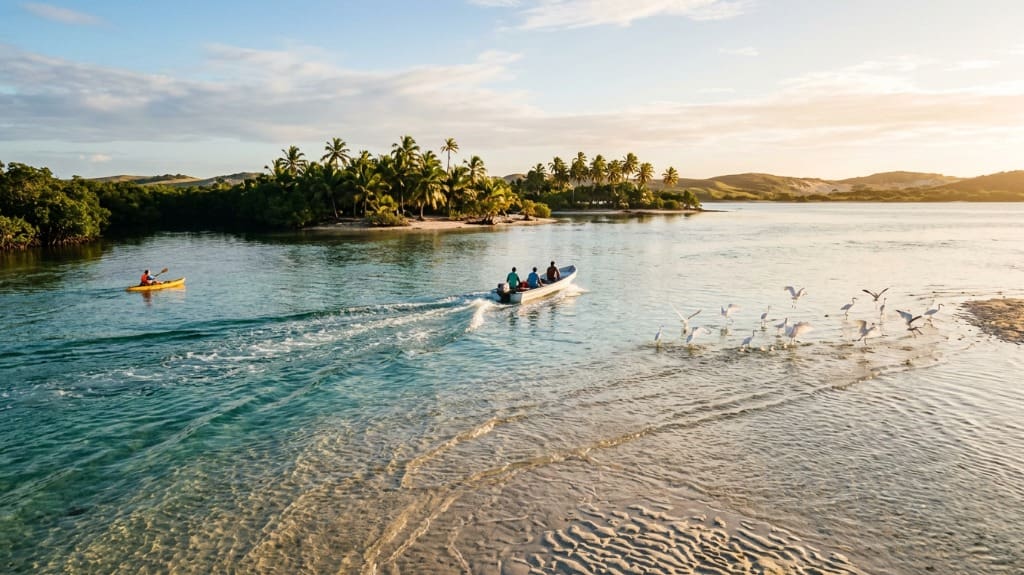
Gulf Coast Island Hopping: Winter Touring in Warm Waters
Head to the Gulf Coast in winter when you’ll get low‑70s days, calmer seas, and quieter marinas; pick a base like Fort Myers, Sanibel, Naples, Marco Island, or Sarasota, check a 7–10 day forecast for sustained light winds under 10–15 knots, plan mid‑morning departures...

Baja California: Planning a Winter Sea Kayaking Expedition
Plan a winter Baja sea‑kayak trip if you want calm seas, cool beach nights, and big wildlife: pick Loreto for protected island paddling or La Paz for easier whale‑shark and Espíritu Santo runs, book early, and match daily mileage to your skills; insist on experienced...

Winter Tides: Planning Cold Season Coastal Expeditions
In winter you’ll plan trips around tide tables and current charts, aiming for slack or a flood window near launch to avoid strong ebb through inlets, and you’ll check forecasts again a few hours before putting in; pack a drysuit or thick neoprene, spare paddle and...
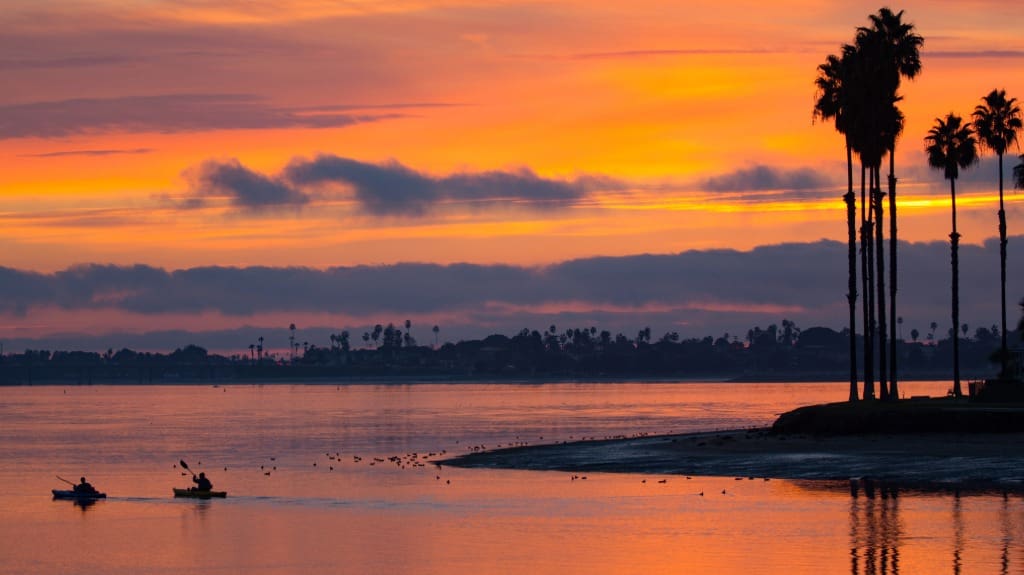
Gray Whale Migration: Kayaking California’s Coast This Season
You’ll get great gray whale viewing from January–March if you paddle calm, high‑tide days off Monterey Bay, Big Sur, or near Moss Landing and Asilomar, in a stable 16–18 ft sea kayak with deck lines and a skeg, wearing a PFD and dry layers, carrying VHF or PLB, spare...

California Winter Swells: When to Paddle and When to Wait
You paddle winter swells smart when you read swell angle and period—look for long NW/WNW groundswell (14–18s+) that wraps past the Channel Islands—match it to mid‑to‑high tide and an offshore E–NE breeze, pick points/reefs for long periods or protected beaches for...
If you're wondering... We're not doctors, electricians, software engineers, or safety experts (just caffeinated humans doing our best), so always trust your own instincts and consult with professionals when needed. And yes, most all of the links you'll find here are affiliate links, which means we might earn a small commission if you make a purchase – it's just one of the ways we keep the lights on and the coffee brewing so we can keep bringing you helpful content. Thanks for supporting our little corner of the internet!