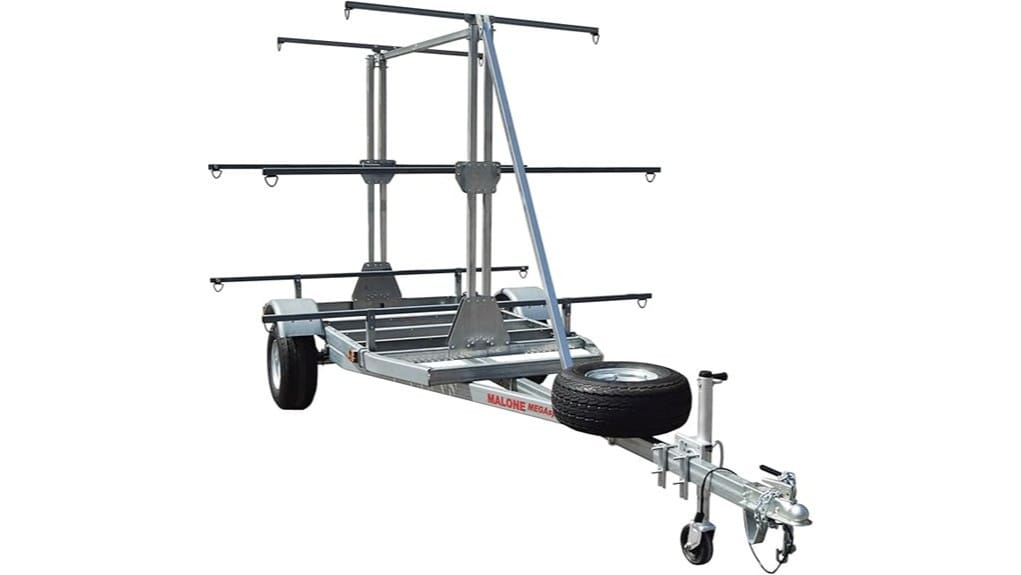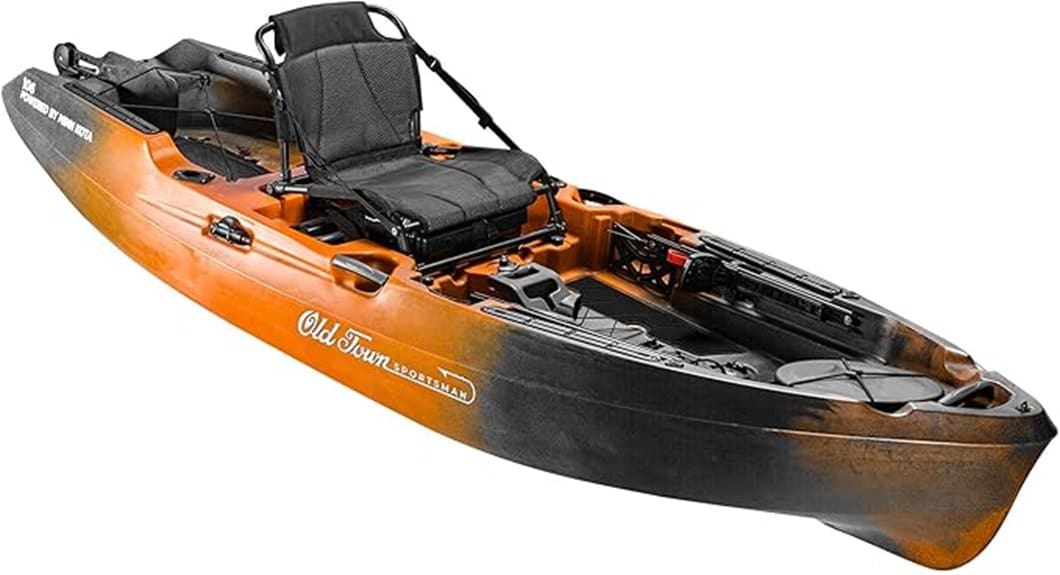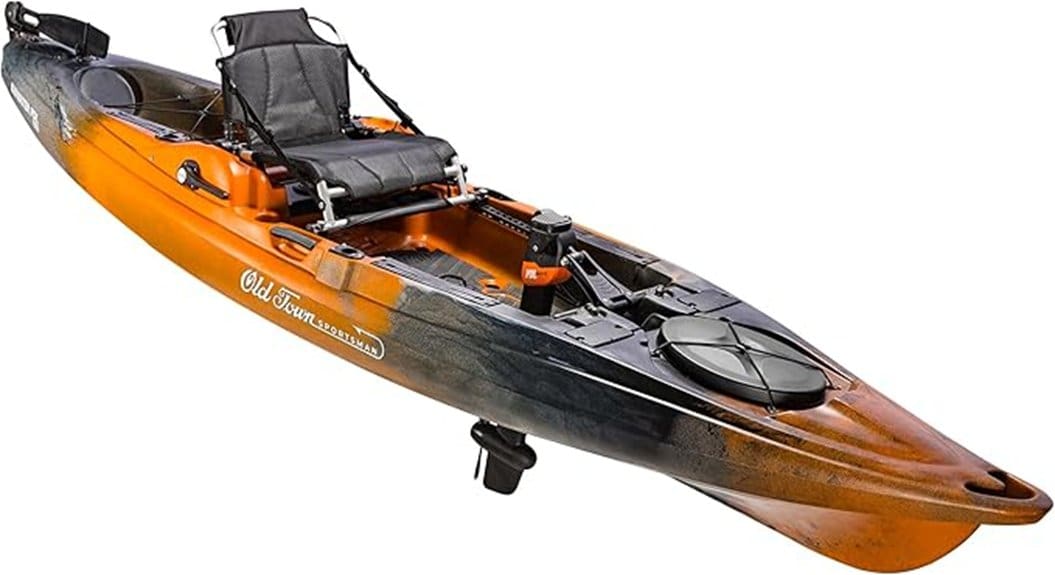
You’ll get great gray whale viewing from January–March if you paddle calm, high‑tide days off Monterey Bay, Big Sur, or near Moss Landing and Asilomar, in a stable 16–18 ft sea kayak with deck lines and a skeg, wearing a PFD and dry layers, carrying VHF or PLB, spare pump and repair kit; watch for double heart‑shaped blows, slow steady travel or short feeding dives, stay 100–300 yards off mothers and calves, stop and stay low if one approaches, and learn the reporting basics next.
Some Key Takeaways
- Best time: January–March is prime for northbound gray whale migration and closer shore sightings.
- Launch from Monterey Bay, Moss Landing, Asilomar, or Big Sur turnouts for the highest sighting odds.
- Wear a Type III/V PFD, drysuit or warm layers for 50–55°F water, and rig deck lines and a reachable grab loop.
- Stay at least 100 yards from whales (300 yards for mothers with calves), paddle parallel, and avoid getting between animals.
- Plan around high tide and calm seas, carry VHF/PLB, file a float plan, and report any distress sightings with GPS coordinates.
Best Times and Places to Paddle for Gray Whale Sightings on California’s Coast

If you go paddling for gray whales along California’s coast, plan your trip for January through March, when the northward migration brings the most animals close to shore and your odds go way up, especially if you pick spots like Monterey Bay near the submarine canyon, the Big Sur highway turnouts, Asilomar and Moss Landing in Monterey County, or the Wilder Ranch area near Santa Cruz. You’ll want to time launches around high tide and calm seas, carry a VHF or phone in a dry bag, wear a life jacket and layers, and join a guided trip if you want higher odds and safer protocols, because guides know where whales travel and how to keep distance; look, listen, and let them come to you. Also consider keeping a maintenance logbook for your kayak and gear to stay safe and ready on every outing with regular upkeep.
How to Recognize Migrating Gray Whales and Their Behavior From a Kayak
You'll usually spot migrating gray whales by watching for steady, unhurried movement and a few clear signs that set them apart from other critters, so keep your eyes low on the horizon and your ears open for their soft, heart-shaped double blow—two short spouts close together—while you steady the kayak and scan for a low, rounded back with those knuckles instead of a dorsal fin; adults are big, about 40–50 feet, so look for long, slow passes rather than sudden bursts, note any patchy gray-and-white skin, barnacle clusters, or scars that help you tell one whale from another, and remember calves and moms, born in December–February, often stay closer to shore and may move more slowly or come nearer to a quiet kayak; pay attention to rhythm too—traveling whales surface in a straighter line with less splash, while feeding whales roll on their side, make muddy plumes when they sift the bottom with their baleen, and take shorter dives every 3–5 minutes—so keep binoculars or a phone camera handy, wear your PFD, keep noise low, and let the whale set the pace while you document size, blow shape, surfacing interval, and any mud plumes to figure out what behavior you’re seeing. Also consider carrying storm whistles and other safety gear from shore-ready suppliers in case conditions change quickly.
Safe Approach Distances and Kayak Positioning to Avoid Disturbing Mothers and Calves
When you spot a mother and calf, give them plenty of room—aim for at least 100 yards (91 m) and expand that distance if the calf looks curious or uneasy, since letting them set the comfortable space keeps everyone safer. Paddle parallel to their travel line and stay slightly behind the shoulder so you’re not blocking their path or separating them, move slowly and quietly, and if a whale approaches, stop paddling, stay low and still, and let it pass on its terms. Check local setback rules and talk with your guide before launching, carry a whistle or VHF for safety, and remember that females with calves tend to linger later in the season, so be extra cautious January through March. Gear up with proper signaling and safety gear, including dive flags and other essentials, to help keep your group visible and safe while enjoying the migration dive flags.
Maintain Safe Distance
Start by giving mothers and calves plenty of space—stay at least 100 yards (about 300 feet) away and plan your approach so you don’t end up between them, because that’s the quickest way to stress a pairing and force the mother to change course; position your kayak parallel to the whale’s travel direction and keep 50–100 yards laterally from lone whales, paddle slowly and quietly, and if a calf comes over or the mother starts acting oddly, ease back immediately and leave the area. When you kayak near migrating whales, maintain safe distance, watch body language—tight turns, loud exhales, or rapid dives mean trouble—and limit time nearby, carry a binocular, cut engine noise, stop paddling if one nears, and calmly put distance between you and a mother with calves. Use bright strobe lighting for visibility on the water to increase safety for you and the whales, especially during low light or busy conditions, and consider investing in strobe lights for better detection.
Kayak Positioning Etiquette
If you want the best chance to enjoy whales without upsetting them, keep your kayak off to the side and give plenty of room—at least 100 yards from any whale and about 300 yards if you spot a mother and calf—approaching parallel to their travel so you never get between them. You’ll want to stay at least 100 yards unless a whale comes to you, paddle slowly, avoid splashes, and cut engines on nearby boats so you’re a quiet, easy shape in the water. Watch for changes—speeding up, tail slaps, loud exhales—and back off immediately if you see them. If you’re with others, stagger your kayaks, follow one lead, and never encircle a mother–calf pair, give them space and let them choose the interaction. Consider carrying proper safety gear like a rescue rope bag to aid in emergencies and support safe water adventures rescue rope bag.
Gear, Boat Setup, and Paddling Skills You Need for Winter Whale Trips
Because winter seas off California are cold and changeable, you’ll want to kit up for safety and control before you even think about heading out, so start with a Coast Guard–approved Type III or V PFD you’ll wear at all times and add a drysuit or layered waterproof breathable clothing (a synthetic base layer plus insulating mid‑layers) to lower hypothermia risk in 50–55°F water. Choose a stable sea kayak about 16–18 ft long, with a beam ≥22 in and a skeg or small rudder to track in swell and current, rig deck lines and a grab loop you can reach with cold hands, and stow a waterproof VHF or VHF/DSC, phone in a dry case, and an EPIRB/PLB for the out-of-reach places. Practice self‑rescue, assisted rescues, bracing, and rolling until they’re second nature before you paddle near whales. Also bring and wear a properly fitting basic life jacket from a reputable paddlesports outfitter for on-water safety.
Step-by-Step Checklist for Planning a Gray Whale Kayak Outing (Permits, Tides, Weather)
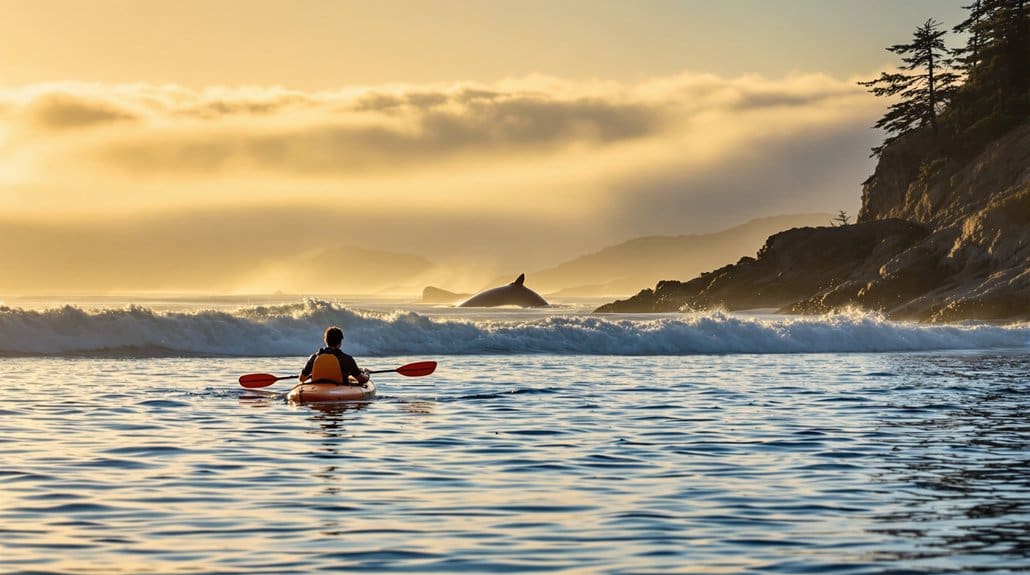
Before you head out, you’ll want to get the paperwork, tides, and weather lined up so nothing blindsides you on the water, and that means calling the park or harbor office at least a week‑or two ahead to confirm any day‑use or launch permits, checking NOAA tide tables and local current predictions so you can aim to put in and come back near slack tide instead of fighting a strong ebb or flood, and scanning NWS/NOAA marine forecasts for wind, swell, and visibility so you won’t be surprised by conditions that exceed your comfort (commonly winds over about 15 knots or surf that makes your chosen launch hazardous). Next, file a float plan with a friend, pack VHF, GPS, PFDs, signaling gear, spare pump and repair kit, and choose launch times around tides, keeping extra time to avoid canyon currents and to watch for gray whales while staying clear. Also bring essential gear like a spray skirt, dry bags, and a whistle to stay safe and comfortable on the water, especially if you’re using a first kayak bundle.
What to Do If a Whale Approaches, Breaches, or Shows Signs of Distress
When a whale starts coming toward your kayak, stay calm and keep your paddles and hands inside the boat, point the bow a little away so you don’t look threatening, and let the animal decide how close it wants to get. If a whale approaches, breathe, stay seated, keep low, and avoid sudden moves or loud noises, you don’t want to spook it and lose control of your craft. If it breaches nearby, brace your core, hold the boat steady, and don’t lean toward the splash, and if you spot distress signs like entanglement, erratic surfacings, or visible wounds, note your GPS or landmarks and give extra space while you call authorities or a marine hotline. Keep freedom and safety balanced, follow guides and regs. Consider carrying a personal flotation device and other essential gear for added safety on the water.
How to Record Sightings Responsibly and Share Photos and Data With Researchers
If a whale shows up near your boat, stay cool and treat the sighting like a short field survey: note the date, time, and either your GPS coordinates or the nearest landmark, watch the whale long enough to judge behavior — is it traveling, feeding, or with a calf — and take steady, high-resolution photos of both sides, the dorsal area, and the tail if you can do so without getting closer, because that basic metadata and those ID shots are what make your observation useful to scientists. Keep distance, stop engines if you can, and record group size, calf presence and rough calf length, visible injuries, and nearby vessels or debris, then upload your Gray whale sightings and photo-ID to Happywhale or local portals with contact info.
Some Questions Answered
Are Grey Whales Migrating Right Now?
Yes, they’re migrating now, you’ll see many off California, and researchers use migration tracking and whale acoustics to follow routes and health, while climate impacts can shift timing, food, and calf survival. If you want to watch, bring binoculars, a life jacket, a spotting scope if you have one, dress warm, check local trip reports, note blow patterns and direction, stay 100+ yards away, and consider a guided tour for safety.
Are Whales Migrating Now in California?
Yes, whales are migrating now along California, so you can head out to watch, but mind ocean currents and pick safe vantage points near headlands or submarine canyons where they concentrate, carry binoculars, a camera with zoom, life jacket and VHF, and plan tide-friendly launch times. Stay clear of animals, follow boat etiquette, keep distance, and use photo ethics—no flash or chase—so you enjoy sightings responsibly and safely.
When to See Gray Whales in California?
You’ll see gray whales best from January through March, when numbers peak and moms with calves hug the shore; pick local hotspots like headlands, protected coves, and marine sanctuaries, and learn shore etiquette so you don’t disturb them. Bring binoculars, a windproof jacket, phone camera with zoom, snacks, and a charged battery, watch for spouts and rolling backs, stay back, move slowly, report entanglements, and enjoy the show safely.
What Months Do Grey Whales Migrate?
Grey whales migrate south in fall, starting around September through December, then head north from January through April, with peak movement January–March. Watch feeding patterns nearshore, routes hugging the coast, and population trends for calf numbers. Bring binoculars, layered clothes, and a VHF or phone in a dry bag, stay a safe distance, scan for blows and tail flukes, log sightings, and report any unusual behavior to local whale groups.