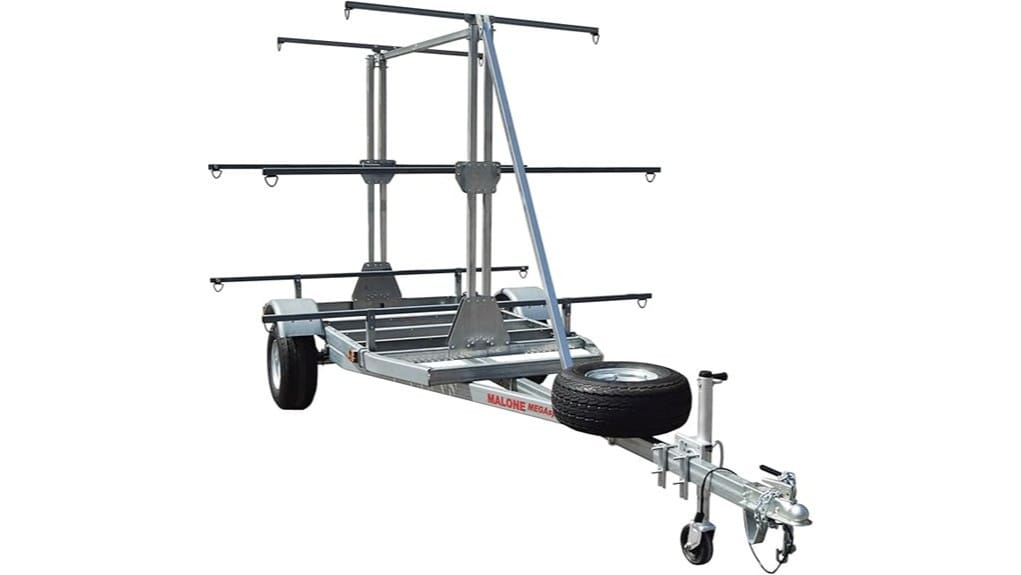
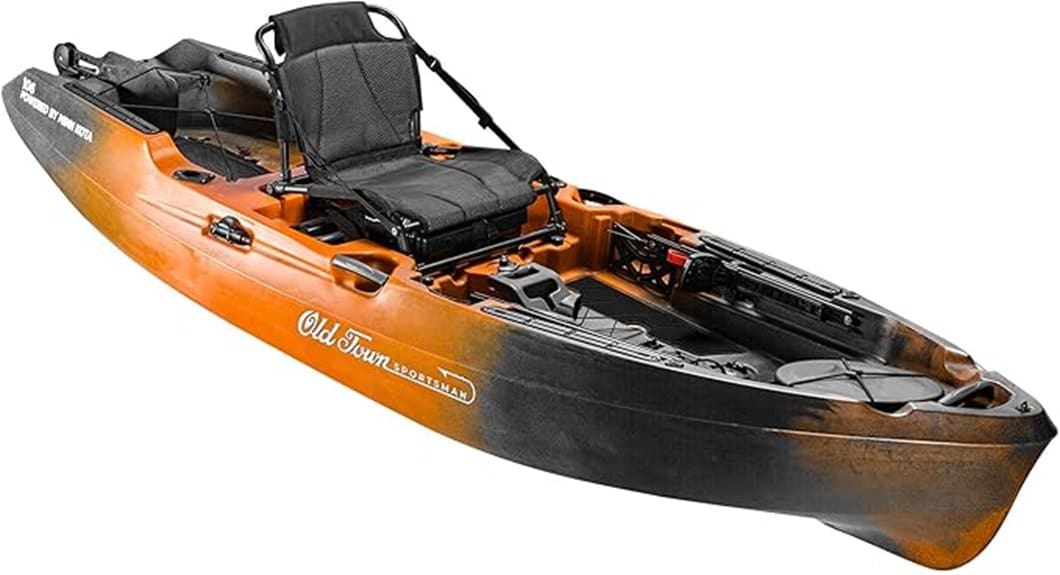
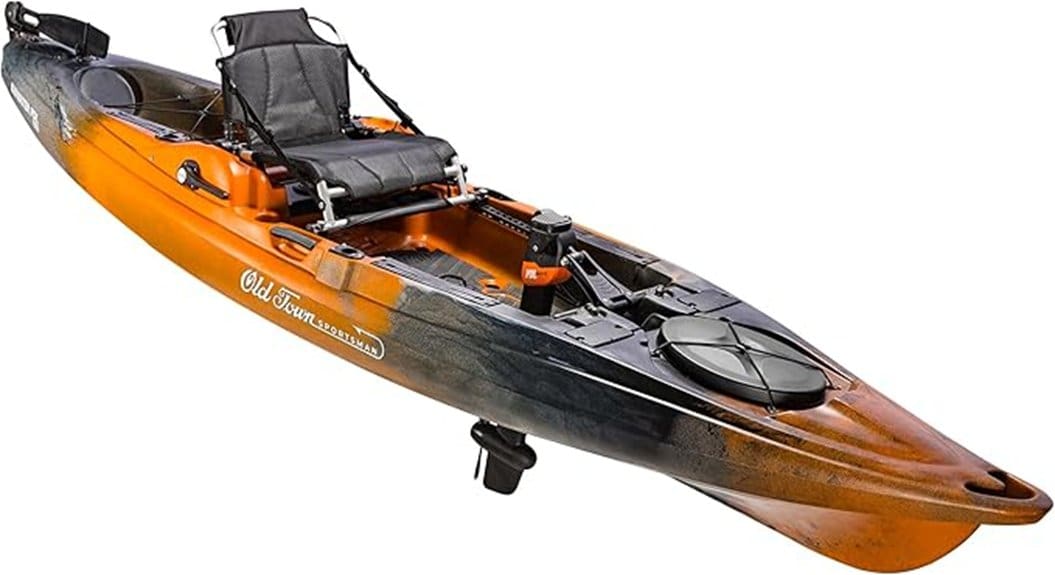
Grab gloves, flashlight, mild soap, a sponge, and a small repair kit, then work in daylight on even ground; walk the hull looking for hairline cracks, pressure dents or soft spots, run fingers over fittings and fasteners for looseness or corrosion, and cycle rudders or skegs to check for binding. Open hatches, dry compartments, remove or top batteries to ~40–80%, inspect straps, bungees and seats for wear, patch small damage, log problems, and keep records so your kayak’s spring‑ready—keep going to get step‑by‑step fixes.
Some Key Points
- Walk the hull in daylight, feeling for cracks, soft spots, gouges, or oil‑canning and photograph any damage with measurements.
- Open and inspect hatches, bulkheads, and compartments for dampness, mildew, or pooled water; dry and ventilate thoroughly.
- Cycle rudder/skeg and pedal drives through full travel, check cables, linkages, and lubricate after flushing salt and grit.
- Check seats, webbing, bungees, and deck lines for UV glazing, fraying, loss of elasticity, and replace worn soft goods.
- Inspect all hardware, fasteners, and metal fittings for corrosion or looseness; clean, lightly protect, and replace structurally compromised parts.
Quick Prep : What to Bring and Safety Steps
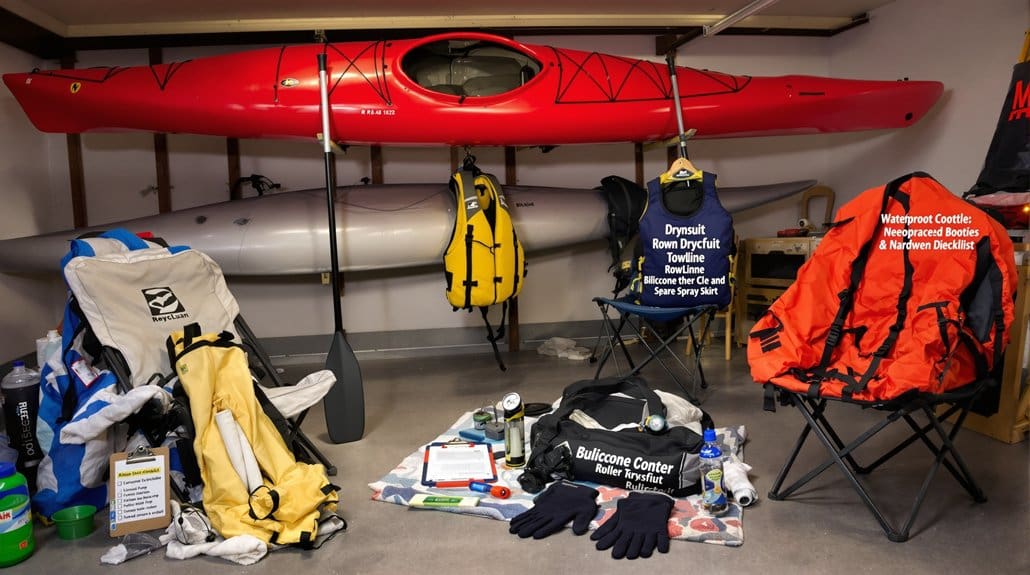
Before you even kneel to peer into the cockpit, get yourself set up so the inspection goes smoothly and you don’t miss anything important: bring a soft brush, mild biodegradable soap, a sponge, and a bucket of fresh water to wash away grime and salt that can hide cracks or corrode fittings, and pack a flashlight or headlamp plus a small mirror and latex gloves so you can check hatches, seams, and tight spots for leaks, mildew, or pest nests; also carry basic repair supplies like marine-grade adhesive or epoxy, UV‑resistant duct tape, spare hull plugs, a rag for quick cleanups, and a multi-tool and tire-pressure style gauge or pump with gauge if you have inflatables so you can tighten hardware or adjust pressure on the spot, and don’t forget a notebook or your phone to log issues, take photos for insurance, and note battery states for electronics—if batteries read below about 40% or you’re storing gear long-term, remove them now. Make sure, throughout the winter months, you work in daylight when possible, clear ventilation, and set gear on an even surface so you can move freely, spot what needs fixing, and act fast to keep your freedom to launch when warm weather returns. Also consider checking your drytop and other paddling clothing for wear and fit to ensure proper protection on your next outing.
Inspect the Hull First : Cracks, Pressure Dents, and Water Intrusion
Now that you’ve got your cleaning kit, tools, and notes ready, start with the hull because that’s where most problems show up first: walk all the way around your kayak in daylight if you can, letting your eyes and hands work together to spot hairline cracks along seams, deep gouges at the keel or chines, and any soft spots that press in — on rotomolded polyethylene boats you’ll feel “oil‑canning” where the plastic flexes inward under light pressure, and that’s a sign of pressure damage; run a flashlight along seam lines and around fittings, feel inside hatches and compartments for dampness or pooled water, and gently flex near bulkheads, the transom, and through-hull fittings to reveal loose glue or failing fasteners. Photograph damage with a ruler, measure dimensions, log locations, and confirm leaks so you can act while everything is dry. Consider keeping a compact fiberglass repair kit on hand for minor repairs so you can address small issues before they worsen.
Check Fittings, Hardware, and Steering Systems
When you move from the hull to the fittings and steering gear, take a slow, methodical sweep so you don't miss the little things that turn into big problems — run your hand over every bolt, screw, cleat, D‑ring and bungee, look for rust, looseness, or missing fasteners, and try each attachment with a firm tug to see if it wiggles; operate the rudder, skeg, or pedal drive through its full range, listening for grinding or binding and watching cables and linkages for frays or slack. Check for corrosion and torque or replace fasteners per manufacturer specs, flush salt and grit from cable housings with fresh water and dry, then apply a light approved lubricant, inspect bungees and straps for UV brittleness, and service pedal bearings or belts so you can store your kayak knowing your gear is ready. Be sure to also inspect essential accessories like bailer scoops and paddles for damage and proper storage bailer scoops.
Open Hatches, Dry Compartments, and Look for Mildew or Pests
Slide open every hatch and pop each compartment lid at least once during the winter, because trapped moisture and little critters hide where you’d least expect them — stick your head in, look for damp spots, fuzzy mold, or a musty smell, and run your fingers along foam, straps, and corners for chew marks or droppings. When you open every hatch, take time to remove float bags, sponges, and any soft gear, air them 24–48 hours if damp, then only reinstall when fully dry to stop mildew coming back. Wipe interiors and gaskets with mild soap, dry thoroughly, add silica packs to keep humidity down, and inspect seals and drains for cracks, repairing or replacing before you close things up, and use sealed bins or repellents if pests show. Also, consider keeping a supply of mildew removers and maintenance products on hand to protect your gear and prolong its life, especially if you store multiple boats or outdoor gear.
Examine Seats, Straps, Bungees, and Transport Gear
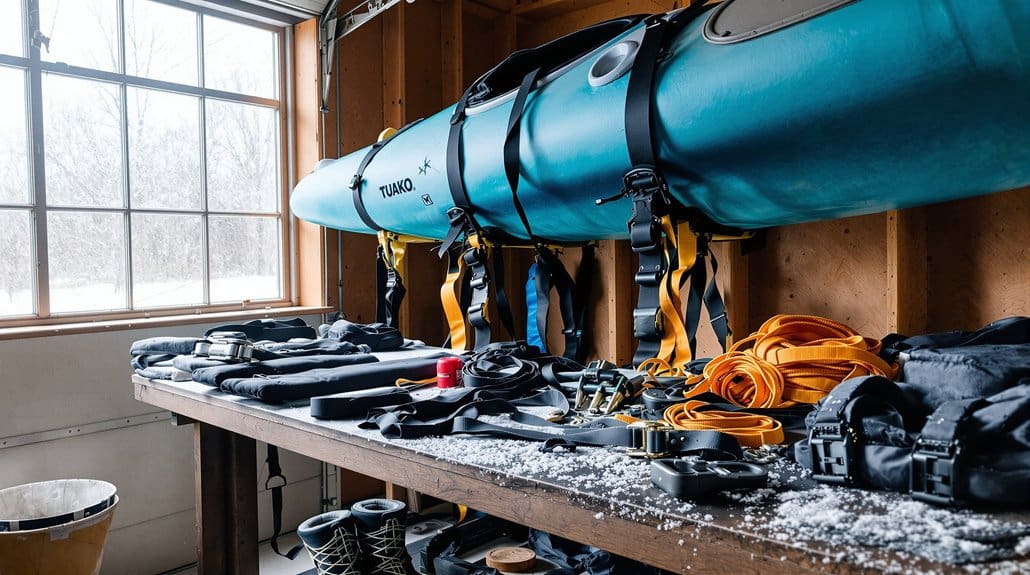
Check the seat fabric for frays, UV cracks, or broken stitching and feel the webbing for any loss of width—if you see more than about 10–15% wear or fibers poking out, plan to replace that strap before your next trip. Test buckles and cam‑buckles by cycling them under load and tightening loose fasteners to the manufacturer's spec, swapping any with worn teeth or white powdery corrosion, and stretch bungees and lines to about one and a half times their length to confirm they snap back without surface cracks. Finally, run your hands along deck lines, grab handles, and transport straps for embedded grit, chafe, or hard spots, store straps unfastened when not in use, and carry a spare set of common webbing, buckles, and a few shock cords so you can fix small failures on the spot. Consider upgrading to cushioned kayak seats and proper accessories for better comfort and longevity, especially if you paddle often and value comfortable kayak seat performance.
Seat Fabric Condition
Start by getting comfortable with the seat and its fittings, sit in the kayak or press down on the seat so you can see how the fabric and stitching respond, because faded, papery fabric or broken threads won’t hold you right and grit‑embedded abrasion will eat through seams over time. Feel for soft spots, rough patches, or glazing from UV, and run your fingers along seams to find frays, broken threads, or sand trapped in stitch channels, because those weaken support. If fabric looks bleached, brittle, or thin, treat remaining areas with a UV protectant, then replace any worn panels or re‑stitch before paddling, and pack spare thread, a needle, and a short repair strap so you can fix tears or reinforce corners quickly. Comfort-focused gear makers often design seats to improve long-term paddling comfort, so check manufacturer's recommendations for maintenance and replacement intervals and consider upgrading to comfort-first seats if your current setup shows persistent wear.
Strap Buckles Function
Take a close look at every buckle and strap as if you’re getting ready for a long haul, because a smooth clip and a secure hold are what stop gear from shifting or coming loose when you’re on the water. You’ll clip and unclip each buckle 5–10 times to confirm the spring or ratchet returns cleanly, listen for binding, and watch for corrosion or pitting on metal parts, lubricating pivots lightly while keeping oil off webbing. Inspect webbing for UV brittleness, frays, or thinning, retire straps that lose over 10–15% width or show fuzzy spots, and verify stitched bar‑tacks at load points are intact. Test cam or ratchet straps under a modest 20–30 lb load to make certain they hold and release cleanly, so you’re ready to go, or know when repairs necessary. Also review your kayak storage setup and racks to ensure straps and buckles are compatible with your storage system and won’t chafe or slip during transport.
Bungee And Line Integrity
Give every bungee, cord, and strap a close once‑over like you mean to rely on it, because these soft parts save gear and lives when things get bouncy or you’re hauling a kayak down the highway. In winter storage, check shock cords and bungees for glazing, lost elasticity, or fray, replace any that won’t return at least 75% of their stretch, and run deck lines and painters between your fingers to spot fuzzy abrasion or core showing, replacing lines with over 30% diameter loss. Test seat straps, backbands, and buckles for cracked webbing, stretched stitching, or corroded fittings, flex roof and cam straps to find heat or broken cams, wipe everything clean, treat metal lightly, and store soft goods dry and flat so you’re ready to hit the water. For replacements and upgrades, consider high-quality deck line replacements and other essential gear made for safer kayak rigging.
Inspect Electronics, Batteries, and Metal Parts for Corrosion
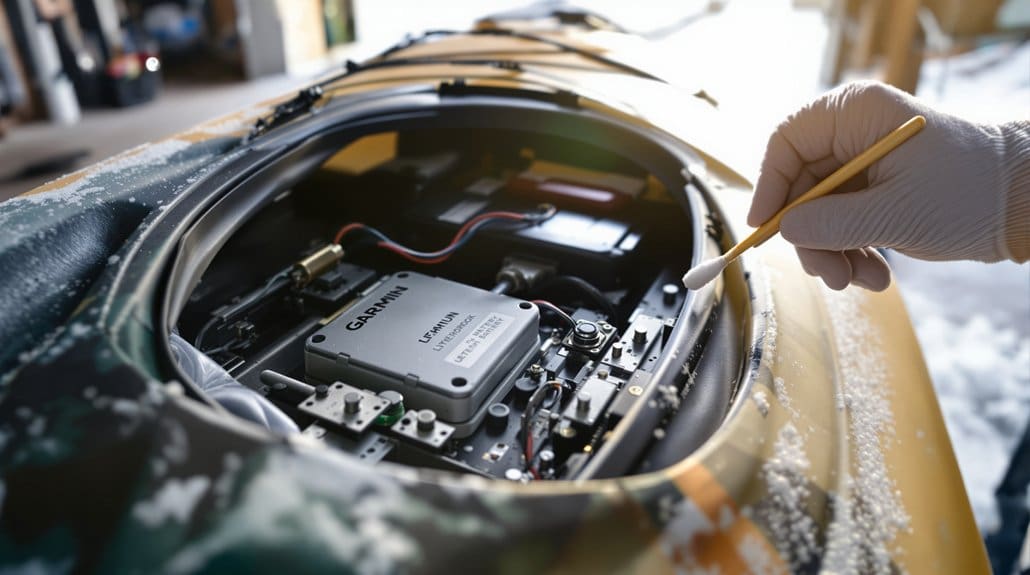
When you pull your electronics and metal gear out of the kayak, give them a careful once‑over so you don’t get surprised by corrosion later — start by removing batteries from everything like fishfinders, GPS units, and your VHF and stash those cells somewhere cool and temperature‑stable at about 40–80% charge, then plug them in about every 90 days to keep them healthy. You’ll want mild soap and water to wipe housings, making sure seals look intact, then inspect connectors, trays, and terminals for white or green powder, which signals corrosion; clean with vinegar or a baking soda paste per metal, rinse and dry, test units briefly with charged cells, and stash electronics in sealed bags with silica gel while you lightly sand rusted screws, oil or use marine inhibitor, and replace parts with structural damage.
Small Repairs and Reset Actions to Leave It Ready for Spring
Now that your electronics and metal bits are clean and tucked away, it’s time to make small fixes that stop little problems from turning into big spring headaches. While your kayak’s in winter storage, walk the hull and seams looking for cracks, dents, or soft spots, repair small gouges with a plastic welding kit on rotomolded boats or use UV‑resistant marine epoxy on composites, and don’t forget to deflate and dry inflatables, then re‑inflate and use soapy water to find slow leaks, patching pinholes with the maker’s kit. Remove seats and foam, dry and inspect straps and buckles, replace brittle webbing, lube moving parts and check cable tension, and top batteries to 40–80% while noting replacements so you’re launch‑ready.
Some Questions Answered
Can Kayaks Be Stored in the Cold?
Yes, you can store a kayak in the cold, but watch insulation concerns and material contraction, since plastics and composites get brittle and can warp. Keep it in a stable, sheltered spot, elevated on wide padded cradles, remove batteries and soft gear, and use a breathable cover if outside, tilting for drainage; check often for ice, water, and pests, and avoid tight straps that squeeze or create oil‑canning in cold weather.
What Is the 120 Rule for Kayaking?
The 120 Rule says you shouldn’t go farther offshore than you can paddle back within about 120 minutes, so you plan around stroke rate and paddle cadence you can keep, accounting for wind, waves, current, and fatigue. You’ll check forecast, pack a float plan, wear a PFD and warm layers, shorten range for cold or solo trips, and practice steady cadence so you know your comfortable return speed before you push farther.
How to Inspect a Used Kayak?
Start by running your hands along the hull history, feeling for cracks, deep gouges, or dents, shine a light into hatches for hairline stress, then flood seams to check for leaks and dry them. Cycle movable parts, clear grit, grease pivots, and inspect cables. Remove soft goods to check for mold or UV damage, note seat upgrades, and smell for pests, then clean, replace damaged items, and test flotation before you paddle.
Is It Better to Store a Kayak Vertically or Horizontally?
Horizontally is usually best, you’ll cut pressure dents by using ceiling hoists or broad padded cradles, but vertical racks save space if you pad contact points and check straps often. First, lift carefully, avoid hanging from grab handles, inspect straps for UV brittleness and slippage, and set a slight tilt for drainage. Carry extra wide straps, foam pads, and a breathable cover, and check fittings every few weeks to prevent surprises.