Start by getting solid swim skills and lots of Grade 2–3 time, pick a river‑running kayak that fits—shorter hull, more rocker—and test it in easy rapids for handling and comfort, wear a fitted PFD, helmet and spraydeck and carry a throw bag, spare paddle, knife and basic first aid; drill core strokes, short power bursts, braces and rolls on calm water, then transfer edge control to ferrying, peel‑outs and eddy turns in sheltered currents, practice rescues and log progress, and keep a coached plan for steady steps forward to tougher runs.
Some Key Takeaways
- Build a safety foundation: solid swim skills, practiced wet exits, fitted PFD and helmet before advancing to harder whitewater.
- Progress boat control: master forward strokes, edged ferries, low/high braces, and reliable rolls on flat water first.
- Transfer to moving water: rehearse ferrying, peel-outs, and eddy turns on Grade 2–3 before attempting Grade 3–4.
- Practice deliberate drills: timed reps, balanced sides, and logged errors with a 90% success target before progressing.
- Train as a team: pre-run route plans, clear leader/sweep roles, simple signals, and routine rescue practice with essential gear.
Choose the Right Starting Point: Prerequisites, Boat Choice and Essential Gear
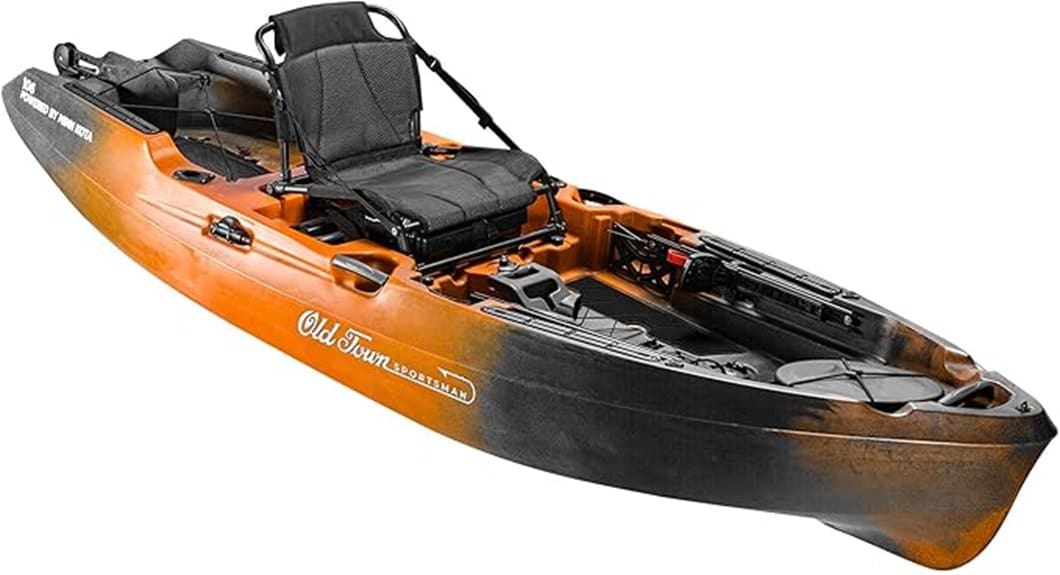
Start by being honest with yourself about where you’re starting, because getting the basics right keeps you safe and speeds your progress: you should already be able to swim and have some river time at Grade 2–3 before you step up toward Grade 3–4, so if you haven’t got that experience yet, book coached sessions or a one‑on‑one to build those hours and techniques first. Pick a white water kayak built for river running, shorter with more rocker and the right volume for maneuvers, not a long touring hull, and try it in easy rapids to judge fit. Wear proper safety equipment—a fitted PFD, CE helmet, spraydeck and weather gear—carry a throwbag, knife, whistle, spare paddle and a basic first‑aid kit, and practice wet exits and rescues regularly. Consider investing in quality essential gear to improve safety and confidence on the water.
Build a Solid Foundation: Strokes, Braces and Controlled Forward Paddling
Now that you’ve picked the right boat and gear and built some river hours, you’ll want to get the basic strokes and braces reliable, because that’s what keeps you upright and moving where you want to go; focus first on how you feed power from your core into each forward stroke—rotate your torso, plant the blade out near your feet with the shaft close to vertical and enter at about a 30–45° angle so each pull gives drive without wasting energy—then practice short, powerful bursts of three to six strokes to accelerate, and follow with longer, relaxed strokes to cruise, keeping a steady cadence around 60–80 strokes per minute so you don’t burn out. Repeat drills in moving water, add sweep or stern rudder corrections after strokes to steer, and practice low and high braces to stop a lean, keeping progress measurable on grade 2–3 runs where you catch eddies, ferry cleanly, and recover from a brace to forward stroke. Consider adding bow flotation bags to your boat to improve buoyancy and safety in technical whitewater bow floatation bags.
Master Rolls and Edge Control in Calm Water
Getting your roll and edge control dialed on calm water makes everything else on the river easier, so work this like a skill session: set up where the water’s flat and sheltered, wear your normal paddling kit and a skirt so you’re comfortable, and plan short, focused drills with clear goals, like hitting clean hips-only sweep-rolls eight out of ten times before you add paddle support. You’ll practice the sweep-roll progression starting with hip-flicks only, timed 30–60 second reps, ten attempts per set, recording success to aim for a 90% rate, and you’ll tune edge control by holding low 10–20° cant on strokes, then 30–45° while rolling, keeping chin to shoulder, hips driving, core tight, and training both sides evenly toward Advanced White Water Award standards. Use specialized training aids like roll bags and floatation assists to accelerate learning and confidence, especially when practicing repeatedly with focused drills that simulate river conditions roll training aids.
Transfer Skills to Moving Water: Ferrying, Peel-Outs and Basic Eddy Turns
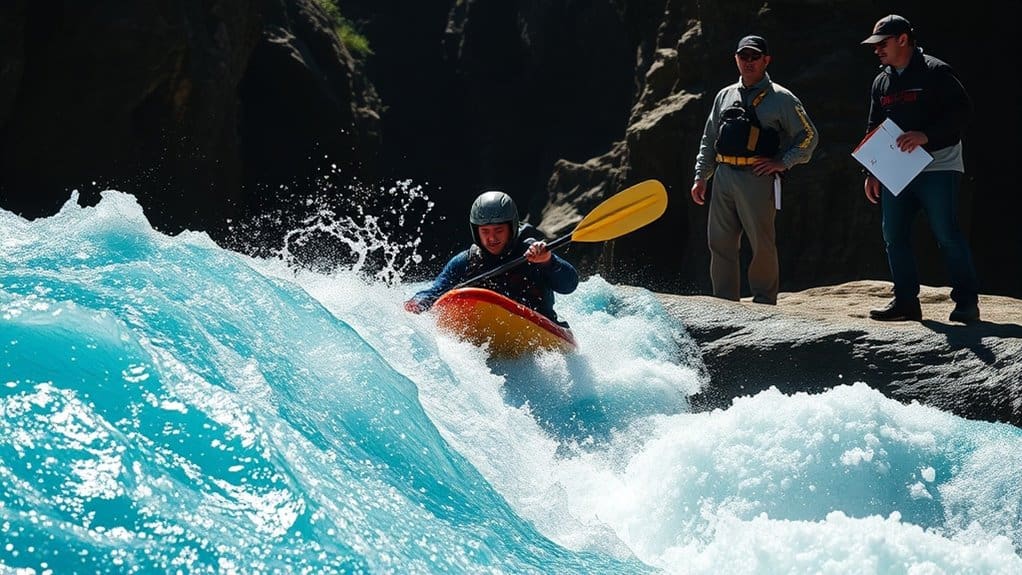
When you take your flat‑water rolls and edge feels into moving water, treat the river like a teacher: pick a sheltered spot with a clear eddy line and a forgiving tongue, wear your usual kit and skirt, paddle with a partner who’s ready to watch and help, and start by ferrying across at a shallow angle—aim the bow just 10–20° upstream, put a little upstream edge on, and use balanced, strong forward strokes so you cross a one‑ to two‑boat‑width current line without sliding downstream. Then practice peel‑out drills, initiate a strong upstream sweep or high brace, reduce downstream edge and push the stern out to launch into flow, and work basic eddy turns by timing a committed sweep on a crest, hip‑snap and inside edge to rotate into the pocket, building experience gradually. Choosing the right head protection is essential for beginners, so consider selecting a whitewater helmet that fits well and is rated for impact protection.
Read the River: Reading Features, Identifying Hazards and Picking Lines
Scanning the river’s face is your first and best tool, so look 10–20 seconds ahead from the bow, pick out eddy lines, wave trains, holes, and any trees or rocks that could snag you, and start planning your line and backups before you commit. You’ll read the river by following bubble lines and surface texture, noting smooth fast lanes for strong current and foam-filled holes that hold you, so identify hazards like strainers and undercut rocks where flow angles toward shore. Pick lines that keep momentum through pourovers, aim inside on blind bends, and seek an eddy catch with a clear peel-out and room to rescue, and when unsure, scout, default conservative, and keep two bailouts. When choosing where to put in or take out, prioritize launch sites with clear access, safe parking, and good exit routes, including information on nearby launch site guides.
Group Tactics and On‑Water Decision Making
When you’re running a stretch with a group, set a staggered downstream pack with two to three boat lengths between boats and put your strongest paddler up front so sight-lines stay clear, eddies don’t clog, and someone can peel upstream to help fast if a boat peels out. Agree on simple hand and voice signals and a plan on shore—who leads, who sweeps, where the bailouts and shuttles are—so everyone knows the line choices and the timing, and leaders can pick runs that match the least-experienced paddler without surprises. Keep the sweep downstream with good visibility and a throw bag, read bow-to-next-obstacle so you call hazards early, and use eddies or slow-water setups to stage ferries, pivots, and regrouping instead of improvising under pressure. Always carry a properly packed throw bag as essential rescue gear throw bag basics.
Positioning For Group Safety
You’ll usually want to keep a steady gap of about one to two boat lengths between paddlers on grade 3–4 water, because that spacing gives you time to react, dodge holes, and avoid a chain of people getting swept into the same problem. When paddling with others, agree on spacing, assign a visible lead and a sweep before launch, and keep the lead in sight so everyone can follow safe lines while the sweep stays slightly downstream to catch strays. Use inside lines and eddies behind boulders as predictable spots to regroup without blocking traffic, call intentions loudly and early — “Left!” “Eddy out!” — and carry rescue kit on the sweep: towline, throw bag, knife, ready to act calmly. New paddlers should also review essential water safety basics and gear before heading onto moving water.
Shared Route Decision-Making
Before you shove off, agree on the route and the bailouts so everyone’s working from the same plan, pointing out visible hazards like strainers, undercuts, and pourovers, and naming timing windows where a line is safer or a gap has to be hit. You’ll pick route choices together using observed flow, call out who leads and who sweeps, and decide shuttle communicator duties so on-water roles are clear, spacing lets the lead commit, and the sweep watches for gaps and rescues. Agree simple signals—hand, paddle, whistle—for “go,” “hold,” “rescue,” or direction changes, and if you plan to follow someone stronger, tell them first and set a backup eddy-out plan. Finish with a quick debrief at the takeout to tweak the plan. Consider carrying appropriate gear like sturdy carabiners and quick‑release systems to secure shuttle equipment and paddler safety carabiners for kayakers.
Rescue Skills and Emergency Preparedness for Grade 3–4 Rivers
On Grade 3–4 water, treating rescue skills and emergency prep as routine practice, not just emergency hope, will keep you safer and help the whole group stay calm if things go sideways; start by getting really comfortable with wet exits, swim‑to‑shore moves, buddy assists, and the eskimo roll so you can get upright or reach shore without creating more risk, and make sure your kit — a well‑fitting PFD and helmet, a throw bag you can deploy under current, a rescue knife, a quick‑release waist harness, and a spare paddle — is checked and practiced with at least a couple real‑water drills before you take on harder runs. Learn swift water rescue in a certified course, rehearse group rescue protocols so roles — rescuer, safety, ferryman, medic — are clear, practice throw bag throws and tethered swimmer skills, plan shuttles and evacuation points, leave a trip plan, and review the day to fix any gaps.
Create Your Personal Development Plan: Coached Progression, Milestones and Next Awards
When you sit down with your coach to map out a personal development plan, think of it as a road map that starts with what you can already do and points clearly to the next safe, measurable steps — for example, getting consistently solid eddy catches and downstream ferries on Grade 2 water within three months, then building toward confident runs of Grade 3 rapids with tight group positioning and rescue readiness in six to twelve months. You’ll use the Progressive White Water Award pathway to set milestones, schedule coached sessions and 1:1 checks, log skills and errors after each day out on grade, and update drills like sweep timing, pivots, and roll work, while building wet exits, self-rescue and basic assisted rescue readiness before moving toward Grade 4 or leadership awards.
Some Questions Answered
What Is the Progressive White Water Award?
The Progressive White Water Award is a coach‑led certification that shows you’re ready to run Grade 3–4 rivers, it grew from practical river training and community experience, and it gives certification benefits like recognized coaching sign‑off and a personal action plan. You’ll follow safety standards for river reading, rescue skills and kit, use community resources to book training and mentors, and you should first check provider creds, pack PFD, helmet, throwbag, and practice self‑rescue.
How Can I Improve My Kayaking Skills?
Start by drilling core strokes and edge control in easy water, practicing sweep and draw strokes until they’re crisp, then add stroke efficiency drills like short bursts and clean exits to save energy, work line reading by scanning for bubble lines and setting entries, and build rescue techniques with wet exits, throws and coached drills, carry helmet, PFD and throw bag, review video with a mentor, and progress deliberately to harder runs.
How Long Does It Take to Learn White Water Kayaking?
Expect months to a few seasons to learn whitewater kayaking, depending on how often you practice and get coached. You’ll need steady river safety habits, solid stroke mechanics, and regular gear maintenance, plus time learning to read eddies and lines; start with guided trips, focused drills, and rescue practice. Carry a helmet, PFD, throw bag, spare paddle, and a simple plan, and you’ll gain confident, safe day-running skills over time.
How to Train for White Water Kayaking?
You train by mixing on‑water practice with dryland drills, visualization practice, strength training, and mobility work, so you build power, balance, and timing. Start with easy runs, rehearse forward strokes, braces, and rolls, practice rescues, and mentally run lines before you paddle a rapid. Carry a fitted PFD, helmet, throw bag, and a knife, check water and weather, and review video with a coach to refine one skill each session.