Kayaking Skills & Safety
Skills and safety knowledge are what transform you from a passenger in your kayak into a confident, capable paddler who can handle challenges and help others when needed. While kayaking is relatively safe when approached responsibly, the water environment demands respect and preparation. This section focuses on essential competencies every paddler should develop: self-rescue techniques that work when you're alone, re-entry methods for deep water situations, navigation skills for unfamiliar waters, and emergency communication planning. You'll learn appropriate responses to cold water immersion, understand group safety protocols, and discover first aid considerations specific to paddling environments. These aren't skills you hope to never use... they're foundational capabilities that build the confidence to paddle more places, in varied conditions, with the security of knowing you can handle unexpected situations. Safety isn't about fear; it's about freedom through preparedness.
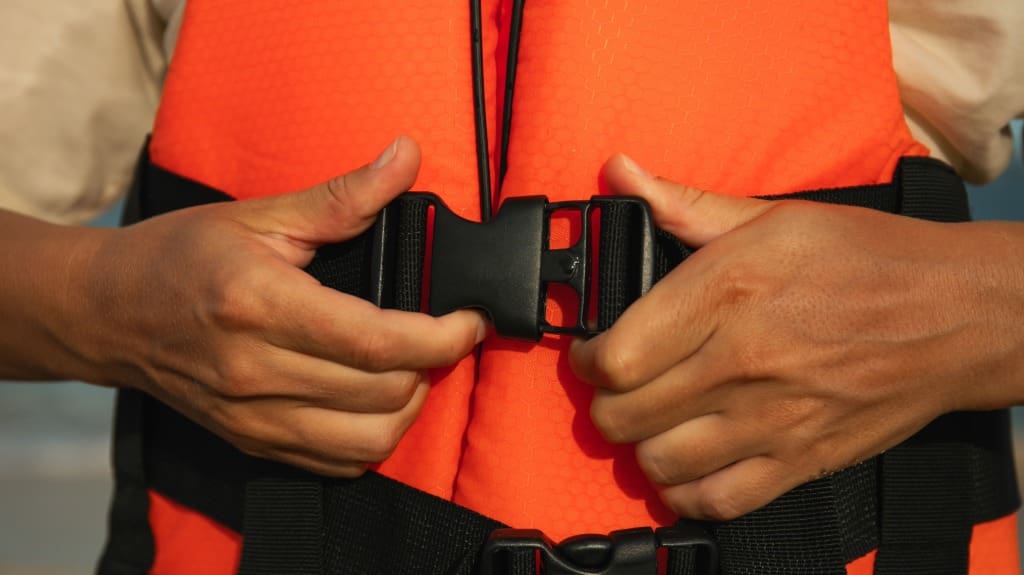

Group Safety Protocols: Paddling With Others Safely
Pick a leader and a sweep before you shove off, agree on a simple route and meet points, and confirm fitted PFDs, whistles, spare paddle and throw line locations so everyone knows who grabs what first, then set a staggered formation with voice‑range spacing (about...

Emergency Communication Plans: What to Do When Things Go Wrong
When things go wrong on a paddle trip, stay calm and follow your plan: check safety (people, injuries, cold), signal with whistle/VHF or PLB, call your shore lead with exact GPS, and move to shelter if needed; you should carry redundant comms (VHF, satellite...

First Aid for Paddlers: Building Your On-Water Medical Kit
You’ll want a compact, waterproof kit you can reach from your PFD, with steri‑strips and Tegaderm for small cuts, 4x4 gauze and a 5x9 abdominal pad for heavy bleeding, rolled gauze and 3"/4" elastic tensors for pressure and support, duct tape and benzoin for wet...
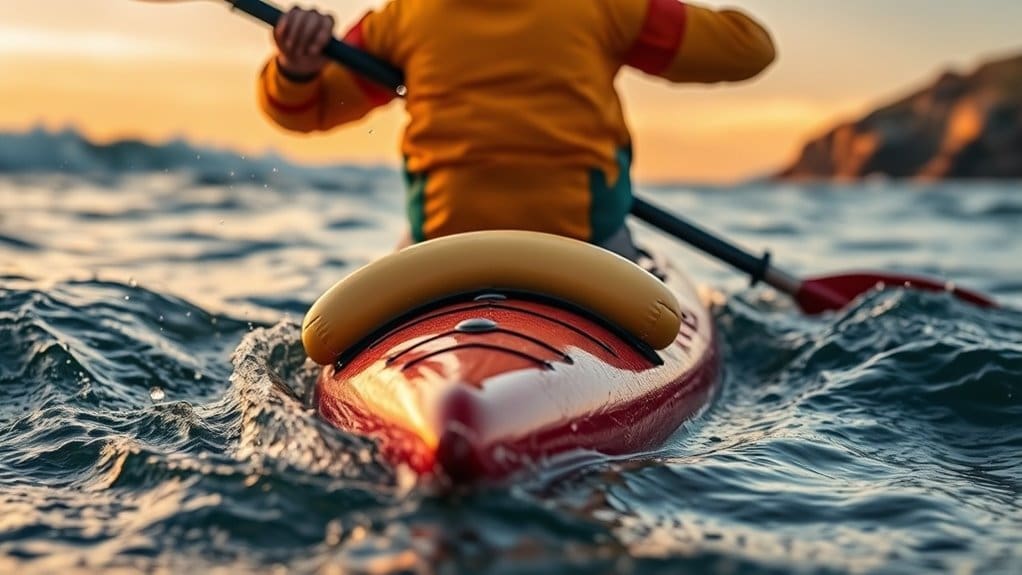
Deep Water Re-Entry: Mastering the Paddle Float Rescue
You’ll want a compact high‑buoyancy paddle float, a spare foam float or tape, a small high‑volume pump, stirrup or rope loop, PFD and throw bag, and a whistle or VHF, and you’ll use them in a calm, practiced sequence: hold the kayak, hook a knee in the cockpit, secure...

Anchor Systems Explained: Staying Put in Winter Currents
Pick the right anchor for the bottom—helix screws into rock or mixed sand‑gravel, mushroom shapes hold in soft mud, Danforth flukes bite sand, and stockless wedges keep big boats steady—then use a heavy chain or hybrid rode with at least a 7:1 scope so the pull stays...

Navigation Basics: Map and Compass Skills for Paddlers
You’ll want a clear waterproof chart or topo, a baseplate (orienteering) compass and a handy deck/marine compass, plus a pencil and wristwatch, and keep electronics as backups, not sole guides. First orient your map to north, check local declination, then practice...

Self-Rescue in Cold Water: Techniques That Save Lives
If you fall into cold water, stay calm and control your breath—cover your mouth, tilt your head back, force slow pursed‑lip exhales for about a minute—keep your clothes and lifejacket on to float and trap air, get horizontal with short steady kicks toward the nearest...

Practicing Your Roll in the Pool: Indoor Winter Training
You’ll make faster, safer progress in a warm pool where you can repeat hip‑snap drills, try paddle and hand rolls, and get quick coach feedback without cold, waves, or fear, so bring a skirt, PFD, neoprene shorty or vest, booties, towel, spare gloves, noseplug or...

Cold Water Shock: Understanding the First Minute of Immersion
If you fall into cold water you'll get a near‑instant gasp, frantic rapid breathing, and a big spike in heart rate that can make you lose breath control or even trigger a dangerous heart rhythm, so your first move is to keep your airway clear, stay still, force slow,...
If you're wondering... We're not doctors, electricians, software engineers, or safety experts (just caffeinated humans doing our best), so always trust your own instincts and consult with professionals when needed. And yes, most all of the links you'll find here are affiliate links, which means we might earn a small commission if you make a purchase – it's just one of the ways we keep the lights on and the coffee brewing so we can keep bringing you helpful content. Thanks for supporting our little corner of the internet!