Getting Started Kayaking
Welcome to your kayaking journey! If you're feeling both excited and a bit overwhelmed, you're in exactly the right place. This section is designed specifically for you... the curious beginner ready to dip your paddle into this incredible sport. Whether you're drawn to peaceful lake exploration, coastal adventures, or rushing whitewater, every expert paddler started exactly where you are now. Here, you'll find straightforward guidance on choosing your first kayak, understanding essential safety equipment, mastering basic techniques, and building the confidence you need to get on the water. We'll help you navigate the terminology, prepare physically, budget wisely, and discover launch sites near you. Let's transform your curiosity into capability, one paddle stroke at a time.
Essential Safety Gear: Must-Have Equipment for Every Paddler
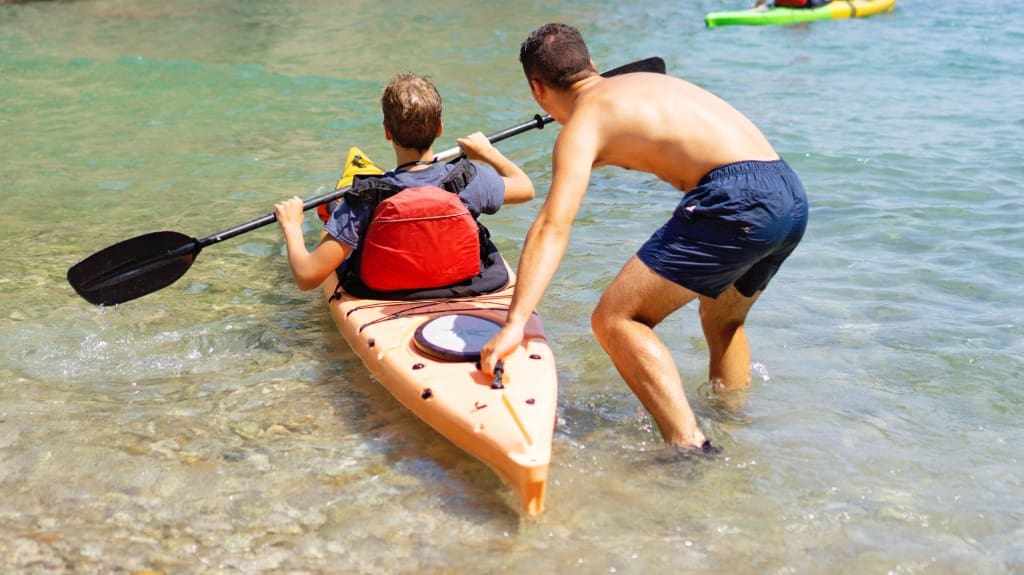
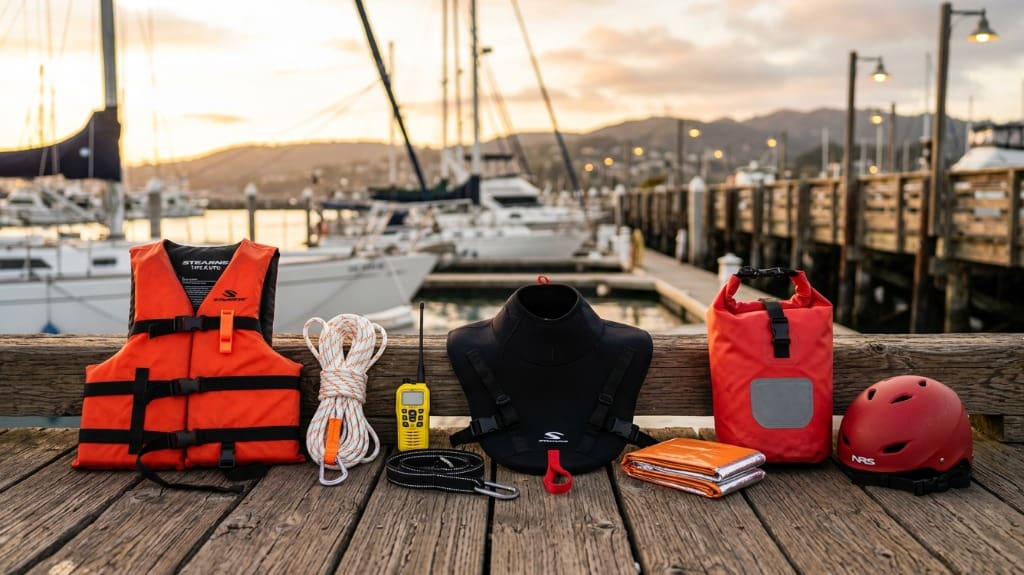
You should always wear a USCG‑approved PFD that fits snugly—have someone lift the shoulder straps and make sure it won’t slip over your head—and clip on a whistle, knife sheath, and light. Bring an impact helmet for rocky rivers or surf, a paddle leash, and a paddle...

Understanding Water Conditions: Reading Rivers, Lakes, and Oceans
You’ll check wind forecasts and a handheld anemometer, watch for gusts and shifts, and scan the horizon for swell or cloud changes, then read surface clues like short ripples for light wind, choppy ripples for rough water, foam lines or debris for currents, and slick...
Choosing Your First Paddle: Length, Material, and Blade Design
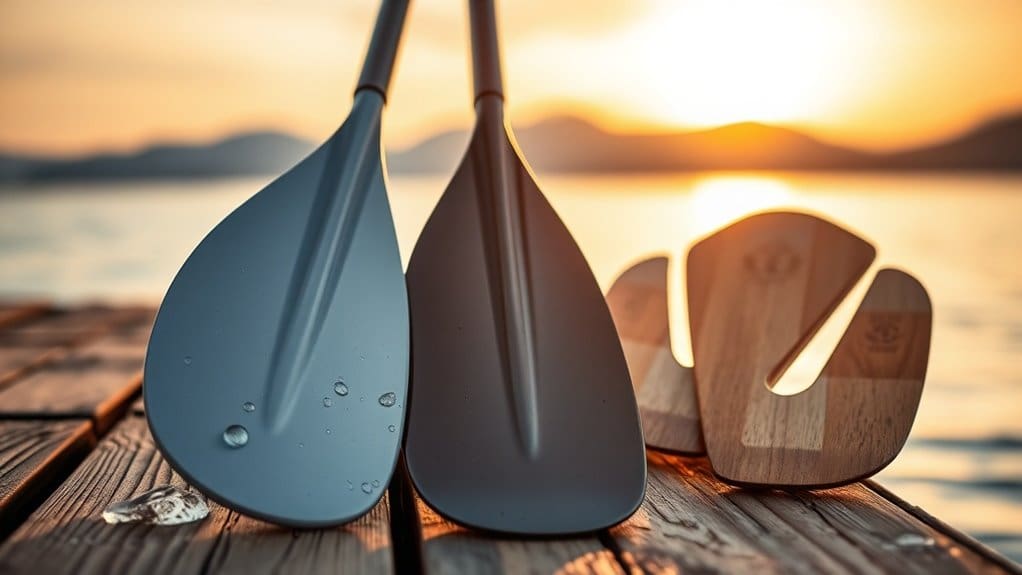
Pick a paddle by measuring your height and your kayak’s widest point, then choose a length that matches the hull width and your stroke angle—longer for low‑angle cruising, shorter for high‑angle power—try two lengths on water for 10–15 minutes each, and add or...

Budget Planning: What Your First Year of Kayaking Really Costs
You can get paddling this year without surprises if you plan: expect $400–$1,200 for a kayak (used vs new), add $50–$200 for a paddle and PFD, and $50–$400 for racks or foam blocks, then budget ongoing insurance, storage and about 5–10% yearly for repairs; rentals or...

Physical Fitness for Kayaking: Winter Training Routines
You’ll keep your stroke crisp this winter by doing short, paddle‑specific sessions: warm up with paddle‑mimic moves and light cardio, add daily thoracic and hip mobility, two weekly rotator‑cuff and scapular drills, twice‑weekly single‑leg and posterior‑chain...

Kayaking Terminology: Essential Words Every Beginner Should Know
You’ll want to learn a few key words so you stay safe and confident on moving water: PFD (a snug life jacket), spray skirt (keeps water out of a kayak), throw bag (a rescue rope you can toss), bulkheads or float bags (keep a swamped boat afloat), and basic strokes...
Understanding Kayak Dimensions: Length, Width, and What They Mean
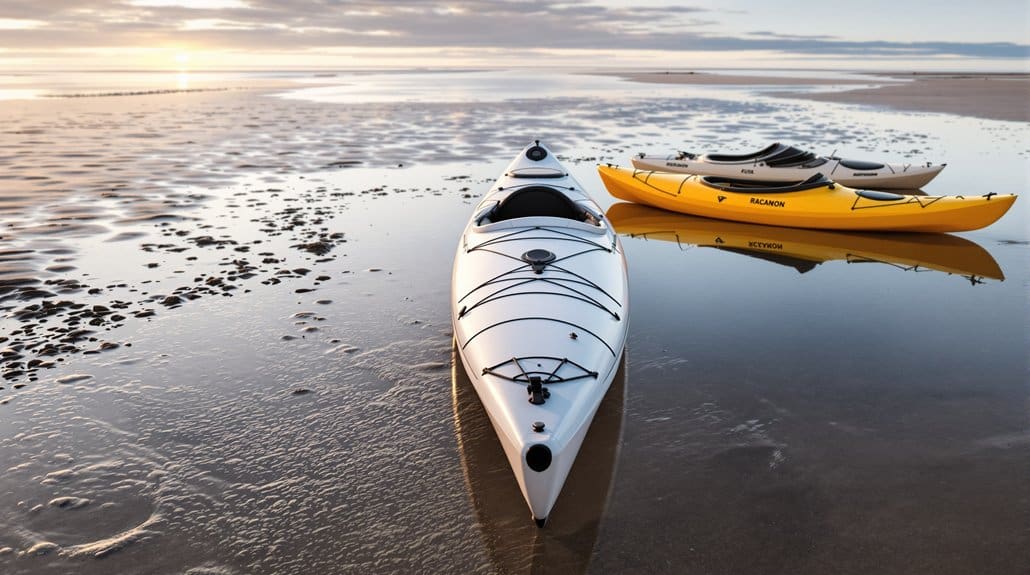
You’ll want to match length, width, and volume to your trips and body: longer kayaks (14–17 ft) glide faster and track straight for open water and long miles, mid‑length boats (12–14 ft) balance speed and maneuvering for day tours, and short boats (6–10 ft) turn quick...

Your First Kayak Purchase: New vs. Used This Season
You’ll usually save money and learn faster by buying a well‑inspected used kayak about 50–60% of new retail, especially if you’re okay fixing small dings, checking sealed bulkheads, testing the seat, footbraces, and skeg/rudder, and budget $50–200 for outfitting, but...

Dreaming of Warmer Days: Why Winter Is Perfect for Kayak Research
Winter’s great for kayak planning because you’ll save money on flights and campsites, scout calm put‑ins by satellite, and try layers and safety gear in controlled outings before spring; pick a trip type (day, multi‑day, expedition), test a drysuit or pogies on flat...
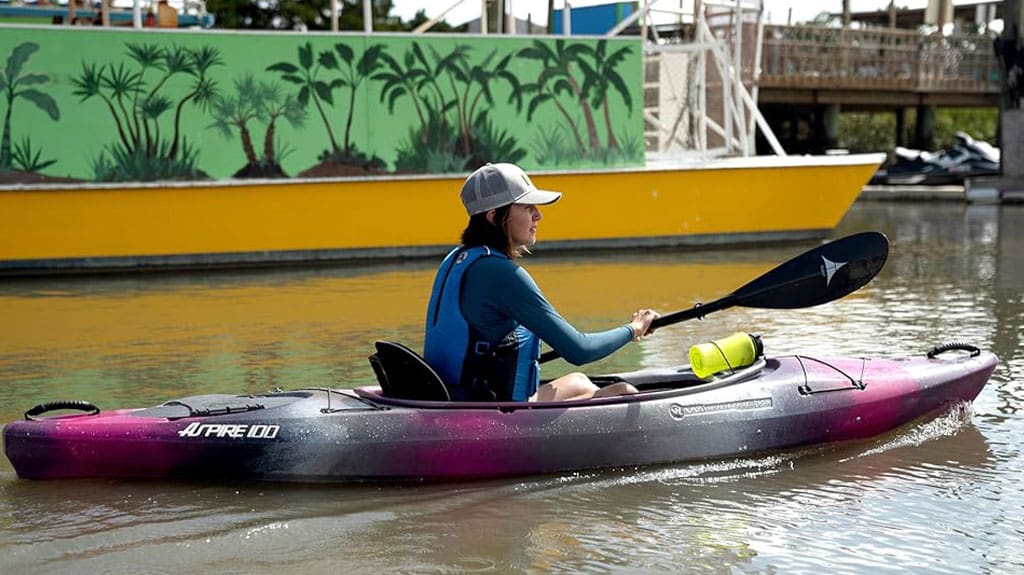
How to Choose the Best Kayak for Beginners
Choosing the right kayak as a beginner is crucial for your enjoyment and safety on the water. With so many options available, understanding what to look for can help you make an informed decision. This guide will not only simplify the selection process but also ensure...
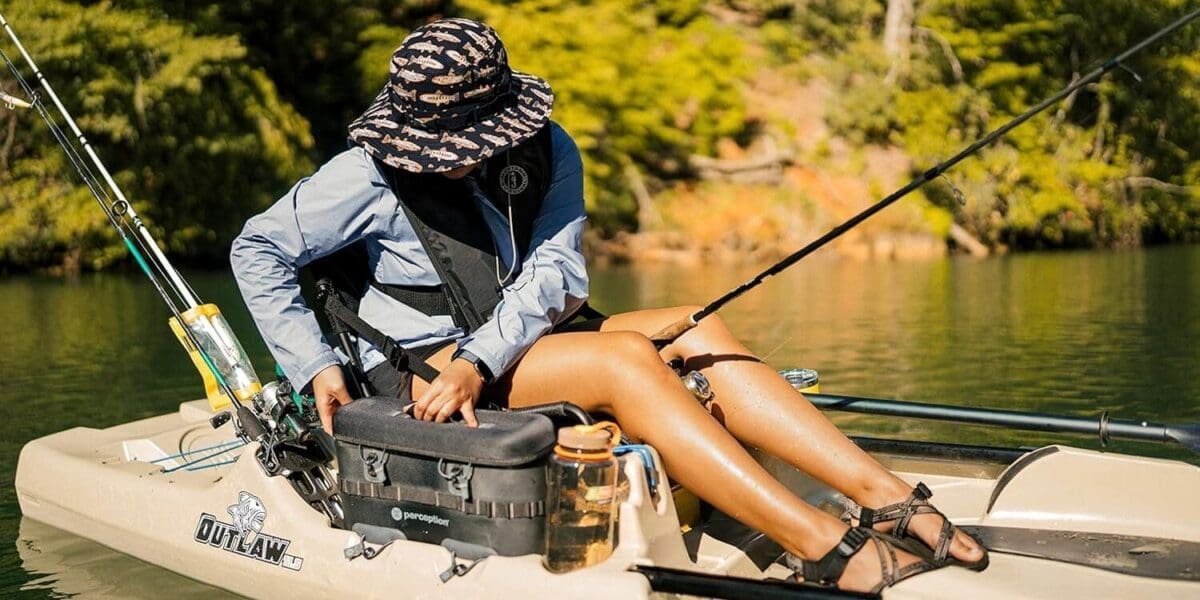
Unlock Fishing Adventures: Master Kayak Angling Now
Discover a world of thrilling fishing adventures and master the art of kayak angling now! Maneuver stealthily through tight waterways, access remote fishing spots, and immerse yourself in serene settings surrounded by untouched beauty. Add an element of adventure,...
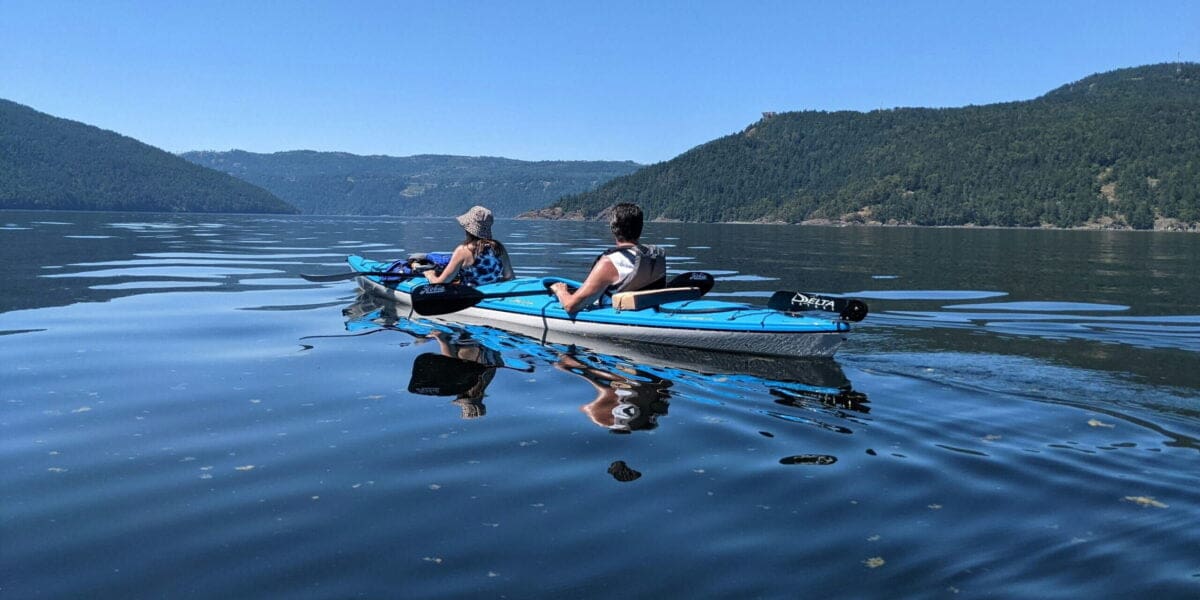
Enhance Kayak Tracking: Rudders Vs. Skegs
Enhance your kayak tracking by considering rudders and skegs. Skegs help balance forces and stabilize your kayak in windy or strong current conditions, adjusting depth for improved tracking. On the other hand, rudders excel in maneuverability, allowing precise...
If you're wondering... We're not doctors, electricians, software engineers, or safety experts (just caffeinated humans doing our best), so always trust your own instincts and consult with professionals when needed. And yes, most all of the links you'll find here are affiliate links, which means we might earn a small commission if you make a purchase – it's just one of the ways we keep the lights on and the coffee brewing so we can keep bringing you helpful content. Thanks for supporting our little corner of the internet!