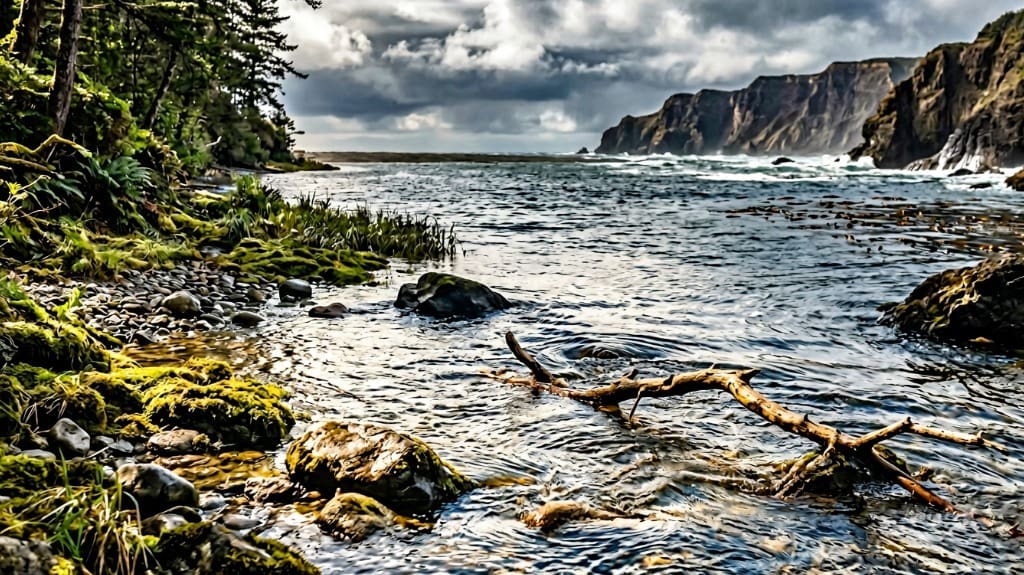
You’ll check wind forecasts and a handheld anemometer, watch for gusts and shifts, and scan the horizon for swell or cloud changes, then read surface clues like short ripples for light wind, choppy ripples for rough water, foam lines or debris for currents, and slick patches or eddies to rest or brace; pick a launch with easy exits, wear a PFD, dress for water temperature, carry whistle and radio, plan slack‑tide crossings, and keep reassessing every 5–10 minutes to learn practical next steps.
Some Key Takeaways
- Check reliable local forecasts, buoys, and tide/current charts for wind, swell, and tidal timing before launching.
- Read surface patterns (foam lines, debris streaks, slicks) to identify currents, rips, eddies, and shear zones.
- Use paddle feel and blade resistance to detect flow speed changes, lateral pulls, and hidden eddies.
- Recognize wind effects: gusts, sea breezes, and funneling through channels that alter steering and balance.
- Plan routes and exits around constrictions, surf hazards, and peak tidal flows; time passages near slack tide.
Check the Wind: Direction, Strength, and Gusts
Before you head out, check a reliable local wind forecast—NOAA, buoy reports, or a trusted weather app—so you know the current wind speed, gusts, and direction, because gusts can jump 20–50% above the steady wind and change things fast. You’ll want to read wind patterns for the day, note if sea breezes or thermal shifts might reverse flow in the afternoon, and compare that to the route you plan, since onshore, offshore, and crosswinds each change how you steer and balance. Bring a hand-held meter or an app to confirm real-time wind speed and vector, pick gear that handles predicted gusts, and plan your return before winds build, adjusting launch points where channels or ridges could funnel stronger gusts. Also consider carrying a VHF marine radio to monitor local marine broadcasts and call for help if conditions suddenly deteriorate.
Read the Surface: Ripples, Chop, and Slick Patches
Look at the surface before you push off: small, regular ripples with short, even spacing mean light wind and steady conditions, so you can expect an easier paddle and plan a straightforward route. Watch for smooth, glassy slick patches and wind shadows behind rocks or boats, because they can hide submerged hazards or tell you where currents and shears are shifting, so steer around them or brace your stroke when you cross. If you spot sudden changes from calm to choppy water, check debris lines and ripple alignment to read the flow, shorten your route or gear up with a skirt and PFD, and approach those shifts with extra caution. Choosing an appropriate wetsuit helps you stay comfortable and safe in changing water conditions, especially for beginner kayakers.
Surface Ripple Clues
When you scan the water, let your eyes follow patterns more than colors, because ripples, chop, and slick patches tell you why the surface is moving and what you’ll feel on the board—short, choppy ripples close together mean wind chop and a rougher paddle, long, evenly spaced swells from far-off storms will roll you predictably with each set, slick, glassy patches often mark converging flows or damped waves where plankton or oil calm the surface, and narrow streaks of foam or debris running straight out usually warn of a rip current or shear zone that can pull you seaward; so first, pick a fixed point on shore to judge movement, second, read wavelength for wind chop versus swell waves or bottom-driven fringes, and third, skirt fast foam streaks, don’t paddle them alone, approach at an angle so you can see how they flow before committing through. Tide tables are a key planning tool for kayakers because they help predict current strength and timing for safer paddling, especially in tidal rivers and coastal areas with strong flows and eddies — check local tide tables before you launch.
Smooth Slick Patches
You’ve just been reading ripples and streaks, now shift your focus to those calm, glassy-looking patches that can sit right in the middle of choppy water, because they often mean something different is happening below the surface. When you spot a smooth slick patch, think surface currents meeting, an eddy boundary, or current shear that evens the top, while water below races or turns, and that calm can hide lateral pull or return flow. On bends, slicks collect sediment and hide inside-bank drag, along coasts they mark convergences where wind-driven transport clashes with tides, concentrating foam and weed. Don’t trust the shine, test with a pole or paddle for resistance, steer clear or brace, and carry a buoyant aid and simple radio. Practice these checks every trip to build water safety habits that reduce risk.
Inspect Incoming and Outgoing Flows: Currents, Channels, and Eddies
Start by watching how water enters and leaves the area, noting surface clues like foam lines, floating debris, or ripples that show flow direction and speed, and carry a simple paddle or pole to test current strength if you need to. Look for narrow funnels or gaps that speed water (channels and rips), circular zones behind rocks or piers that trap water (eddies), and places where fast and slow water meet, because that shear can pull you off balance or create hydraulic holes. Combine those observations with tide and wind info before you go in, stay near the shore until you understand the patterns, and if a spot looks constricted, fast, or oddly choppy, pick a safer entry or wait it out. For consistent planning and safety, consider monitoring river level gauges to understand how flows may change over time.
Inflow and Outflow Patterns
If you want to judge how water will move around you, watch what’s happening on the surface first—scan for lines of foam, floating sticks, or consistent ripples that show the main flow direction, because stuff moving steadily seaward means an outgoing current while debris drifting toward shore signals an incoming, or flood, flow; also check narrow gaps and channels where the water speeds up, since flows can concentrate and roughly double in those constrictions and even reach dangerous speeds near ~2 m/s in rip channels or tight straits. You’ll want to note where outflow funnels past rocks, or where a tidal flood pushes upriver, mark nearby channel constrictions on your map, time your passage near slack tide, and use eddies as brief rest spots. For kayakers carrying gear, consider deploying a drift sock to help control your drift and stabilize your position.
Channels, Eddies, and Shear
When you’re watching water around channels and headlands, pay attention to where flow narrows and where the fast stream peels off into quieter water, because those places make the difference between an easy ride and a sudden tug; look for lines of foam, sticks, or waves bending around rocks to spot the main current, note where water speeds between shoals or under bridges since channels can push past 2 m/s and grab your boat, and scan downstream of obstacles and bends for eddies—those calmer, circular backflows you can use to rest, regroup, or launch a controlled crossing. Expect shear at the edge of fast and slow water, watch for converging debris and reversed flow, pick your eddies to shelter, and plan crossings on slack or toward slower margins. Choose launch spots that offer easy access to eddies or sheltered margins and safe carry-to-water routes to reduce risk when entering or exiting the kayak from shore; consider marked launch site guides for recommended launch spots when scouting unfamiliar areas.
Know the Tide Schedule and Expected Tidal Range
Because tides drive how high the water gets and how fast it moves, you’ll want to check a local tide chart before you go out, note the predicted high and low times, and also look at the expected tidal range so you know how much water and current to expect; use NOAA or your regional service for exact times, remember spring tides around full and new moons give the biggest ranges while neaps give the smallest, and write down the predicted high and low so you can plan launches and landings around slack water near those times. Check the tidal range for your spot, estimate change rates with the rule of twelfths or tide curves, factor in wind, river flow, and depth, and aim to launch or land at slack water, avoiding narrow channels at peak ebb or flood where currents spike. Consider carrying waterproof marine charts to help confirm local features, depths, and launch points.
Spot Rip Currents and Safe Exit Points at the Shore
Start by scanning the surf line for clues you can read fast, because spotting a rip early gives you choices: look for a narrow, darker channel where waves aren’t breaking, or a streak of foam, seaweed, or floating trash moving steadily seaward, and watch for a telltale gap in the incoming wave pattern that makes the water look smoother—those are likely rip currents that can run as fast as 2 m/s, quicker than any swimmer. If you see one, don’t fight it head-on; float or tread to save energy, signal for help, and plan your exit toward the adjacent breaking wave zone or along the shore, don’t swim against it, and when you can, swim parallel to shore until you clear the narrow channel. Check tides and warnings first.
Identify Visible Hazards: Rocks, Sandbars, Logs, and Debris
When you’re scanning the water, watch for changes in color and texture—darker patches, sudden breaks in wave patterns, or lines of breaking waves can mean hidden rocks or shallow sandbars, so don’t assume smooth water is safe. Check downstream bends, behind piers, and along shorelines for exposed or partially submerged logs, tree mats, and floating debris that can snag a paddle or trap a swimmer, and carry a throw line, knife, and a whistle so you can act fast if someone’s caught. Use fixed landmarks and a tide chart to judge whether those hazards will be exposed or submerged at your planned time, and if you’re unsure, stop, measure depth with a paddle, or choose a different route.
Hidden Rocks Nearby
Trust your eyes and slow down as you come close to unfamiliar shorelines or river bends, because subtle surface clues often give away hidden rocks, sandbars, logs, or other debris that can foul a prop or flip a small boat. Watch for breaking waves, sudden shifts in ripple patterns, or darker patches that signal submerged rocks, and note foam lines that converge or speed up where sandbars and rip currents form, since those narrow channels hide surprises. In rivers look for riffles, whitewater, or abrupt shallowing that mean boulders or ledges; use shoreline slope, exposed bedrock, tide charts, and landmarks to judge depth changes. First, reduce speed, pick a safer line, and carry a depth gauge plus a reliable map.
Floating And Submerged Debris
You’ve already been scanning for hidden rocks along shorelines and bends, and the same careful eye will serve you when spotting floating and submerged debris, because those visible clues often tell you what’s lurking below; watch for lines of foam, sudden changes in ripple patterns, patches of darker water or discolored plumes, and bands of seaweed or debris that mark shallow sandbars or submerged ledges, and slow down so you can pick a safer line, keep an eye on converging flows or calm backwater behind midstream rocks in rivers, and avoid clusters of floating wood or mats that usually hide sunken logs. Stay alert for floating debris, tan streaks that point to a submerged rock, and ripple breaks over sandbars, steer wide, reduce speed, and if you paddle, carry a throw bag and wear a snug PFD, scan ahead, pick a clear channel, and don’t be shy about landing to check the bottom when in doubt.
Evaluate Water Temperature and Hypothermia Risk
Awareness matters: water cools your body about 25 times faster than air, so a calm 15°C (59°F) swim can wear you down and lead to hypothermia much faster than that same air temp would suggest, which means you should treat water temperature as a primary risk factor and act accordingly. You’ll watch thermometer readings, estimate exposure time, and accept that cold shock can hit in the first minute, so you’ll ease in, control breathing, and keep a flotation device handy. Know hypothermia zones—mild can set in within 1–2 hours in 10–15°C water—so wear a wetsuit or drysuit when you plan longer outings, pack warm, dry clothing, prioritize insulation and flotation, and plan for delayed rescue.
Judge Water Clarity and Underwater Obstacles
When you’re sizing up a new stretch of water, start by looking into it and asking simple questions—how far down can you see, are there sudden color changes or foam lines, and do wave patterns break oddly near the shore? You’ll judge water clarity by sight, knowing clear lakes often show 1–3 meters down while coastal or turbid rivers might hide less than 0.5 m, and you’ll watch surface clues like ripples, color shifts, foam lines, or odd breaking waves that hint at rocks, bars, or drop-offs. If you carry a white paddle blade or retrieval pole, dip it to feel for deflection or resistance, stay cautious after heavy rain when turbidity and hidden debris rise, and favor routes with clean sightlines.
Use Local Forecasts and Tide/Current Charts Before Launch
Before you push off, check the local forecasts and tide/current charts so you’re not surprised by what’s moving under your boat; look up predicted high and low tides, flood and ebb times for your launch spot, and note whether it’s a spring tide (big range, fast currents around new and full moons) or a neap tide (smaller range, weaker flows), then compare those predictions to real‑time data from nearby buoys or tide gauges to catch sudden shifts from storms or river runoff. You want freedom on the water, but smart freedom means checking tide tables and local marine forecasts, scanning real‑time buoy data for surprises, and asking harbor staff or paddlers about tricky channels, swift races, or favored launch windows, so you head out with a plan, not a problem.
Choose Gear for Conditions: Board, Leash, PFD, and Clothing
You checked the tides and forecasts, now pick kit that matches what the water will do so you’re not surprised once you’re out there: pick a wide, stable board or inflatable (about 32″ or wider) if you expect choppy coastal water or surf, or grab a narrower, longer touring board (30″ or less) for calm lakes and speedy, straight tracking, and match your leash to the setting—coiled and short for surf to cut entanglement risk, straight and longer or a quick‑release hip/belt style for flat water or gentle rivers. Wear a U.S. Coast Guard–approved personal flotation device every outing, think inflatable for comfort on long days, and don a wetsuit when water’s under about 60°F to avoid hypothermia. Carry a whistle, leash knife or multi‑tool, waterproof comms, and navigation aids, and dress for water, not air.
Plan an Exit Strategy and Conservative Route for Beginners
Since you’re likely still finding your balance and reading the water, pick a route that’s easy to get off of and back to, staying within sight of shore and in water you could stand in if you fell, about waist to chest deep (roughly 1–1.5 m); scan the coast or riverbank for wide, gently sloping beaches, docks with low edges, or riverbanks without undercut ledges as your regular exit points, and plan to reach one every 100–200 meters on open water (much closer on rivers). You’ll want to stay within sight of shore, plan exits at regular intervals, and check tide charts and current forecasts before you go, factor wind so the return’s with the breeze when possible, tell someone your route, wear a PFD and carry a waterproof comms device.
Practice Ongoing Checks: What to Monitor While Paddling
Start by making quick, regular checks—every 5–10 minutes—so you don’t get surprised, and treat the water like it’s telling you a story: look for foam lines, floating debris, or sudden changes in chop that show where currents are running, feel the paddle blade for extra resistance that hints you’re hitting a fast flow or an eddy, and keep an eye on wind shifts because a gust can change surface drift and turn a calm return into a slog. Keep watching surface indicators, scan the horizon for swell or clouds, and compare what you feel to landmarks so you know where calmer eddies hide for rests, check wind speed and gusts with a small hand anemometer or app, and consult tidal charts and buoy reports before and during your trip.
Some Questions Answered
What Is the Difference Between Rivers, Lakes, and Oceans?
Rivers flow, you’ll notice moving water, strong current, and river ecology that drives downstream transport, so check flow, wear a life jacket, and scout eddies before you enter. Lakes sit still, you’ll watch lake stratification in summer with warm surface water and cool depths, so test temperature, bring a depth finder, and avoid sudden drop-offs. Oceans are vast and salty, expect coastal freshwater mixing, tides and big currents, so respect surf and plan exits.
How Do You Read the Tides?
You read tides by checking tidal charts and moon phases, watching steady water rise or fall, and noting debris or foam to see flood or ebb, then factor estuary mixing where river water blurs patterns; carry a local tide table, a phone with charts, and a handheld compass, time entries for slack water near high or low tide, and always mark landmarks so you can return, stay aware of currents, and don’t push your luck.
What Are the 5 Major Ocean Currents?
The five major ocean currents are the North Atlantic, South Atlantic, North Pacific, South Pacific, and Indian Ocean gyres, each driven by wind, Ekman transport near the surface, and deeper thermohaline circulation, and linked by strong boundary currents like the Gulf Stream, Brazil Current, Kuroshio, East Australian Current, and Agulhas; you’ll watch surface drift, carry a map and current chart, check wind and temp, and plan routes that use or avoid those flows.
Why Is 80% of the Ocean Unexplored?
You’re facing Deep Trenches, Biological Darkness, and Technological Limits, so 80% stays unexplored because it’s vast, crushingly deep, dark and cold, and costly to reach, so you’ll need better submersibles, more sensors, and long-term funding. Start by learning remote sensing basics, support open AUV/Argo projects, carry portable water-sampling kits for local trips, practice data logging, and join community science groups, so you can help map unseen places step by step.


