You can get paddling this year without surprises if you plan: expect $400–$1,200 for a kayak (used vs new), add $50–$200 for a paddle and PFD, and $50–$400 for racks or foam blocks, then budget ongoing insurance, storage and about 5–10% yearly for repairs; rentals or lessons add fees, high-end setups cost more, and transport fuel matters—start by choosing a hull that fits your goals, buy a well‑fitting PFD, and keep a modest buffer to cover surprises if you want details.
Some Key Takeaways
- Expect a realistic first-year budget of $400–$1,200 for a kayak plus $150–800 for essential accessories and transport.
- Choose between new ($800–$1,200) and used ($400–$700) to control upfront cost and longevity.
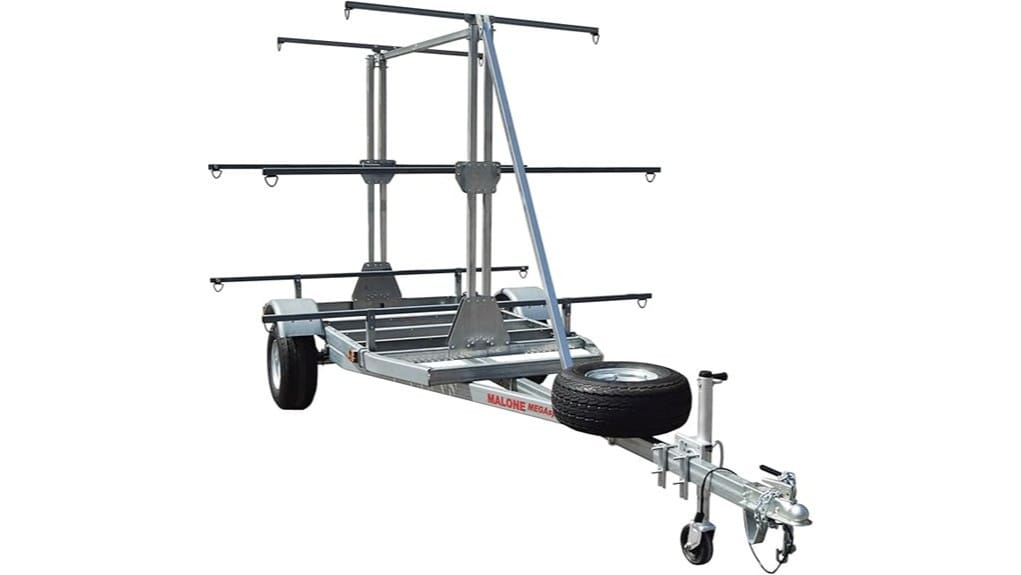
- Factor one-time transport and mounting costs: $50–$400 for foam blocks or basic racks, more for full systems.
- Plan ongoing annual costs: maintenance (~5–10% of kayak price), storage $100–$600, and occasional fuel/transport $10–$30 per outing.
- For frequent use or specialty gear (fishing/electronics), budget $1,500–$5,000+ and consider insurance or liability coverage.
First-Year Total and Quick Budget Summary (What to Expect to Spend)
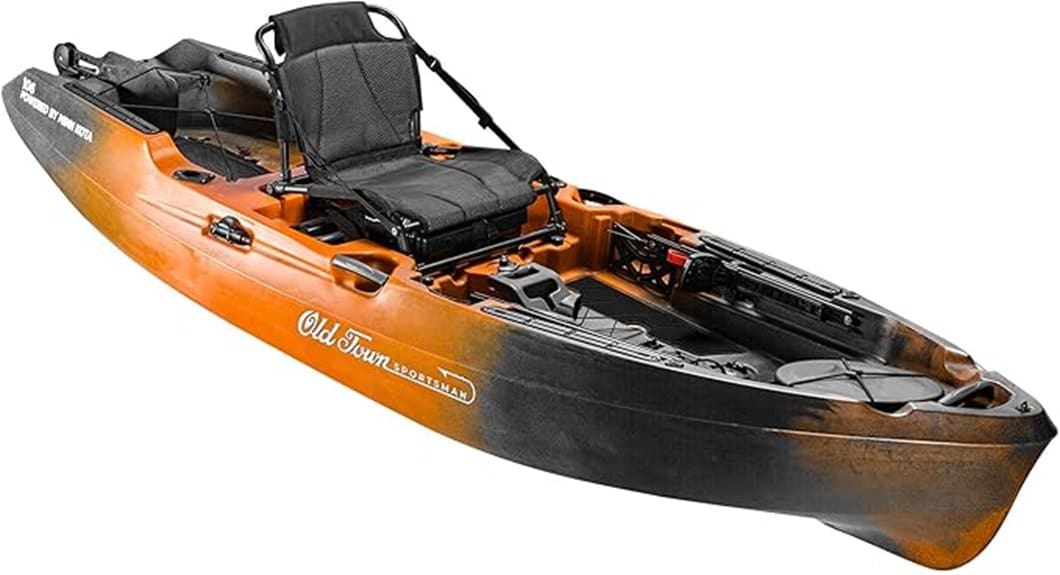
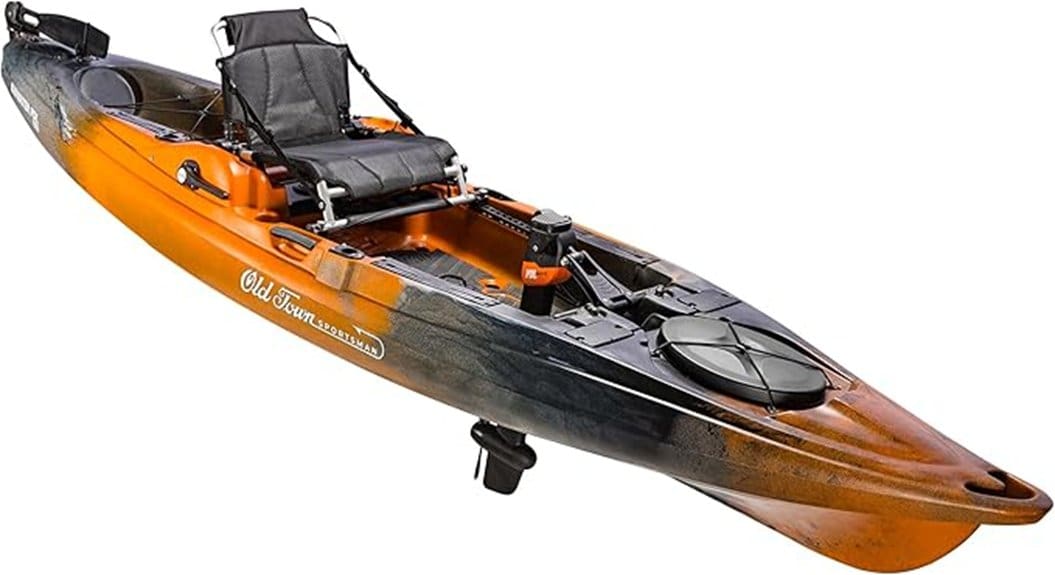
Start by thinking in ranges, not exact numbers, because what you spend in year one depends on how often you’ll go, how new you want things to be, and whether you already have transport gear; plan on roughly $800–$1,200 if you buy a new quality recreational kayak with the essentials—paddle, PFD (personal flotation device), and a dry bag—or about $400–$700 if you’re willing to buy used for the boat and keep the rest basic, and if you’re only renting for occasional afternoons at $30–$50 a pop you’ll hit break-even after just a few rentals; don’t forget one-time extras like a roof rack or storage (which can run $50–$400 or more and sometimes cost more than the kayak itself), plus taxes and shipping when you order online, and if you want higher-end, specialty, or fishing gear expect to push toward $1,500–$5,000+ with electronics and ongoing maintenance—so start by deciding how often you’ll paddle and whether you want new or used, set a realistic starter budget in one of those ranges, and prioritize a good-fitting PFD and decent paddle first, then add transport and comfort items as you go. Beginners should also plan to acquire basic safety and comfort items early, like a whistle, bilge pump, and spray skirt for added protection and convenience (Essential Gear).
One-Time Startup Costs: Kayak, Transport, Safety Gear, and Setup
You’ve got a feel for the overall budget now, so let’s look at the one-time buys that make paddling possible: the kayak itself, something to get it to the water, and the safety gear you’ll actually wear. You’ll need to decide whether to buy a kayak new, around $800–$1,200 with basic accessories, or hunt used for $400–$600 to save cash, and don’t forget taxes or shipping. Add a paddle ($50–$100) and a comfy legal PFD ($20–$50), plus Dry Bags for gear. If you need transport, expect $50–$400 for racks or foam blocks, more for a full rack system. Start with safety and fit, test before you buy, and carry only what you trust. Consider buying an all-in-one starter package from an Essential Gear provider to simplify choices and ensure compatibility.
Ongoing Annual and Monthly Costs: Insurance, Maintenance, Storage, and Taxes
Keeping kayaking affordable over the long haul means paying attention to a few steady costs you can’t ignore, so let’s walk through the big ones you’ll want to budget for first: insurance, maintenance, storage, and taxes. You’ll want at least $3,200 yearly if you run group outings or rentals, that covers guest and craft liability, and it keeps your freedom to host without constant worry. Expect maintenance to run 15–25% of your usage revenue or personal estimate for kayaks, replacing parts and PFD replacements as needed, and don’t forget operating costs like seasonal water and electricity if you keep gear on-site. For storage, plan $100–$600 a year for a unit or a sensible $300–$1,200 hobby reserve, and factor in property taxes where they apply. Don’t forget to include at least one set of essential safety gear like a throw bag and spare PFD in your basic kit, especially when paddling with others or running rentals, as Essential Safety Gear helps reduce risk and liability.
Variable Costs by Usage: Fuel/Transport, Repairs, Accessories, and Demo/Lesson Fees
When you plan trips, expect your costs to flex with how often and how far you paddle, so think about fuel and transport first—local short drives usually tack on $10–$30 per outing for gas, while long drives or towing a trailer can blow that up into a much bigger monthly bill, and you’ll want to track miles so you can spot when it’s worth carpooling, renting a truck, or switching to a lighter cart or roof rack to save fuel. Factor in repairs/maintenance as a use-based line item, roughly 5–10% of your kayak price yearly for patches and seals, plus accessories replacement like paddle/PFD and roof racks that often cost $150–$800 first year, remember demo lessons and private clinics, and watch shipping/permits and consumables. Consider investing in durable kayak cart wheels to make launches easier and reduce wear on your kayak and vehicle over time.
How to Build a 12-Month Cash Plan: Runway, Buffers, and Cost-Cutting Levers
If you want to make your cash last the year, start by treating the business like a long trip and map out a 12-month runway: multiply your bare-bones monthly operating cost of $85,792 by 12 to set a $1,029,504 target, then work backward to secure the critical $777,000 buffer that has to be in place by June 2026 to cover CapEx, fleet buys, and near-term payroll and lease needs before revenue ramps. You’ll model fixed overhead — lease, taxes, other fixed costs totaling about $44,000 — while treating variable costs as a share of revenue, run sensitivity tests for ±25% shocks to see break-even room-nights, and use cost-cutting levers: negotiate lease or taxes, freeze hires, trim payroll hours, shift bookings off high-commission OTAs, and defer noncritical CapEx.
Some Questions Answered
What Is the 120 Rule for Kayaking?
The 120 Rule says you keep your first, low-commitment kayak outing under $120, so you try paddling with cheap rentals or inflatables, check paddle length for fit, note boat stability, and skip big buys. You’ll focus on launch etiquette, weather forecasting, water currents, pack weight, and basic gear maintenance, then decide: if you’ll paddle more, trade the rule for a used boat and smarter long-term gear choices.
How Much Does It Cost to Start Kayaking?
You’ll spend about $300–$1,200 to start kayaking, depending on gear choices, and you’ll want beginner accessories like a paddle, PFD (safety gear), dry bag, plus storage solutions such as a roof rack or cart, and budget for kayak maintenance, paddling lessons, local regulations fees, and a basic safety kit, which keeps resale value higher; try renting first, take lessons, and buy quality to avoid quick upgrades.
What Are the Three Golden Rules of Kayaking?
The three golden rules are: prioritize safety, master skills, and match gear to conditions. You’ll focus on stroke technique and paddling posture first, practice rescue skills and boat handling until they’re reflex, and learn river reading and safety etiquette so you pick routes you can handle. Make sure gear fit is right, carry a PFD, phone or VHF, paddle float and pump, and always tell someone your plan before you launch.
What Time of Year Are Kayaks the Cheapest?
Late fall through winter, you’ll find kayaks cheapest, during seasonal sales, holiday markdowns and end of season clearance inventory, when retailers clear stock and dealers offer demo bargains. Watch November–January for winter discounts and off‑season rentals and trade‑ins, check local listings for lightly used boats, and avoid spring promotions when prices rise; be ready to compare specs, factor shipping and taxes, and test paddle before you buy.