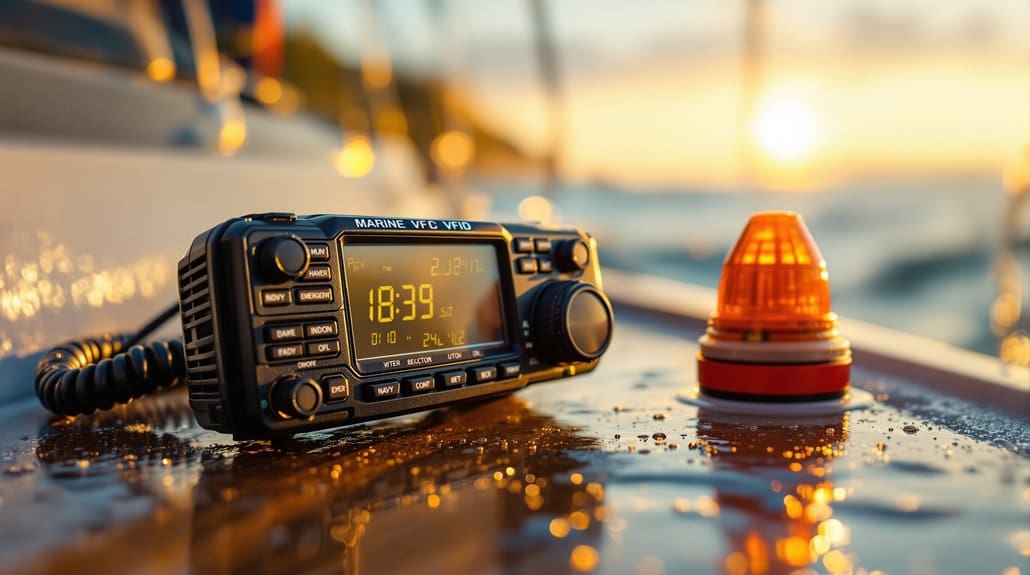

You should carry a waterproof, floating handheld VHF clipped to your PFD for nearshore hails and emergencies, plus a satellite-capable PLB or two‑way messenger for beyond VHF/cell range, so you’re covered whether the Coast Guard or satellites need to find you; pick models with GPS or DSC/MMSI support, register devices, keep batteries charged and spares, practice a MAYDAY call on Channel 16, and test links periodically — keep going and you’ll learn setup, antenna tips, and when to add fixed radios.
Some Key Takeaways
- Use a waterproof, floating handheld VHF as your primary nearshore radio and carry it clipped to your PFD for quick access.
- For longer-range or offshore trips, combine a fixed‑mount DSC VHF (with GPS/MMSI) and a waterproof handheld backup.
- Carry a registered EPIRB or PLB (satellite-capable) to alert rescue services globally with an accurate position fix.
- Keep batteries charged and spare power available; replace EPIRB/PLB batteries by expiry and test devices per manufacturers.
- Practice VHF calling (Channel 16/MAYDAY and DSC) and confirm DSC/GPS linkage and beacon registrations before departure.
Choosing the Right Communication Mix for Remote Paddling
If you’re heading out beyond a quick paddle from shore, start by thinking in layers: carry a waterproof VHF handheld as your primary radio because the Coast Guard monitors those channels and you can both call for help and listen to NOAA weather updates, but also bring a satellite-capable locator—either a Personal Locator Beacon (PLB) or an EPIRB—so you can get long-range rescue when VHF and cell won’t reach, and make sure any VHF you use has DSC or is paired with a DSC-equipped unit and registered with an MMSI so a single distress press can send your identity and, if hooked to GPS, your exact position; don’t rely on your phone offshore, test and keep batteries and registrations current, and practice the simple checks and drills your devices’ manuals recommend so when the unexpected happens you’ll know which button to push and why.
You’ll want a VHF Marine model that’s waterproof, floats if dropped, and clearly labeled for channel use, check DSC capability, register an MMSI, carry a PLB or EPIRB for satellite reach, swap batteries before multi-day trips, and run device tests as the manuals suggest so you stay independent and ready.
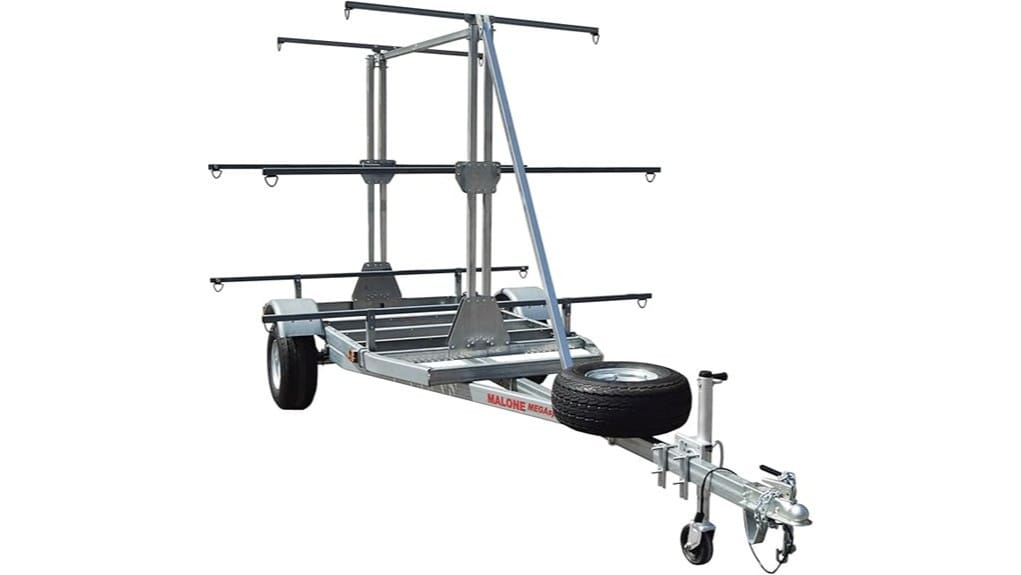
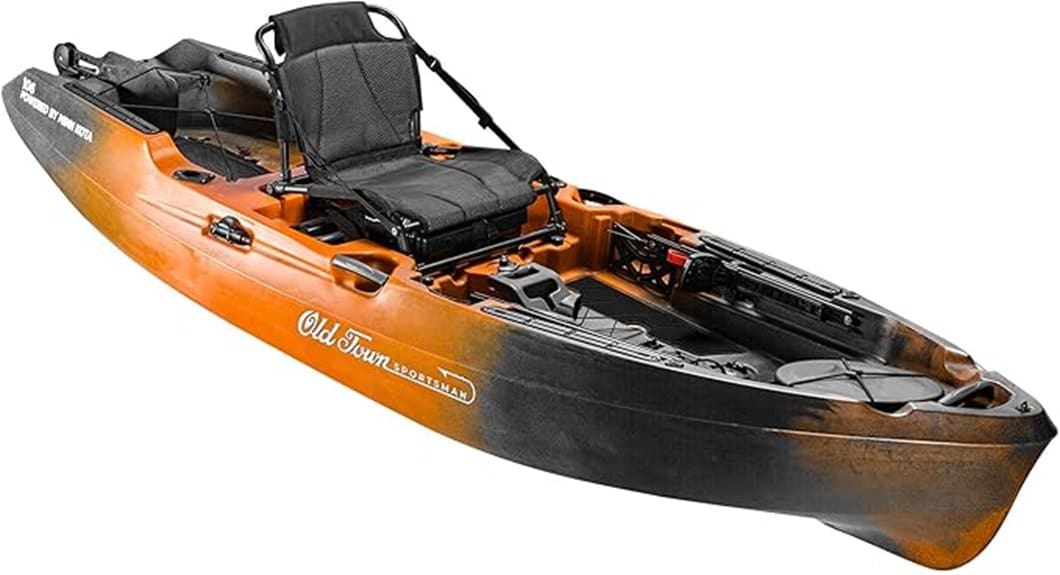
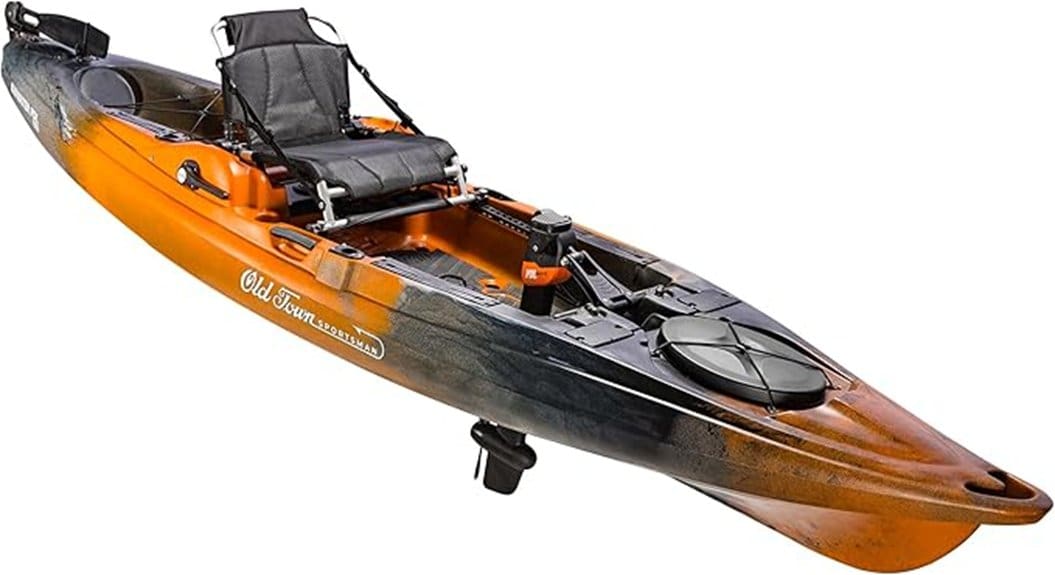
Also consider choosing gear and accessories specifically designed for paddlers and outdoor enthusiasts, such as kayaks and other products that integrate well with VHF marine radios.
Why VHF Radios Still Matter on Kayaks and SUPs
You’ll want a waterproof hand-held VHF on your kayak or SUP because it gives short-range, line-of-sight reliability when a cell signal can’t be counted on, so look for a model with good battery life and a removable antenna you can stow. Make sure it has DSC paired with an MMSI and, if possible, an internal or connected GPS so one button sends your position to nearby boats and shore stations, and tune in NOAA weather broadcasts while you paddle to catch fast-changing conditions. In an emergency, call Channel 16, use the DSC distress, and if you need help, remember tow services and the Coast Guard can pick up VHF signals and even help locate you—so carry it on your deck in a dry bag or clipped so it’s ready, practice the calls, and check batteries before every trip. For extended trips and added safety consider pairing your VHF with an emergency beacon to ensure help can be found even when out of VHF range.
Short-Range Reliability
Almost always, bringing a handheld VHF on a kayak or SUP is the single smartest bit of safety gear you can carry, because it lets you call for help directly on marine channels that the Coast Guard and nearby boats monitor 24/7, so when you’re drifting or swamped you can get immediate coordination instead of hoping your cell works. Treat a marine radio as your primary short-range lifeline: pick a waterproof, floating handheld with 15–25 mile range, enable DSC and register an MMSI so one button sends your position if paired to GPS, and keep it on a quick-access tether. Test it before launch, store it in a reachable drybag, and practice a MAYDAY and hailing technique so you act fast, calm, and effective. Consider pairing your radio with a portable power bank from a reputable outdoor supplier to ensure it stays charged on longer trips and emergencies, especially when you’re away from shore and emergency power is limited.
Emergency Signaling Options
When you're planning a day on a kayak or SUP, think of emergency signaling like a layered safety plan: carry a handheld VHF as your go-to for nearshore trouble, but also bring a long-range beacon or satellite device for situations that put you out of VHF or cell range. You’ll want a waterproof handheld VHF radio with floatation and a long rubber-duck antenna, worn on a lanyard or in a dry case, because it reaches nearby boats, marinas, and the Coast Guard, and DSC lets you send a one-button distress if you register an MMSI and link GPS. Beyond VHF range, pack an EPIRB, PLB, or satellite messenger to alert rescue via satellites and give a global fix, so freedom stays safe. For paddlers who want gear tailored to water adventures, consider reputable retailers that sell kayaks alongside weather and communication devices like radios and beacons to outfit your trips with trusted equipment and advice gear and radios.
Handheld vs. Fixed VHF: Which Works for Your Paddle Trips?
You’ll usually want a waterproof handheld VHF for paddling, it’s light enough to clip to your lifejacket, offers NOAA weather channels, and in calm nearshore trips can get you 1–5+ miles depending on antenna height and conditions. If you’re on a larger boat or want longer, more reliable range toward shore, a fixed-mount VHF with higher transmit power, better receive sensitivity, and an elevated antenna is the smarter choice, and many fixed units also support DSC distress alerts when tied to a GPS. Start by picking a handheld with at least IPX7 waterproofing and long battery life for solo trips, register an MMSI if you want DSC on a handheld, and always carry a PLB or satellite messenger for offshore trips since antenna height limits VHF range. For paddle-specific gear and safety accessories, consider reputable retailers that specialize in kayaks and personal locator beacons like specialty outdoors.
Handheld Portability Benefits
Think about slipping a small radio into your PFD pocket and forgetting it’s even there until you need it, because that’s the practical magic of a handheld VHF for paddling — compact, water‑resistant, and light enough to carry on every trip, whether you’re doing a quick bay paddle or a longer coast hug. You’ll want a unit with NOAA weather channels and noise‑cancelling, so you get updates and clear calls in wind and waves, and check range claims — 5–15 miles is typical, fine nearshore but limited offshore. Look for DSC with MMSI setup if you want one‑button distress, pair it with a GPS, and pick a price you’ll actually buy, since handhelds run far cheaper than fixed units. For longer outings consider also carrying portable GPS backup batteries to keep your devices powered on extended trips and emergencies, a small backup battery can make the difference.
Fixed-Mount Reliability Advantages
Pick a fixed-mount VHF if you want the most dependable link to shore and rescuers, because those bigger radios have higher transmit power and a proper antenna, so your call carries farther and your reception is steadier when conditions get rough. You’ll gain range and clearer channels, which matters if you’re towing, coordinating with support boats, or relying on shore towers to home in on your signal, and DSC-capable fixed-mount VHF radios can even send an automatic distress with GPS when tied into the boat’s navigation. For freedom on the water, choose a permanent install on larger kayaks or a support craft, check antenna placement and wiring first, learn DSC use, and keep a capable handheld as a backup for portability. For paddle trip safety, also carry appropriate safety gear essentials such as a CPR mask and other emergency equipment.
Battery And Waterproofing
When you’re gearing up for a paddle trip, start by thinking about how your radio will handle water and how long it’ll keep talking, because a dropped VHF or a dead battery can turn a small problem into a big one; handhelds are usually built for this — they’ll often float, meet IPX7 or better (meaning they can survive short submersion), and have splash‑proof speakers so you can keep a call going after a splash or a swim — while fixed mounts aren’t meant to get wet and only work if your boat keeps them dry. Choose a waterproof handheld with removable lithium‑ion packs, carry a fully charged spare or power bank, and practice swapping batteries, because 8–20 hours of use varies with transmit time. Consider Personal AIS capability, and bring a PLB/EPIRB for long trips, you’ll thank yourself. For extra safety and convenience, include a reliable deck‑mount pump in your checklist to keep your craft seaworthy and help manage water on board deck‑mount pumps.
How DSC-Equipped VHF and MMSI Improve Rescue Response
If you outfit your VHF with Digital Selective Calling (DSC) and program an MMSI, you’ll shave crucial minutes off any rescue because a single push of the distress button sends an encoded alert that tells nearby DSC-equipped boats and the Coast Guard exactly who you are and, if you’ve wired in GPS, where you are — no fumbling with coordinates over a noisy channel. You’ll want to get an MMSI, program it into your radio, and wire GPS so alerts include precise position automatically, because DSC repeats and can trigger AIS/MOB visible on plotters, letting responders lock on faster. Monitor channels, test your setup ashore, and keep batteries fresh, so when you need help, you stay free to head home.
When to Add a Satellite Messenger (inReach, Bivy Stick, Etc.)
Heading out beyond VHF and cell range — usually somewhere past about 15–25 miles offshore — is the point when you should seriously think about adding a satellite messenger like an inReach Mini 2 or an ACR Bivy Stick, because these devices let you send and receive messages and trigger a global SOS where a VHF or phone simply won’t reach. If you crave freedom, pick a two‑way Personal Locator-style unit so you can confirm messages, share ETA and position, and coordinate rescues, not just blast a one‑way distress. Check battery life and stock, budget for service plans, activate a subscription before you leave, and carry it alongside an EPIRB or PLB for layered safety, since those direct SAR beacons often give faster vectored response.
EPIRB vs. PLB: Which Long-Range Beacon Is Best for Paddlers?
Curious which long‑range beacon will actually help you if things go bad on the water? For paddlers, PLBs are usually the best fit, they’re small, handheld, and clip to your PFD so you won’t leave them behind, and they send a 406 MHz satellite distress with GPS so rescuers can find you. EPIRBs sit on boats, have bigger batteries and auto water‑activation and even 121.5 MHz homing on some models, but they’re overkill for most solo or lightweight trips and need vessel registration. Pick a GPS‑enabled 406 MHz PLB with a waterproof rating for immersion, at least 24+ hours run time, and easy manual activation, register it, test per manufacture rules, and keep it within reach.
AIS Personal MOB Beacons: How They Complement VHF and PLBs
Think of an AIS personal MOB beacon as your short‑range “get help now” signal, something you clip to your PFD so if you go overboard nearby boats can see exactly where you are, and it’ll work differently than the PLB or VHF you also carry. An AIS MOB transmits your GPS position on AIS channels so AIS‑equipped vessels and chartplotters can pick you up within a few miles, and many units also send a DSC relay to alert VHF radios, so you get local, immediate attention when satellite PLBs would take longer. Expect strobes, waterproof ruggedness, and battery limits, so wear it, know its test rules, and use it first for nearby rescues while keeping your PLB/VHF for broader coverage.
Basic Purchase Checklist: Range, Battery, Waterproofing, and Mounting
Start by thinking about the range you really need, remembering that most VHF radios reach about 15–25 miles from shore but that antenna height, mount location, and radio power can make that much more or less, so aim for a fixed-mount with a high antenna for best coverage and a handheld as backup. Check battery specs next, look for handhelds that give 12–18+ hours per charge with replaceable lithium packs and EPIRBs/PLBs that guarantee 24+ hours of transmission, and carry spare power or a charger so you’re not caught without juice. Finally, pick gear rated for at least IPX7 or better, mount fixed units securely and elevated while stowing handhelds with a tether, holster, or lifejacket clip for quick access, and remember to program DSC radios with an MMSI and register 406 MHz beacons before you go.
Range And Coverage
When you’re picking a VHF and emergency beacons, think about how far you’ll actually need to reach—VHF normally gives 15–25 miles to shore but that can shrink or stretch depending on antenna height and clear line of sight, so plan for the worst and aim for the best. You want a VHF) radio that won’t leave you hanging, so choose a fixed-mount with a high, grounded antenna for max range, or a handheld as a backup, keep mounting spots clear of obstructions, and expect rubber-duck antennas to underperform. For beyond-line-of-sight safety, carry an EPIRB or PLB that talks to satellites and gives position data, and confirm waterproof ratings and a backup power plan before you cast off.
Battery Life Expectations
You’ve already thought about how far a VHF or beacon has to reach, now let’s look at how long they’ll keep working when you need them most, because battery life is the other side of range you can’t ignore. Expect handheld VHFs to run about 8–12 hours of mixed use on NiMH or Li‑ion packs, so carry a charged spare and follow charge‑cycle guidance, while fixed units sip boat power but only last as long as your vessel battery and spare power do. Personal PLBs and EPIRBs transmit continuously for 24–48+ hours, they use non‑rechargeable lithium cells with 5–7 year expiries, so replace by date, limit tests to conserve charge, and stow devices where you can grab them fast.
Waterproofing And Mounting
Out on the water, waterproofing and mounting are what keep your radio or beacon working when things go sideways, so check the specs and think through where and how you'll attach them before you row away from safety. You want marine-rated gear, at least IPX7 for handhelds so a short dunk won't kill them, and EPIRBs or PLBs with proven submersion specs if you plan full exposure, and look for housings that resist UV, salt, and drops. Mount fixed VHFs high on the dash or a bracket for antenna height and run robust coax to keep 15–25 mile range, while handhelds need quick-release holsters or tethers and long-life lithium batteries, so they're always ready when you need freedom on the water.
Practical Setup: Antennas, MMSI Registration, and Device Pairing
Let’s get you set up right away so your radios and beacons actually work when you need them, starting with the parts that matter most: the antenna, the MMSI for your DSC radio, and any pairing to phones or chartplotters. Mount a fixed VHF antenna as high as you can, with a clear 360° horizon, use marine‑grade coax like RG‑8X with no sharp bends, and keep runs short to avoid signal loss, because height and clean cable runs make range real. Get an MMSI from your national authority or club, program it into the DSC radio, and feed GPS via NMEA2000/0183 so distress calls carry position. Pair PLBs or satellite messengers by their app, verify GPS lock and two‑way tests, and follow transmit test limits.
On-Water Use: Best Practices for Calling Distress and Routine Comms
When you're on the water, start every communication with clarity and calm, because how you call for help or talk to nearby boats directly affects the response you'll get; use VHF radios on Channel 16 to hail or send "Mayday" for life‑threatening situations, give your vessel name, position (lat/long), nature of the emergency, and people aboard, then move to a working channel if instructed. Carry a DSC‑capable VHF with a registered MMSI so you can send a one‑button digital alert that includes GPS position, and for man‑overboard use AIS MOB/PLB devices that flash and transmit nearby. Don’t trust cell coverage offshore, monitor 16 continuously, and practice distress tests sparingly, keeping batteries and gear checked so freedom on the water stays safe.
Maintenance, Testing, and Legal/Registration Requirements
Because your safety depends as much on upkeep as on knowing how to call for help, you should treat maintenance, testing, and registration as part of every trip plan, and start by making a short routine: check that your VHF with DSC is programmed with your registered MMSI and that it’s linked to GPS, verify batteries show good voltage and carry spares for devices like AIS MOB units and PLBs, and confirm EPIRBs and PLBs are registered with the proper national agency so rescue centers get your vessel and owner details if a 406 MHz beacon goes off. Test VHF/DSC sparingly, AIS/GPS MOB only a few times yearly, do monthly battery checks without transmitting, replace expired lithium packs, update firmware per the maker’s steps, and keep registration info current so rescue works fast.
Selecting Devices by Trip Type: Day Paddle, Offshore Crossing, and Multi-Day Trips
Decide what you’ll carry based on how far from shore you’ll be and how long you’ll be out, and start by matching the right mix of devices to the trip: for a day paddle near shore bring a waterproof handheld VHF for voice and weather updates plus a personal strobe or whistle, for offshore crossings add a registered EPIRB or PLB so satellites can send your exact GNSS position if you can’t be reached by VHF, and for multi-day trips combine a fixed-mount VHF with DSC (with your MMSI programmed) and a satellite communicator for two-way check-ins and tracking. You’ll want redundancy, so pair VHF with a PLB/EPIRB or sat unit, test per rules, register beacons, and keep batteries fresh.
Some Questions Answered
What Is the Best Communication Device for Emergencies?
The best device depends on range, but you’ll want a satellite messenger as your long‑range backup, and a VHF radio as your primary nearshore tool; carry both if you can. Choose a satellite messenger with two‑way texting, SOS to rescue services, and GPS, keep your VHF fixed‑mount with DSC and an MMSI, store batteries charged, test them regularly, and practice calling for help so you’ll act fast and smart when needed.
Can I Use VHF for Emergency Communication?
Yes — you can use VHF for emergency communication, but know its Signal Range is line-of-sight so it usually reaches about 15–25 miles, which may not cover offshore trips. Carry a fixed VHF with DSC and MMSI, plus a handheld backup, check antenna and battery, and program your number and GPS. If you’ll be beyond VHF range, also carry an EPIRB/PLB or satellite device, test gear regularly, and practice a MAYDAY call.
What Are the Three Types of Marine Communication?
The three types of marine communication are VHF voice radio, satellite communicators (including satellite phones), and emergency beacons like EPIRBs/PLBs, and you’ll want to follow Marine Protocols when using them. You should carry a VHF for local talk and distress calls, a satellite device for offshore messages and backups, and a registered beacon for guaranteed rescue alerts, check batteries, antenna height, MMSI/GPS settings, and practice sending a test alert.
Can Civilians Use VHF Radios?
Yes — you can use VHF radios, and you should learn radio etiquette, like keeping Channel 16 clear for distress, stating your boat name, location, and intent, using DSC with an MMSI if available, and calling the Coast Guard for mayday. Carry a waterproof handheld and, if possible, a fixed-mount DSC unit tied to GPS, practice short, calm transmissions, and register your MMSI so help finds you fast.