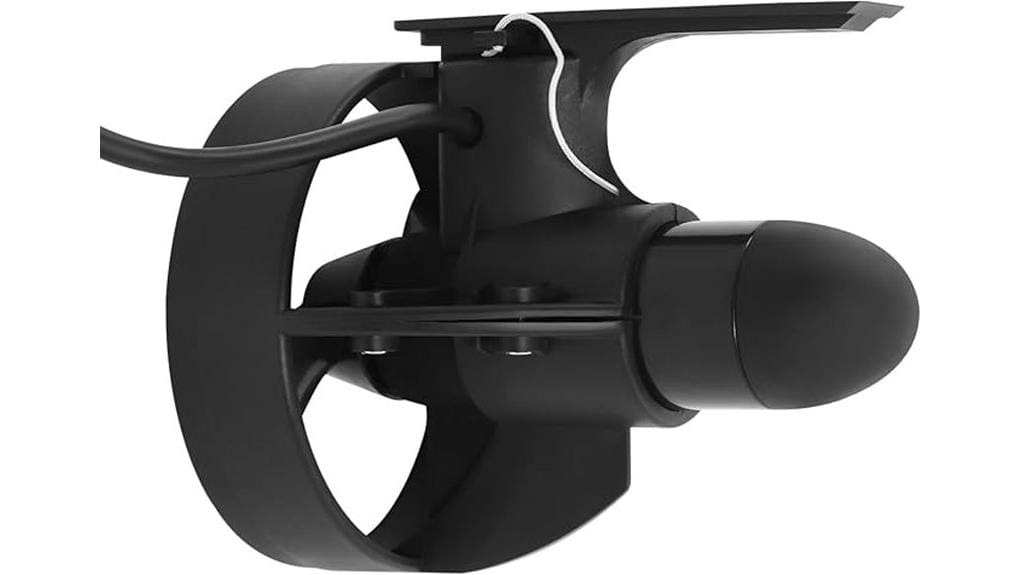

You’ll get a compact 288 W brushed thruster that reliably pushes a SUP at about 4–5 km/h while drawing ~24 A from a 12 V battery. It mounts on a tail-fin bracket for tool-free removal, needs an external battery, and runs roughly 1.5 hours on a 20 Ah pack under light load. Expect moderate prop noise, simple maintenance, and better endurance for fishing or cruising. Keep going to see installation, care, and tradeoffs.
Some Key Takeaways
- Motor: 288 W brushed 12 V motor gives steady 4–5 km/h thrust, suitable for cruising and fatigue reduction.
- Power & runtime: Runs ~1.5 hours on a 20 Ah battery; actual time varies with load and conditions.
- Mounting & balance: Quick‑release tail‑fin bracket mounts tool‑free; place battery near center for stable weight distribution.
- Durability & maintenance: Aluminum, copper, nylon parts need rinsing after saltwater, seal inspection, and periodic fastener checks.
- Who it’s for: Best for anglers and casual explorers wanting lightweight, low‑speed propulsion; not for high‑speed or towing tasks.
Detailed Performance and Specs Summary: Speed, Thrust, Power Draw, Runtime, Size, and Weight
Although compact, the Underwater Thruster SUP Electric Fin delivers measurable performance: its 288 W brushed motor runs on 12 V and draws about 24 A, producing a top speed around 4–5 km/h (2.48–3.11 mph) and a rated maximum thrust of 200 kg (≈441 lb). You’ll appreciate the 18×24 cm footprint and 3.04 kg net weight that keep transport simple while offering steady propulsion. Expect roughly 1.5 hours runtime with a 20 Ah battery, though actual battery efficiency varies by load and conditions. Propeller noise is moderate; it won’t ruin solitude but is audible at full power. For beginners choosing gear, consider drop-stitch construction as it influences board stiffness and compatibility with propulsion accessories.
How It Installs and Powers Your SUP: Mounting, Battery Requirements, and Simple Setup Steps
Because installation is straightforward, you can mount the Underwater Thruster to most paddleboard bases with its tail-fin interface and have it ready to power your SUP in minutes. You align the fin, check mounting alignment, and secure it with the quick release bracket for tool-free removal. Connect a 12 V external battery (not included) using waterproof connectors and route cables to avoid drag. Mind weight distribution—place the battery near the board center to preserve balance. Perform a pre-launch check of connections and bracket torque. The kit’s compact design keeps setup simple, letting you launch quickly and freely. New paddlers should also consider proper paddle and life jacket selection for safety and comfort when using motorized assistance (essential paddle gear).
Real-World Use: Handling, Speed Feel, Battery Life, and Fishing/Pleasure Use Cases
With the thruster mounted and power routed, you’ll notice handling changes immediately: the SUP tracks straighter at low speeds and needs gentler corrective strokes when the motor’s on, though sudden turns require more effort due to the propulsive thrust behind the tail. You’ll feel steady 4–5 km/h propulsion that eases distance paddling and keeps you relaxed while scouting or casting. Silent operation reduces disturbance for fishing; the wake pattern is compact, minimizing spooks. Expect roughly 1.5 hours from a 20 Ah battery under typical load. Use it for focused fishing, long explorations, or effortless scenic cruising. For paddlers heading into mixed waters, pair it with reliable dry bag protection to keep gear safe and dry.
Durability, Materials, and Maintenance: What to Expect From Aluminum, Copper, and Nylon Construction
When you inspect the thruster's aluminum alloy, copper, and nylon components, expect a balance of strength, conductivity, and wear resistance tailored for occasional saltwater use but not indestructibility. You'll find aluminum alloy offers light structural rigidity but needs protective coatings to maintain corrosion resistance. Copper in the motor and wiring delivers conductivity but requires sealing and regular inspection for electrochemical wear. Nylon parts absorb shock and resist abrasion but can swell or degrade under UV and chemicals. Follow a clear maintenance schedule: rinse after salt exposure, dry, tighten fasteners, inspect seals, and replace worn nylon or corroded copper promptly.
Who Should Buy It : Pros, Cons, Ideal Users, and Comparison to Alternatives
If you're looking to add low-speed electric propulsion to a paddleboard, kayak, or small fishing platform, the Underwater Thruster SUP Electric Fin delivers a straightforward, portable option that reduces paddling effort and extends range without complex installation or high power demands. You should buy it if you value lightweight portability, simple controls, and moderate speeds for relaxed exploration or fishing. Pros: easy mount, long glide, affordable power. Cons: limited top speed, brushed motor maintenance, needs external battery—mind battery safety. Ideal users: anglers, solo adventurers, casual cruisers. Compare to high-power motors if you need speed or towing. Follow legal restrictions. Starter paddlers should also consider essential gear like life jackets and paddle packs for safety and convenience, especially when using auxiliary propulsion like fins (essential gear).
Some Questions Answered
Does It Void My Sup’s Warranty to Use This Thruster?
It might. You should check your SUP’s manufacturer warranty before adding the thruster, because many warranties exclude damage from user modifications or aftermarket accessories. If installation alters the board or causes stress, the manufacturer warranty could be voided. Keep original parts, document installation, and contact both your SUP maker and the thruster manufacturer for guidance—doing so preserves your freedom to use upgrades while minimizing warranty risk.
Can It Be Used in Saltwater Without Extra Corrosion Protection?
Not safely long-term without extra protection. You’ll need regular saltwater maintenance to minimize galvanic corrosion on aluminum, copper and fasteners. Fit sacrificial anodes, rinse thoroughly after each use, and apply marine grade lubricants to moving parts and connections. Inspect electrical seals and battery contacts frequently. With diligent care and added corrosion protection you’ll preserve performance and freedom on saltwater outings.
Is There a Legal Speed or About Buoy Limit for Using It Locally?
You’ll need to check local regulations: many areas cap maximum horsepower or set speed/knots limits for small craft, and safety zones can restrict motorized devices near swimmers or protected areas. You may face registration requirements if the thrust or speed exceeds local thresholds. Contact your marina, coast guard, or local boating authority, carry ID and specs, and obey posted speed limits and no-motor zones to keep freedom and compliance intact.
Can I Mount It on Kayaks or Only SUPS and Surfboards?
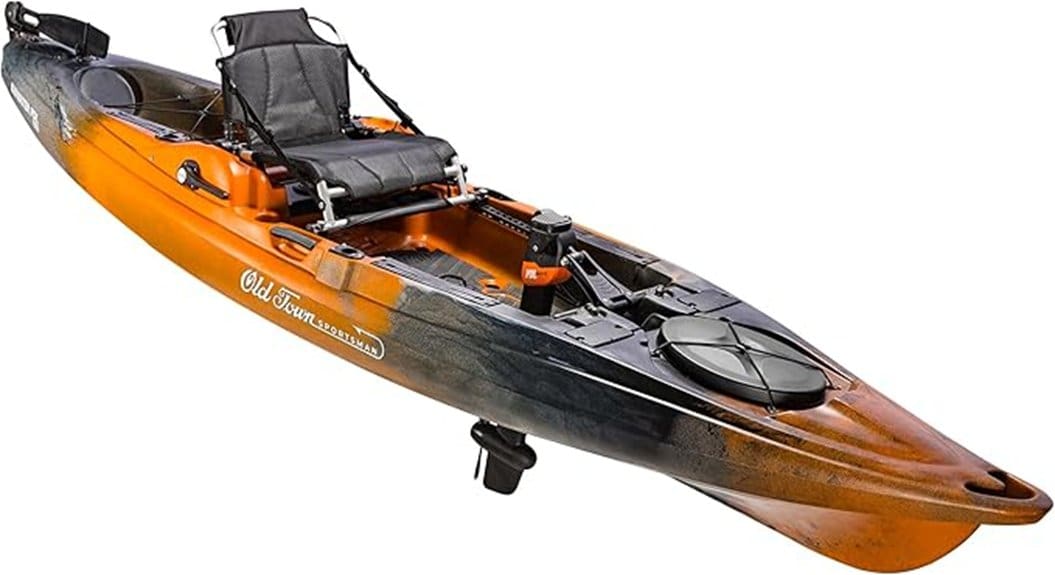
Yes — you can mount it on kayaks as well as SUPs and surfboards. You’ll want to confirm kayak compatibility with your hull shape and mounting surface, and fit appropriate mounting hardware for secure attachment. The unit uses a paddleboard-style tail fin base, so you may need adapters, straps, or a custom bracket. Follow weight, balance, and safety guidance, and test stability and steering before venturing far.
Are Replacement Propellers and Parts Available Separately?
Yes — you can get replacement propellers and some spare batteries, though availability varies. You’ll want to check Poggyyi’s parts catalog or contact their support for specific propeller models and compatible 12 V spare batteries. Order genuine parts to guarantee fit and performance; third-party options may exist but verify dimensions and motor compatibility. Keep a spare battery handy to extend outings and maintain freedom on the water.