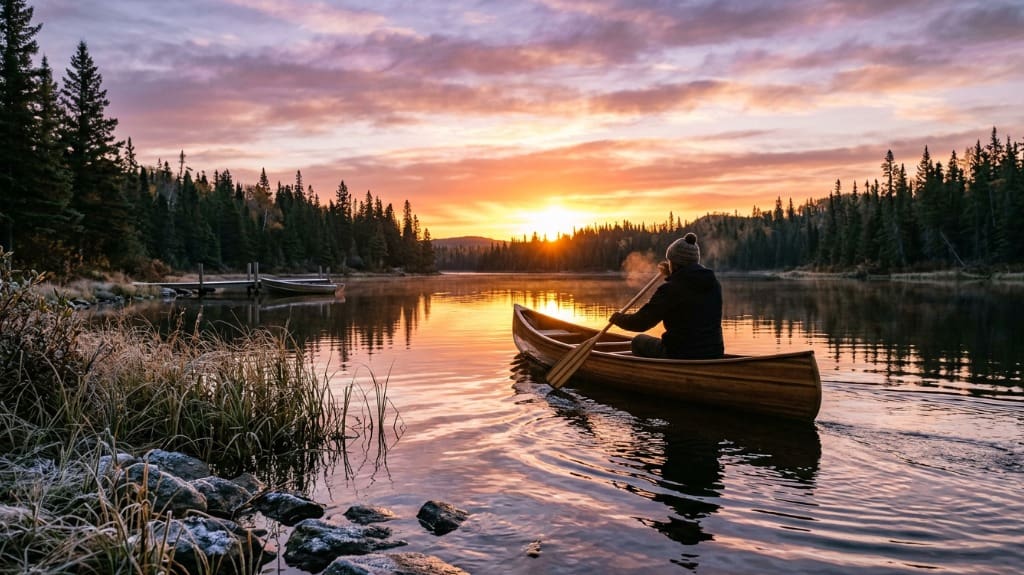
Pick a sheltered launch 30–60 minutes before sunset—think Fort Zachary Taylor flats in Key West, mangrove mouths in Turks & Caicos, sandy Makena or A-Bay in Maui, mountain-backed coves on Lake Tahoe, or calm harbors like Portsmouth and Santa Cruz—so you get glassy water, wildlife, and easy entry. Bring a PFD, leash, waterproof light and phone dry bag, reef-safe sunscreen and layers for chill, check tides and wind, and consider a local guide for your first trip; keep going to find detailed tips and sites.
Some Key Takeaways
- Choose sheltered, shallow launch sites (mangroves, reef-protected channels, sandy coves) for calm, glassy water at sunset.
- Time launches 30–60 minutes before sunset (60–90 minutes for mangroves) to catch calm water and peak wildlife activity.
- Late-winter hotspots: Turks & Caicos, Exumas, and Bahamas for turquoise flats, juvenile nurse sharks, and sea turtles.
- Mountain-backed evening paddles (Lake Tahoe north shore, Tahoe City coves) offer alpenglow reflections when winds die.
- Bring mandatory safety gear: PFD, waterproof light, dry bag/phone case, leash, and destination-appropriate layers or wetsuit.
Best Warm-Winter Sunsets: Key West & Florida Keys
You’ll often find Key West and the Lower Keys giving you the kind of warm, late-winter evenings that make sunset paddles easy and really satisfying, so plan to get to the water early, pick a sheltered launch like Fort Zachary Taylor where the shore and shallow flats cut the wind, and check with a local outfitter—Sunshine SUP or Lazy Dog SUP are good bets—to confirm currents and the ideal golden-hour time. You’ll want gentle waves and warm water under your board, a PFD, water, and lightweight layers, plus a waterproof light for after the sun slips; consider a guided tour if you want local route tips, wildlife spotting, and safety briefings, and paddle where mangroves and flats let you watch manatees and stingrays in calm, vivid light. For comfort and safety on inflatable kayaks, bring essential gear like a pump, repair kit, and a PFD and pump.
Classic New England Charm: Portsmouth & Casco Bay at Dusk
Portsmouth and nearby Casco Bay make for a mellow, classic New England sunset paddle, so plan to arrive early, get your gear sorted, and tune into the tidal schedule since late-winter light fades fast and currents can change the route you’ll take. You’ll find guided tours from Portsmouth exploring New Castle and nearby islands in calm waters, operators who supply boards and PFDs, and clear local tips so you can relax and learn, but you should book ahead to lock a spot. Dress in layers, bring a warm hat, gloves, and a waterproof phone case, watch for seals and loons as the sky warms, and paddle toward the city skyline slowly, savoring golden hour before twilight nudges you back ashore. When choosing where to launch, consider launch site guides to match access, parking, and shoreline conditions to your skill level.
Island Golden Hours: Maui’s Makena & Anaehoomalu Bay
If you time it right, head out to Makena or Anaehoomalu Bay about an hour before sunset, because those last light windows give you calm water, sea turtles in Makena, and pink-orange skies you won’t want to miss—so check the tide and wind, grab a leash, PFD, a waterproof phone case, and a light jacket, and plan to launch from a sandy spot where the shoreline is gentle. You’ll find Paddle Boarding at Makena Beach rewards steady boards and clear water where you can often encounter sea turtles as the sun drops, while Anaehoomalu Bay’s shallow, palm-fringed shore and royal fishponds let you snorkel or drift, watch post-sunset colors over South Kohala, and paddle home in peaceful, cooler air. Always secure your paddle with a reliable kayak leash before launching to prevent losing it in the water.
Mountain-Backed Glow: Lake Tahoe’s Evening Paddles
When you paddle Lake Tahoe at late-winter dusk, watch for the Sierra sunset reflections—reds and golds hitting the snow-capped peaks and mirroring on the water, especially along the north shore and near Tahoe City, so plan to position yourself where the mountains face west. Aim for calm, glassy conditions by launching in the early evening when winds usually die down, wear layers and bring a light, waterproof headlamp, a dry bag for phone and keys, and a map or GPS so you can follow shoreline route highlights without scrambling in the dark. If you’re renting gear, ask local outfitters about current winds and the best shoreline stretches for alpenglow photos and smooth paddling, and be ready to paddle back with a little extra time for changing conditions. For safety and convenience, consider carrying marine GPS units designed for kayakers to help navigate and track your route.
Sierra Sunset Reflections
Because the air usually calms just before sunset on Lake Tahoe, you can time a paddle to catch glassy water and near-perfect mountain reflections, so aim to launch in the early evening from a sheltered spot like Tahoe City or a north-shore cove. You’ll watch the Sierra Nevada mountains soften into long, yellow reflections, the lake acting like a sheet of glass, and you’ll feel free to drift and choose your line, but plan a route that matches your stamina—3–4 hours if you want to cross big bays, shorter shoreline runs if you don’t. Dress warm in layers, bring a dry bag, spare clothes, and a PFD, check wind forecasts, and book a local outfitter if you want guided confidence. For a safe and comfortable trip, don’t forget essential day-touring gear like a bilge pump and dry bag to keep gear secure and your boat ready.
Glassy Evening Conditions
On calm late-winter evenings you’ll want to head for the north shore or a mountain-backed cove, because those spots lock in glassy water and give you the best chance to see long, perfect reflections and alpenglow on the snow-capped ridges; pick a launch like Tahoe City or a sheltered inlet, check the wind and water-visibility reports (visibility can reach about 70 feet on still days), and plan a paddle that matches your stamina—short runs along the shoreline if you’re out for an hour or two, or longer 3–4 hour crossings if you’re comfortable and the forecast is steady. You’ll paddle along calm flats as the setting sun paints the peaks, watch for sudden gusts, carry a light, warm layer, VHF or phone in a dry bag, and time your return with falling light so you’re off the water before it’s cold and dark. Bring essential gear like a PFD, bilge pump, and properly sized paddle to stay safe and comfortable on the water (essential gear).
Shoreline Route Highlights
If you want the classic mountain-backed glow, aim your launch toward Tahoe’s north shore or a quiet east-shore inlet about an hour to 90 minutes before sunset, since that timing lets you paddle through golden hour and watch the alpenglow build on the ridgelines as valleys drop into shadow; pick a sheltered put-in like Tahoe City or the coves near D.L. Bliss and plan to Paddle along the shore, keeping an eye on wind funnels where chop can kick up. You’ll see long beams of gold and red across the water, silhouettes of Bald Mountain-scale ridges, and clarity down to many feet, so bring a dry bag, dress in layers, and wear a Personal Flotation device, consider a wetsuit if it’s cold. Choose a comfortable kayak seat to help you enjoy longer evening paddles with less fatigue and better posture, especially on chilly late-winter outings — a well-padded comfort kayak seat can make a big difference.
Pacific Coast Romance: Santa Cruz & Sunset Beach, Oahu
When you want a mellow sunset paddle that feels part adventure, part date-night, head to Santa Cruz Harbor if you like easy, sheltered water and plenty of creature sightings—rent a board from SUP Shack or Covewater, ask for a short lesson or a guided dusk tour, bring a wetsuit because that water’s cold, and watch for sea lions and the chance of whales as light fades. You’ll find beginner-friendly zones near the wharf, calm water to practice stance and turns, and outfitters who’ll point out currents and the best exit spots, so bring layers, a leash, a light, and a phone in a dry bag. Then hop across to Oahu’s Sunset Beach for golden-hour flat spots, Puaena Point access, and local guides. Consider bringing an inflatable PFD for comfort and mobility, especially models designed for beginner kayakers.
Tropical Clear-Water Magic: Turks & Caicos and Bahamas
You’ll find flat, turquoise water in Grace Bay and the shallow flats of Exuma and Abacos, so plan to launch about 45–60 minutes before sunset, wear a PFD, stash your phone in a dry bag, and paddle toward the mangrove edges where light makes the water glassy and fish and turtles often show beneath your board. As you glide close to mangroves, move slowly and keep distance from birds and juvenile rays or nurse sharks in the shallows, let your guide point out quiet channels and the best spots for photos, and remember that reef-protected channels usually mean calmer water. If you want the most wildlife, ask for a backcountry or lagoon route with a local outfitter, stay low to reduce splashing, and be ready to float and watch as dusk brings out herons and curious sea life.
Turquoise Calm Waters
Glide out into the late-winter glow of Turks & Caicos or the Bahamas and you’ll see why paddling here feels like floating over a jewel—water so clear you can pick out juvenile nurse sharks, sea turtles, and schools of reef fish beneath your board, while gentle breezes and shallow sandy flats keep the ride calm and easy. You’ll find clear waters and calm swell conditions that make these islands a perfect spot for a relaxed sunset SUP, rentals and guided tours are easy to book, and you can even enjoy swimming off your board when the light’s right. Bring reef shoes, a leash, reef-safe sunscreen, a light jacket, and a waterproof phone case, start near a sheltered flat, and paddle slow to spot wildlife.
Mangrove Wildlife Encounters
After enjoying the glassy flats, shift closer to the mangrove mouths and narrow channels where much of the island life is really hiding, you’ll find yourself paddling through a living nursery—shallow, clear water, tangled roots overhead, and wildlife that’s used to quiet boats and boards. In Turks & Caicos and the Abacos you’ll see herons stalking sand, juvenile nurse sharks under waist‑deep waters, and turtles grazing reef edges as golden light deepens, so plan launches 60–90 minutes before sunset. Local outfitters offer guided trips and safety briefings, great if you’re newer, but seasoned paddlers will value calm trade-wind lulls; bring reef-safe sunscreen, a leash, basic first aid, and the gear you need for shallow turns. Keep slow, respect seagrass, observe quietly, and savor the paddling experience.
How to Pick the Perfect Late-Winter Sunset Paddle (Conditions, Gear, Timing, and Outfitters)
If you want a calm, picture-perfect late-winter sunset paddle, start by picking sheltered water with steady wind patterns—think Fort Zachary Taylor in Key West, A-Bay in Hawaii, Casco Bay near Portland, or the north shore of Lake Tahoe—because those spots tend to offer glassy conditions and milder microclimates that make paddling easier and more fun. Choose the best places to paddle as your starting point, check tide and wind forecasts, and plan your launch so you arrive 30–45 minutes before sunset, that golden-hour window that gives you light and time to return before dark. Wear layered, moisture-wicking clothes with a windproof shell, bring a PFD, waterproof light, dry bag, extra layer, and consider a guided rental if the route’s new.
Some Questions Answered
Where Is the Best Place to Sup in the World?
The best place to SUP depends on what you want, but you’ll likely choose ocean estuaries for wildlife and calm water, urban canals for easy access and city views, glacial lagoons for surreal ice-blue scenes, or volcanic calderas for dramatic, sheltered paddles; pick a spot, check wind and tides, bring leash, PFD, pump and dry bag, start on a calm bay to warm up, scout currents, and paddle toward sunset when conditions feel right.
Can You Go Paddle Boarding in the Winter?
Yes, you can go paddle boarding in winter, but you’ll plan smarter: pick warm or sheltered water, practice winter technique like shorter strokes for stability, and use cold weather gear with thermal layering and a wetsuit or drysuit, plus a leash, PFD, whistle, waterproof phone, and ice safety knowledge if skating near shore ice. Tell someone your route, check forecasts, consider a guide, and start on calm, short outings to build confidence.
Why Am I so Wobbly on a Paddleboard?
You’re wobbly because your core strength and ankle stability aren’t making quick micro-adjustments, your vision focus might be down (looking at your feet instead of the horizon), and your board size may be too narrow for calm practice. Start by using a wider board, shift weight low and centered, keep knees soft and eyes up, do simple core and ankle drills off the water, and carry gear low and centered to avoid trim problems.
What Is the Best Time of Day to Paddle Board?
The best time is the hour before sunset, during golden hour, when light’s warm, winds tend to calm, and reflections show up, but check wind patterns and tidal currents first; paddle then for calm water, cooler air, and good wildlife chances. Wear layers for water temperature drops, bring a light, leash, and phone in a dry bag, start 60–90 minutes before sunset, and plan to head back as visibility falls.