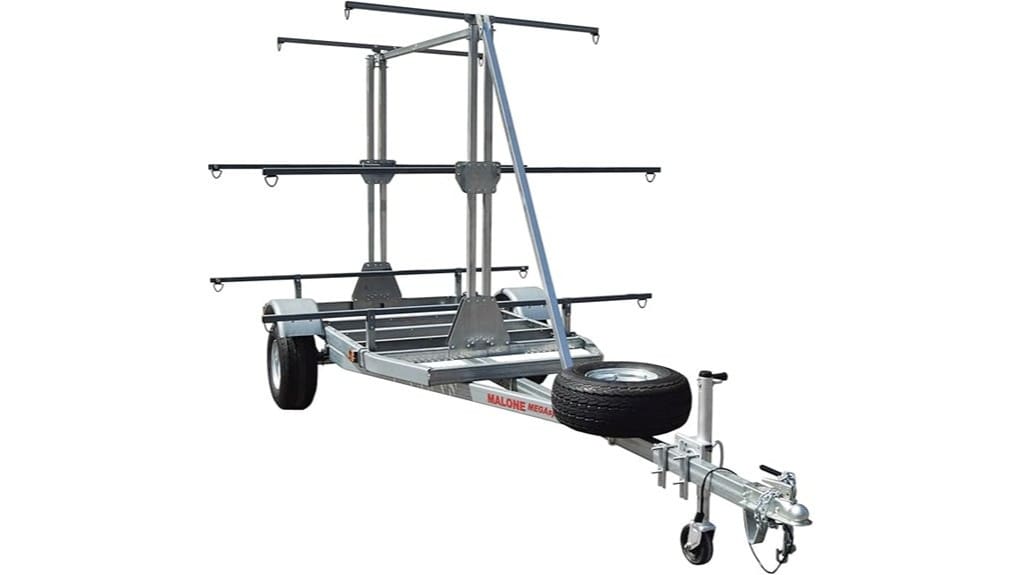
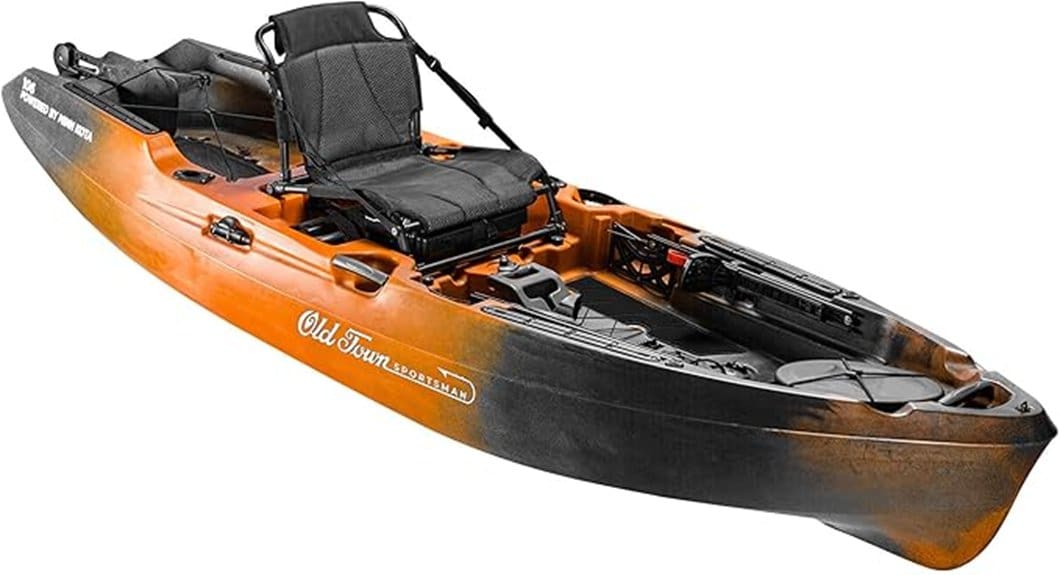
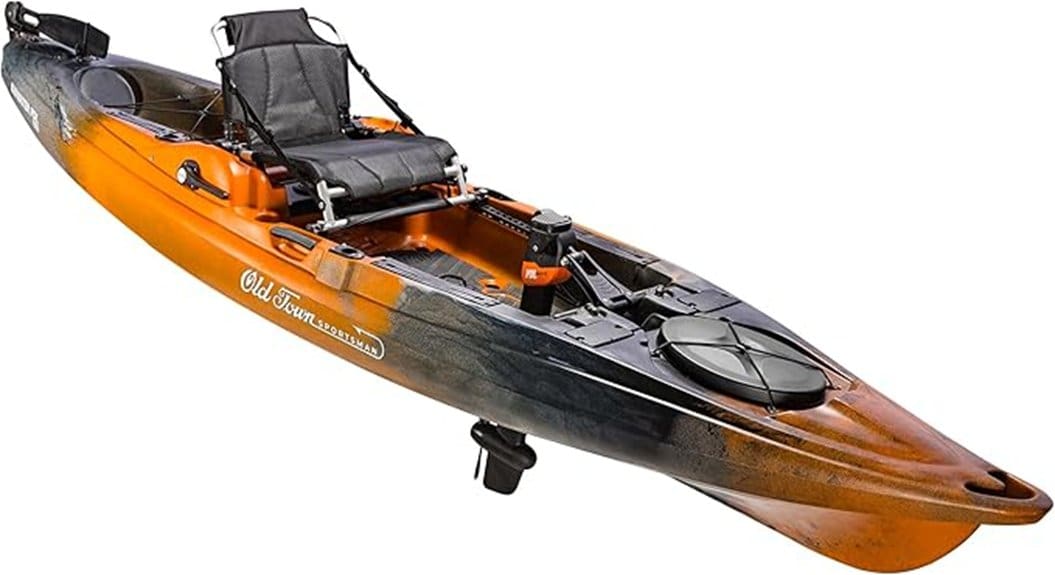
You’ll find the Front Runner Pro carrier adapts to canoes, kayaks, SUPs and surf skis with sliding brackets and compressing foam that match a wide range of hull widths. It mounts on most crossbars and works with many kayak carts for shore launches. Use the included Stratchit plus secondary bow and stern straps, balance tension, and check foam and fasteners before trips. It’s durable but foam and hardware need periodic care, and further details on setup and long‑term use follow.
Some Key Takeaways
- Versatile carrier fits canoes, kayaks, SUPs, and surf skis with adjustable brackets for varying hull widths and crossbar spacing.
- Foam holders self-adjust and compress to hull contours, protecting gelcoat while easing loading and unloading.
- Secure transport requires included Front Runner Stratchit plus secondary bow and stern straps routed over hull highs and anchor points.
- Durable metal brackets resist wear, but monitor fasteners, metal fatigue, and foam degradation from compression and UV.
- Best for frequent multi-sport users; consider basic foam blocks as a budget option or aluminum modular racks for premium security.
Real-World Fit and Compatibility: Which Canoes, Kayaks, SUPs, and Racks It Works With
Which boats will this carrier actually fit? You’ll load canoes, kayaks, SUPs and surf skis with ease; the design accepts a wide range of hull widths so you’re not boxed in. Rack compatibility depends on your crossbar spacing and overall rack length—brackets slide to match available bars and the space between brackets is only limited by rack dimensions. You’ll appreciate that most recreational and touring hulls sit securely without special adapters. Foam padding cushions contact points and durable brackets handle repeated use. If you crave freedom to chase waterways, this carrier gives you flexible, reliable transport without fuss. It also works seamlessly with many all-terrain kayak carts to simplify shore launches and overland portages.
Adjustable Mounting and Foam Holders: Setup and On-Road Performance
When you mount the Front Runner Pro Carrier, the adjustable brackets let you dial in the angle and spacing so your canoe or kayak sits snugly against the foam holders without guessing; the holders self-adjust and compress to match hull contours, reducing movement on the road. Follow a simple adjustment procedure: loosen, slide to fit, set angle, then torque fasteners. Holder ergonomics matter—foam thickness and taper make loading easier and protect gelcoat. On the highway the system stays quiet and stable when set correctly. You’ll appreciate predictable setup, quick swaps between boats, and confident freedom to chase waterways. Foam roof blocks for kayaks provide essential padding and secure transport for beginners and experienced paddlers alike, emphasizing foam holder protection and safe mounting.
Load Security in Practice: Straps, Stability, and Behavior at Speed or on Rough Roads
Because a secure load starts with correct rigging, you should prioritize strap routing, tension, and anchor points before you hit the highway. You’ll use the included Front Runner Stratchit tie-down plus secondary bow and stern straps; route them over hull highs and through solid rack points. Do a quick strap inspection for frays, stitching, and hardware seating every trip. Tighten enough to prevent movement but avoid crushing foam holders. At speed or on rough roads you’ll notice reduced sway if straps are balanced and anchors redundant; expect some wind noise, but not instability when everything’s properly secured. Consider also inspecting and replacing worn straps regularly to maintain load security.
Durability and Protection: Materials, Foam Wear, and Long-Term Use Considerations
While Front Runner’s carrier looks simple, its longevity comes down to the materials and how the foam interfaces with your hull over time. You’ll appreciate sturdy brackets resisting corrosion and wear, but watch for material aging—metal fatigue and fastener rust are slow threats. Foam pads cushion impact, yet foam compression occurs with repeated loads; rotate contact points and inspect frequently. UV degradation can harden or crack padding exposed to sun, so park covered when possible. Have a plan for padding replacement and keep spare foam strips and hardware on hand so your freedom to roam stays uninterrupted. Consider outfitting your setup with milk crate organizers for added storage convenience and gear management.
Who Should Buy This Carrier and Alternatives at Different Budgets
If you regularly move a canoe, kayak, SUP or surf ski and value a durable, adaptable rack that won’t break the bank, the Front Runner Pro Carrier is a solid choice—you get adjustable brackets, foam protection, and a stretch tie-down that work across most hulls and rack setups. You should buy it if you want rugged versatility, frequent multi-sport trips, and simple mounting across different racks. For tighter budgets, consider basic foam blocks or inexpensive J-cradles as budget options. For higher-end needs, look at aluminum modular systems with integrated locks. Match choices to user profiles: weekend adventurers, frequent travelers, or expedition paddlers. Many beginners find that investing in smart kayak storage ideas—like wall racks or stackable stands—helps keep gear organized and prolongs hull life.
Some Questions Answered
Can I Lock the Carrier to My Roof Rack to Deter Theft?
Yes — you can add locking options to deter theft. You’ll secure the carrier to your roof rack using compatible locks or threaded locking hardware on the load bars; the carrier’s adjustable brackets and limited space between mounts mean you’ll want low-profile, strong locks that don’t interfere with holders. Use a cable or padlock with hardened shackle plus the included Stratchit tie-down for redundancy. That combo gives practical theft deterrence and on‑the-road freedom.
How Easily Can One Person Load and Unload a Heavy Canoe?
You can load and unload a heavy canoe solo with relative ease. Use single person techniques: position hull on padded holders, clip assist straps to the canoe, then walk it up the rack using leverage and your hips. Avoid heavy lifts by using padding techniques under the bow/stern and shifting weight gradually. If you’ve got a hydraulic lift, you’ll make it effortless; otherwise practice balance and slow, controlled movements for freedom on the road.
Are Spare or Replacement Foam Pads Available From Front Runner?
Yes—you can get replacement pads from Front Runner and you can use aftermarket foam if needed. You’ll want genuine replacement pads for guaranteed fit and durability, but aftermarket foam works if you prefer different density or price. Order directly from Front Runner for matched sizes, or source aftermarket foam cut to shape. You’ll stay mobile and protected either way; just confirm dimensions and attachment style before buying.
Will the Carrier Affect Fuel Economy or Wind Noise Significantly?
You won’t see a huge hit to fuel economy, but any roof-mounted watercraft adds aerodynamic drag and some wind buffeting, so expect modest MPG loss at highway speeds. You’ll hear extra noise when wind hits the hulls, especially unloaded or poorly aligned. Position and angle the adjustable brackets and use the stretchable tie-downs to minimize flutter; the foam pads also reduce vibration and help keep noise and drag down.
Does the Carrier Require Periodic Retorquing of Mounting Hardware?
Yes — you should perform periodic inspection and retorque the mounting hardware to the manufacturer’s torque specs after initial fitting and periodically thereafter. Check brackets, bolts and straps before long trips and after rough roads; foam pads and self-adjusting holders can shift. Retorquing prevents loosening, protects your craft, and keeps you free to travel without worry. Carry a torque wrench and note recommended torque values for your rack system.