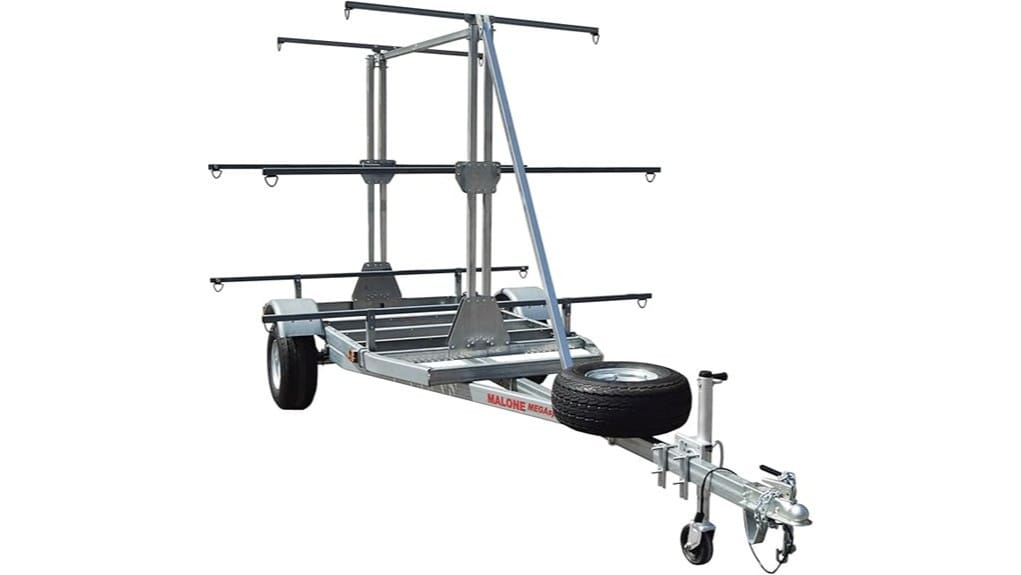
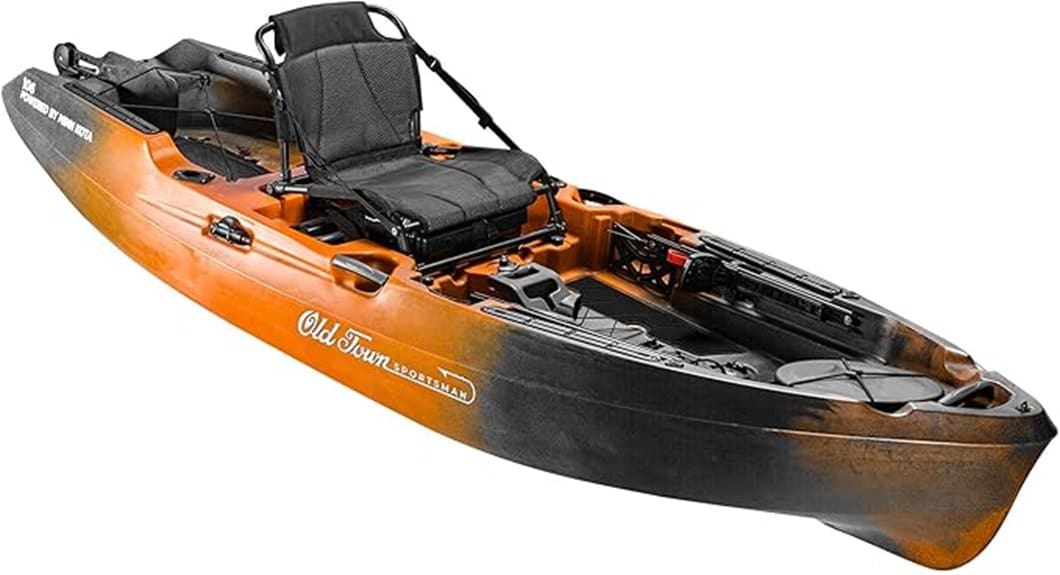
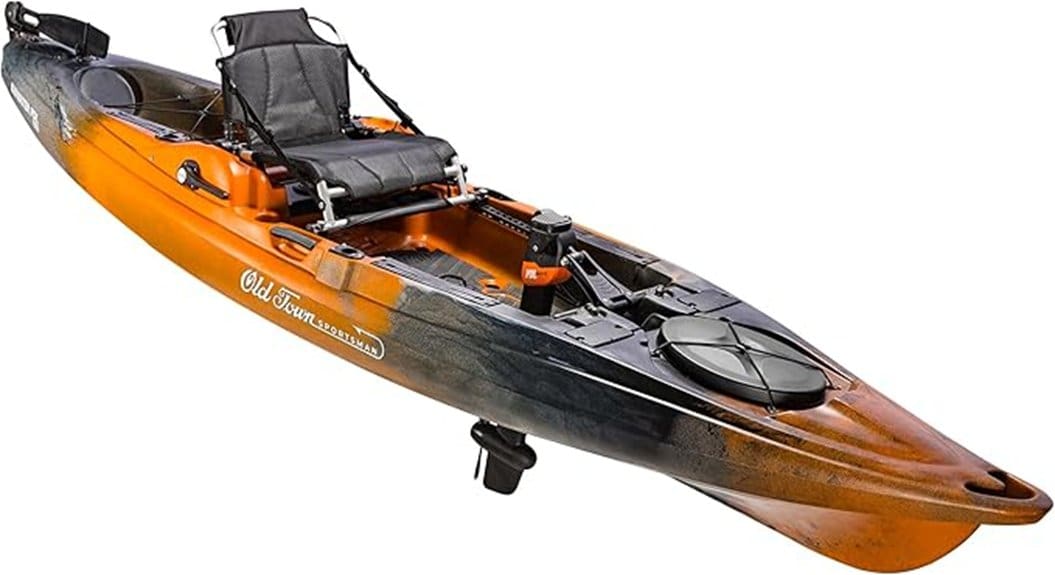
You’ll start by sweeping shallow cove backs, canal mouths, and sun‑soaked rock or dock edges with a thermometer, targeting spots about 1–3°F warmer than the main lake, and favor windward sides of protected embayments where warm water piles; probe creek seams, quarter‑mile points, flats, and 8–15 ft channel ledges with small swimbaits, slow jigs, and slow‑fall plastics, downsize when it cools, watch sun and wind shifts, carry a locator and kayak anchor, and keep moving to find the warmest pockets for prespawn bass if you want more detail.
Some Key Takeaways
- Target shallow protected banks, canal mouths, and embayment corners with water 1–3°F warmer than the main lake.
- Sweep creek mouths, flats, and windward shorelines methodically, using a thermometer to find warm pockets.
- Probe outside edges of quarter‑mile points, channel bends, and 8–15 ft ledges where prespawn bass tuck.
- Fish upper‑40s with tiny swimbaits and slow swim jigs; mid‑50s with slow‑falling stickworms and pauses.
- Adjust by downsizing, slowing retrieves, and monitoring sun, wind, and flow changes to stay on staging fish.
Pinpoint Warm Water: Where to Find February Staging Bass
Often you’ll start by scanning the warmest microclimates, because those few degrees can make all the difference, so bring a thermometer and sweep shallow protected banks, northwest embayment corners, and canal mouths where water can run 1–3°F warmer than the main lake and prespawn bass like to hug the edges. You’ll target staging areas that sit between deep winter haunts and spawning flats, checking shallow flats and creek mouths, secondary points and channel bends where fish pause, and you’ll probe rock, docks or hydrilla edges that heat fast. Keep an eye on water temperatures, favoring mid‑ to upper‑40s into the 50s, move methodically through travel routes, fish the warmest water first, and adjust as the sun and wind shift. For trip planning and safety on tidal waters, consult tide tables to pick launch times and understand water-level changes.
Read Temperature and Wind: Use Microclimates to Narrow Targets
When you want to find prespawn bass, start by reading the water and the wind together—carry a thermometer, sweep shallow cove backs, canal mouths and sun‑soaked rock shelves while watching which shore the wind’s pushing on, because those few degrees of warmth will tell you where fish are staging; use your locator to confirm thin warm surface layers or pockets that sit a few feet shallower than the main lake, note any spots that are 1–3°F warmer, and make the windward side of protected embayments and northwest corners your first stops since prevailing winds often pile warmer water there. You’ll check microclimates like shallow flats and protected banks, watch temperature differentials, favor the warmest water you find, then narrow targets where staging bass concentrate. Also consider checking river level gauges and local flow conditions since changes in water level and flow can alter where bass stage and how quickly warming pockets form.
Best Structure to Probe: Creek Mouths, Points, Flats, and Staging Ledges
Pick a starting spot and work it methodically, because creek mouths, points, flats and staging ledges each do different jobs for prespawn bass and you want to hit the most productive combos first: check creek mouths in shallow 2–8 foot seams where slightly warmer creek water meets the colder main lake and gives bass ambush lanes, run the outside edges of quarter‑mile points with 45° bank tapers and wood or rock for the first 10–30 yards where depth drops 2–6 feet, sweep flats and secondary flats in coves from the mouth back about two‑thirds of the way in—bank slopes under 45° are prime staging real estate—and don’t forget to mark channel bends and channel‑edge ledges in 8–15 feet where fish tuck after a cold front; carry a thermometer, your locator, and a rod rigged for mixed cover so you can probe creek mouths, points, flats and staging ledges by water temperatures, cover type, and fish response.
Presentation Plans by Temperature: Lures, Retrieve Speed, and Rigging
Dialing in your presentation starts with paying attention to water temperature, so keep a thermometer handy and plan your lures, retrieve speed, and rigging around what the lake’s telling you: in the upper‑40s you’ll want smaller swimbaits and swim jigs fished super slow with light jigheads to keep baits in the strike zone, as the mid‑50s calls for slow‑falling stuff like Texas‑ or wacky‑rigged stickworms and Slug‑Gos that you drag or hop and pause to let fish eat on the drop, and in clearer, open water you’ll want suspending jerkbaits worked with three quick twitches then a long pause because most strikes happen on that stop; for shallow wood downsize to light jigs with big trailers or try tiny swimbaits and hair jigs on a float, and after a cold push fish deeper, slow everything, use lighter line, smaller profiles, and balsa slow‑rise cranks with bump‑and‑pause retrieves to tempt sluggish prespawn bass. Choosing the right paddle for your kayak can make presentation and positioning more efficient on the water, so consider shaft length and blade shape when outfitting your boat for these tactics with a focus on paddle blade types.
Tactical Day-by-Day Adjustments: Weather, Depth Shifts, and How to Troubleshoot
If the weather’s shifted or the bite’s gone quiet, start by checking the obvious things first—air temp, wind direction, and surface water temps with your thermometer—because those small changes tell you where bass moved overnight and what presentation they’ll tolerate. You’ll watch for prespawn depth shifts from flats into 8–15 ft along inside turns, so carry jigging plastics and slow-falling plastics for deeper work, and keep a few small swimbaits for warm water pockets in protected coves. Map staging edges and structure—creek channels, hydrilla walls, rock shelves—note windward shoreline spots where warmer surface water piles up, and when the sun or a lull cools things, downsize, slow your retrieves, change fall rate, and fish more vertical until strikes tell you you’re dialed in. Also consider using a kayak anchor to hold position when working tight cover or staging edges.
Some Questions Answered
What Size and Color Hooks Are Best for February Jigs?
Use 1/16oz tungsten or 1/8oz painted jigs with 2/0 widegap hooks, black nickel for strength, and match colors like olive brown, green pumpkin, or white pearl depending on water clarity; carry 1/0.032oz hooks as lighter options for finesse. You’ll rig tighter in clear water, lean darker in stained water, and swap sizes if fish feel pressured, so pack those specific weights and colors, tie solid knots, and stay ready.
How Do You Rig Live Bait for Pre-Spawn Bass?
You rig live bait by choosing live mullet or shad, nose hooking for natural swim, or split hooking when you want a looser tail action, and you’ll thread bait for extra hold on long casts, using a slip sinker above a swivel to let the bait move, and weedless rigging to avoid snags near cover; carry antiseptic, a bait bucket, and spare hooks, check bait preservation often, and adjust hook placement for lively, tempting motion.
What Boat Speed Should You Use When Covering Flats?
You’ll use a slow cruise, roughly quarter throttle or a comfortable trolling speed, to cover flats, keeping a stealth approach so you don’t spook sight-casting fish, and you’ll make subtle adjustments to hold position over seams, drops, and weed edges. Watch boat wake, wind, and how fish react, carry a long rod for sight casts, and be ready to vary speed slightly, testing speed variations until fish commit, then settle in.
Can Electronics (Sonar) Scare Staging Bass?
Yes, sonar can spook staging bass, but you can control it by lowering sonar sensitivity, checking transducer placement to avoid turbulence, and choosing frequency selection that’s gentler, like higher frequencies for detail, lower for depth. Watch for beam spreading and wake disturbance, reduce speed, interpret signal interpretation carefully to distinguish clutter from fish, tidy your graph clutter, and test quiet approaches first, so you’ll know when to pull back and present calmly.
When Is Catch-And-Release Recommended for Pre-Spawn Fish?
You should practice catch-and-release when fish condition looks poor, spawning timing is near, water temp stays low or rises into the spawn, crowding impacts stress, tournament rules require it, or your angler skill can’t guarantee a quick, safe release, so first check for bleeding, slimy coating loss, deep hooks, carry knotless net, long-nose pliers, and a soft landing, revive fish in current, and skip photos if it slows recovery, ethical release matters.