
Tandem kayaking is a great way for you and a partner to explore together, save money and gear, and share steering and rest stops; pick a sit‑on‑top for easy beach launches and self‑bailing decks, a sit‑in for cooler or longer trips, an inflatable if you need trunk storage, or a 13‑ft+ hard shell for speed and load capacity, always check combined weight limits, comfy seats, PFD fit, spare paddle, dry bags, and a simple safety plan before you launch — keep going for gear, positioning, and trip tips.
Some Key Takeaways
- Choose a 13+ ft tandem for better speed, load capacity, and straighter tracking on longer couple outings.
- Put the stronger/steerer in the stern and the tempo-setter in the bow for balanced control and cadence.
- Rent different tandem types first (sit-on-top, sit-in, inflatable) to match comfort, transport, and location.
- Synchronize strokes with a simple count-in drill and short practice sessions to maintain efficiency and avoid fatigue.
- Pack safety gear: properly fitted PFDs, bilge pump, spare paddle, dry bags, sunscreen, water, and a small first-aid kit.
Why Couples Choose Tandem Kayaks for Shared Adventures
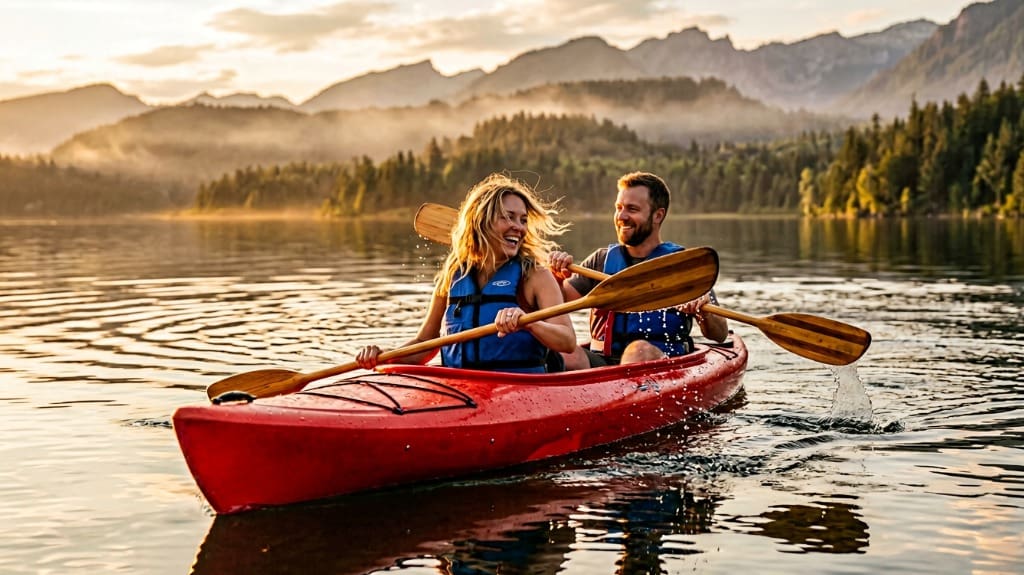
Think of a tandem kayak as a little floating teamwork machine, and if you’re a couple wanting to share the water you’ll find they make a lot of sense—you’ll want a boat around 13 feet or longer so the longer waterline and the two of you paddling in sync actually turn into more speed and less effort, and you’ll want to check the weight capacity (many hard-shell tandems handle 400–600 lb or about 180–272 kg) so you can bring both people plus dry bags and a cooler. You’ll appreciate that a Tandem saves money and gear, lets one partner steer while the bow sets cadence, and makes it easy to trade rests, carry picnic gear, and enjoy a shared experience like sunset paddles or wildlife watching, so practice timing and clear calls before you push off. Many tandem kayaks sold to beginners include accessories and gear tailored for new paddlers.
Pick the Right Tandem Type: Sit‑On‑Top, Sit‑In, Inflatable, or Hard‑Shell
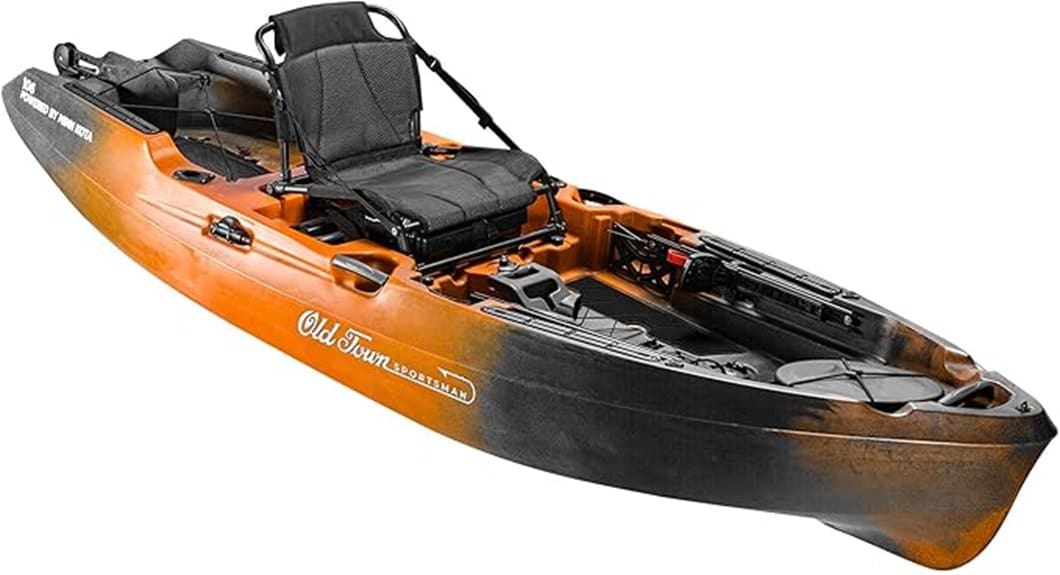
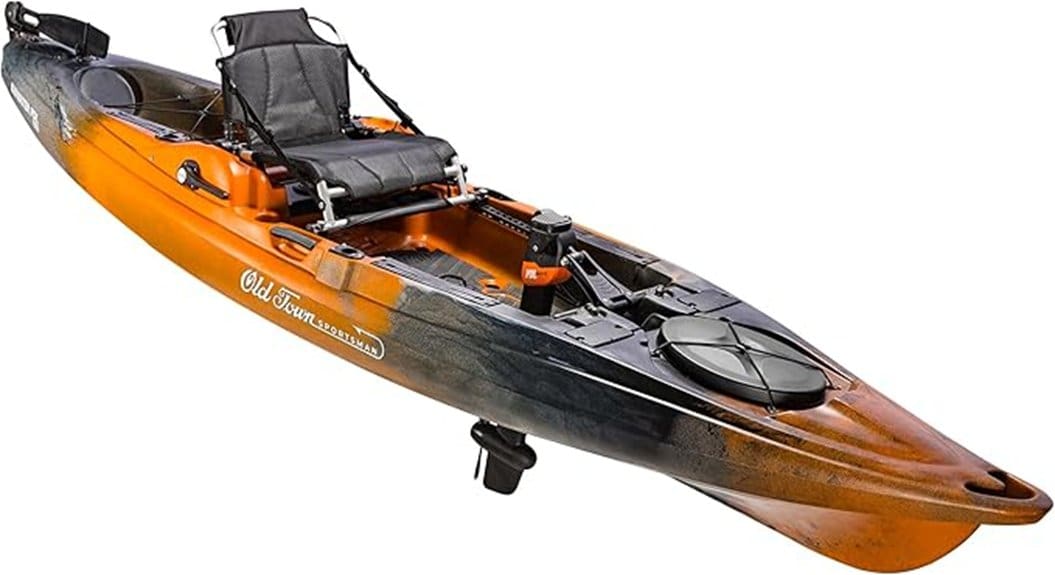
When you’re choosing a tandem kayak, start by matching the boat to how and where you’ll actually paddle, because the right type makes every outing easier. If you want easy beach launches, quick swims with your dog, and simple gear stowage, pick a sit-on-top for tandem kayaking, its open deck and self‑bailing scuppers save fuss, just wear sun and water protection. For cooler trips or keeping gear dry, choose a sit‑in with a cockpit and sprayskirt, it shields you from wind and spray. If you need to travel light or stash the boat in a closet, an inflatable with rugged chambers will carry weight and collapse for transport. For speed and long days, get a hard‑shell 13+ ft model, expect roof racks and more storage space. Consider the needs of beginner paddlers and couples who share duties and gear to make tandem trips more enjoyable and safe, especially when selecting tandem kayak gear.
Match the Kayak to Your Activity: Recreation, Touring, or Fishing
If you want easy, relaxed outings on calm lakes and slow rivers, pick a recreational sit‑on‑top around 12–13 ft with a wide hull, open deck bungees for stashing your cooler and life jackets, and a 400–600 lb capacity so you’re not worried about weight. For longer, multihour trips where tracking and efficiency matter, choose a touring sit‑in tandem 13–15+ ft with a narrower hull and a skeg or rudder, plus comfy seats with lumbar support and sealed hatches to protect gear. Start by matching your usual trips to these features—what waters you’ll paddle, how much gear you carry, and whether you need easy entry for kids or dogs—then test a boat with that payload and handling before you buy. Consider also carrying essential day‑touring gear like a bilge pump, spare paddle, and PFDs to stay safe on the water, especially when paddling with a partner day touring kayaks.
Recreational Sit-On-Tops
For easy, no-fuss days on the water, pick a recreational sit-on-top tandem kayak that’s built for comfort and stability, so you and your partner can focus on the view, the picnic, or the dog rather than balancing every stroke. You’ll want Tandem Kayaks about 12–14 feet long, wide for steadiness, with self-bailing scupper holes so a splash doesn’t ruin the vibe, and padded adjustable seats for long, relaxed sit-ins. Check weight capacity—most handle 400–600 lb—so add coolers, dry bags, and pets without overloading. Look for on-deck bungees, molded drink wells, and simple accessory mounts if you might fish a little, and practice easy entry and exit close to shore before heading out, you’ll thank yourself. Consider bringing essential sit-on-top gear like buoyant PFDs, paddle leashes, and dry bags for a safer, more comfortable outing with your partner and gear, especially when using a sit-on-top kayak.
Touring Sit-In Kayaks
Picture yourself settling into a touring sit‑in tandem that glides straight and fast, the kind of kayak that’ll make multi‑day trips feel doable instead of intimidating, and you’ll want one about 13–17+ feet long with a narrower hull so it tracks well and keeps up a good cruising pace. You’ll look for sealed bulkheads or watertight hatches to keep gear dry, a skeg or rudder to hold course when wind or current tries to push you off, and roomy, padded seats with adjustable foot braces so hours don’t turn into aches; check the max payload—usually 400–600 lb—to carry two people, food, water, and safety kit. Start by test‑paddling a tandem kayak loaded like a trip, tune trim, then plan routes and resupply points. Choose comfortable, supportive seats designed for tandem paddling to keep both partners happy on long outings, and consider upgrading to comfort kayak seats for better back support and padding.
Size, Weight Capacity, and Comfort: What Couples Must Check
When you’re picking a tandem kayak, don’t just eyeball the length—start by adding both paddlers’ weights plus everything you’ll bring, because most two-person hard-shell boats rate about 400–600 lb (180–272 kg) and you want a safe margin so the hull sits well in the water; choose a 13‑foot or longer tandem if you expect heavier loads and want better speed and straighter tracking, but remember shorter tandems are easier to turn and might suit twisty rivers or tight launch spots. Check the listed weight capacity, add gear like coolers and dry bags, and don’t forget pets, then pick seats with good padding and lumbar support, roomy legroom to avoid knee bumps, plus sealed hatches or bungees for secure storage. Also bring essential safety and trip-planning items like a PFD, spare paddle, and a checklist for your gear checklists for kayakers so you don’t leave anything behind.
Who Sits Where? Positioning and Role Tips for Smooth Paddling
You’ve already picked a boat that fits your combined weight and gear, so now think about who sits where and what each person does, because seat placement changes how the kayak handles and how easy paddling feels; put the stronger or more experienced paddler in the stern so they can steer with sweep strokes or a rudder, while the person in the bow keeps a steady tempo to set the cadence, and before you push off make sure both seats, footbraces, and legroom are adjusted so neither of you’s knees knock together on long runs. Sit so your knees clear each other, load heavier gear slightly aft to balance trim, agree on a few short commands, and practice them in calm water before you roam. Also consider investing in properly sized adjustable footbraces to improve comfort and control for both paddlers.
Syncing Strokes and Timing: Simple Drills to Paddle in Harmony
Start by setting a steady cadence you can both feel, with the bow keeping 30–40 strokes per minute while the stern mirrors the timing and blade entry so you match rhythm and power. Practice short drills—counted forward strokes for a few minutes, then switch to a string of sweep strokes or 30-second power intervals—watching each other’s torso rotation and paddle angle so you can correct small mismatches on the water. Agree on a single set of cues like “stroke,” “left,” “right,” or “slow,” call them every 5–10 minutes to stay clear, and try the stop-and-start drill once or twice to rehearse braking and getting back in sync without losing momentum. For novice paddlers, choosing a stable solo convertible kayak can help partners practice these drills with greater confidence.
Establish A Steady Cadence
Often you’ll find that getting your strokes in sync is less about brute force and more about a few simple drills you do together, so start by agreeing on a clear cue and settle into a slow, steady count before you try to speed up. When you’re paddling together, begin with a count-in drill—bow calls “1–2–3, stroke” and both take full, slow strokes to find your rhythm, then try a metronome at 50–70 bpm, matching one stroke per beat to keep a steady cadence and cut drift. Use short sprint–rest intervals to build endurance, re-establish timing quickly with a single verbal cue, and have the bow reset with three slow exaggerated strokes to regain sync, watching tempo and breath as your guides.
Mirror Stroke Mechanics
When you want your strokes to look and feel like one smooth motion, try a back‑to‑back dry‑land drill first so you both feel the pace before you hit the water. Sit tall, use a metronome at 60–70, feel the rhythm, then carry that beat into the tandem kayak where the bow sets a steady cadence and counts “one‑two‑three” aloud so the stern can mirror stroke timing and blade entry on the opposite side. Aim for matched catch timing within 0.2–0.3 seconds, use “ready—stroke” to restart after pauses, and practice five minutes each side for equal torso rotation, then two minutes alternating. If you need to steer, let the stern sweep gently, then return immediately to mirror stroke, keeping freedom and flow.
Short Synchronization Drills
You’ll want to warm up with a few short drills that lock your timing and keep things simple, so grab a waterproof metronome or set a phone to 60–70 bpm, sit tall in the tandem, and get ready to feel the beat together; try a 5‑minute “tap‑and‑go” where the bow says “ready” and taps the blade once per stroke while the stern mirrors that tap to lock timing, then move into a 10‑minute cadence run to steady tempo and consistent stroke length. After that, try side‑switches where bow paddles left for 20 strokes and stern mirrors right, and a call‑and‑respond for power changes, correcting immediately when rhythm slips by pausing, realigning, and doing ten slow strokes to reset with your paddle partner.
Steering, Turning, and Communication: Stern Paddler Responsibilities
Even if you’re sitting in the stern mostly to enjoy the view, you’re actually the crew’s primary navigator, so stay alert, mirror the bow’s cadence, and be ready to steer with sweep strokes or quick backstrokes whenever the kayak drifts or you need to turn. As stern paddler, you’ll steer with wide sweep strokes on the opposite side of the turn, or a small backstroke to nudge course, and you’ll usually sit there because you’re stronger or more experienced, can match rhythm, and make precise adjustments without spoiling speed. Call clear cues like “turning left in three,” use the skeg or rudder on long runs, but prefer quick manual corrections close in, make one decisive stroke, then resume matched paddling.
Essential Gear for Couples: PFDs, Paddles, Dry Bags, and Extras
You’ll want properly fitting PFDs first, so choose U.S. Coast Guard–approved jackets (usually Type III for kayaking) in the right size with a snug fit and crotch strap for sit-on-top stability, try them on with a jacket or spray top, and practice reaching for a whistle clipped to the shoulder. Match paddles to each person and the tandem—typically 220–240 cm for average adults—bring a quick-to-reach spare paddle, and consider a paddle leash at least for one paddle on longer trips. Pack one medium dry bag per person plus a larger 30–60 L bag for shared gear, check your combined weight against the kayak’s capacity, and don’t forget small extras like water, sunscreen, a bilge pump or sponge, and a sealed case for maps or a GPS.
Properly Fitting PFDs
Start by making sure your life jacket actually fits, because a PFD that slips or chafes won’t do its job when you need it most; measure the fullest part of your chest and pick the size range on the label—small, medium, large—so the foam sits high on your chest and the shoulder straps don’t let the vest ride up. When you head out in a tandem kayak, pick U.S. Coast Guard–approved PFDs with 15–22 lbs buoyancy for sheltered water, or higher/type III–V for rougher conditions, and have your partner pull up on the shoulders to test that it won’t slide over your chin. Adjust straps so you can breathe, paddle, reach your pump and radio, and inspect seams, buckles, and labels before every trip.
Paddles, Spares, Extras
When you load up your tandem, think of paddles, spares, and extras as the little insurance policy that keeps a good trip from turning messy, so check that each paddler has a properly sized USCG‑approved PFD and that you’ve got an extra for a guest or an emergency; carry two matched paddles sized to your cockpit and heights—usually around 220–240 cm for tandems—and toss a spare paddle or a solid paddle float onboard in case one breaks or you need to solo the boat. Pack at least one 5–20 L dry bag for phones, keys, and documents, plus a larger 30–60 L bag or sealed hatch for food and layers, stow weight evenly, and keep a bilge pump, leash, whistle, and first‑aid kit within reach.
Transport, Storage, and Buying vs. Renting for Two
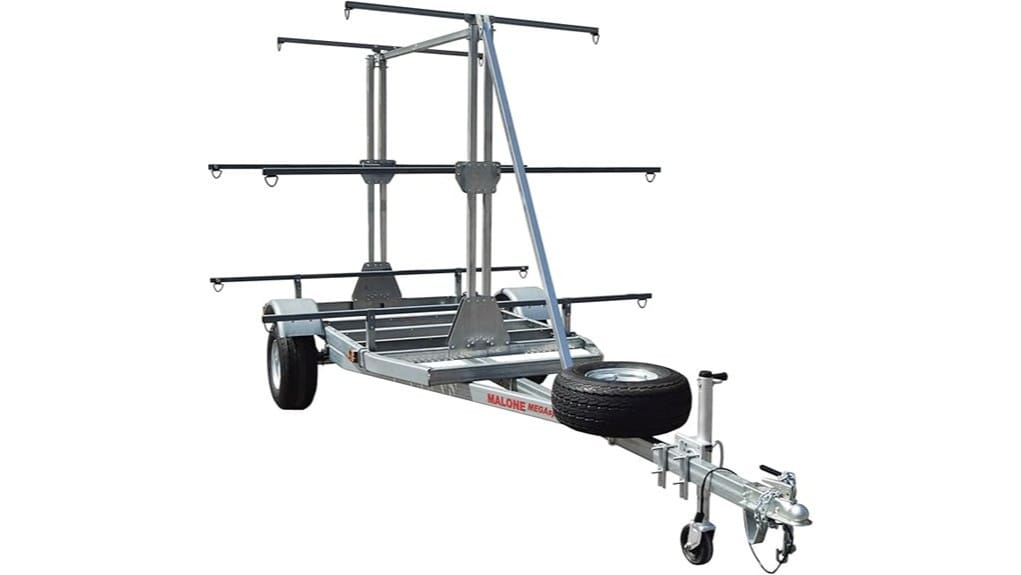
For couples getting into tandem kayaking, think about transport and storage first, because that choice will steer everything else: rentals let you try sit-on-top, sit-in, and inflatable kayaks without buying racks or committing garage space, and they usually include life jackets and a quick lesson so you can see what fits your style, while buying a hard-shell tandem saves you from buying two boats but means you’ll need a roof-rack with J-cradles or saddles and two people to lift safely or a long spot on a wall for storage; inflatables, by contrast, pack into a duffel you can carry alone and fit in most trunks, though you’ll have to dry them before stowing to avoid mildew. Decide if you want freedom to roam, then try rentals to narrow choices; when buying inspect weight ratings, UV damage, seams, handles, and know costs versus one-person boats.
Safety, Weather, and Trip Planning Tips for Couples
Before you push off, you and your partner should make a short safety plan that covers weather limits, gear checks, and who does what if things go sideways, because those few minutes of clear talk will keep you calm and quick if wind, waves, or a spill show up. You’ll check the forecast, avoiding winds over 10–15 mph or short-period chop, and pick a route that matches your fitness, keeping shore or exits in sight so you can cut a day on the water short if needed. Both wear USCG Type III PFDs, carry a whistle, bilge pump or sponge, and a spare paddle on a leash. Agree on commands, capsize drills, and watch for cold, clouds, or rising winds.
Making It Memorable: Date Ideas, Photos, and Nighttime/Picnic Trips
You’ve already covered the safety basics, so now plan the fun stuff with the same clear checklist: pick a time and place that sets the mood and matches your skill—aim for a golden hour launch about 60–90 minutes before sunset if you want soft light and calmer winds, or choose a sheltered cove or small island with shallow, calm entry points if you’re thinking picnic or easier night paddling. Bring a tandem kayak you trust, check weight capacity for people plus gear, pack a waterproof dry bag with a compact blanket, picnic-friendly foods like cheese, cured meats and grapes, and 1–2 liters of water per person. Stage photos with a tripod or selfie pole, keep a waterproof camera handy, use nav lights and headlamps for nights, file a float plan.
Some Questions Answered
Can Tandem Kayaks Accommodate a Pet or Child Safely?
Yes, you can, but you’ll need to plan: check pet safety and child seating capacity, secure proper life jackets for both, and confirm weight limits and balance so the kayak won’t tip. Bring tie-downs, a nonslip pad, and a small paddle leash, and practice short calm-water trips first, so you can test how your pet or child reacts, adjust seating, and learn safe loading and unloading without surprises.
How Do Couples Handle Seasickness or Motion Sensitivity Together?
Yes—you can handle it together by prepping and practicing: try preventive remedies like meds, ginger chews, and staying hydrated, and start with calm waters so you can test what helps, then use synchronized breathing while you face the horizon, lean into gentle strokes, and switch seats or take breaks if one gets rough. Pack anti-nausea bands, sunscreen, spare clothes, and a plan to paddle back early if symptoms worsen.
Are There Romance-Friendly Lighting and Privacy Options for Night Paddles?
Yes, you can create romance-friendly lighting and privacy on night paddles, start with soft LED lanterns that dim or switch colors, clip one near the cockpit for map light and another on a stern bungee for ambient glow, bring a lightweight privacy canopy that ties to grab loops or a paddle for shelter, pack extra batteries and a small tarp, practice setup at home, and keep lights low to respect wildlife and each other’s calm.
What Are Etiquette Tips When Passing Solo Kayakers or Motorboats?
You should give way to faster craft, maintain distance from solo kayakers and boats, and use wake awareness to angle your tandem into waves so you don’t capsize, communicate intentions with a clear verbal call or paddle signal before passing, slow and steer predictably, watch prop wash from motorboats, carry a whistle and proper lights, and pick a wide berth when unsure, keeping safety and freedom at the forefront of your decisions.
Can Couples Customize Tandem Kayaks for Different Skill Levels?
Yes — you can customize tandem kayaks for differing skills, and you should start by choosing adjustable seating and footbrace customization so each person sits comfortably and paddles efficiently, then pick a skill matched paddle for the less experienced partner to reduce strain, practice with training weighted racks to simulate load and balance, carry spare grips and a pump, and schedule short drills together, building confidence while keeping trips relaxed and freeing.