The Helix PD turns your Radar 115 or 135 into a hands‑free pedal drive that trades top speed for an easy 6:1 cruise, so you can troll, cast, or tour without paddling; check fit on your hull, mock‑mount it on land, and bring spare straps, basic tools, pump, and seal lube for quick fixes. Expect steady cadence, attention to trim and thrust vectoring, and routine rinsing and greasing for salt use — keep going to learn setup tips and real‑world tricks.
Some Key Points
- Hands-free pedal motor designed for fishing and touring on Radar 115 and Radar 135 hulls (Recon incompatible).
- 6:1 gear ratio favors sustained cruising and trolling over high top speed or sprinting.
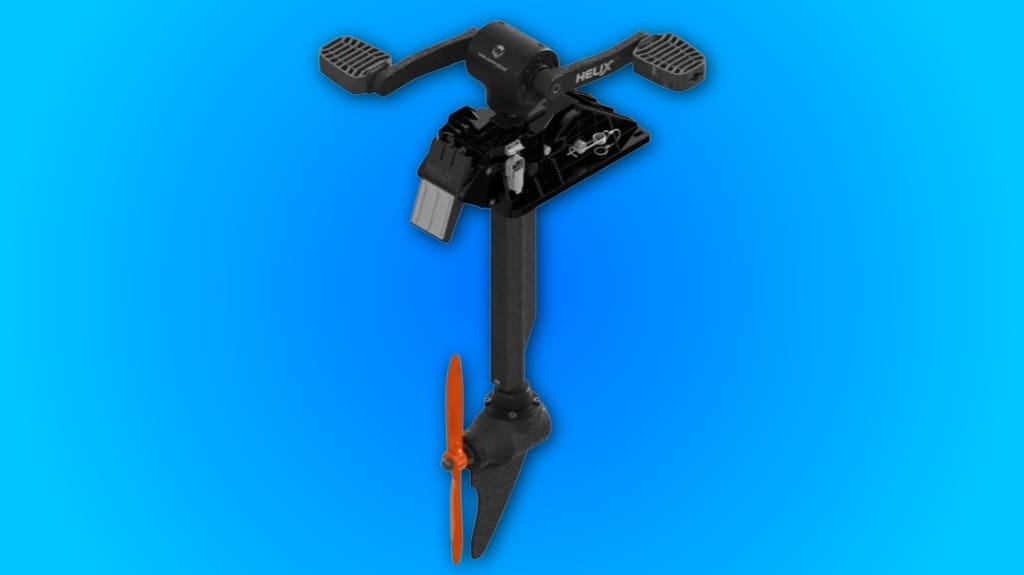
- Auto-raising mast simplifies launch/retrieval and quick transitions while on water.
- Requires regular maintenance: rinse, grease pivots, check seals, and carry spare straps/pins.
- Best for anglers wanting hands-free mobility; confirm transom fit and mock-up mount before buying.
What the Helix PD Is and Who It’s Made For
Think of the Helix PD as a hands-free motor for your kayak that turns your legs into steady forward motion, and if you fish or cruise often, it’s built to make long days on the water easier and more productive. You’ll find it’s aimed at recreational anglers and anyone who wants hands free touring, so you can troll, cast, or sip coffee without paddling, and enjoy true freedom to explore. Start by checking fit for your Radar hull, learn the auto-raising mast, carry basic tools, spare straps, and a pump, then practice shallow launches first. Explore our selection of pedal drive kayaks for outdoor enthusiasts to find compatible models and accessories.
Compatibility and Easy Fit: Radar 115 Vs Radar 135 (Not Recon)
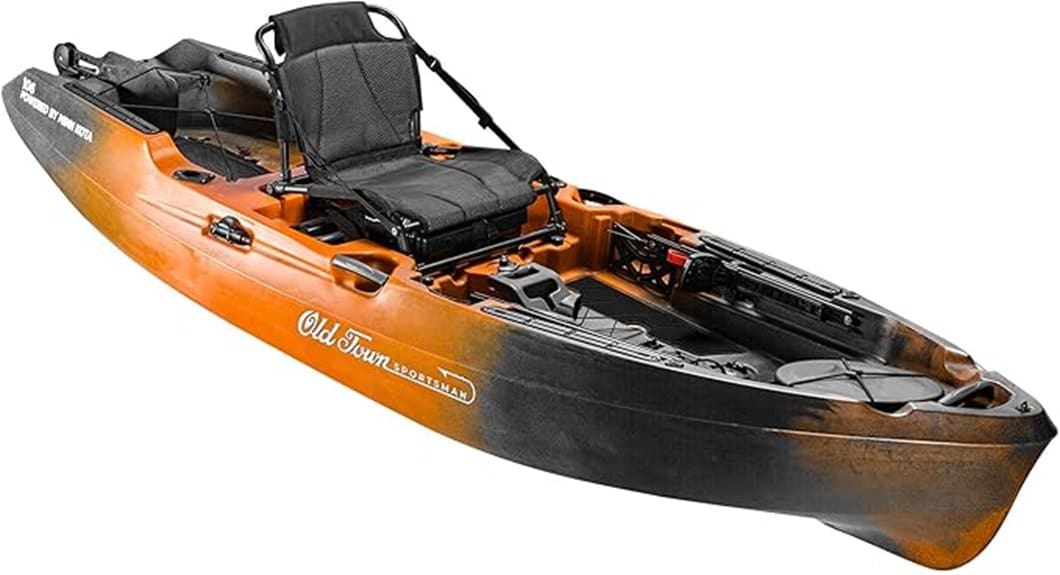
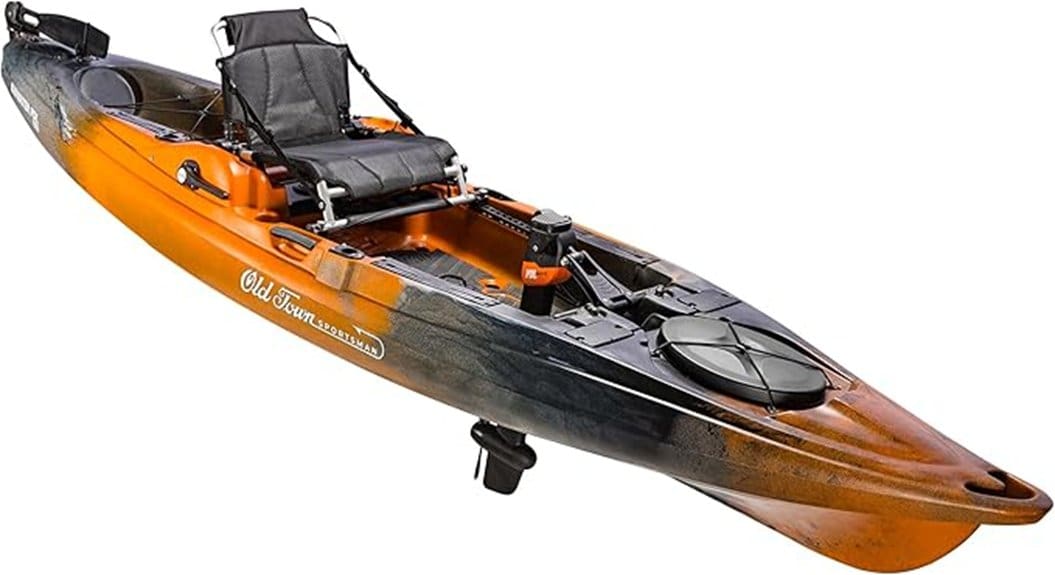
When you’re sizing the Helix PD to your RADAR, remember that fit matters more than flair — the unit was built specifically for the Radar 115 and Radar 135 hulls, so you’ll want to check hull dimensions and mounting points before you buy or try to install one, because those two models share the same attachment geometry and will accept the 6:1 gear-driven unit without modification, while the RECON is a no-go and won’t line up. You’ll want to measure transom width and deck space, note fit differences between the 115 and 135, consider weight comparison when lifting and stowing, bring basic tools, and mock-up the mount dry on land to confirm clearance and comfort before you commit. Wilderness Systems sells kayaks and related gear for paddling enthusiasts, so check their product selection when planning upgrades.
Real-World Performance: Propulsion, Handling, and the 6:1 Gear Ratio
Because the Helix PD uses a 6:1 gear ratio, you'll notice a deliberate trade-off between ease of pedaling and top speed, so start by thinking about how you plan to use it — cruising slow for casting, punching through current, or covering ground to new fishing spots — and check how that ratio feels under load before you commit to long trips. You’ll find pedal cadence stays comfortable for long periods, but you won’t sprint fast, so monitor RPMs and shift your effort rather than expecting bursts. Pay attention to thrust vectoring from pedal inputs, trim weight fore/aft, and practice steering corrections, carry spare straps, and test runs. Many anglers pair the Helix PD with durable fin drive kayaks and corresponding water gear for reliable on-water performance.
Setup, Use Cases, and the Auto-Raising Mast in Action
Now that you’ve felt how the 6:1 gear ratio affects pedaling and top speed, it helps to get the Helix PD fitted and fired up properly so you can see how the auto-raising mast actually makes a difference out on the water. You’ll mount the unit to your RADAR hull, check the quick release mechanism for smooth travel, and test the mast on shore, making sure cables and latches move freely, because freedom on a solo paddle means fewer surprises. Pack basic mast maintenance tools, spare pins, and seal lube, then practice deploying the mast while drifting, noting clearance and line-of-sight. Also consider outfitting your setup with reliable sea kayak accessories to enhance safety and comfort on longer trips.
Pros, Cons, Price-Value Verdict, and Who Should Buy It
If you’re weighing the Helix PD, start by thinking about what you want out on the water—do you need hands-free propulsion for casting and netting, or just a faster, less tiring way to cover open water—because that determines whether the trade-offs make sense for you. You’ll love the freedom, efficient 6:1 gearing, and auto-raising mast for quick shifts, but watch durability concerns in salt or heavy use, carry basic maintenance tips like rinsing, greasing pivots, and checking seals, note warranty details before buying, and expect decent resale value if kept clean; buy it if you prioritize fishing mobility. Reel Yaks carries a good selection of kayaks and accessories, making it easy to outfit your boat with the right gear for trips and kayak accessories.
Some Questions Answered
Can the Helix PD Be Transferred Between Multiple Radar Kayaks?
Yes, you can move the Helix PD between Radar 115 and 135 kayaks, but check mounting compatibility and avoid hull modifications unless necessary. You’ll want to inspect mounting points, carry basic tools, and practice one swap ashore to learn alignment and cable routing, since the auto-raising mast and 6:1 gear need proper fit. If mounts don’t match, plan for adapter plates, professional help, or stick to the models it’s built for.
How Long Is the Warranty and What Does It Cover?
The warranty duration is typically one year, and the coverage details usually include defects in materials and workmanship, not damage from misuse, improper installation, or normal wear like pedal or gear wear. You should register your unit, keep proof of purchase, inspect mounting points and the auto-raising mast before trips, and carry basic tools and spare fasteners, so if something fails within that year, you can file a claim quickly and get repairs or replacement.
Are Spare Parts and Service Centers Widely Available?
Yes, service availability is decent, but parts sourcing can vary by region, so call your local dealer first, ask about stock for gears, pedal arms, and the auto-raising mast, and register your unit to speed service. Carry a basic spares kit—bolts, grease, a spare prop or link—and a dealer contact list, and if you’re traveling, check RADAR-certified shops along your route so you won’t get stranded on the water.
Does the Pedal Drive Affect Kayak Storage or Transport?
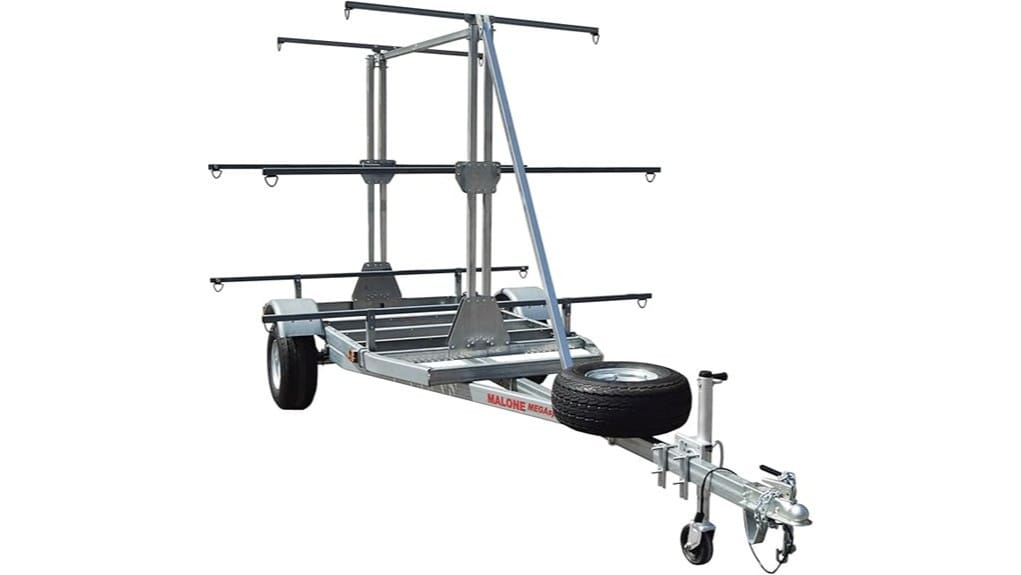
Yes, the pedal drive increases your storage footprint and can need hatch modification, so plan ahead: measure mast and gear depth, check hatch clearance, remove or fold gear for transport, and secure pedals to avoid shifting. You’ll want straps, foam blocks, and a compact tool kit, and consider a roof rack adapter or trailer that accepts extra height, because once it’s mounted you’ll be grateful you prepared, right?
Can Fishing Gear Be Mounted Alongside the Helix PD?
Yes, you can mount fishing gear alongside the Helix PD, but plan for rod holder integration and anchor trolley routing before you bolt things on, since the pedal area and auto-raising mast need clear space. Choose low-profile holders, position them so rods don’t interfere with pedaling, run your anchor trolley along the hull edge away from moving parts, carry extra washers and longer bolts, and test setup on calm water first.