Look for women‑led programs with certified guides (ACA/BCU), small groups, clear gear lists and staged skill plans, and ask if drysuits, PFDs, or loaner kit are included, because you’ll want a fitted PFD, spray skirt, spare paddle, layers and neoprene booties for cold water; start with a one‑ or two‑day clinic to build strokes, wet exits, and rescues, check refund and shuttle policies, and expect mentorship and safety briefings — keep going for details on formats, gear, and stewardship.
Some Key Takeaways
- Choose the right format: weekend retreat for comfort, 1–3 day clinic for technical gains, or multi‑day expedition for leadership and navigation practice.
- Prioritize women‑led, female‑focused instruction with certified guides (ACA/BCU) and wilderness first aid or responder training.
- Verify group size and pace: clinics ~6–8 for hands‑on coaching, retreats up to ~12–16 for social learning, expeditions 8–12 for safety.
- Confirm cold‑water safety curriculum: wet exits, self‑rescue, assisted rescues, drysuit fitting, and emergency/evacuation plans.
- Ask for clear pre‑course plans, detailed kit lists (PFD, spray skirt, spare paddle, repair kit, dry layers), refund and shuttle policies.
What “Women’s Winter Workshops” Actually Teach and Who They’re For
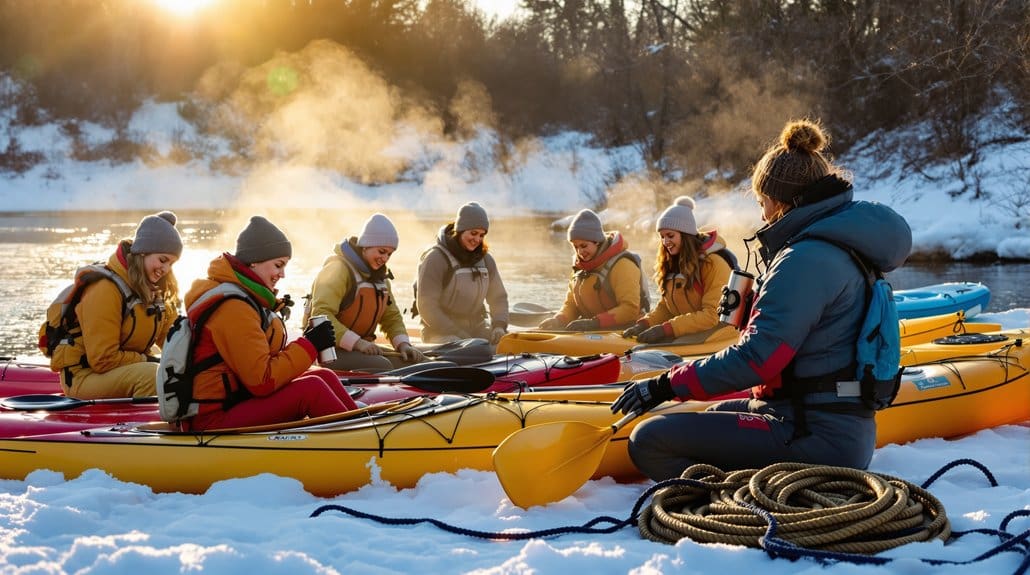
When you sign up for a women’s winter paddling workshop, expect to learn the same core paddlecraft skills you’d get in warmer months—strokes, edging, wet exits, and self-rescue—but taught with cold-weather tweaks and plenty of hands-on practice, usually in instructor‑provided boats, paddles, PFDs and semi‑dry or wetsuit gear so you don’t have to bring everything yourself. You’ll work on sea kayaking and river basics, practice rolling and swimming gear to shore, and learn to read water and pick safe lines, all while instructors coach confidence and fear-management as you expand your comfort zone. Pick a small group with certified coaches, plan to borrow core kit if offered, expect progressive sessions and a mobility class, and arrive ready to learn at your skill level. Many workshops also include guidance on staying safe and comfortable in cold conditions, including choosing the right winter drysuit and layering system.
How to Choose the Right Format: Retreat, Skills Clinic, or Multi-Day Expedition
Start by matching the time you can give and the pace you want—pick a weekend retreat if you’ve only got a couple of days and want gentle coached sessions, meals provided, and a smaller commitment, choose a one- or two-day skills clinic if you’re after focused stroke work, wet exits, and quick progression with certified instructors, or sign up for a multi-day expedition when you can commit to longer travel, campcraft, and leadership practice. Think honestly about your current skill level and what you want to improve—if you’re newer, prioritize small-group support and included gear so you can learn without worrying about logistics; if you’ve already rolled and scouted, look for trips that push navigation, portaging, and decision-making. Finally, check group size, support, and policies up front—ask how many people per guide, what safety gear and shuttles are provided, what deposit and refund rules apply, and pack the basics first: dry layers, a suitable PFD, a spare paddle, and a simple repair kit. Consider also whether the program offers drytops and gear recommendations to ensure you have appropriate clothing and equipment for colder conditions.
Time Commitment And Pace
If you're juggling work, family, or other obligations, pick the format that actually fits your calendar and energy, not the one that sounds most adventurous; a weekend retreat will give you concentrated coaching, meals, and sometimes a bunk on-site so you can learn quickly without arranging childcare or hauling a bunch of gear, a 1–3 day skills clinic lets you zero in on strokes, flatwater assessments, and rescue practice with measurable takeaways and minimal overnight planning, and a 5–10+ day expedition asks for multi-day gear, pre-trip coordination, deposits, and a slower pace where you build endurance, campcraft, and leadership through repeated, real-world practice—so first check how many consecutive days you can realistically commit and how much recovery time you’ll need afterward, then match that to whether you want rapid feedback and convenience (retreat/clinic) or lifestyle immersion and deeper, incremental learning (expedition).
Next, consider logistics: retreats and skills clinics often include gear, meals, and nearby lodging so you carry less and can drop in, while expeditions expect you to bring multi-day kit, layered clothing, sleep system, and sometimes navigation tools, so ask organizers for a kit list, shuttle details, and deposit/refund policies before you sign up; finally, be honest about energy—pick a pace that leaves you wanting more, not one that burns you out.
Consider packing essentials from our beginner-friendly kayak gear list so you have reliable equipment without overpacking.
Skill Level And Progression
Because your time, goals, and current skills all matter, pick the format that actually matches what you want to learn and how fast you want to learn it: choose a weekend retreat if you’re looking to build confidence, learn basic strokes and flatwater handling, and enjoy coached practice plus social time with low gear needs; pick a skills clinic when you want focused, measurable improvement in things like edging, bracing, wet exits, and rolling, and look for courses that include sheltered-water drills, instructor feedback, and an ACA- or clinic-aligned syllabus; and opt for a multi-day expedition only once you’ve got steady strokes and some rescue practice under your belt, because expeditions are where you’ll practice navigation, campcraft, portaging, and group leadership in real conditions, which is the most powerful way to synthesize skills but also the most demanding on gear and stamina. Choose retreats to test the water, clinics when you want technical Skills growth under guided paddling, and expeditions for immersive practice led by experienced female guides, check course outlines, ask about drills, bring well-fitted PFD, spray skirt, and a spare pump, and start with a clinic if you want measurable progress before committing to longer trips. For planning longer outings, consider gear and boat selection recommendations from our touring kayak guide to match trip type and conditions.
Group Size And Support
You’ve thought about your skill level and the kind of progress you want, now think about how many people you’ll be paddling with and what kind of support you’ll need: smaller groups—around 6 to 8 for clinics, up to 16 for retreats—mean more one-on-one coaching, quicker feedback on edging, bracing, or rolls, and stronger social bonding, while multi-day expeditions keep parties tighter, usually 10–12 or fewer, because tents, shuttles, permits, and safety gear get harder to manage as numbers rise. Pick clinics or retreats for concentrated skills, yoga, and a supportive environment with clear instructor ratios, pick expeditions for immersive leadership practice and tight cohort work; check guide gender, stated group size, deposit rules, and pre-trip gear lists before you commit. Consider packing an essential kayaking checklist so you’re prepared for weather, safety, and campsite needs.
Key Skills Covered in Winter Paddling and Cold‑Water Workshops
When you sign up for a winter paddling workshop, you’ll get hands‑on practice with the things that keep you safe and comfortable on cold water—how to layer a system so sweat moves away from your skin, which midlayers trap heat, and when to pull on a drysuit or a semi‑dry top so you don’t end up chilled before you even land. You’ll build outdoor skills, cold‑water safety, winter navigation, edging, carving and bracing so you can move with confidence, practice wet exits and self‑rescue drills in controlled cold, and learn to spot hazards like ice edges and shifting currents. Pay attention to PFD fit, insulated booties, pogies and stove safety, practice short routes first, and ask about emergency protocols. Workshops also often cover choosing appropriate cold‑water gear like immersion suits and insulated accessories for extended trips.
Safety, Rescue, and Cold‑Weather Gear to Expect and Compare
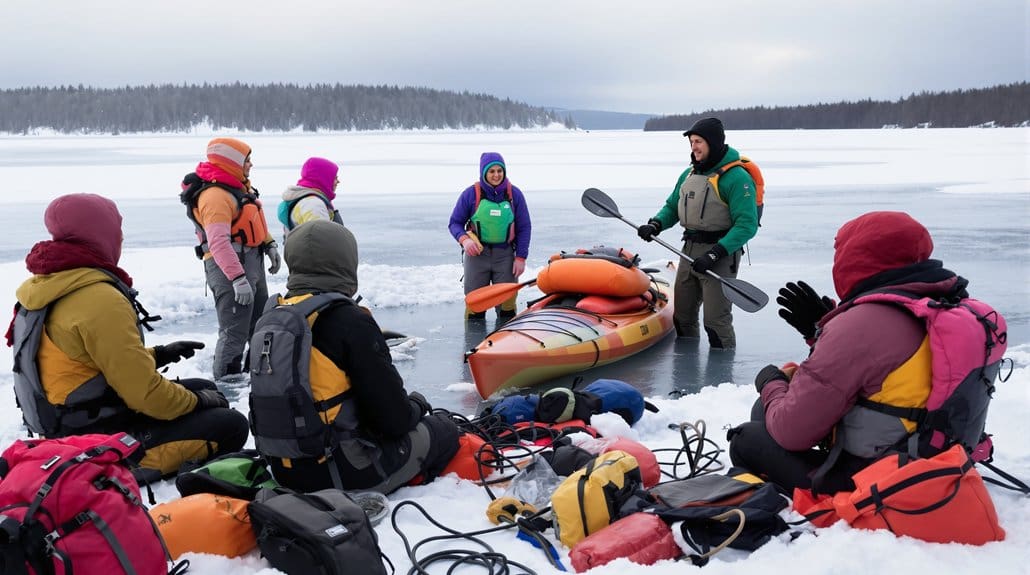
You’ve already learned the skills that keep you moving and warm on cold water, so now look closely at how courses handle safety, rescue, and gear so you can pick one that actually protects you in a worst‑case moment. Check that they teach wet exits, self‑rescue, assisted rescues like throw bags and paddle floats, and shore procedures that limit hypothermia, and ask whether rescue drills progress from flatwater to moving water with small group ratios, because practical practice beats theory. Compare who supplies gear — PFDs, drysuits or insulated wetsuits, neoprene booties, spray skirts and throw ropes — and whether fittings and PPE checks are included, plus medical items, emergency comms and clear evacuation plans for your canoe trip and other outdoor experiences in the natural world. Consider also whether instructors emphasize proper use and placement of kayak flotation bags to improve stability and reduce swamping.
Instructor Credentials and Women‑Led Teaching Styles That Matter
Because the right instructor can change how confident you feel on cold water, start by checking credentials and teaching style before you book, and ask for specifics: look for formal certifications like ACA or BCU/BCP plus Wilderness First Aid or First Responder training, and aim for guides with years of real guiding under their belts rather than just weekend instructor clinics. You want teachers who blend technical skill—strokes, wet exits, scouting—with mentorship, who build skills slowly so you gain confidence every day, who run substance-free spaces and share clear pre-course plans and gear lists, and who model representation, women-led teams and values you trust. Ask about experience, teaching progression, how they include like-minded women, and how they enforce safety. Also check that the program lists recommended personal safety items and essential safety gear so you arrive prepared.
Program Logistics: Duration, Group Size, and How Immersive the Experience Is
When you’re choosing a workshop, check the duration and pace so you know whether you’ll be signed up for a quick weekend clinic that focuses on core strokes and rescue practice, an 8–10 day specialty trip with daily technical challenges, or a multi-week stay where skills get woven into camp routines and meals. Look for programs that cap groups around 8–12 people—many keep it to about 10—so you’ll get hands-on coaching, safer shuttles and clearer guidance on what to pack (dry layers, a spare PFD, and basic repair kit), and ask how much gear and lodging they provide versus what you’re expected to bring. Finally, decide how immersive you want the experience to be by asking whether instruction is day-only, includes guided nights with full logistics, or follows a progressive practice plan that moves from flatwater to portages as your confidence grows, because that tells you how much time you’ll spend practicing, cooking, piloting, and living the skills.
Duration And Pace
For the first step, think about how much time you want to spend away and how deep you want the learning to be, because programs can run from a single weekend (Friday night to Sunday afternoon) to longer field schools and multi-week expeditions, and that choice shapes everything from daily pace to what gear you’ll need to carry. Pick a duration that fits your life and your appetite for immersion, seasonal pacing matters—winter clinics push quick drills and confidence, field schools layer skills over weeks, with restorative breaks built in so you don’t burn out. Look for clear learning milestones, ask about daily schedules, plan to bring layered clothing, a personal kit, and basic group etiquette, then commit to the pace you choose.
Group Size Limits
Once you’ve picked how long you want to be out and how intense the daily pace should feel, the next thing to pin down is how many people you’ll be learning with, because group size shapes everything from how much one-on-one coaching you get to how relaxed camp life feels. You’ll want small groups when you crave freedom to explore skills, so look for programs that cap participants around 10–12, which matches many Allagash-style limits, and note minimums too, often eight, for logistics and safety. Ask about instructor ratios, what gear per person is provided, and any island limits that affect camp layout or portage party size. First step: call the organizer, confirm ratios, then pack layers and a mindset ready to share space.
Immersion Level Explained
If you want a real in-depth exploration into paddling and backcountry living, pick the immersion level that fits your time, goals, and comfort with close-quarters group life, because duration, group size, and how “full” the program is will shape everything from how fast you’ll build skills to what gear you’ll actually need to bring. Choose a weekend to test basics, a 10-day canoe trip to practice terrain transitions like lake to river and portages, or a three-week field school plus river week if you want bushcraft and steady progression. Look for small cohorts, clear seasonal logistics, and staged skill plans, pack layered kit and a few tools, and prepare mentally—your mental endurance matters as much as technique.
Accessibility and Inclusivity: Pricing, Physical Demands, and Accommodations
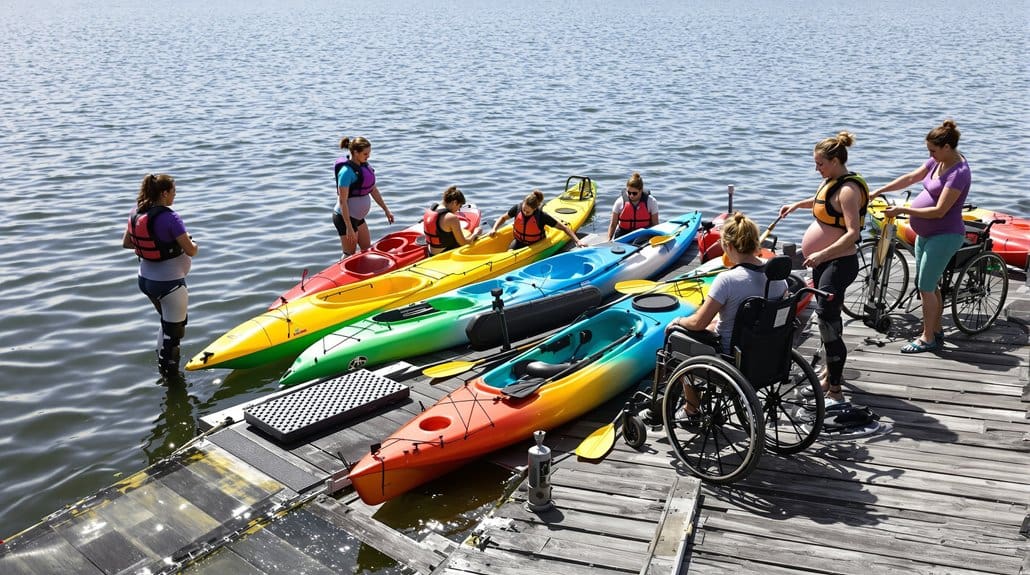
While you’re comparing workshops and signing up, pay close attention to what’s included, who the course is meant for, and how the organizers handle different needs, because those details tell you whether a trip will fit your body, budget, and comfort level; look for programs that cap group size (usually 8–12) so instructors can give one-on-one help, check that core gear like boats, paddles, PFDs and wetsuit bottoms are provided, and note which costs you’ll cover separately—flights, extra nights, or personal kit. Also ask about sliding scale fees, equipment loans for different body sizes, and sensory access options, tell leaders about health limits so they can adapt plans or roles, expect clear physical progressions, and carry a simple personal kit list.
Cultural and Environmental Content: Stewardship vs. Cultural Appropriation
When you’re planning a winter paddling workshop, start by checking whether organizers have active partnerships with local Indigenous communities or Indigenous-led outfitters, ask how cultural content was approved, and make sure any storytelling or place-name lessons are taught with permission rather than presented as casual “culture sessions.” Bring and follow clear stewardship practices — know and use leave-no-trace basics, join conservation projects or shoreline cleanups when offered, and look for programs that support local watershed monitoring so your trip leaves the place better than you found it. If you’re unsure about a planned activity, ask who was consulted, who’s being paid for their knowledge, and what’s intentionally excluded (like sacred ceremonies), because respecting boundaries and compensating knowledge-keepers is the first step toward responsible, educational trips.
Respectful Cultural Boundaries
Because paddling connects you to places that have long stories and ongoing stewards, start by treating cultural material like fragile gear—you handle it carefully, you ask before you touch, and you don't improvise repairs with things that don't belong to you. You want programs that show clear boundary setting, consent protocols, and curricular limits, so look for course descriptions that say what they'll teach and what they won't, and that point you to Indigenous-led events for spiritual or ceremonial learning. Carry curiosity, not entitlement, ask who owns a story or place name, and expect staff trained in cultural humility to redirect requests respectfully. Seek workshops that compensate local knowledge holders, label content accurately, and make environmental stewardship the core, not borrowed ceremonies.
Land Stewardship Practices
Starting your trip with stewardship in mind means treating the land and water as partners, not props, so look for workshops that make conservation a clear, practical part of the day—things like shore cleanups, invasive plant pulls, or simple habitat-restoration tasks you can learn and repeat on your own. You’ll want programs that teach shoreline monitoring, show how to set up native plantings to stabilize banks, and explain basic erosion control during launches, and they should document results like pounds of trash removed or plants restored so you know impact. Bring gloves, a trash bag, a small GPS or phone to record locations, and a willingness to follow local guidance, and expect clear roles, fair community partnerships, and practical, repeatable skills you can use after the workshop.
Collaborative Indigenous Consultation
You’ll want to carry the same stewardship mindset into how cultural material gets included in a workshop, because good environmental care and respectful cultural work go hand in hand—look first for outfitters who’ve reached out to local Indigenous nations early, with written agreements that spell out scope, pay, and control over how stories, language, or ceremony are shared. You should ask about Indigenous partnerships, insist on Consent protocols, and expect Co created curricula led or approved by Indigenous educators, not performed by non‑Indigenous staff, so teachings stay accurate and respectful. Check contracts for compensation, IP and permission records, see how stewardship actions reflect Indigenous land‑care, and carry a humble, curious stance—do you want to learn, or to appropriate someone’s practice?
Community and Mentorship Outcomes: Confidence, Networks, and Leadership
When you join a women-focused paddling course, expect more than skills drills and safety briefings — look for intentional mentorship, paired guides, and alumni connections that help you stick with the sport and grow faster; within a day or two of guided practice most people report real jumps in confidence, so bring a curious attitude, a basic kit (PFD, layered clothing, waterproof bag, a spare paddle if possible), and be ready to ask for feedback and for someone’s contact info so you can keep practicing with peers after the course ends. You’ll find peer mentorship, alumni leadership, and reciprocal coaching build real networks that keep you paddling, create leadership paths into paid guiding, and let you trade tips, plan trips, and grow skills together, so lean in, follow up, and offer help back.
How to Evaluate Reviews, Media, and Pre‑Course Communications
You’ve just heard how mentorship and alumni networks keep you paddling, so now look at the reviews, media, and pre-course messages that will tell you whether a program actually delivers on that promise — start by scanning reviews for specific mentions like “female-led instruction” or “supportive coaching,” and if most comments (say 70–80%) repeat that language, that’s a strong sign the teaching style matches what you want. For review framing, note mentions of group size, instructor ratios, and cultural or substance policies, and flag any silence on respect for Indigenous practices. For media verification, watch videos for real drills and progression, note podcast timecodes that dig into curriculum, and prefer authentic over glam shots. For precourse clarity, expect clear gear lists, itineraries, safety plans, and access to planning networks before you commit.
Booking Checklist: Deposits, Prep Resources, and What to Pack for Winter Paddling
Before you put money down, take a breath and run through the essentials so you won’t be surprised later: check the deposit amount and cancellation policy (most women-focused programs ask for a non‑refundable $150–$300 or about 10% of the trip cost), confirm what gear they actually provide versus what you must bring or rent, and make sure their pre-course materials—gear lists, itineraries, waivers, and any online portal access—arrive with enough lead time to fill out forms and do the recommended reading or skills checks two to four weeks before the workshop; also tuck a copy of your registration and deposit receipt into your email and phone, note emergency contacts and insurance info, and plan to bring or budget for cold‑water essentials like a drysuit or insulated layers, neoprene gloves, and a hot‑drink bottle so you’re physically and administratively ready the moment the course team expects you. You’ll watch for deposit reminders, confirm checklist distribution and portal login, pack thermal layering—warm base, insulating mid, waterproof shell—plus spare dry clothes, hand warmers, waterproof phone case, snacks and a tiny first‑aid kit, and double‑check what the outfitter covers so you only rent what you truly need.
Some Questions Answered
Are There Women‑Only Gear Rental Options on Site?
Yes — many programs offer women‑specific, on site gear rental and fitting, and some run community swaps for used gear, so you can try sizing and styles before you buy. When you arrive, ask staff about female‑cut PFDs, wetsuits or drysuits, and helmet fits, try multiple sizes, note brand fit differences, and bring socks and a thin base layer for fittings, then swap or rent what matches comfort and freedom of movement.
Can Nonbinary or Trans Participants Attend These Women‑Focused Workshops?
Often yes, you can attend, but check each program’s participant policies and inclusive language first, call or email to ask about gender affirming practices, and request accommodations like stop‑gap name tags or restroom info; bring ID, a layered drysuit system, and any pronoun card you want to use, and be ready to explain needs calmly. If policy’s unclear, ask organizers for specifics, or seek programs that explicitly welcome trans and nonbinary paddlers.
Is Childcare or Family Accommodation Available During Multi‑Day Retreats?
Often yes, programs offer on site babysitting, partner activities, or family cabins, but you’ll need to confirm details up front, ask about ages covered, caregiver credentials, and extra fees. Pack a comfort kit for your child, ID, meds, and a familiar toy, then reserve spots early, request meal plans or quiet times, and plan backup care if needed. Call organizers first, get written policies, and breathe — you’ll be ready.
Are Scholarships or Sliding‑Scale Fees Offered for Financial Need?
Yes, many programs offer income based aid, need based grants, or flexible pricing so you can join, and you should first check the program’s website for application deadlines, required documents like proof of income, and sliding-scale options, then email organizers to ask about limited spots or gear loans, pack essentials like layered dry clothes and a paddle jacket, and apply early, explaining your situation clearly to increase chances.
Do Workshops Accommodate Participants With Sensory or Neurodiverse Needs?
Yes, many workshops do, and you should ask about quiet spaces, sensory guides, and individualized pacing right away; look for programs that offer small groups, pre‑visit photos or videos, and clear schedules, bring noise‑reducing headphones, a comfort item, and a written cue sheet, tell instructors your triggers and preferred pace, request breaks or one‑on‑one time, and confirm emergency contacts and alternate communication methods before you arrive.