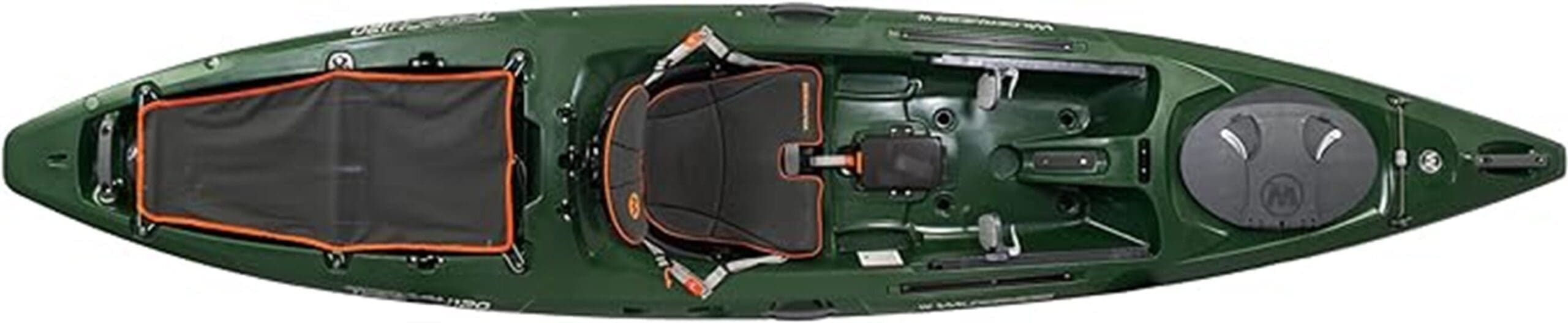

You’ll find the Tarpon 120 is a compact, stable fishing kayak that paddles straight for long hauls, turns crisply if you trim weight and use hip snaps, and gives you a roomy Phase 3 AirPro seat for long days; check SlideTrax rail placement, secure a DryTec box for valuables, keep heavy gear low in the rear tank well, practice feathered strokes to reduce chine catch, bring an extra paddle and anchor, and keep an eye on magnetic bottle fastenings—more tips ahead.
Some Key Points
- Stable, compact kayak with good straight-line tracking and nimble turning for fishing and general paddling.
- Phase 3 AirPro seat offers roomy, adjustable comfort and lower-back support for long days on the water.
- Rear tank well and DryTec center storage provide versatile cargo space for coolers, crates, and valuables.
- SlideTrax rails enable easy mounting of rod holders, electronics, and accessories to optimize fishing setup.
- Best for solo anglers and budget-minded fishers; consider longer/tandem models for speed or two-person use.
Quick Verdict and Essential Specs for the Wilderness Systems Tarpon 120
If you’re serious about fishing but don’t want a giant boat, the Tarpon 120 gives you a compact, stable platform that’s ready to work right out of the hatch, and you’ll want to check a few things first to get the most from it. You’ll like the roomy Phase 3 seat for long days, the DryTec box for valuables, and the rear tank well for gear, so pack smart, balance weight, and test quiet paddling to avoid spooking fish or annoying neighbors during urban commuting to the water. Check rails, fasten the magnetic bottle, and practice loading before you go. Wilderness Systems also offers a full lineup of kayaks and accessories designed for paddling adventures, so consider their broader product range when planning gear and upgrades.
How the Tarpon 120 Paddles: Tracking, Stability, and Maneuverability
When you hop into the Tarpon 120, you’ll notice it paddles like a compact workhorse, tracking straight enough for long hauls yet nimble when you need to pivot around a snag or a spawning bass, so pay attention to how you load it and where you put your weight; keep heavier gear centered and low in the rear tank well, clip small items into the DryTec box or accessory rails, and you’ll keep the hull sitting properly for better tracking and less chine catch when you turn. Notice tracking nuances in wind, match paddle cadence to conditions, and steer with subtle hip shifts; the hull responsiveness rewards smooth strokes, giving you turning agility when you feather strokes and shift weight, so practice short burst sweeps, trim gear fore or aft for fine control, and you’ll feel free to explore tight flats or wider bays with confidence. Modular kayaks offer customization for different trips and gear layouts, making them adaptable to varied water adventures and storage needs, so consider how configurable setups can optimize your on-water experience with modular configurations.
Seat Comfort and Cockpit Ergonomics: Phase 3 AirPro Tested
You're going to notice the Phase 3 AirPro seat right away, and for good reason: it’s built to keep you comfortable on long fishing days, with adjustable positioning, mesh covers that breathe, and honeycomb-vented 3D foam that supports your lower back so you don't slump after a few hours. You’ll appreciate the seat adjustability, which lets you raise, tilt, or move fore and aft to find balance for paddling or casting, and the mesh ventilation keeps you cool when the sun’s on. Test adjustments before launch, tighten straps as needed, and bring a small pad if you want extra cushion. Sea Eagle owners and those shopping for touring kayaks often prioritize durable gear and accessories that enhance on-water comfort, such as kayaks and other products suited to long adventures.
Storage, Accessory Rails, and Fishing Setup Options
Start by checking the rear tank well and DryTec center storage to see how you’ll actually use the space, because the Tarpon 120 gives you a lot of options for laying out gear, and how you load it affects balance, reach, and comfort on the water. You’ll tuck crates, coolers, or a small camping setup in the tank well, keep valuables in the DryTec box, then plan accessory customization with SlideTrax rails for rod holders, cameras, or a fishfinder, arranging tackle organization close at hand so you can cast, land, and stow quickly without shifting your weight. Gear up for Epic Water Adventures with Solstice Kayaks for all your paddling needs.
Who Should Buy the Tarpon 120 and Alternatives to Consider
Curious who the Tarpon 120 really suits? If you crave freedom on the water, you’ll love this stable, comfy angler kayak, especially if you’re a devoted solo fisher, budget anglers easing into gear-heavy trips, or family paddlers who want a reliable craft for mixed uses, like fishing then picnic packing. You should look for the Phase 3 seat comfort, roomy rear tank well for crates or coolers, and SlideTrax rails for mounting rods or a camera, and carry a dry box, extra paddle, anchor, and basic tackle kit. If you want more speed or tandem options, compare lengthier or two-person models. Retrospec’s lineup also offers affordable, entry-level kayaks suitable for casual paddlers and beginners, making it easy to find complementary gear for different adventures and skill levels; check their kayak selection to match needs.
Some Questions Answered
Can the Tarpon 120 Be Transported on a Car Roof Rack Alone?
Yes, you can roof mount the Tarpon 120, but you’ll want a proper rack and attention to weight distribution, so the kayak sits centered and nose and tail aren’t hanging too far off, which stresses straps and your crossbars. Start with padded saddles or foam, use cam straps and bow/stern tie-downs, check clearances, and tie the removable DryTec box inside or carry valuables with you, just in case of bumps.
Is the Kayak Compatible With Pedal-Drive Systems?
Yes, you can often add a pedal retrofit, but check drive compatibility first: you’ll want a kit that fits the Tarpon 120’s hull, mounting points, and scupper layout, otherwise steering and clearance suffer. Start by measuring the hull width and transom area, bring photos to a dealer, and ask about prop clearance, weight limits, and battery or cable needs; carry basic tools, extra bolts, and a friend for installs, just in case.
What Is the Warranty Period and Coverage for This Model?
The warranty duration is typically five years for the hull, with one to two years for components, and coverage specifics usually include defects in materials and workmanship but exclude normal wear, misuse, or modifications, so you’ll want to register the kayak, keep purchase records, and photograph any issues right away; contact the dealer or Wilderness Systems for claim steps, expect to ship parts or bring the boat in, and ask about transferable terms if you resell.
How Difficult Is Assembling or Removing the Drytec Box?
It’s easy to remove or install the DryTec box, you’ll lift the removable box from its recessed drytec placement, slide it out, and reverse the steps to re-seat it, but check the latch maintenance first so the closure stays watertight. Carry a small screwdriver and silicone grease, wipe mating surfaces, test the latch engagement, and practice once on shore so you can swap gear quickly on the water without fuss.
Are There Color Options or Finish Variations Available?
Yes, you’ll usually see a few color options and different finish textures, so pick a shade that suits fishing visibility or style, and check for matte or glossy hull coatings that resist scratches. First, inspect dealer photos and ask about current stock, then feel samples if possible, noting how textures hide scuffs or reduce glare, carry sunscreen-safe wipes, and choose a color that stays cool in sun while matching your gear.