A recreational kayak is a great first boat for you because its wide, stable hull and comfy adjustable seat make learning strokes and re‑entry easy, sit‑on‑top models handle beaching and self‑drain, and tough rotomolded or lighter thermoformed shells match your transport needs; look for a paddle, USCG PFD, leash, and practice near shore, check footbraces and hatches, and try a demo or used model to be sure it fits — keep going and you’ll find gear, sizes, and local tips next.
Some Key Takeaways
- Stable, wide hulls and sit-on-top designs make recreational kayaks forgiving and confidence-building for first-time paddlers.
- Rotomolded sit-on-tops offer exceptional durability for beaching, rentals, and rough handling.
- Shorter (9–11 ft) rec kayaks are easy to store, transport, and maneuver for lakes and calm rivers.
- Look for adjustable supportive seats, reachable footbraces, and secure hatches to improve comfort and control.
- Carry a USCG-approved PFD, paddle leash, and practice re-entry near shore before venturing farther.
Why a Recreational Kayak Is the Best First Boat for Beginners

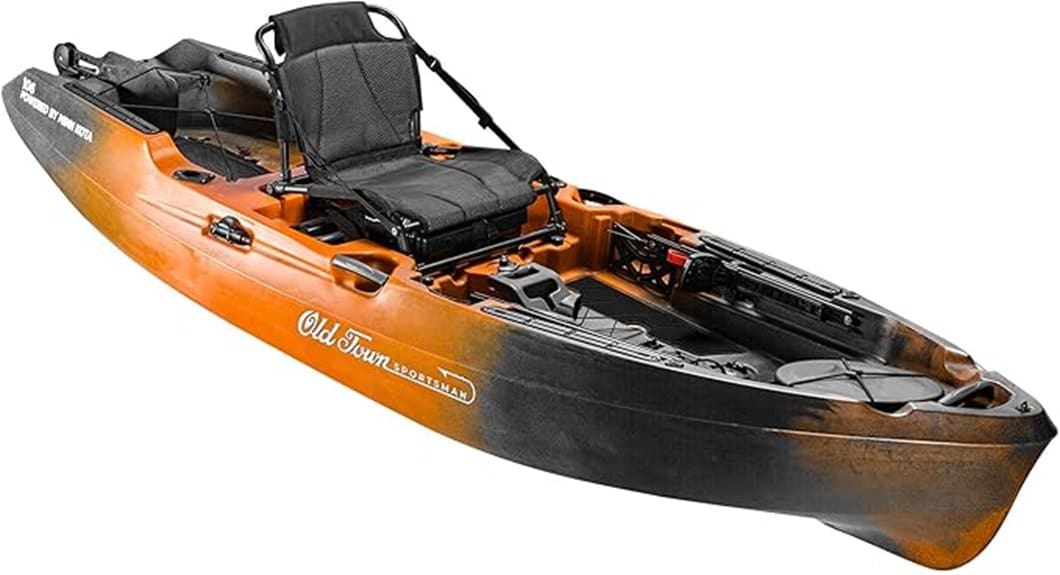
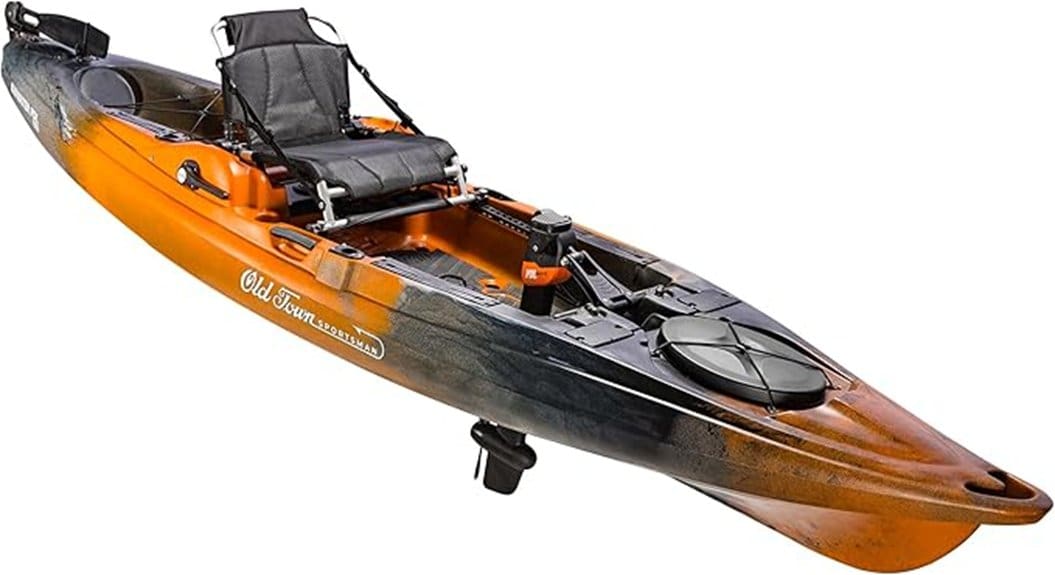
Usually, you’ll find a recreational kayak makes the best first boat because it’s built to take the guesswork out of getting on the water: they’re short and wide, which gives you stable footing so you can practice paddling, turning, and getting back in without feeling wobbly, and many popular models use tough rotomolded plastic or sit-on-top designs that drain themselves, are easy to step into and out of, and stand up to beaching and family use. You’ll want a recreational kayak with a stable hull, adjustable seating for comfort, and an easy to enter cockpit or true sit-on-top design so you can climb back on if you capsize, check for storage wells or simple hatches for your gear, pick beginner kayaks with modest capacity and durable material, bring a life jacket, paddle leash, and practice re-entry near shore. Many paddlers prefer sit-on-top models for casual outings because of their easy access and durability.
Which Hull Shapes and Dimensions Matter for Stability and Tracking
If you want a kayak that feels steady under your knees and holds a straight line without constant correction, start by paying attention to hull width, length, and the keel shape, because those are the things that most change how a boat behaves on the water; wider beams (around 28–34 inches) give you the rock-solid primary stability beginners love, but they’ll usually trade away some top speed and straight-line tracking, while a longer waterline (think 11–13 feet instead of 9–10) smooths out the glide and helps the kayak track better so you don’t have to correct every few strokes. Look for a wider hull if steadiness matters, check beam-to-length ratio, prefer a subtle keel or shallow V and hard chines for better tracking, note rocker—more means easier turns but poorer straight-line performance, and choose a stiffer hull material to hold shape and tracking over time. Our shop focuses on stable touring models built for reliability and comfort, especially those with proven tracking performance.
Sit‑On‑Top vs Sit‑Inside: Which Recreational Style Fits You?
Deciding between a sit‑on‑top and a sit‑inside kayak comes down to where you'll paddle, how often you'll get wet, and what you want to do once you're on the water, so start by picturing a typical outing — are you launching off a sandy beach for a sunny afternoon with the kids, or planning longer flat‑water trips when the air is cool and you want to stay dry? If you want freedom to hop on and off, a sit-on-top with wide hulls, strong stability, scupper holes that drain water, and easy entry and exit makes sense, especially for fishing or beach days. If you value staying dry, choose a sit-inside with a storage hatch, enclosed cockpit, sprayskirt options, and slightly better tracking for longer runs. Consider also how a kayak’s skeg system can improve straight-line tracking on windy or choppy days.
Materials and Construction: Rotomolded, Thermoform, and Foldable Trade‑Offs
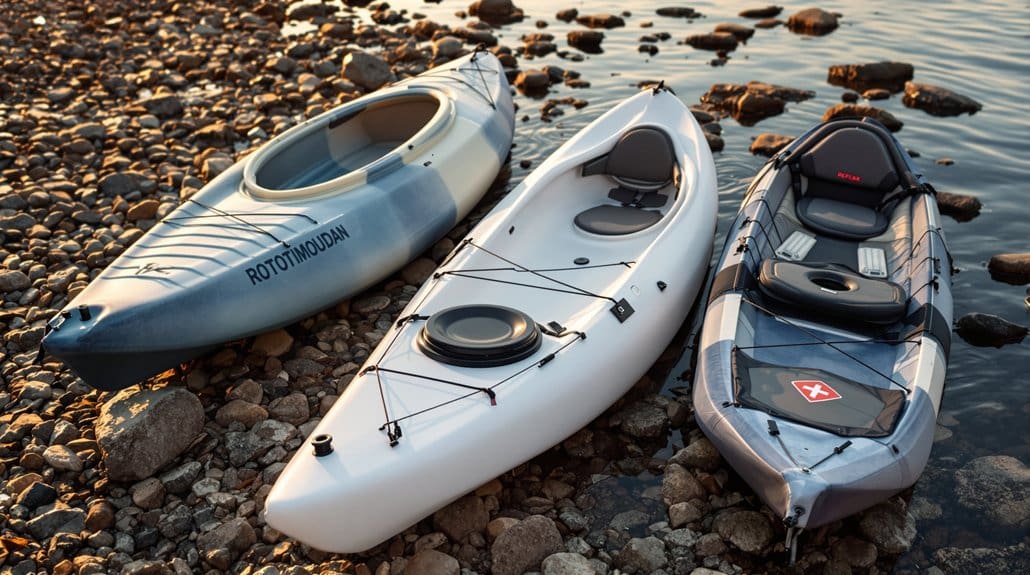
You’ll want to start by matching material to how you’ll actually use the boat: rotomolded polyethylene is tough and forgiving for beaching and bumps, but it’s heavy so plan for a strong roof rack or a cart to move a 35–60 lb single. Thermoformed hulls give you a stiffer, lighter boat that tracks and glides better for the same price tier, so if efficiency matters look for double‑layer or Ram‑X panels and inspect for thin spots or stress cracks. If you need to carry your kayak on transit, stairs, or short trips, consider folding or inflatable hybrids that pack small and weigh much less, just remember they won’t be as stiff in chop, need careful storage, and you should carry a repair kit and a pump. Wilderness Systems offers models and accessories designed for paddlers at all levels, including options optimized for recreational performance and gear to support outings.
Rotomolded Durability Vs Weight
When you’re weighing rotomolded versus lighter options, think about what you’re actually going to do with the boat most of the time, because that’ll tell you whether you need an almost-indestructible hull or if you can trade pounds for performance and portability. If you beach a lot, rent to friends, or want a beginner-friendly kayak that forgives bumps, rotomolded polyethylene is your ally, it takes hits, needs little care, and lasts. If you crave easier car‑topping and better glide, a thermoformed hull or lighter sit-inside helps, but treat it gentler. If you live in an apartment or fly often, consider a folding kayak or inflatable kayak for packability, just expect less stiffness and avoid sharp rocks. Decide by use, then buy matching gear and care. Foldable kayaks are ideal for adventurers who need both portability and reasonable performance, especially for multi-day trips or urban storage, and you can learn more about origami kayaks as a packable option.
Thermoform Stiffness And Efficiency
You’ve already thought about whether you need a nearly indestructible hull or something lighter you can carry to the car, so next look at how thermoformed boats sit between those two extremes: thermoforming (vacuum or pressure forming) makes a plastic hull thinner and much stiffer than rotomolded polyethylene, so for the same hull shape a thermoform kayak will glide better, track cleaner, and feel more responsive when you paddle and load gear. If you want freedom on flat water and across longer runs, pick thermoform for its stiffness and efficiency, it’s lightweight compared with rotomold, carries gear well, and costs less than composites; check wall consistency, feel the deck’s rigidity, and test glide before you buy to weigh those trade-offs. We sell a range of expedition and recreational kayaks designed to match those performance differences, including thermoformed models that balance weight and durability with efficient tracking for longer outings and loaded trips, and you can compare models to find the best fit for your paddling style and gear needs with our expedition kayak selection.
Foldable Portability And Limits
If you plan to haul a boat to the car, tuck it under a condo stairway, or take it on a plane, portability becomes the first real filter you should use, so start by asking how much weight, packed size, and setup time you can live with and where you want to paddle. Foldable kayaks and a folding kayak like the Oru Kayak Lake give near-unmatched foldable portability, they pack to backpack size and let you be a true travel kayak, but they trade stiffness and open-water confidence, so don't expect the tracking of a thermoformed hull. A portable packable kayak or inflatable saves storage and travel hassle, carry a repair kit, pump, and practice assembly, and choose rotomolded only if you need rock-smashing durability. Explore Oru Kayaks for foldable portability.
Comfort and Outfitting Features to Prioritize (Seat, Footbraces, Hatches)
Start by choosing a supportive seat with an adjustable backrest and good padding, since a proper seat (think higher-back models or air‑cell inserts) will keep you comfortable on multi-hour paddles and cut down fatigue. Make sure the footbrace fits your leg length or offers multiple positions so you can push with your legs for control and comfort, and check that hatch lids are watertight or backed by bulkheads so your dry gear stays dry and the boat stays buoyant if you swamp the cockpit. Before you buy or head out, sit in the cockpit, test the footrests and latch every hatch, and if any handles or lids feel cheap, plan a quick upgrade or reinforcement so nothing ruins a day on the water. Consider upgrading to stadium-style seats for improved comfort and support on long trips and better posture in the kayak, especially models with enhanced padding.
Seat Comfort And Support
When you pick out a recreational kayak, think of the seat and footbraces as the parts that decide whether a two‑to‑four hour paddle feels great or leaves your back aching, so prioritize a supportive, adjustable seat with lumbar padding over a cheap molded backrest and check that the boat has multiple footbrace positions to match your leg length. You want an adjustable padded seat with solid seat back panels and padded straps that reduce lower‑back fatigue on longer trips, so try the seat in the cockpit, adjust it for all-day comfort, and feel how lumbar padding supports you. Confirm multiple molded footbrace positions or an adjustable foot system, inspect hatch hardware for dry storage and sturdy mounts, and plan simple DIY upgrades if fittings seem weak.
Adjustable Footbrace Fit
Because your feet are the first point of power and stability in a kayak, you’ll want footbraces that actually fit you and the people who’ll paddle with you, so check for multiple set positions or a continuous adjuster that reaches comfortably beneath the balls of your feet with a slight bend in the knees. You’ll find adjustable footbraces on nicer boats, and good adjustable footbrace systems let you lock in comfort and control so strokes feel solid, lower-back fatigue drops, and steering becomes easier. Test proper footbrace contact, look for easy-to-reach levers or straps to tweak on the water, and favor wide-range setups or multiple molded positions if you need a fit for multiple users, kids included, so everyone can ride free and confident.
Hatches And Dry Storage
You’ve got your footbraces set and your seat dialed in, so next think about where you’ll keep the stuff that needs to stay dry, and how the boat itself will behave if water gets in. Look for kayaks with watertight hatches and internal bulkheads to lock gear in place and add buoyancy if you swamp, models like the Pungo 120 or Delta 12.10 illustrate this, and for short trips a dayboat storage layout often pairs a stern storage well with bungee deck rigging and a small bow hatch for quick access to snacks or a spare layer. Prioritize at least two sealed hatches for overnight plans, test hatch seals before launch, and use dry bags inside bulkheads for extra peace of mind, you’ll paddle freer knowing your kit and boat will stay afloat.
Picking the Right Size: Length, Width, Weight Capacity, and Transportability
Start by thinking about where you'll paddle and how you'll get the boat there, because length, width, capacity, and weight all shape how a kayak performs and how easy it is to live with; shorter rec boats around 9–10 feet, like the Old Town Malibu 9.5, feel nimble and are easy to store and turn in tight spots, while longer models (12+ feet) track straighter and glide faster for longer outings, so pick a length that matches your typical trip. Next check width for stability—wider hulls (around 33 in) sit steadier, narrower ones track better—then confirm weight capacity is well above your body plus gear, note transportability by hull weight, look for carry handles and roomy cockpit, and plan storage space and sealed hatches to keep gear dry.
Where and How You’ll Paddle: Matching Kayak to Lakes, Rivers, and Nearshore Trips

Think about where you'll be paddling most, and pick a boat that matches those conditions so you spend more time enjoying the water than wrestling the kayak; on small, calm lakes and ponds a short, wide rec or sit‑on‑top (around 9–12 feet, 28–34 inches wide) gives rock‑solid primary stability and easy in‑and‑out, on slow low‑gradient rivers go for a durable, under‑12‑foot hull with a flat or shallow‑V bottom for quick turns and shallow shoal clearance, and for protected nearshore or bay trips choose a longer, narrower recreational crossover or sit‑inside with sealed hatches and bulkheads to get better tracking, more gear space, and reserve buoyancy. Think about wind and day length, pack 300+ lb capacity if you’ll carry gear, pick sit‑on‑top for warm ease, sit‑inside for cooler, and test handling before you commit.
Budget and Buying Roadmap: Test Paddles, Shops, and Top Beginner Models
Before you hand over any money, get out on the water and try a few boats—testing an Old Town Malibu 9.5, Pelican Argo 100X, or Wilderness Systems Pungo 120 at a local shop or rental will tell you more than specs ever will, because you’ll feel how stable the hull is, how the cockpit fits your legs, and whether the boat tracks straight or wants constant correction. You’ll want a beginner kayak that’s forgiving, so Test-paddle sit-on-top models and tandems if you plan to share trips, check stability wide hulls (28–34" feels steady), bring a USCG-approved PFD life jacket, and shop channels from demo shops to used listings, set budget targets, and favor simple storage over gadgets.
Some Questions Answered
What Is the Best Recreational Kayak?
The best recreational kayak for you is one that balances sit on top ease or cockpit size comfort, strong composite materials or durable rotomolded plastic, and useful storage capacity for gear, while matching weight limits to your body and kit. Look for a stable hull shape, roomy seat and adjustability, sealed hatches, and grab handles, try it at a demo, then buy or rent, practice basic strokes, and pack safety kit.
What Is the 120 Rule for Kayaking?
The 120 rule means you stay within 1 nautical mile of shore, in waves no higher than 2 feet, and currents under about 0.5–1 knot, so you can self-rescue and paddle back, check kayak weight limit and paddle length to match you, adjust seat adjustment for comfort, pack gear storage sensibly, run a quick safety briefing with your group, keep group spacing, and practice launch technique before you push off, got it?
What Is the Best Type of Kayak for a Beginner?
A sit on top kayak is usually best for a beginner, offering stability features that help you relax, but also consider inflatable models if you need lightweight designs and easy storage, or tandem options if you want to bring a friend or child—kid friendly seats matter. Look for a wide hull, molded footrests, simple hatches, and carry straps, bring a PFD, pump, and spare paddle, and practice re‑entry in calm water first.
What Are the Three Golden Rules of Kayaking?
The three golden rules are: maintain proper posture and a snug paddle grip so you’re efficient and safer, carry essential safety gear including a whistle, spare paddle, bilge pump and waterproof phone, and always practice weather awareness, route planning, communication signals and clear exit strategies before you launch. Check wind and currents, tell someone your plan, rehearse wet exits and rescues close to shore, and don’t push past your limits.