Pick a short, sheltered route on a small lake or bay, plan one or two nights with 3–6 loaded miles per day (about 2–3 mph), and pick launches and alternate exits every 2–5 miles so you can bail if wind or weather turns; check tides, permits, parking, and 48–72 hour forecasts; wear a Coast Guard PFD, bring VHF or PLB plus whistle and mirror, practice assisted re‑entries, pack low and centered in small drybags, and do a loaded shakedown paddle first — more tips follow.
Some Key Takeaways
- Choose short, sheltered routes on small lakes, bays, or slow rivers and avoid long open-water crossings as a beginner.
- Plan 1–2 night trips with daily paddling of 3–6 miles (2–3 mph loaded), adding 25–50% time buffer for conditions.
- Scout gentle launch/exit points, mark alternate exits every 2–5 miles, and confirm parking, permits, and shuttle logistics.
- Wear a proper PFD, dress for water temperature (wetsuit/drysuit if ≤50°F), and pack an emergency drybag with warm layers.
- Carry redundant communications and rescue gear (VHF/PLB/phone, whistle, tow/throw line), practice re-entries, and leave a clear itinerary.
Choose a Simple Route That Matches Your Skills and Season
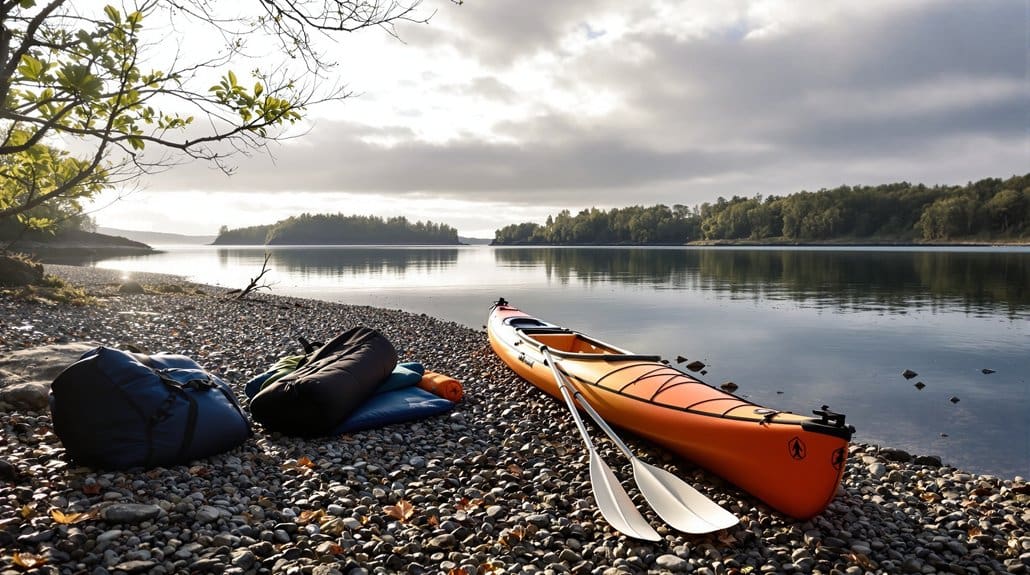
If you want your first kayak camping trip to feel like a tidy practice run instead of a rescue mission, pick a short, protected route that fits your skills and the season: aim for one or two nights and plan to paddle just three to ten miles a day on small lakes, sheltered bays, or slow rivers where you can turn back fast if the wind picks up. You’ll want to pick short routes on protected water, avoid big open crossings in spring unless you’ve got a sea kayak and the skills to match, check local spring winds and temps, and pick camps well above high-water lines with easy landings, test-pack and do a short loaded shakedown, and consider guided trips or tandems if you’re new. Consider renting or buying a properly sized touring kayak for better tracking and gear capacity, and learn basic paddling and self-rescue skills before you go touring kayak.
Plan Realistic Daily Miles and Launch/Exit Points
Set daily distance goals you can actually paddle when your boat's loaded, aiming 3–6 miles for beginner overnight trips and remembering experienced paddlers sometimes cover 10–15+ miles on long days, but plan shorter when you’ve got gear. Pick launch and exit spots with reliable access, parking, and room to load and unload, check tide or river gauge levels and ramp conditions the day before, and scout campsite options every 3–6 miles for flat, protected shore above the high tide line and any permit rules. Convert your mileage into paddling hours using a conservative 2–3 mph average, add an extra hour or 1–3 miles per day for weather, scouting landings, and breaks, and always have a backup exit in case conditions change. Consider gear and paddle choice, like traditional Greenland paddles, to make loaded travel more efficient and enjoyable.
Daily Distance Goals
Think about daily distances like planning a comfortable day hike on water, start short so you have time to scout shorelines, take long breaks, and set up camp without rushing; for your first kayak-camping trip aim for 3–6 miles a day (about 1–3 hours paddling) and on open or coastal water shave that down to 2–4 miles when wind or waves are likely, always keeping a sheltered harbor or put-in within 1–2 miles of any exposed crossing. You’ll test your loaded kayak on a short practice paddle to learn true speed, plan launch/exit points roughly every 3–5 miles, and mark bail launches—alternate exits—so you can stop early if weather turns, gear feels heavy, or you simply want more time to explore. Consider also choosing and testing appropriate paddling gear like a quality drytop to stay comfortable and dry on multi-day trips; see guides on drytop selection for details.
Launch And Exit Locations
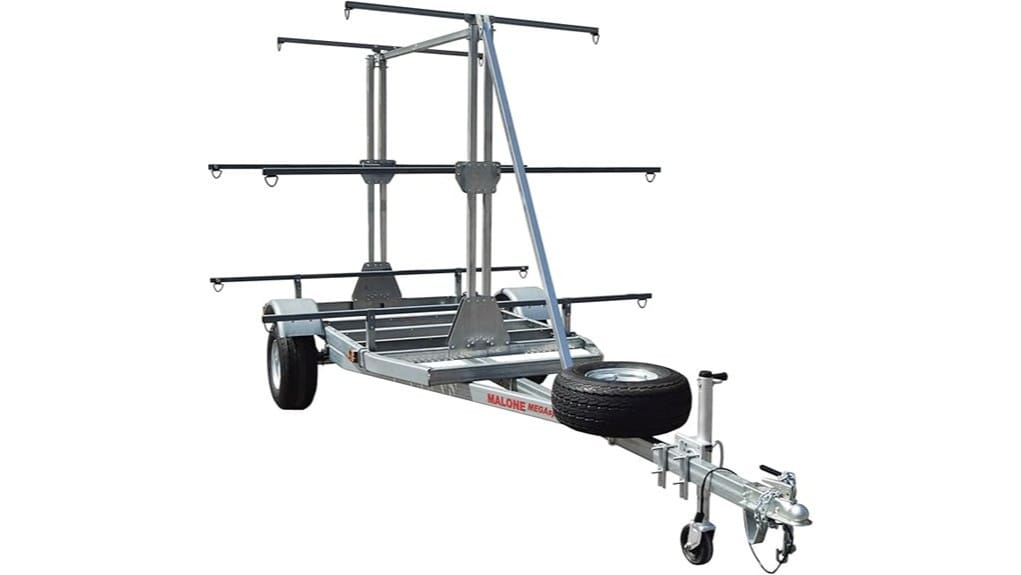
Pick launch and exit spots that fit the miles you want to paddle and the kind of shore you can handle, aiming for gentle ramps, maintained beaches, or boat launches with parking and an easy carry instead of steep rocks or slippery boulders, because getting on and off with a loaded kayak is where trips go sideways. You’ll plan realistic daily mileage—short days of 3–5 miles while you learn, longer only with light loads and experience—then match put-in/take-out ramps to those goals, check parking and shuttle rules, and note tide, wind, and current exposure for each point. Mark alternate exit points every 2–5 miles, confirm access type and carry difficulty, and pack a small kit for a quick haul-out. Consider storing or staging gear on wall-mount racks to keep kayaks organized and ready before and after your trip.
Time Accounting For Conditions
Because conditions change everything, start your day-to-day plan by converting straight-line miles into real travel time using a loaded paddling speed of about 2–3 mph and then adding a 25–50% buffer for wind, waves, current, or portages, so a 6–9 mile (10–15 km) day in protected water becomes a realistic goal for beginners and you won’t get caught out late. You’ll account for loaded paddling speed, pick launch and exit points with known access and nearby parking so shuttles don’t eat your day, check tide/current forecasts or gauge levels before you go and cut miles when flows turn against you, and plan to stop paddling at least 90 minutes before sunset to scout camps, haul gear, and set up safely. Also consider bringing reliable handheld navigation tools like a GPS unit and waterproof maps to stay on course and monitor distances in real time with handheld GPS devices.
Check Permits, Tides, Weather, and Emergency Exit Options
Before you head out, check permit and access rules early so you know if campsites or launch ramps need reservations, fees, or special rules, and grab any required permits weeks ahead for busy parks. Look at tide tables for your launch and campsites and watch the 48–72 hour weather and upstream runoff forecasts, since high tides, strong winds, or river surges can change where it’s safe to land, and carry redundant comms like a VHF, PLB, or satellite messenger plus a whistle or flares. Pick at least two emergency exit points with road access or pickup options, write a clear itinerary with check‑in times for someone ashore, and make those exit choices part of your daily plan so you can change course quickly if conditions shift. Also make sure your kayak, paddles, and safety gear are suited to the trip and packed for water adventures with relevant charts and route planning.
Permit And Access Rules
When you’re planning a kayak camping trip, start by checking the rules and conditions that’ll actually control your day — what permits and reservations you need for the launch and islands, the tide schedule and high-tide ranges, the short-term marine and upstream weather forecasts, and the practical exit options if you have to bail early. You’ll verify permits and campsite rules for parks or seashores, book backcountry spots if required, and note group-size limits, then plan for Leave No Trace camping so you protect access for everyone. Confirm access/exit logistics like parking rules, shuttle options, and alternate take-outs with road coordinates, log emergency contacts and three signaling methods, and only launch when forecasts and egress plans line up. Also carry an emergency locator device and know how to use personal locator beacons before you go.
Tides, Weather, Exits
If you want your trip to feel easy rather than risky, start by locking down the predictable stuff: check tide tables for both your launch and campsite, note the full range around high and low tides so you plan to beach or pull up at least two hours either side of those times, and make sure any required permits or campsite reservations are printed and saved on your phone. Then watch weather closely, including upstream watershed and wind forecasts, because a calm inlet can turn choppy fast, and avoid crossings over about two miles when winds reach 10–15 kt. Map at least two exits per day, note phone numbers and coords for rangers or marinas, and carry whistle, VHF and a visual signal for rescues. Also consider outfitting your trip with a sturdy kayak and a reliable anchor trolley to make beach landings and anchor adjustments much easier.
Pick the Right Boat, PFD, and Essential Safety Gear
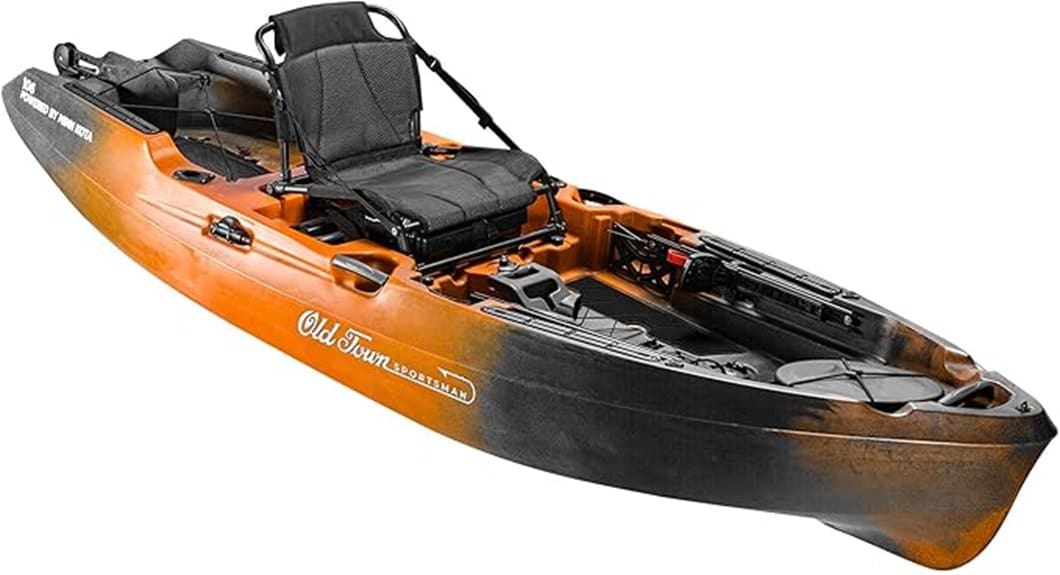
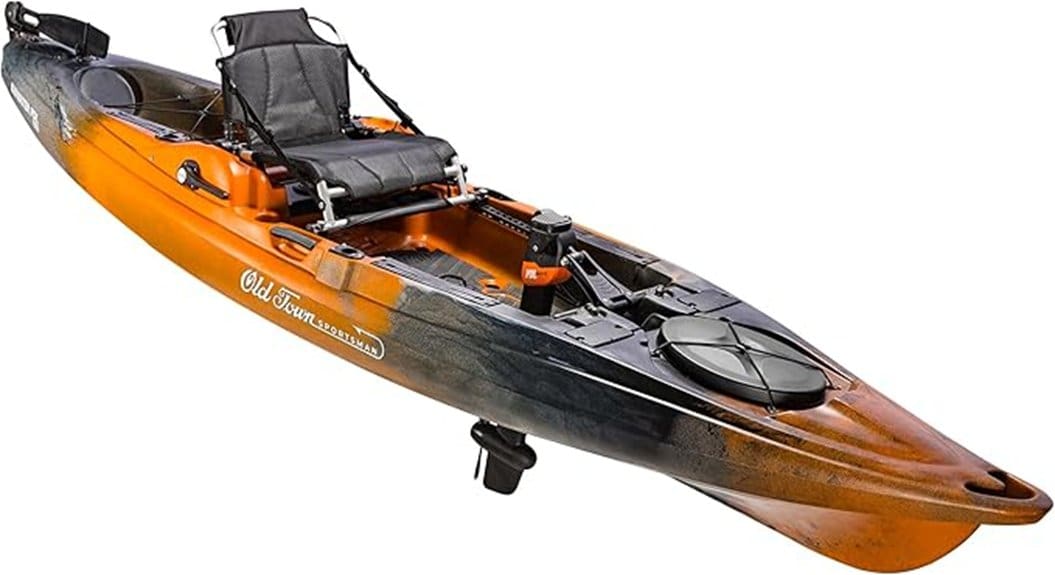
Start by picking a boat and gear that’ll keep you afloat, dry, and ready to handle surprises: choose a sea or touring kayak with sealed bulkheads and hatches, or a purpose-built kayak‑camping design, because those give you the buoyancy and dry storage you need for multi‑day trips and make self‑rescue easier if you flip. You’ll want a low‑profile PFD that’s U.S. Coast Guard–approved, lets your shoulders move, and has pockets for essentials, so you’re safe and free to paddle long days. Bring a spare paddle, paddle leash, bilge pump or sponge reachable from the cockpit, plus three signaling methods—a whistle, VHF or PLB, and a mirror or strobe—and a tow/throw line, then practice re‑entry and assisted rescues.
Layer Clothing for Immersion Risk and Changing Spring Temps
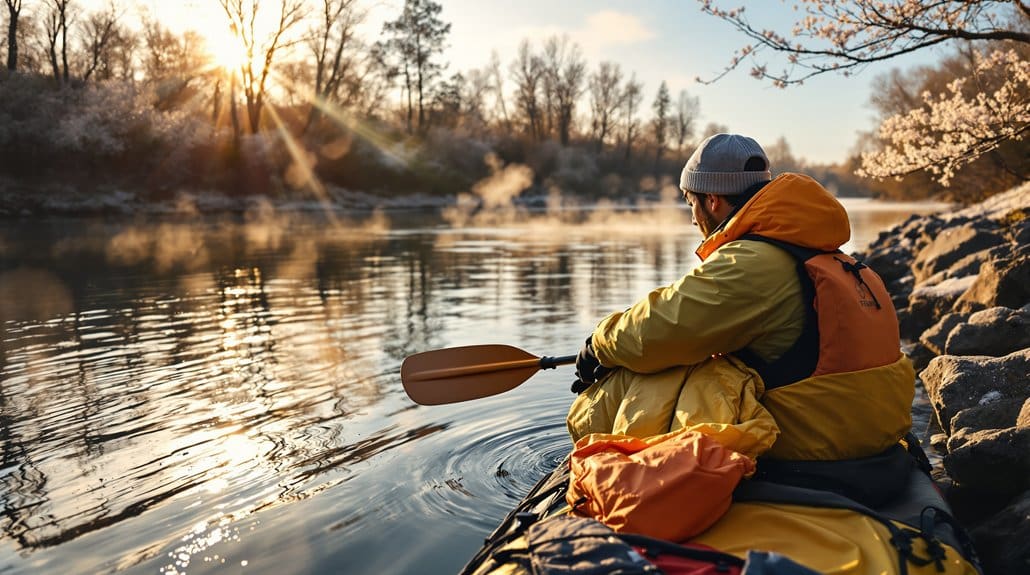
Because water steals heat fast, you should dress for the temp of the water more than the air, so pick layers and a strategy that protect you from sudden immersion and big spring swings. Dress for the water temperature: if it's near or below 50°F (10°C) wear a wetsuit or drysuit under your outer gear, because cold water knocks you down fast, and always wear a low‑profile PFD that lets you move. Layer with a moisture‑wicking synthetic or wool base, add a fleece midlayer for insulation, and top with a waterproof breathable shell to block spray and showers. Pack an Emergency drybag with a warm synthetic puffy and a dry base layer to change into immediately after getting wet.
Build a Compact, Hatch-Friendly Packing List (Use Small Drybags)
When you’re fitting gear into narrow hatches, think small and deliberate: use several 5–15 L drybags that you can squish and rearrange to match the tapered bow and stern, and pack with purpose so weight sits low and centered. Use smaller dry bags for your sleeping bag and puffy, compressing each in separate medium sacks so they stay dry and don’t turn into one unruly lump, then put food and cooking gear in a puncture‑resistant bag just behind the cockpit along the centerline for easy reach and to stay centered from side-to-side. Keep sunscreen, spare headlamp, water treatment, and first aid in a 1–3 L deck or cockpit bag you can grab while paddling, color‑code and test‑fit everything days before launch.
Balance Weight Low and Stern for Loaded Paddling
If you want your loaded kayak to feel steady and predictable, pack the heaviest stuff low and a bit toward the stern, tucking water, fuel, and dense food just behind the cockpit or rear bulkhead so weight sits roughly in that 40–60% aft zone of the boat; this keeps the bow from taking waves and helps the kayak track downwind, but don’t pile so much aft that the bow becomes slow or hard to turn. On your kayak camping trip, keep weight low in hatches, split loads port and starboard so the boat stable and balanced, and trim the boat slightly stern-heavy by a few centimeters of stern immersion to improve tracking, then test-pack and paddle a short shakedown, tweak fore/aft by 1–2 kg until steering feels right.
Prep Food, Water, and a Stove System for Quick Camp Meals
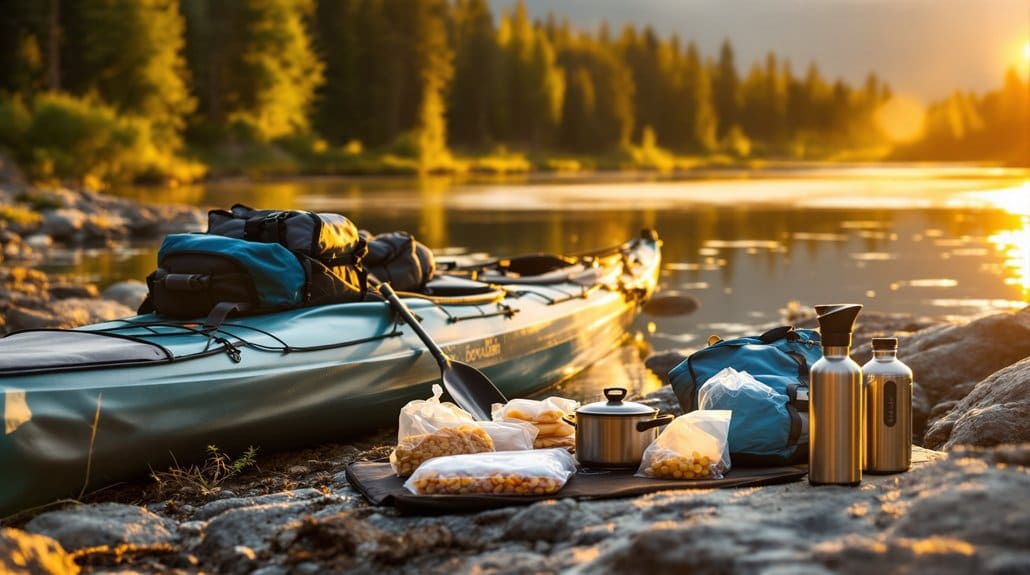
Start by thinking like a short, efficient cook: choose a tiny canister stove and a single, 1–1.5 L pot that nests with a lid and spork, then pre-portion every meal into one-night drybags so you only need to boil about 250–500 mL of water per meal and you won’t dig through a mess at camp. Pick a lightweight canister stove that boils a liter in 3–4 minutes, pack a 100–230 g fuel canister, and stash fuel, stove, and condiments in an accessible deck bag so you can grab them between tides. Carry a 2–3 L dromedary and a simple filter or drops to treat water, bring a small windscreen and a foil-wrapped sponge for quick cleanup, and use oil in a 300–500 mL bottle instead of butter.
Practice Rescues, Re‑Entries, and a Dry Run With Loaded Gear
Because practice makes the whole trip safer and less stressful, get out and run the exact rescues and re‑entries you'll need before you leave, using the same kayak, PFD, spare paddle, clothes, and immersion gear you’ll wear on the water, so you know what actually works for you under real conditions. You’ll do practice rescues—assisted and unassisted—until the sequence is muscle memory, the rescuer stabilizes while you re‑enter with a paddle float or sling, and you can finish in 5–10 minutes in calm water, because timing matters. Then load your boat exactly as planned and do a dry run of a mile or more, test trim and handling, pump and bail a flooded cockpit, rehearse carryout and signaling with your group, and adjust gear placement until steering feels right.
Some Questions Answered
What Is the 120 Rule for Kayaking?
The 120 Rule says you stay within about 1/2 mile of shore alone, or 1 mile with a partner or group, so you can reach land in roughly 10–15 minutes; it’s a conservative guide, not law. You’ll combine it with paddle techniques practice, strict boat maintenance, and weather forecasting, carry PFD, throw line, pump and phone in dry bag, and abort if wind, waves, or fatigue cut your margin, got it?
How to Plan a Kayak Camping Trip?
Start by picking a route selection that matches your skills, like a protected lake or short coastal leg, then make a gear checklist and pack, testing the loaded boat so heavy items sit low and centered and lighter gear stays bow/stern. Plan food planning for calories and easy meals, stash snacks in a deck bag, map water resupply, leave an itinerary, bring signaling, PFD, and immersion protection, then do a trial paddle.
What Are the Three Golden Rules of Kayaking?
The three golden rules are: pick a safe route selection you can handle, practice sound paddle technique for control and efficiency, and run a clear safety brief before launch so everyone knows signals, gear, and rescue steps. You’ll check currents and weather, hone forward and bracing strokes, pack flotation and a VHF/whistle, and verbalize who’s responsible for what, so you leave confident, self-reliant, and ready for whatever the water gives.
How to Dress for Kayaking in Spring?
Dress for kayaking in spring with layered clothing, starting with quick dry fabrics next to your skin, a warm fleece midlayer, and waterproof outerwear for paddling rain or wind, and always wear a fitted PFD. If water’s cold, swap to a wetsuit or drysuit, tuck a dry bag with spare base, socks, hat, and gloves into your hatch, and pick gear that packs light, breathes well, and lets you move freely.