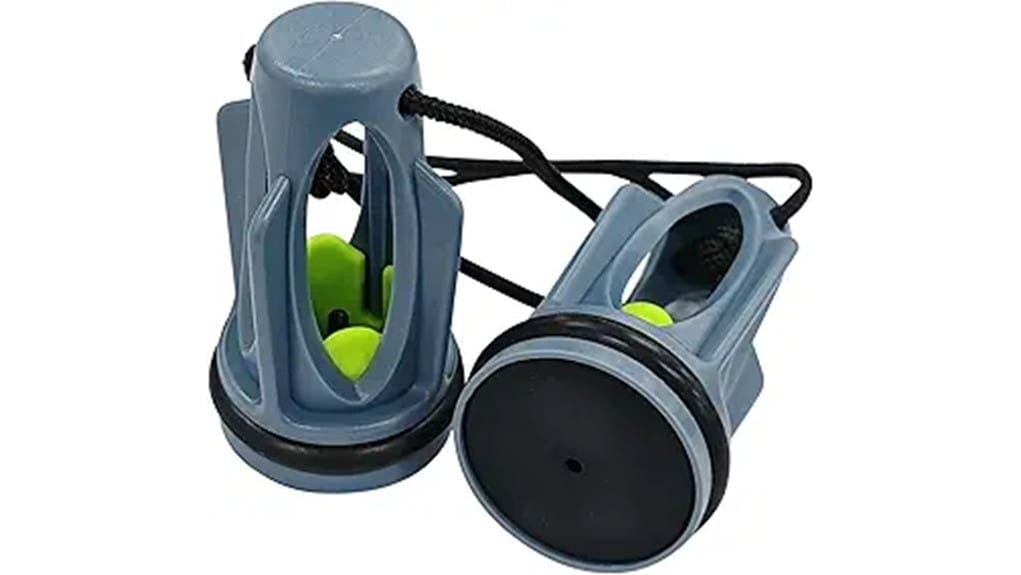
You’ll like these 2-pack Ocean Kayak scupper valves if your sit‑in hull has scupper holes about 1.28–1.37 inches and a recess around 2.5 inches deep, they’re rubber‑gasketed PVC with a double‑seal so you’ll fast‑fit one and keep a spare, just seat with flange out, twist to snug, tie the nylon lanyard to a loop, and test for leaks by adding a few inches of water; they may need minor trimming for perfect seal, keep tools handy and check fit first to learn more.
Some Key Points
- Two-pack scupper valves fit many sit-in kayaks (Old Town, Predator series) but are not always OEM-exact replacements.
- Rubber gasket fits scupper holes about 1.28–1.37 inches; measure hole diameter before buying.
- Double-seal design (rubber flange + inner ring) reduces leaks when valve is seated evenly and flush.
- Installation: push with flange outward, twist to seat, trim edges if needed, and tie lanyard to a seat loop.
- Common fixes for seepage: reseat/twist, clean mating surface, replace warped units, or use spare from the 2-pack.
Does This Scupper Valve Fit My Kayak? Compatibility, Size, and Model Checklist
Before you buy, take a minute to match the valve to your kayak, because that small measurement decides whether it’ll seal or leave you bailing water; first check if your boat is a compatible sit-in model—this LukeTarp 2-pack is made to fit Old Town and most sit-in kayaks and specifically lists models like the Sportsman BigWater 132, BigWater PDL 132, Predator 13, Predator XL/MK, and Predator PDL—then measure the scupper hole diameter (the valve’s rubber gasket fits about 1.28–1.37 inches) and the recess depth, since the valve body is roughly 2.5 inches long not counting the lanyard, so if your hole is within that diameter range and the well’s depth can accept a ~2.5-inch plug you’re very likely good to go. For Old Town owners, also consider checking other compatible kayak models and accessories sold by Paddling Passion to ensure overall fit and performance.
What’s in the Box and How the Valve Is Built (Materials, Dimensions, Double-Seal Design)
When you open the box you’ll find two gray scupper valves and a simple setup that’s ready to go, so start by checking the parts and getting a feel for how they fit your kayak’s wells; each valve is a compact PVC body about 1.32 inches wide and 2.5 inches long (that length doesn’t count the attached nylon lanyard), with a rubber sealing gasket around the flange and an extra sealing ring built into the design, which together form the double-seal that helps keep water out. You’ll note PVC, rubber, nylon, even silicone listed, so do a quick material comparison, inspect seams, and take installation photos for reference, then pack the lightweight pair, knowing the build is straightforward and made for freedom on the water. For paddlers who enjoy coastal trips, these valves pair well with Sea Eagle kayaks and other inflatable and hardshell models for reliable drainage and peace of mind on the ocean kayak accessories.
How to Install and Remove the 2-Pack Scupper Valves (Step-by-Step, Tips, Lanyard Use)
Now that you’ve inspected the parts and checked the seals, let’s get those valves installed so you can stop worrying about leaks and get back to paddling; start by seating the valve into the scupper hole with the rubber flange facing outward, push firmly until the double-seal — the rubber gasket against the hull and the inner sealing ring — compresses evenly, and give the valve a gentle twist to make sure it’s snug and flush, which helps prevent wobble and keeps the kayak draining properly. For installation tips, trim edges if needed, tie the nylon lanyard to a seat loop, practice removal tricks with a quick pull, do simple leak testing by filling the cockpit slightly, and follow lanyard maintenance—rinse, dry, and check knots so you stay free on the water. Wilderness Systems kayaks are designed for durable performance on a variety of water conditions, making them a great match for these scupper valves.
Real-World Performance: Leak Prevention, Durability, and What Reviewers Report
Even though scupper valves are small, they’re the part most likely to decide whether your cockpit stays dry or becomes a drip zone, so you’ll want to check a few things right away: after seating the LukeTarp valves snugly and tying the lanyards to a secure loop, run a quick leak test by filling the cockpit a few inches and looking for slow seepage around the flange and the inner ring, feel for any wobble or asymmetry that means the double-seal isn’t compressing evenly, and try removing and reinserting each valve to make sure the nylon lanyard and pull action won’t jam when you need it; if you find a tiny weep, re-seat the valve with a slight twist, clean the gasket and hull lip of grit, or trim any warped edges, and if the leak persists beyond basic troubleshooting, expect to replace the valve or contact seller support under warranty since reviewers who reported real leaks usually resolved them by reseating or swapping units rather than by complex repairs. Many paddlers buying from specialist sellers like Reel Yaks prefer products that match their kayak gear lineup for fit and finish.
Should You Buy It? Pros, Cons, Alternatives, and Best Use Cases
If you want a simple, low-cost way to keep your sit-in kayak from slowly filling between trips, the LukeTarp 2-pack scupper valves are worth a hard look, because they give you a double-seal design, a snug fit for many Old Town and similar hulls, and an easy pull-out lanyard for quick checks or swaps. You’ll like them if you want straightforward kayak maintenance, a spare for emergency repairs, and light packing tips that save space, they’re small, cheap, and replaceable, but skip them if you need OEM exactness; consider bulkier valve kits or professional installs for heavy use. Solo kayaks are popular with adventurous paddlers who value lightweight, compact gear and simple repairs like scupper valve replacements, making these valves a practical accessory for solo kayakers.
Some Questions Answered
Are Replacement Gaskets Sold Separately for This Valve?
Yes — replacement availability is limited, but you can often buy separate gaskets from kayak part sellers or contact the LukeTarp seller for spares; check gasket sizing (about 1.28–1.37 inch diameter) to match the valve, and bring the old gasket or measurements when you shop. If you’re heading out, carry an extra rubber seal and a small tube of silicone grease, so you’ll swap it fast and keep paddling without fuss.
Can These Valves Be Used in Sit-On-Top Kayaks?
Yes, you can use them in many sit on top kayaks, but check your scupper hole size first, since they're sized for sit inside-style drains and fit about 1.28–1.37 inches, so measure the opening, test the seal, and swap the double gasket if it leaks. Carry a spare valve and the nylon lanyard, bring silicone grease for the rubber, and try a quick paddle test, so you won’t get surprised on the water.
Do the Lanyards Resist UV and Saltwater Corrosion?
They’re not guaranteed, but the lanyards use nylon so they’re more UV resistant materials than plain rope, and they’ll handle saltwater short-term; however, you should expect wear without formal corrosion testing, so rinse and dry after trips, carry a spare pair, and swap them yearly if you paddle a lot. Check for fraying or stiffness before launch, and consider silicone-treated lines for longer coastal use.
Are They Compatible With Kayak Scupper Covers or Plugs?
Yes, they can work with many scupper covers or plugs, but you'll want to do fit testing first, since seal materials and valve diameter must match your cover’s opening; measure the hole, check that the double-seal rubber and ring compress against the cover, and try the nylon lanyard pull to confirm retention. Carry a spare gasket, mild silicone lubricant, and a roll of waterproof tape for quick tweaks on the water.
Is There a Warranty or Return Policy for Defective Valves?
Yes, there’s a limited warranty and a return policy, so you’re covered if valves are defective, damaged on arrival, or fail early. First, save your receipt and take photos, then contact the seller’s warranty link or customer service, describe defects, and ask about replacement or refund. Keep the original packaging and note UPC/ASIN, and expect quick guidance on shipping or proof, so you can get back on the water fast.