Decide what “more time on the water” looks like for you—set one skill goal (edging or self‑rescue), one adventure (a 10–15 mile loop or overnight), and one social aim (join four group paddles), then make them SMART with dates and miles so you can track progress. Block two to three 90‑minute calendar slots weekly, pack a grab‑and‑go kit (PFD, leash, drybag phone, pump, spare paddle, whistle), check tides and weather, log each outing, and adjust goals if life or wind gets in the way; more tips follow.
Some Key Points
- Define a clear, measurable paddling goal (sessions, miles, or overnight trips) and set a target date.
- Choose which outings count (short fitness paddles, sunrise SUP, or weekend loops) to avoid vague planning.
- Block recurring calendar slots (two–three weekly blocks plus one monthly long paddle) and add prep buffers.
- Track every session with date, duration, miles, conditions, and one skill focus in an app or simple log.
- Break the season into SMART milestones (6–8 week skill projects, monthly mileage targets) and review quarterly.
Decide What “More Time on the Water” Means for You
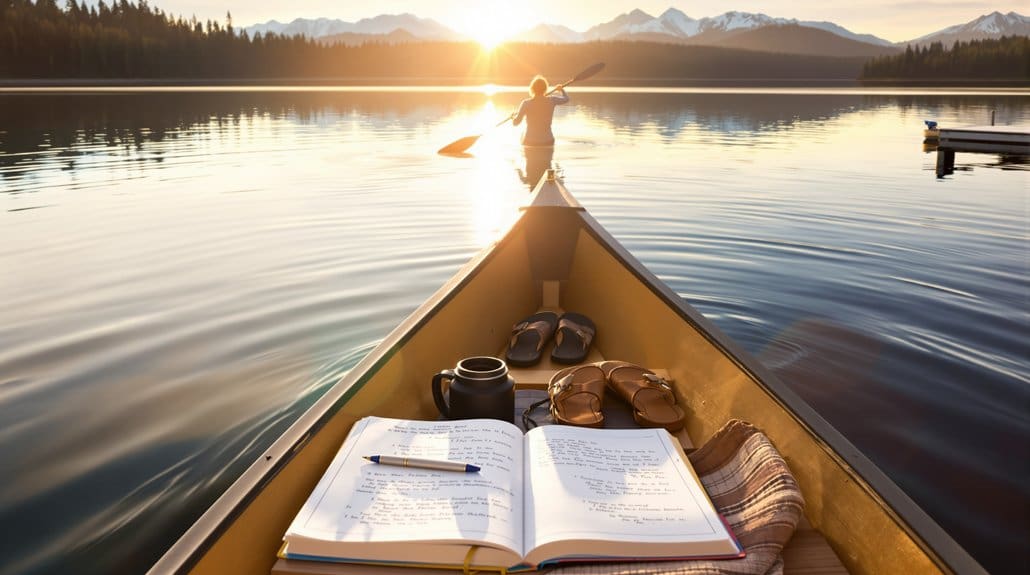
Thinking about “more time on the water” starts with being specific, so pick a measurable target you can actually schedule—will you aim to paddle three times a week, log 50 hours this year, or take one overnight trip each month—and decide which kinds of outings count, like 60–90 minute fitness paddles, a relaxed sunrise SUP, or a weekend river loop, because that way you know whether a quick dawn session or a full-day adventure moves you toward the goal. You’ll set SMART goals, block recurring 90‑minute slots or one weekend day, choose concrete locations like a local estuary launch or a five‑mile loop to cut decision friction, then track sessions in a simple log so you can tweak frequency and prioritize joy. Gear choices like a reliable windbreaker and appropriate kayak or SUP make outings safer and more comfortable, helping you stick with your plan and enjoy more time on the water, and learning basic gear care kayak essentials keeps equipment ready for every trip.
Choose Three Paddling Goals (Skill, Adventure, and Community)
Pick three clear paddling goals—one for skill, one for adventure, and one for community—and treat them like parts of the same plan so they actually get done, not just penciled in; for example, decide you'll work on edging and bracing three times a month with short video checks or coach notes, plan a midseason 10–15 mile coastal or overnight route with mapped launches and tide/weather contingencies, and sign up for or organize at least four group paddles or clinics (including a cleanup or conservation action) to build contacts and practice rescues. Now, set meaningful goals that free you: pick a skill target you can film, map an Adventure with launch points and bailout options, and join Community events, carry spare tow lines, a VHF or phone in a dry bag, and show up. Consider adding reliable gear like a foot-operated bilge pump to your kit to stay safe and dry on longer trips and in variable conditions, especially when paddling rocky coasts or tidal areas with potential for water ingress and frequent bailing foot-operated bilge pump.
Turn Goals Into SMART Targets You Can Actually Track
Turn each goal into a clear target you can track, for example saying “paddle 60 miles and log 24 sessions by October 1, 2026” instead of “paddle more,” so you know exactly what success looks like and can plan sessions around it. Use an app or a simple logbook to measure distance, conditions, and session counts, check totals every month, and tweak your week-by-week practice times so your habits stay timebound and realistic. Start from your current baseline, pick the kit you’ll carry (phone with GPS, dry bag, and a pen-and-paper journal), and set short milestones like weekly session counts and quarterly skill checks so you can adapt, celebrate wins, and keep progressing. Bring a reliable dry box to keep electronics and documents safe on wet outings and make tracking easier with waterproof storage.
Set Specific Outcomes
Because a clear number and a deadline make training something you can actually check, set a single, specific paddling target you can measure—like “paddle 60 miles total by Sept. 30, 2026”—and then map the steps to get there, matching the goal to your current baseline (if you average five miles per session now, schedule three sessions a week and build up gradually), tie the outcome to a real why so it stays relevant (for example, prepping for a weekend coastal trip in October), and break it into time‑bound milestones you can log each outing against (weekly distances, monthly skill checkpoints such as “learn edging by June 1”), while recording date, distance, conditions, and one skill note in an app or simple spreadsheet so you can see progress, spot problems early, and adjust your plan without guesswork. Consider including floatation bags in your gear checklist to improve safety and confidence on longer outings.
Measure Progress Regularly
Regularly checking your progress keeps paddling goals honest and useful, so set a few SMART targets you can actually track — for example, aim to paddle 40 miles and complete 24 outings by Sept. 30, 2026 — then log every session in an app or simple sheet with date, time on the water, miles, conditions and one skill focus, so you can see whether you’re hitting distance, frequency and skill work at a glance. Treat that log like a map to New Year freedom, update it weekly with PaddleLogger, Strava, or a spreadsheet, note intermediate milestones like 5–20 mile singles or edging drills, and include safety counts such as self-rescues done, so you know when to bump targets slightly, celebrate gains, and plan new places for future paddling adventures. Also track gear and calendar needs so you can match trips to available equipment and seasonal openings for kayaks and calendars.
Timebound Practice Sessions
You’ve been logging outings and noting skill work, so now it’s time to lock those intentions into a schedule you can actually measure — think of each practice as a small, timebound experiment: aim for three sessions a week, at least 45 minutes each, for eight weeks so you build steady endurance, and write down distance and time right after paddling to keep the data honest. Treat a popular method—short, focused sessions plus one long paddle monthly—as your baseline, and schedule skill targets like a confident self-rescue plus two assisted rescues under ten minutes with a coach, so you can discover new limits. Use GPS to add 1–2 miles every two weeks, block a 3+ hour monthly trip to test gear and food, then reassess every four weeks. Consider creating a pre-trip checklist to ensure you have essential safety and gear items for every outing, including a properly fitted PFD and a reliable bilge pump essential kayaking checklist.
Break Each Goal Into Monthly and Weekly Milestones
When you break a seasonal paddling goal into monthly and weekly milestones, think of it like planning a road trip in small, steady legs: decide the end point (say, raising monthly mileage from 20 to 60 miles, nailing confident edging in swell, or completing a 20‑mile day), then work backward into manageable months and weeks so you don’t burn out or get surprised by conditions. You’ll set weekly targets—5–15 miles per session, 3–4 sessions a week—or skill progressions for edging, and schedule one drill day, one endurance paddle, one exploration paddle so variety keeps you curious, not bored. Track distance, duration, perceived effort, plan micro rest days, do simple equipment maintenance, and use mental rehearsal to cue skills before you launch. Also include essential safety and comfort items like an electric bilge pump and well‑fitted PFD to keep trips enjoyable and secure, with safety gear prioritized before every launch.
Build Paddling Blocks Into Your Calendar (Not “If Time”)
Put two to three paddling blocks on your calendar each week, like Tuesday 6:30–8:00 AM and Saturday 9:00–11:00 AM, and treat them like appointments so they actually happen, not “if time” ideas that get pushed aside. When you add each block, include location, travel time, and a short gear checklist (paddle, PFD, spray skirt or spare layers), and remember to schedule one longer, flexible play session each month for exploring or paddling with friends so you don’t burn out. Check and adjust those recurring events monthly, track sessions and miles, and nudge your total up about 10% or aim for a set number (say 12–16 sessions/month) so you make steady progress toward skills like continuous 3‑mile paddles or confident bracing. Gear up with a reliable lifetime kayaks rig to make outings safer and more enjoyable.
Block Time Weekly
Make a habit of blocking at least one 2–3 hour paddle session on your calendar each week, and treat it like any important meeting so it actually happens — pick a low-disruption window, like an early morning or a weekend midday, mark the time as “Busy,” and don’t let other plans creep in. Then set a recurring entry, add two reminders (24 hours and 1 hour), and keep a simple pre-paddle checklist—board, PFD, leash, weather/tides—so you show up ready. If daylight’s tight, plan a 45–60 minute micro-block for skills or fitness nearby, and rotate gear weekly so everything gets used and inspected; morning rituals or commute paddling count, too. Log dates and review monthly to hit four blocks a month, then add one each quarter.
Protect Your Playtime
You’ve been blocking those longer weekly sessions, so now protect the fun ones by carving paddling time into your calendar as non-negotiable appointments, not “if time” extras—schedule two to three 90-minute slots each week, color-code them so they stand out, and set reminders for 24 hours and 1 hour beforehand so last-minute chores don’t steal your launch. Treat one monthly entry as pure play, no distance or drills, so your solo exploration can feed creative play and childlike curiosity, and reserve a 2–4 hour flex buffer monthly for surprise windows. The night before, prep gear—inflate the board, charge pump and phone, pack PFD and dry bag—so you cut prep minutes and protect on-water time, then go enjoy.
Calendar With Intent
When you treat paddling like an appointment instead of a maybe, it shows up in your week—so grab your calendar, block recurring sessions (for example, 90 minutes every Tuesday evening and three hours Saturday morning), and add short prep buffers—about 30 minutes to get gear ready and 15 minutes for launch and landing—so that a planned 90‑minute trip actually fits without spilling into dinner or chores. Now, sync those blocks across devices with digital syncing so reminders pop 24 hours and 1 hour before, you can shift dates when tides or weather change, and family commitments stay visible, so nobody's surprised. Leave one monthly play block for trying routes or skills, review your month, then repeat what sticks, respecting seasonal availability and recovery.
Pick the Right Gear and Simple Checklist for Each Goal
Because picking gear that fits your goals saves time and keeps you safer on the water, start by matching your board or boat to what you actually plan to do and the water you’ll be on—if you’re paddling a SUP for fitness or flat-water fun, aim for at least 1.5–2.0 liters of volume per kilo so the board’s stable under you (about 135–180 L for a 90 kg paddler), but if you want to tour longer distances or surf, pick a narrower, lower-volume shape that tracks and maneuvers better. Next, choose paddles, cockpits, and blade sizes that match power versus endurance, then pack goal-specific items in a waterproof pouch—PFD, leash for SUPs, pump, spare paddle, whistle, tow kit, plus AIS/PLB or helmet when conditions demand. Use checklist templates for pre-launch hull, hatch, battery, strap checks, and keep minimalist packing choices for freedom on longer trips.
Design Progressive Practice Sessions for Core Paddling Skills
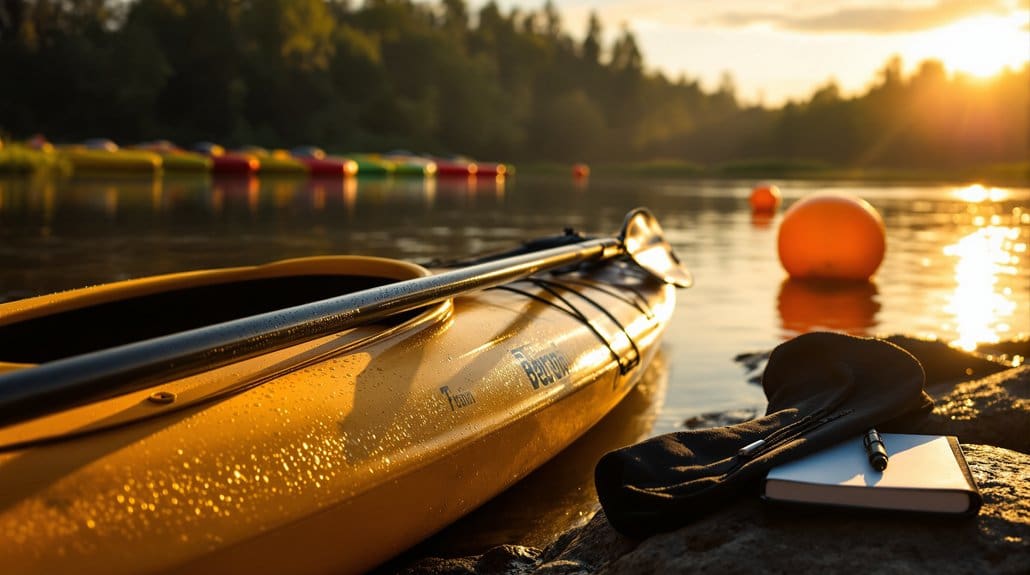
Start by carving your practice time into clear blocks, aiming for a focused 45–90 minute session with a short warm-up and cool-down so you stay fresh and learn faster, and pick one core skill—edging, bracing, or the forward stroke—to be your single focus for that session. You’ll use skill chunking to break that focus into bite-sized drills across 4–6 weeks, adding progressive overload by increasing distance, interval intensity, or stroke-rate targets, and you’ll keep feedback loops open with video or a coach to adjust form. Spend 20–60% of time on balance and stroke mechanics, measure distance, time, stroke rate and effort, and finish with periodic rescue practice so your freedom on the water stays safe.
Plan Routes and Micro‑Adventures That Match Your Goals
Start by matching routes to small wins you can hit often, like short daily paddles under three hours to a nearby sandbar or sheltered bay where you can log distance, time, and conditions, and carry a basic kit—PFD, leash or paddle float, waterproof phone, light, and a simple wind/tide check. For weekends pick destination loops that stretch you a bit, note launch and parking details from route tools, factor tides and wind cutoffs, and plan an easy bailout or shuttle so you won't get stuck if conditions change. Mix flexible micro‑adventure plans into your schedule—progress from a 3 km calm paddle to a 10 km mixed‑condition loop over weeks, record each trip, and use those metrics to set the next goal.
Short Daily Route Ideas
You’ll find it’s easiest to get out more when you plan short, purposeful routes that fit into your week, so pick one nearby public put‑in and sketch a 30–45 minute “commute” of about 2–4 miles you can do before work or after dinner, noting an obvious landmark to aim for and where you’ll land. Use sunrise launches or commuter crossings to build habit, or choose an urban paddling corridor if you crave city views, and map tide and wind checkpoints every 0.5–1 mile so you know escape points. Design a 1–2 mile micro‑adventure with a sandbar or inlet waypoint for a 20–30 minute rest, try interval sets to boost fitness, and rotate three local launches weekly.
Weekend Destination Loops
Pick a weekend loop that matches your fitness and goals, and work it into a plan you can actually enjoy, not just survive: pick a launch-to-launch route of 8–20 miles that feels doable for your experience—say a 12‑mile coastal loop that’ll take 3–5 hours for an intermediate SUP paddler—then chart it clockwise or with the prevailing wind so you’re mindful of where currents and tides will help or push back. Choose waypoints every 2–5 miles for a swim stop, picnic island, or short hike, check PaddlePoints for access and exits, and factor winter daylight by keeping loops under 10 miles. Think coastal navigation, set clear group logistics like pace and bailout plans, and use mental pacing, add 10–20% time for surprises.
Flexible Micro‑Adventure Plans
When you want micro‑adventures that actually fit your week, map three to five launch spots within a 30–60 minute drive, noting how far each paddle is, the usual wind and tide patterns, and any parking or access quirks so you’re not scrambling when you arrive. Pick mini‑route targets—three to five miles or a 60–90 minute paddle—with turn‑back points, and build a seasonal scouting rota that sends you to sheltered bays in winter and open crossings in summer, plus one new spot a month to keep things fresh. Keep micro gearpacking tight: PFD, leash, dry bag with phone and map, small first‑aid, layers, all staged to grab in under ten minutes, and track GPS, conditions, photos, and one learning note.
Join or Create Accountability: Groups, Mentors, and Events
Getting into a regular paddling routine often happens faster if you link up with others, so start by scouting a local club or Meetup, a coach, or even a trustworthy buddy who’ll keep you honest about getting on the water; look for groups that run at least one weekly session, instructors with Paddle UK or similar credentials, and events with fixed dates like a local guided trip or race so you’ve got real deadlines to aim for. You’ll want to test club dynamics, ask about peer mentoring, and check event logistics before you commit, then pair with a buddy to log sessions, set SMART goals like three 60‑minute paddles a week, schedule monthly coach check‑ins, and sign up for one local event to sharpen focus.
Keep Safety, Weather, and Environmental Checks Part of Routine
You should make safety, weather, and environmental checks part of every paddling outing, because a few minutes of prep can stop an afternoon from turning into a rescue call; check tide tables and wind forecasts before you leave, and if winds are forecast above about 15–20 knots or you’ll be paddling with an onshore wind and a rising tide, rethink the plan or choose a sheltered spot. Make a simple pre launch checklist you run through each time: tide/wind, float plan with someone ashore, VHF or phone in a drybag, PLB for remote trips, map/compass or GPS, and gear checks for the Check, Clean, Dry routine to avoid moving invasives. Dress to water temp—seasonal clothing, wetsuit or drysuit below about 15°C—and respect shoreline etiquette, pack out trash, leave no trace.
Track Progress and Celebrate Small Wins With a Simple Log
Even if you’re just out for an hour, start a simple paddling log so you can see progress instead of guessing — note the date, water type (flat, sheltered, or coastal), how long you were out, roughly how far you went from your GPS or app, and one single focus for the session, like “steady forward stroke” or “controlled turn,” so each outing has a clear purpose. Treat it like a progress journal, jotting minutes paddled, miles, any falls or self-rescues, plus a quick mood note, so your session analytics actually tell a story about conditions and confidence. Review weekly, celebrate small wins with tiny win rituals—a sticker, a note—and save one monthly win, because visible momentum keeps freedom feeling real and goals achievable.
Adapt Midyear: How to Reframe Goals When Life or Conditions Change
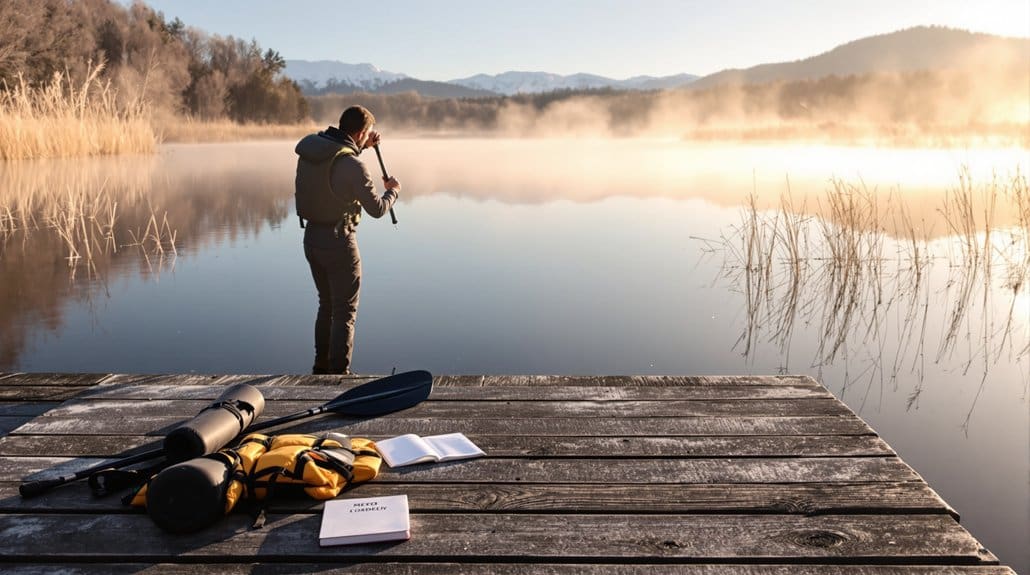
If life gets busier or the weather turns against your big plans, don’t ditch your goals—reframe them so they still matter and fit your week, month, or season; start by checking simple, measurable things like how many paddle days you’ve actually hit, total miles, or which skills you can reliably do, then pick a new target that matches your time and conditions, whether that’s two 20–30 minute micro-sessions each week, a monthly mileage goal, or an 6–8 week SMART project to nail edging or bracing. Check goals quarterly, log why you changed them, and aim for small, concrete wins that preserve freedom, emphasize gear maintenance and emergency preparedness, and demand mental flexibility, so you keep improving without burning out.
Some Questions Answered
What Are Some Goals for the New Year?
Pick goals that grow skill and freedom: set Technique drills like edging and bracing targets, schedule weekly practice sessions, and time yourself on key moves; include Gear maintenance checks—inspect hull, valves, and PFD, carry repair tape and a pump; practice Route planning by mapping distances, hazards, and exit points, then calendar a 10–15 mile adventure, a few cleanups, and one rescue drill, so you’ll stay safe and keep exploring.
What Is the 120 Rule for Kayaking?
The 120 Rule says you should treat about 12 knots wind and 1.2 m waves as safety benchmarks, so if wind times wave height nears that threshold, rethink your outing; you’ll want to focus on stroke refinement, route planning, and rescue skills before launching. Check gusts, tide and exposure, carry a VHF or phone in a dry bag, wear a PFD, and pick sheltered lines until you’re confident, because freedom’s safer when you’re prepared.
What Are the Three Golden Rules of Kayaking?
They’re: prioritize safety, practice skills, respect others. You’ll wear a fitted PFD, check weather/tides, and keep gear maintenance up, inspecting hulls, fittings, paddles, and seals first. You’ll hone stroke technique and rescue drills, start small and build exposure, carry a whistle, paddle float, and comms. You’ll follow water etiquette, give space, avoid wildlife, and file a float plan, so you stay free, confident, and ready.
What Season Is Best for Kayaking?
Spring’s often best for varied paddling, but you’ll pick season by goals and risks: choose spring for whitewater and blooms, summer for warm swims and long days, autumn for clear water and wildlife watching, and winter for quiet cold paddling if you’ve got a drysuit and skills. Always check tidal timing on coastal trips, pack layers, pump, repair kit, compass or GPS, and tell someone your plan before you launch.