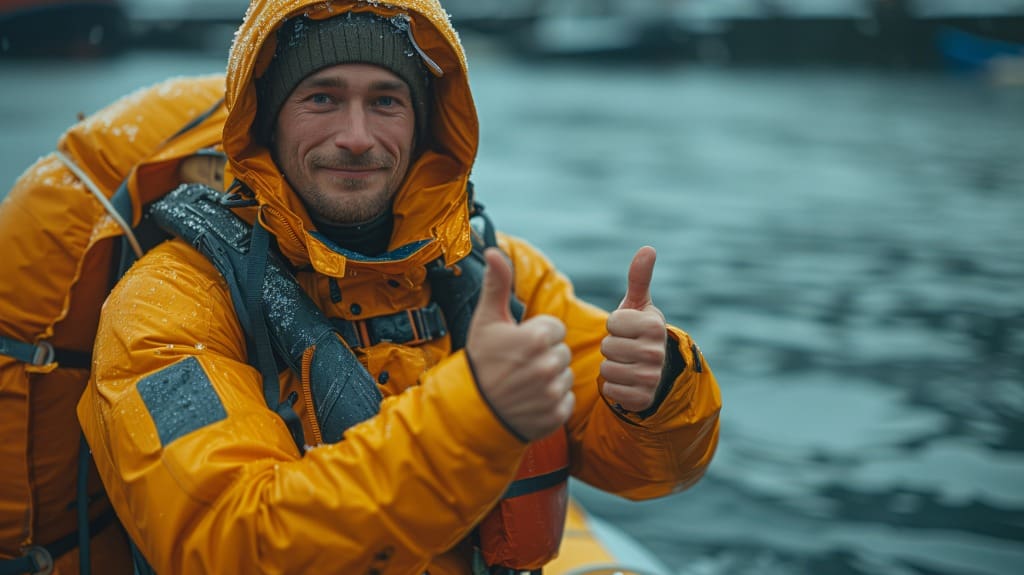
Dress for the water, not the air: pick a system around expected water temp, favor a drysuit at or below ~50°F (10°C) or when rescue might take longer, otherwise use a snug wetsuit with merino or synthetic baselayers and quick‑swap midlayers. Protect head, hands and feet with neoprene hoods, gloves or pogies, and booties, wear a snug PFD, carry a PLB or VHF, paddle float, pump and spare dry layers, and practice reentry and burping—there’s more practical gear and fit advice ahead.
Some Key Points
- Dress for water temperature first: choose the whole system based on expected water temp, then adjust for wind and activity.
- Use a drysuit when water or air ≤~50°F (10°C), long rescue times, ice, or extended exposure risk exists.
- Wear snug merino or synthetic baselayers (no cotton) sized to activity: lightweight for hard paddling, midweight for colder conditions.
- Pick midlayers by exertion: breathable fleece for high output, synthetic puffy for damp conditions and low-output periods.
- Protect extremities and safety: neoprene hood/gloves/booties, Coast Guard PFD, whistle, PLB, paddle float, and spare dry layers.
Choose a System First: Dress for Water Temperature, Not Air
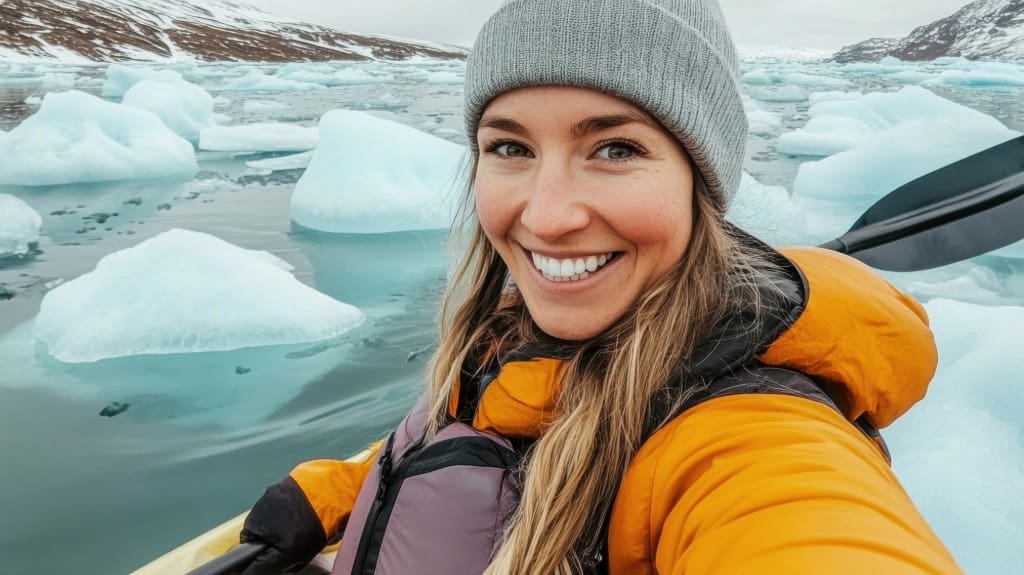
Because your body ends up in the water if things go wrong, start by dressing for the water, not the air, and pick your whole system around the temperature you expect to meet; if the water is below about 50°F (10°C) plan on a drysuit as your base protection, since wetsuits only buy you minutes and require you to be back ashore quickly. You’ll decide gear by water temperature first, then tweak for activity and wind, so plan layers under the suit — a wool base layer or good synthetic that still insulates when damp, plus a fleece midlayer you can omit if you’ll work hard. Don’t wear cotton, include neoprene head and hands, and practice rapid rewarming plans before you push the limits. Consider also carrying an emergency personal locator beacon appropriate for kayaking and cold-water outings.
Start With Baselayers: Materials, Fit, and What to Avoid
Start with a baselayer that actually moves moisture away from your skin—pick wool (like a 150 g Smartwool) or a synthetic like Capilene, both dry fast and still insulate when damp, and avoid cotton which soaks up water and chills you. Make it snug, long-sleeved and with leggings that sit next to your skin, with flat seams and tough fabric so it won’t rub on cockpit edges or bunch when you paddle, and match the weight to activity (lightweight for hard paddling, midweight for colder days, heavier only under a drysuit where you’ve got room to layer). Before you head out, test the fit in the water or with mobility checks to make sure it doesn’t restrict movement or cause excess sweat, because a good baselayer is the foundation you’ll build the rest of your system on. Kayaks and related gear are designed for touring and water adventures, so choose baselayers that complement your kayaks and other products.
Materials To Prefer
When you pick your first layer for winter paddling, think of it as the foundation that has to keep working even when it gets wet, so go for merino wool (a 150–200 g weight is a great all‑around choice) or a good synthetic like Capilene, not cotton, which soaks up water and loses warmth. You’ll want fabrics that wick and dry fast, that resist abrasion from sprayskirts and gear, and that keep insulating when damp, so choose noncotton blends and midweight options for very cold days under a drysuit. If you wear a wetsuit, keep layers slim or skip them to preserve neoprene fit, otherwise heavier baselayer bottoms and tops give extra warmth when submerged, just avoid anything bulky that hinders movement. For paddling adventures consider matching your layering to your boat and gear, such as choosing materials compatible with drysuits and kayak equipment.
Fit And Layering
Before you pull on anything else, pick a baselayer that actually moves moisture away from your skin and keeps you warm when it’s damp—go for merino wool in the 150–200 g/m² range or a Capilene-style polyester, and leave cotton at home because it soaks up water and kills insulation. Choose a snug, comfortable fit so the wicking baselayer hugs you without bunching, it’ll move sweat to outer layers and avoid cold spots under a drysuit, and long sleeves with full-length leggings give continuous coverage so you won’t need extra midlayers. If wool irritates, pick quality synthetic in the same weight, note odor and quick-dry claims, and remember paddling jackets and outer shells should fit over your layers without compressing them. Also consider adding flotation accessories like kayak floatation bags to improve safety on cold-water paddles.
What To Avoid
Even if you’re tempted to reach for your old cotton tees because they’re comfy, don’t — cotton soaks up water and loses its warmth fast, which can put you at real risk in cold-water paddling, so stick to a thin merino wool or a Capilene-style polyester baselayer that wicks and keeps some insulation when damp. Also avoid cotton next-to-skin in any layer, and skip bulky fleece or down under a drysuit, because thick air pockets can limit movement and force you to “burp” the suit. Pick a baselayer snug but not constrictive, smooth fabrics without metal snaps or rough seams that could chafe seals, and choose thin, high-loft pieces you can add or remove, so you stay free to move and stay safe. For colder days consider pairing those layers with proper kayak-specific outerwear and accessories to maintain warmth and mobility on the water, like insulated gloves and a spraydeck designed for cold-weather paddling.
Pick Midlayers by Activity Level: Fleece vs Synthetic Puff and When to Drop a Layer
You’ll usually start your paddle thinking you want maximum warmth, but pick your midlayer to match how hard you’ll be working and whether it might get wet, so you don’t bake or shiver later. If you plan on hard, breathy paddling or surfing, choose fleece midlayers because they vent moisture and won’t trap heat under a drysuit, so you stay comfortable while moving. When spray or occasional wetting is likely, favor synthetic puffy midlayers, they keep loft when damp and dry faster than down. Match midlayer weight to activity and temperature, light for active chill, thicker for low-output cold, and, importantly, drop a bulky midlayer before you start working hard to avoid overheating and restricted movement, then add it back on calm breaks. Gear Up for Wind and Water offers a range of kayaks and jackets for paddlers looking to match clothing to conditions, especially when choosing midlayers by activity.
Top With Immersion Protection: How to Decide Between a Drysuit and a Wetsuit
When temperatures or shore conditions get sketchy — think water or air under about 50°F (10°C), or ice and snow on shore — you should choose a drysuit because it keeps you watertight and lets you layer warm, wicking clothing underneath to avoid quick incapacitation after a swim. Wetsuits can work for short trips in milder cold because they trap a thin layer of warmed water against your skin, but they need a very snug fit, minimal flushing, and a realistic plan to self-rescue or reach help within the suit’s protection window, so don’t rely on one for long exposures. A simple rule to follow: if either air or water is under 50°F, or your expected rescue time might exceed the wetsuit’s safe duration, pick a drysuit, and if you do use a drysuit, check how layers affect mobility and PFD fit before you paddle. Properly matched immersion gear and layering choices help maintain both warmth and range of motion for safe winter paddling, so consider the benefits of a cold water immersion suit when planning trips.
When To Choose Drysuit
If you're paddling where the water or air is at or below about 50°F (10°C), around ice or snow, or somewhere you can't be sure you'll get out of the water fast, pick a drysuit — it keeps you truly dry, lets you layer insulated clothes underneath, and buys the extra time you'll need if things go wrong. Choose a drysuit when water temperatures are low, capsizes are likely, or rescue might be slow, because cold shock and rapid loss of function can happen in minutes; wearing a wetsuit won't stop immersion or let you add thick layers. Bring insulating base layers, seals-safe gloves, check wrist/neck seals, practice seals and exits on land, and err toward the drysuit if you're unsure, or stay ashore. Consider pairing your drysuit with a wilderness first aid kit and other essential safety gear for water adventures.
Wetsuit Limitations And Uses
Because wetsuits work by trapping a thin layer of water against your skin that your body has to warm, you need a snug fit, realistic expectations, and a plan for quick exits, especially as water temps fall. You’ll want a wetsuit that hugs without restricting your stroke, test it for flushing, and accept that it only buys time for self‑rescue or short crossings, not indefinite protection. Below about 50°F think drysuit unless you’ve got very thick neoprene and instant access to shore, because cold incapacitation can come fast. On shore wear a windproof shell to stop evaporative chill, avoid bulky underlayers that flush the suit, and practice exits so you know when to choose a drysuit instead.
Practical Rescue Time Rules
Start by picturing how long you could realistically get yourself out of the water or be reached by help, because that clock is the single best guide to choosing a wetsuit or drysuit: if you’re a few minutes from shore on calm water a snug wetsuit might be fine, but if you’re facing cold air or water under about 50°F (10°C), wind, ice, or a long paddle back, pick a drysuit or don’t go — drysuits keep you dry so you can add warm base layers and stay functional for much longer. Ask yourself: how long is your expected self‑rescue time? If it might exceed minutes, go drysuit, because wetsuit warmth relies on trapped water and only buys limited protection in cold water. Practice reentry drills, test fit and mobility, and carry a whistle, pump, and warm layers to extend your survival window and freedom on the water.
Protect Head, Hands, and Feet: Practical Options for Warmth and Dexterity
Think about your head, hands, and feet as your paddling power centers, and dress them with gear that keeps heat in without robbing you of the skills you need for strokes and self-rescue; a snug 3–5 mm neoprene hood will cut scalp heat loss and stop cold water from slapping your ears and making you dizzy, while pogies over the paddle, worn with thin neoprene gloves underneath, let you keep your hands warm inside the pogies but still pull a blade or tend a rescue when you need to; for colder days swap to 2–5 mm neoprene gloves or mittens layered over thin liners—mittens trap more warmth, gloves give better dexterity for edging and rolling—make sure your neoprene booties are 3–7 mm, fit snug without choking circulation, and have a tough sole so you can brace, climb back in, and avoid sharp rocks; finally, don’t squeeze into gear that’s too tight, and test everything in a controlled immersion so you confirm fit, circulation, dexterity for self-rescue tasks, and that hoods or cuffs play nice with your PFD and drysuit seals.
Essential PFD and Safety Accessories: What to Carry and Why
You’ve sorted head, hands, and feet so you can stay warm and move when it matters, now make sure your safety gear is just as thought-out before you shove off. Wear a Coast Guard–approved PFD at all times, snug and secured, because most drownings happen without one, so make that non-negotiable. Attach a whistle to your PFD, carry a waterproof VHF or personal locator beacon, and pack a visual signal like a mirror or strobe, all separate from your phone, for redundancy if something fails. Stow emergency dry layers and an emergency blanket or contractor bag in a dry bag for quick swaps after a capsize, and bring a paddle float, bilge pump, and rescue tether to aid re‑entry. Leave a float plan.
Layering Troubleshooting: Common Problems, Quick Fixes, and Packing Checklist

When layers aren’t doing what you expect, don’t blame the weather—look at what you’re wearing and how it’s behaving, because most problems have quick fixes if you know what to check first. If your hands go numb while paddling in cold weather, add a thin neoprene glove under pogies and reach into a waterproof pocket for chemical hand warmers, numbness usually means circulation loss so act fast. If you feel clammy in a drysuit, burp a little air at the neck and shed a midlayer ashore, excess trapped air compresses insulation and makes you sweat then chill. If a wetsuit allows flushing, check fit and consider a thicker suit, and always carry a windproof shell, spare hat, neoprene gloves, base and midlayers, plus a small repair kit.
Some Questions Answered
Can I Paddle in Cotton if I Stay Active and Dry?
No, you shouldn’t paddle in cotton even if you stay active and dry, the cotton mythbusting is clear: cotton soaks, traps water, and robs you of heat fast, creating emergency risks. Choose fabrics with good moisture management like wool or synthetics, accept breathability tradeoffs for faster-drying layers, carry a dry top and a sealed bag for spare insulation, and practice quick-change drills so you stay safe, warm, and free on the water.
How Do I Size a Drysuit for Layering Underneath?
Measure your torso length and compare it to the fit guide, because a drysuit needs room for base and mid layers without bunching, and you want sleeve clearance so cuffs sit at your wrist when you bend your arms. Check boot compatibility with your paddling boots or socks, try the suit with your intended layers, move through paddling motions, and adjust size or model until mobility, seal comfort, and warmth meet your needs.
Can I Use a Heated Vest or Battery-Heated Gloves?
Yes, you can use heated vests and battery gloves, but you'll check fit, battery life, and water safety first, because heat helps but can fail. Choose rugged heated vests with sealed connectors and insulated battery gloves rated for wet use, carry spare batteries and power management gear, pack safety backups like hand warmers and a dry change, and test everything on a calm day before paddling, so you stay free and confident on cold water.
What Do I Do About Temperature Regulation During Long Portages?
You’ll control temperature on long portages by pacing strategies, slowing when you overheat and speeding up when you start cooling, and by using ventilation options like zippers and pit vents to dump heat without fully undressing. Carry portable insulation—an extra jacket or insulated vest you can stash quickly—and energy snacks to keep metabolism up, eat small bites often, and stop briefly to adjust layers, drink, and prevent chill before it sets in.
Are There Hygiene Concerns With Wearing the Same Layers Multiple Days?
Yes, you can reuse layers a few days, but watch for odor buildup and bacterial growth, which can cause skin irritation and stink, so air garments nightly, spot-wash sweaty areas, and carry a small soap and quick-dry spare next to your kit. Check seams and wrist cuffs for salt or grime, launder fully after heavy use based on laundering frequency you set (every 2–4 days or sooner), and change base layers if they feel damp.