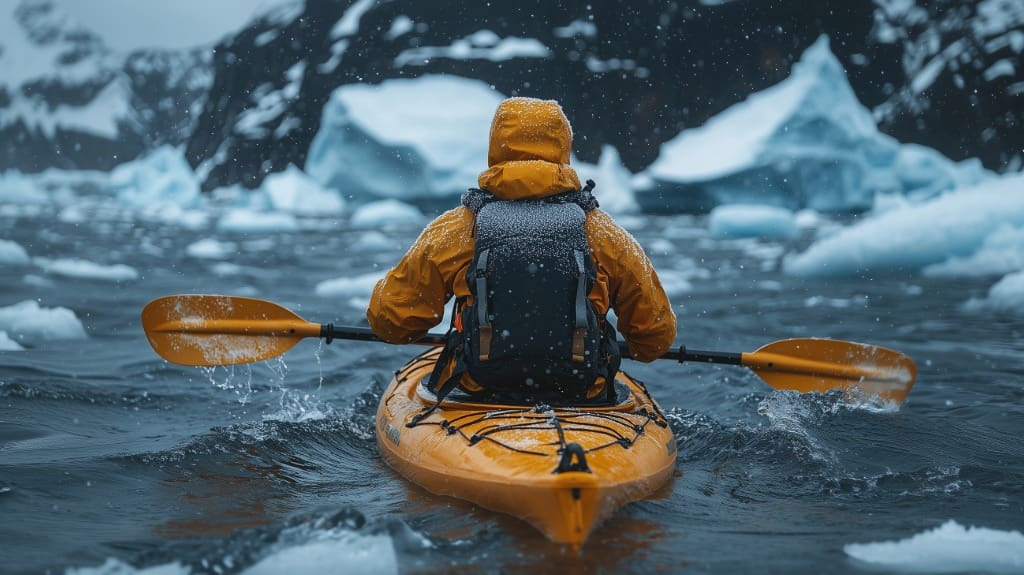

You should only go ice kayaking with a trained partner, a practiced roll or reliable paddle‑float re‑entry, and a conservative plan that fits the least‑experienced paddler, because cold water and shifting floes punish mistakes; pick sheltered flat water with easy exits, scout for open leads and avoid continuous ice fields, wear a drysuit or full emergency kit, carry spare paddle, towline, VHF/phone, whistle, thermal change of clothes and heat packs, rehearse assisted rescues, and check tides, weather and exit points before you launch — more practical tips follow.
Some Key Takeaways
- Use a drysuit with insulating layers underneath and always dress for a worst-case swim.
- Never paddle solo: train with a partner, rehearse assisted rescues, and leave a float plan.
- Choose sheltered routes near multiple easy exit points; avoid continuous ice fields and stay close to shore.
- Carry and know how to use rescue gear: towline, spare paddle, paddle-float, throw bag, waterproof comms, and a hypothermia kit.
- Paddle slowly with short strokes, stay low, test ice gently, and rehearse rapid re-entry and self-rescue techniques regularly.
What to Expect From Ice Kayaking (Who Should Attempt It and When to Stay off the Water)

If you’re thinking about ice kayaking, treat it like a serious step up from regular paddling: only go if you’re already comfortable with cold-water self-rescue, confident rolling, and assisted-rescue techniques, because the environment can turn a small mistake into a big problem fast. You should only attempt ice kayaking if you’ve earned those skills, train with a partner, and carry comms, a towline, spare paddle, and a bailout bag with dry thermal layers and heat packs, because help won’t be instant. Pick marginal ice edges, open pockets, or river mouths with multiple exits, never continuous frozen fields, and wear a drysuit, USCG-approved PFD over layers, neoprene hood, gloves, booties, and dress for a swim rather than the air. If conditions give you pause, stay ashore. Many paddlers who venture into these conditions rely on specialized gear and retailers for proper winter drysuits and equipment winter drysuits.
How to Choose a Safe Winter Kayaking Location
When you’re picking a winter kayaking spot, start by looking for open water and clear exit options, because the place you launch will decide how quickly you can get off the water if ice or weather turns nasty; scan the shoreline for pockets of open water — river mouths, inlets, or areas where current keeps gaps — avoid fields of continuous ice, and make sure there are easy landing points every few hundred meters on a lake or several along a river route so you’re never stuck far from shore. You’ll choose sites that feel roomy, sheltered, and flat, favoring places where you can stay close to shore, skirt small floes, and bail quickly into safety, since cold water work limits time and raises stakes. Consider carrying essential gear like a bow floatation bag to improve buoyancy and increase your chances of self-rescue in a capsize, as proper floatation can make a critical difference bow floatation bags.
Checking Ice and Open-Water Conditions Before You Go
Before you head out, take a careful look at the water itself and the people who know it best: check recent local reports and talk to marina staff or other paddlers, note tide and current charts that show where ice gets pushed or thinned, and scan the shoreline for open-water leads, river inflows, or pockets where current keeps gaps, because those are the places you can actually launch and get out quickly. You’ll check water temperature, not air, and skip trips if it’s dangerously cold, scout and mark at least two easy exit points every few hundred yards, and never launch where surface ice is continuous or sheeted. From shore, judge ice color—white/clear is firmer, dark is weak—and trust local eyewitnesses over guesswork. Make sure you carry proper emergency gear such as a wilderness first aid kit and signaling devices, and know how to use them; wilderness first aid is essential for cold-water outings.
What to Pack: Essential Cold-Water Gear and Emergency Supplies

You’ll want to dress and pack for getting wet and staying warm, so bring a USCG‑approved PFD that fits over bulky winter layers, synthetic base and mid‑layers, and spare socks and gloves in a dry bag so you can swap into dry clothes fast if you go in. Tuck an emergency thermal kit into an easy‑reach bail‑out bag — a foil blanket, chemical heat packs, instant‑heat packs, and a thermos of hot liquid — and keep signaling tools like a whistle, waterproof strobe or VHF, and a headlamp with extra batteries up top. For self‑rescue and quick help, carry a towline, spare paddle, paddle float and pump or inflatable paddle float plus a knife and navigation/emergency gear (waterproof map/GPS, compass, handheld VHF or waterproofed phone), and practice accessing those items before you push off. Consider keeping a dedicated hypothermia kit in your kayak or vehicle so you’re prepared for cold‑water emergencies.
Essential Cold-Water Clothing
Think of your cold-water kit as nonnegotiable life-support: start with a drysuit that seals at the neck, wrists, and ankles, because staying dry is the single best defense against hypothermia in near‑freezing water, and that means sizing and testing those gaskets so you can move, paddle, and bail without leaks. You’ll wear a moisture-wicking base layer under a warm insulating midlayer, maybe fleece or a synthetic puffy, and carry one spare insulating layer in a drybag for quick rewarming after a dunk. Fit a USCG-approved PFD over your layers so it’s comfortable and won’t compress insulation, add neoprene gloves and hood, drysuit socks with solid footwear, and keep a whistle, waterproof radio or PLB, and a reachable sealed bailout kit for immediate use. Remember to choose gear rated for winter paddling and from trusted suppliers to ensure reliability in extreme conditions, like cold-weather gear designed for paddling.
Emergency Thermal Kit
Pack your emergency thermal kit like it’s your lifeline, because when cold water finds you fast, the right gear gets you warm and keeps you thinking straight. You’ll want a waterproof dry bag (10–20 L) with a full change of dry clothes sealed in zip-top bags, plus an insulated emergency blanket or bivvy and chemical hand/foot warmers for quick core and extremity heat. Add a compact first-aid, whistle, headlamp with fresh batteries, and a waterproof radio for comms, and stash an insulated thermos with a hot drink and high-calorie snacks for recovery. For rescue and re-entry, carry a paddle float, towline, spare paddle and knife, and keep extra layers accessible from shore or your vehicle, ready to swap immediately. Carry a properly fitted cold-water immersion suit to greatly increase survival time in frigid conditions.
What to Wear: Layering, Drysuits vs. Wetsuits, and Extremity Protection

When you dress for ice kayaking, start with a moisture‑wicking base layer, add insulating midlayers, and top with a waterproof outer — a true drysuit with sealed gaskets is what you want for water under about 50–60°F because it keeps you dry and cuts hypothermia risk. If conditions are milder, a thick neoprene wetsuit can work or be worn under a drysuit, but remember neoprene traps water so it won’t protect like a drysuit in very cold water. Don’t forget hands, head, and feet — use neoprene or lined gloves, a hood or knit cap under your drysuit hood, insulated waterproof booties, and carry spare dry clothes plus chemical warmers in an accessible dry bag after a capsize. Choosing a properly fitted drytop and other gear from a reputable paddling outfitter improves comfort and safety on cold-water trips; see drytop selection for guidance.
Layering System Essentials
Even if you’re only going out for a short paddle, start by dressing in a three-layer system so you’ll stay warm whether you’re paddling hard, standing still, or dealing with a swim; wear a snug, moisture-wicking synthetic base layer next to your skin to pull sweat away, add a warm mid-layer such as fleece or synthetic fill for trapped warmth, and finish with either a waterproof breathable shell or a drysuit to keep water out. You’ll want a dry suit or shell that fits over layers without compressing insulation, gloves and pogies or thin liners plus thicker neoprene for your extremities, insulated waterproof boots or neoprene booties, and a hood to cut head heat loss, carry spare dry layers and heat packs, and always dress for the swim. Consider also fitting your kayak with proper buoyancy aids like stern floatation bags to improve safety and recovery options.
Drysuit Vs Wetsuit
Because cold water takes heat away so fast, you should assume a drysuit is your safest choice for ice kayaking, and choose layers to match the worst-case swim you might face; a drysuit keeps you completely dry by sealing at the wrists, neck, and ankles so your insulating clothes can do their job, while a wetsuit only traps a thin layer of water that your body warms and can’t protect you nearly as well in very cold water. You want freedom on the water, but you also want to stay safe, so pick a drysuit as part of your Cold Weather Paddling Gear, wear moisture-wicking base layers and insulating mid-layers, protect hands, head, and feet with neoprene or dry-compatible pieces, and always carry spare dry warm clothes in a drybag.
Launching and Landing Safely on Snow, Ice, and Slippery Ramps
Before you step onto the ice or ramp, take a good, slow look and pick the safest spot you can find, scanning for black or thin ice, seams or cracks, and any overhangs that could break off — you want at least two clear, ice-free exit points so you won’t get pinned if conditions change. Pick a stable, non-slip surface or a portable ramp with rails when you can, wear insulated waterproof boots with good tread, and put your PFD on before you test uncertain snow or ice, you’ll thank yourself. Keep the kayak perpendicular to the edge, brace with the paddle across the deck, step in with the lower foot first while keeping three points of contact, and have a partner ready to steady or shoulder the boat for a safer two-person launch or landing.
On-the-Water Techniques for Stability and Ice Navigation
When you’re paddling among ice, stay deliberate and slow, keeping your strokes short, close to the hull, and controlled so you don’t tip in a chop or when you bump a floe; keep the bow pointed slightly into the wind or current as you approach ice edges, test contact gently with the paddle or hull nose, and don’t try to force your bow through anything that looks thick or jagged. You’ll use a low wide brace and sculling draw, keeping the blade near the hull and rotating your hips to load your core, which gives steady balance when you nudge thin sheets, and you’ll stay low in the cockpit, wear a PFD, keep a spare paddle and towline handy, and stay within swimming distance of shore so freedom stays safe.
Practicing Self‑Rescue and Assisted Rescue for Cold Immersion
You should practice self-rescue skills regularly, starting in a warm pool where you can rehearse a wet-exit, paddle-float re‑entry and a roll while wearing your cold layers or drysuit, timing yourself so you know how quickly numb fingers slow you down. Work assisted rescues with a partner in full PFDs, running T‑rescues, stabilizing a capsized kayak, righting and bailing within a 5–10 minute window, and carrying the exact gear you'll use on the water—towline, radio, thermal blanket, spare layers—so you learn how each item helps or fails under pressure. After each drill, debrief briefly about time-to-warmth, what worked, and what you’d change, because the goal is to make these moves automatic, keep exposure low, and get warm fast if the worst happens.
Self‑Rescue Techniques
Get comfortable with the drills you’ll need to get yourself back into play after a capsize, because in cold water seconds count and steady practice makes it routine: start by practicing a paddle‑float self‑rescue in warm water until you can inflate the float, lash it to the paddle, and use it as an outrigger to re‑enter the cockpit in about 5–10 minutes without help, and also learn a reliable roll (wet or Greenland roll) in a heated pool so you can right yourself without getting out when hypothermia is a real risk. You’ll want to practice paddle-float drills and the roll until they’re reflex, rehearse entries wearing your layers or drysuit so numb fingers don’t surprise you, and carry a bailout bag with spare warm layers, heat packs, whistle, and a comms device so you can warm and signal fast after a self-rescue.
Assisted Rescue Methods
Although cold-water rescues are serious, you can make them routine by rehearsing assisted techniques in warm, supervised settings until the moves are automatic, so start by practicing paddle-float self-rescues and straightforward T-rescues with a partner, both done while wearing PFDs and with a clear plan. You’ll rehearse inflating a float, securing it to deck lines, climbing onto the stern and sliding back into the cockpit within two to three minutes, because speed matters, and you’ll train assisted T-rescues using a secure towline so the rescuer braces perpendicular, stabilizes the boat and rights it in one controlled move. Practice the hip-flick roll in a pool until it’s smooth, include a timed dry-clothes warming drill, and always work with supervision.
Hypothermia, Cold‑Water Shock, and Immediate First Aid
Feeling the pull of cold water is one of those moments that snaps you into instant clarity, because cold‑water shock can hit in seconds with a gasp, wild breathing, and a racing heart that can drown you before hypothermia even starts, so knowing what to watch for and what to do matters. If you fall in, fight the urge to thrash, control your breathing, and get your airway clear, aim to self‑rescue or hold onto gear until help arrives; a drysuit and PFD buy you time, but minutes count. Watch for shivering, fumbling hands, confusion, slurred speech, then drowsiness as hypothermia deepens. Get them out, strip wet clothes, trap heat with dry layers or blankets, give warm, sweet fluids only if they can swallow, avoid rubbing or hot baths, and get medical care fast.
Trip Planning, Buddy Rules, and Decision‑Making in Winter Conditions
When you’re planning a winter paddle, treat the trip like a short expedition: pick a route that matches the least‑experienced person in your group, choose sheltered flat water with plenty of easy‑out spots, and set a clear turnaround time so nobody improvises under stress. You’ll never go solo, always paddle with at least one competent partner so someone can do an immediate assisted rescue, and you’ll leave a float plan with a trusted contact listing route, launch and take‑out, check‑ins and backup exits. Base your go/no‑go on water temp and ice coverage, carry a USCG‑approved PFD that fits over layers, VHF or waterproof comms, drybag with extra thermals and heat packs, rehearse rescues, and cancel if conditions worsen.
Using a Safe Kayak Launch (Why EZ Dock and Launch Features That Reduce Risk)
You’ll usually want to start at a purpose‑built floating launch, not a slippery shoreline, because EZ Dock–style launches give you a predictable, non‑slip surface and handrails so you can get in and out without wasting time fighting ice or balance, and that matters a lot in cold water. Aim for a floating launch with low freeboard and a shallow ramp angle so your step-down is small, check that decking feels non-slip under your boots, and use the handrails to steady every movement as you push off. Look for multiple access points in case wind or ice shifts, confirm materials are freeze‑resistant, carry an extra paddle float or throw bag, and rehearse a quick re‑entry before you go.
Some Questions Answered
What Is the 120 Rule for Kayaking?
The 120 Rule says you can survive or stay functional for 120 seconds in cold water, but you shouldn't trust it. You should treat any immersion as an emergency, carry ice rescue tools, practice gear maintenance so your drysuit and PFD work, and keep clear group signaling plans, because cold shock varies by temperature, fitness, and clothing; get out fast, replace wet layers, and train rescue skills with your buddies before you paddle.
What Is the 50-90 Rule in Kayaking?
The 50-90 rule claims water at 50°F gives about 50 minutes survival and 90°F is safe, but that's misleading, so don’t rely on it. You should treat cold exposure seriously, choose gear selection like a drysuit and proper PFD, and practice entry techniques for quick re‑entry and self‑rescue, carry a whistle, knife, and spare heat layers, check water temps, paddle with a buddy, and plan conservative exits before you push any limits.
How Cold Is Too Cold to Kayak?
Too cold when the water’s near or below about 50°F (10°C), you’ll lose coordination and hypothermia can set in fast, so treat that as high risk. Check water temp, watch for thin or moving ice while practicing ice navigation, wear layered insulation and reliable hand protection, paddle with a buddy, pack emergency thermal layers and comms, and choose routes away from ice edges; if you hesitate, postpone and stay safe.
What Is the 120 Rule for Hypothermia?
The “120 rule” says you’ll survive 120 minutes in cold water, but it’s not reliable; you should focus on hypothermia recognition, preventive layering, and emergency extraction instead. Watch for intense shivering, loss of dexterity, confusion, and slowed breathing, wear insulation or a drysuit and a PFD, carry a tow, whistle, and thermal blanket, and plan quick self-rescue or assisted extraction, don’t gamble on a fixed time.