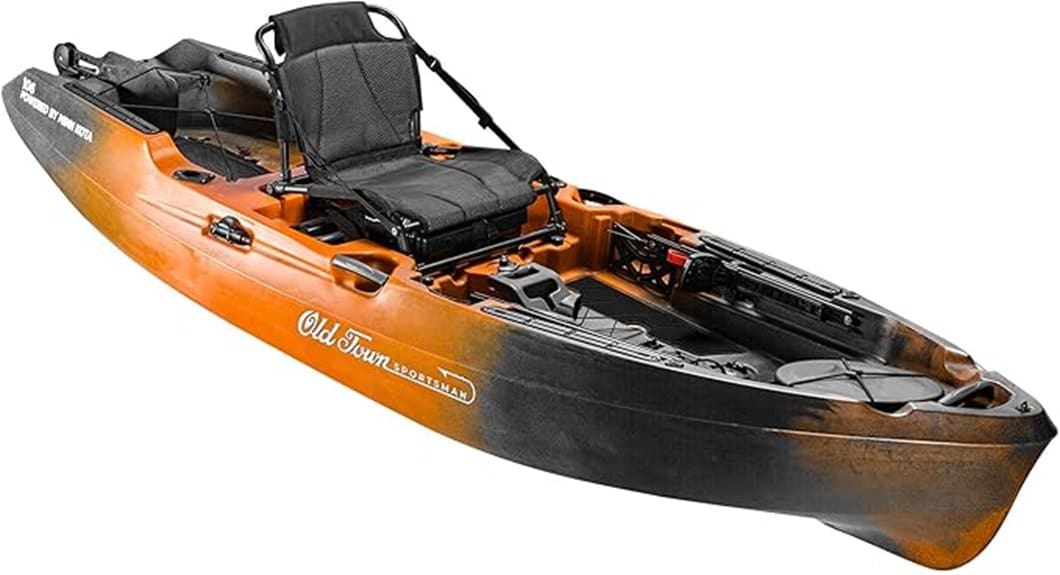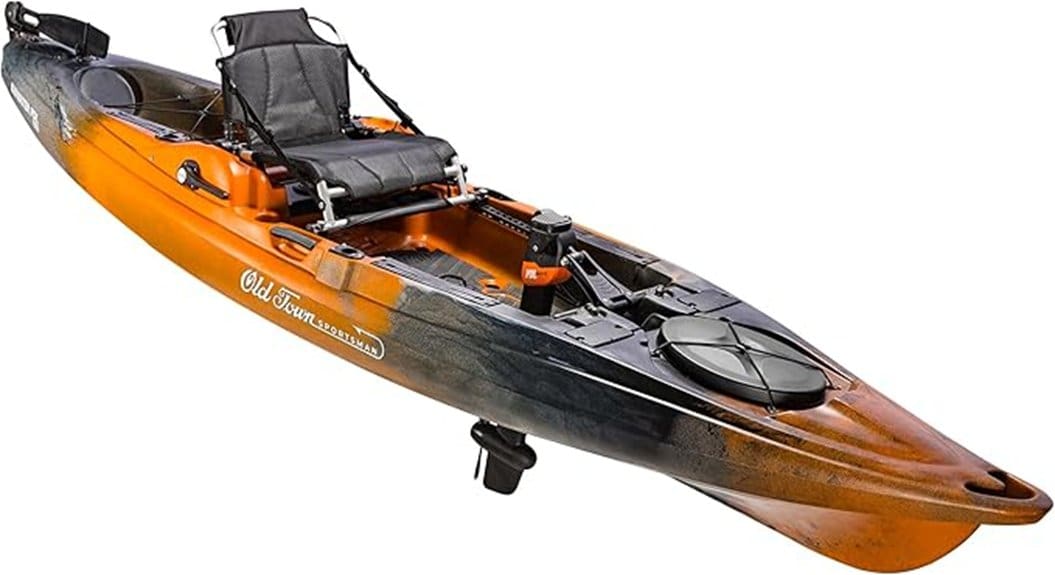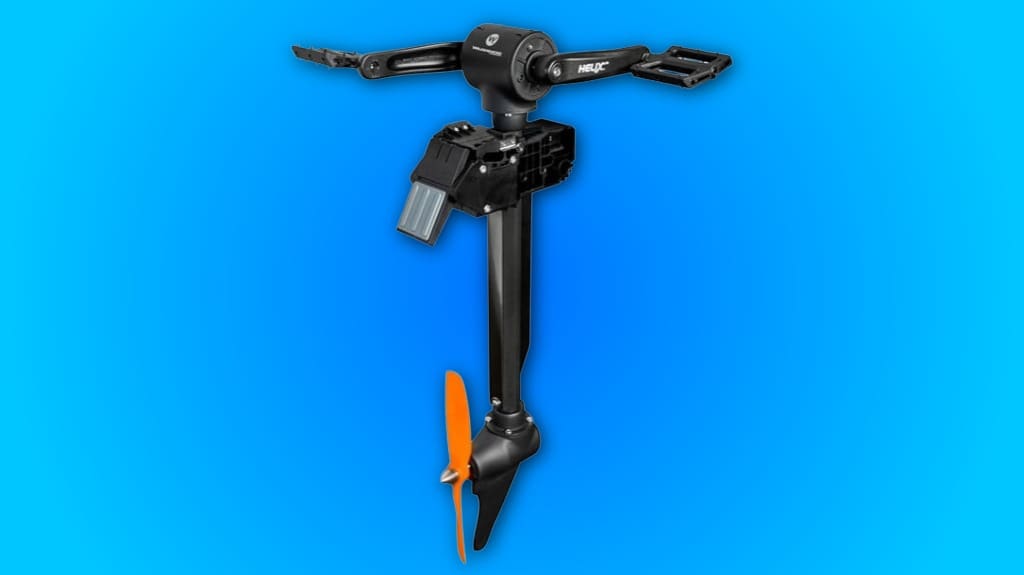

The Helix PD™ clips into a Recon 120 to turn your legs into a quiet, hands‑free cruise system that’s tuned for fishing, giving steady forward thrust, a weed‑clearing zero‑draft kick, and predictable steering so you can cast and net without paddling; check mast seating, practice clipping in calm water, carry a spare cotter pin and small tool roll, and watch for odd vibrations during engagement—if you want tips on fitment, installation, and whether it’s worth buying, keep going.
Some Key Points
- Purpose-built clip-in pedal drive for the Recon 120 enables hands-free cruising and fishing with reliable forward thrust.
- Three-position pedal mast gives efficient propulsion, zero-draft for weeds/shallow water, and a pedal-lock auto-reset for stowage.
- Balanced speed-to-effort reduces leg fatigue for all-day fishing while noise baffles provide a stealthy approach to fish.
- Proper fitment and installation (mount hardware, mast seating, greased pivots) are essential for clean deployment and smooth operation.
- Pros: improved comfort and hands-free casting; cons: added weight and need to carry spare hardware and tools.
What the Helix PD™ Pedal Drive Is and Who It’s For
Think of the Helix PD™ Pedal Drive as a purpose-built powertrain you clip into a Recon 120 to turn long, lazy days on the water into hands-free cruising and fishing, and if you fish from a kayak you’ll appreciate how it keeps your legs doing the work while your hands stay free for the rod, net, or camera. You’ll get hands free casting and better angler comfort, so you can focus on spots, bites, and camera angles, bring a spare paddle, check mounting points, and practice clipping it in calm water first, then head out confident, steady, and ready to fish. Wilderness Systems designs kayaks and accessories for paddling adventures, and the Helix PD™ pairs especially well with their stable, fishing-focused models like the Recon 120 for optimized on-water performance and rigging stability features.
How the Three-Position Pedal System Works in Real Use
Now that you know why the Helix PD™ makes hands-free fishing practical on a Recon 120, let’s look at how the three-position pedal system actually behaves on the water so you know what to do first and what to expect next: when you clip the drive into the hull and push the pedals, the fully deployed position gives you solid, efficient forward thrust and you’ll notice the gear is tuned to move the kayak without overworking your legs, but if you feel weeds, shallow bottom, or want to stop quickly you can press the spring kick to lift the mast into a zero draft setting, the pedal lock holds it there while the auto reset readies the drive to drop back in, so practice the engagement points on calm water, carry a spare cotter pin and small multi-tool, and listen for odd vibration that signals alignment needs before heading farther out. For extended trips consider packing extra accessories and maintenance items to keep your Recon ready for long days on the water, including essentials from Sea Eagle gear.
Performance: Speed, Effort, Noise, and Steering on the Recon 120
When you drop the Helix PD into the Recon 120 and start pedaling, you’ll quickly notice how the drive converts steady, relaxed leg strokes into reliable forward speed without making you feel like you’ve run a marathon, and that balance between speed and effort is what makes all-day cruising and fishing realistic. You’ll find top end efficiency that keeps you moving without burning out, a stealthy approach for sneaking up on fish thanks to the noise reduction baffles, and predictable steering through the rudder kit, so focus on cadence, trim, and small pedal adjustments to control speed and direction. The Helix PD pairs especially well with pedal-specific kayaks, making it a strong choice for pedal drive kayaks and anglers who prioritize hands-free propulsion.
Installation, Fitment, Accessories, and Practical Tips
You've already felt how the Helix PD moves the Recon 120 with steady, efficient pedaling, so next you'll want to get the drive fitted and set up so it stays that way all day — start by checking how the three-position pedal mast seats into the hull cutout, making sure the spring-loaded kick pedal snaps into the zero-draft setting cleanly and that the fully stowed position clears the cockpit and any gear tracks, because a misaligned mast will cost you speed or make deployment sticky. Use correct mounting hardware, confirm tool alignment before final torque, carry spare bolts, grease pivots, and test steering travel. Paddlers who own Old Town and Wilderness Systems boats often keep a dedicated toolkit aboard for on-water adjustments and minor repairs, especially when installing accessory systems like pedal drives — consider adding a compact gear roll to your kit for convenience and protection, and learn common fitment points for both brands to speed future installs kayak accessories.
Should You Buy It? Pros, Cons, Alternatives, and Final Verdict
If you're weighing whether the Helix PD is worth the upgrade, think about how you plan to use your Recon 120—if you want steady hands-free cruising for a full day, easier drift-and-fish positioning, and a quieter pedal system that tucks away when you need open deck space, this drive will likely pay off. You’ll enjoy freedom to roam, less arm fatigue, and better maneuvering, though added weight and attention to battery range for any electric assist or accessories matters, and resale value may rise if well cared for; try it, test fit, carry spare hardware, and plan storage. Consider also how pedal systems integrate with other kayak gear like gear racks to maximize on-water convenience.
Some Questions Answered
Can the Helix Pd™ Be Used on Other Kayak Brands/Models?
Yes, you can fit the Helix PD™ to some other kayaks, but check mount compatibilities and propeller clearance first, since hull shape and transom setup matter; measure your mounting area, confirm flat pad or bracket spacing, and make sure the prop has room to spin without hitting hull or hardware. Bring basic tools, extra bolts, and a seal kit, test in shallow water, and be ready to tweak placement for smooth, quiet operation.
Are Replacement Parts Readily Available and Affordable?
Not totally — replacement scarcity can pop up for some Helix PD™ parts, so you’ll want to plan, but aftermarket compatibility often fills gaps, especially for common pieces like pulleys or pedal straps. First check Wilderness Systems for OEM parts, then search reputable aftermarket vendors,-compatible rudder components, and kayak forums, carry basic spares and a compact tool kit, and buy or note part numbers so you can swap quickly on the water.
Does the Pedal Drive Affect Kayak Resale Value?
Yes, it can raise perceived desirability, especially in a market niche that values hands-free cruising and pedal systems, and you’ll likely attract buyers who want speed, comfort, and steering upgrades. First, document condition, include rudder/steering kit details, note the three-position pedal function, carry spare parts and warranty papers, and clean it. Price slightly above comparable paddles-only boats, but be ready to negotiate for wider appeal.
Can I Transport the Helix Pd™ on Roof Racks With the Recon Fitted?
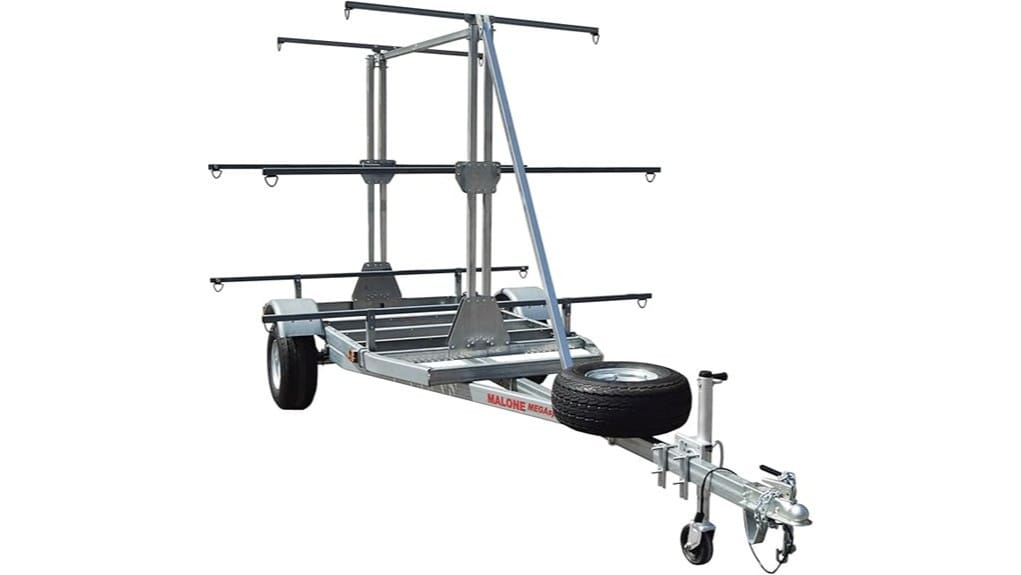
Yes, you can, but check roof rack compatibility and use solid tie down strategies: measure crossbar spacing and load capacity, confirm kayak plus Helix PD fit within your rack’s weight limit, and keep the drive in its zero-draft or stowed position so prop doesn’t hit bars. Carry extra cam straps and bow/stern lines, pad contact points, and test drive slowly, then recheck tension—want freedom, not surprises, right?
Is Professional Installation Recommended or Diy-Friendly?
You can DIY friendly install it if you’re handy, but professional installation is recommended if you want perfect alignment and peace of mind. Start by reading the manual, lay out tools (socket set, torque wrench, marine sealant), check hull fit and steering link tolerances, test pedal positions on shore, and bring a friend to help lift and steady it. If you doubt alignment or wiring, pay a pro to avoid leaks or steering trouble.