
When you paddle cold water, pick a drysuit if temps are around or below 50°F and you want to stay dry for hours, because sealed necks, wrists and zippers let you layer warm clothes and avoid rapid cooling after immersion; choose a wetsuit for milder water and short, active trips where a snug neoprene layer traps a thin warmed film of water for insulation and more mobility. Check seals and zippers, pack lube, spare gloves and a change shelter, and the next section explains specifics on fit, layers, and maintenance.
Some Key Takeaways
- Choose a drysuit for water at or below about 10°C (50°F) or when immersion risk and prolonged exposure are likely.
- Pick a wetsuit for short, active outings in milder water where a thin warmed layer and mobility matter.
- Drysuits keep you completely dry and rely on layered undergarments for insulation and temperature control.
- Wetsuits trap a thin layer of water warmed by your body; good fit at seals is critical to prevent flushing.
- Consider tradeoffs: drysuits cost more and feel bulkier but give greater safety margin versus wetsuits’ lower cost and better freedom of movement.
Which Protects You Best: Drysuit or Wetsuit for Winter Paddling?
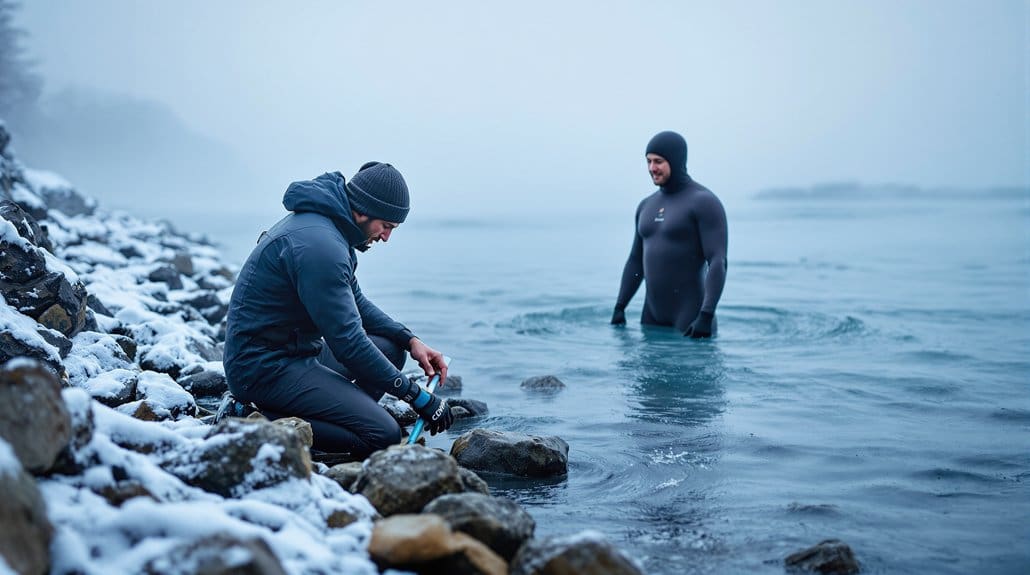
If you’re paddling in water around or below 10°C (50°F), go with a drysuit most of the time, because it keeps you completely dry so you can wear proper insulating layers underneath and stay warm for hours instead of minutes. You want freedom on the water, so pick gear that lets you stay out longer and handle surprises, since a drysuit gives a bigger safety margin against cold water immersion and delayed rescue. A wetsuit traps a thin warmed layer of water and can work in milder water temperature or short, active outings, but it won’t protect like a drysuit for prolonged exposure. Look for durable seals and easy zippers, carry warm insulating underlayers, practice getting out of your boat quickly, and train buoyancy control first. Also consider checking compatible cold water immersion suits and accessories for a complete kit cold water kayaking gear.
How Drysuits Block Cold : Seals, Layers, and Trapped Air
You chose a drysuit for cold-water paddling because it keeps you dry and lets you layer for warmth, and now you’ll want to know how that actually works so you can use it right. Drysuits block cold by keeping water off your skin with sealed gaskets at the neck and wrists and a waterproof zipper, so you stop losing heat to moving water; if a gasket fails water rushes in and your trapped air advantage vanishes, so check seals and lube zippers before launch. The air inside is your main thermal insulation, you’ll add or vent suit air with valves as you change depth to avoid squeeze or floaty discomfort, and you’ll pick undergarments—lofted fleece or purpose undersuits—to tune warmth without bulk, so you stay free and comfortable. Our shop also offers winter drysuits and accessories designed for paddlers who want reliable protection in cold conditions, including suit maintenance items and undersuits to match your needs winter drysuits.
How Wetsuits Insulate : Neoprene Thickness, Trapped Water, and Limits
You’ll want to think about neoprene thickness first, since 3 mm works for warm-temperate water, 5 mm for cool to cold, and 7 mm for really cold conditions, but remember thicker foam cuts flexibility so check mobility before you commit. The suit works by holding a thin layer of water against your skin that your body warms so it acts like a buffer, so make sure the fit is snug at the seals and limbs to stop flushing—if water keeps entering, even thick neoprene won’t help. Also be realistic about limits: in water under roughly 10°C (50°F) and on long exposures, even 7 mm gives little margin, so carry a dry top or thicker protection and change out of wet gear fast to avoid post-exposure cooling. For paddlers and water enthusiasts, consider adding neoprene accessories like pogies and gloves to retain warmth and dexterity in cold conditions, especially when using neoprene pogies.
Neoprene Thickness Matters
Think about neoprene thickness like putting on different weights of insulation: thicker foam traps more tiny gas bubbles so you’ll get better thermal resistance, but it also adds buoyancy and cuts down flexibility, so you need to balance warmth against movement and weight you’ll carry. You’ll pick neoprene thickness based on water temps—3mm for mild, 5mm for cooler, 7mm+ for cold, and you’ll check fit carefully because a snug seal matters more than thickness if flushing happens. Expect thicker suits to make you float more, so plan extra weight and practice trim, and know neoprene’s insulating gas compresses with age, so replace worn suits around five years. First, try mobility in-store, then buy or rent the thinnest suit that keeps you warm. Kayak trips often benefit from choosing gear designed for folding fishing nets and other compact, boat-friendly equipment.
Trapped Water Layer
Understanding how a wetsuit actually keeps you warm starts with the trapped layer of water that sits against your skin, and getting that layer right is the first practical thing to focus on. You want a wetsuit that holds a thin layer of water close to your skin, neoprene around it blocking heat loss, so your body warms that water and it becomes insulation. Fit matters more than style, because gaps let flushing—cold water flowing in and out—replace the warmed layer and chills you fast. Check seals at wrists, ankles, and the zipper, try the suit in shallow water, and favor semi-dry features if you plan longer trips; carry a spare hood or booties to plug leaks and extend freedom. Also consider matching your suit choice to your activity and gear — for paddling and kayak trips, prioritize comfort, mobility, and paddling-friendly paddle sizing tools.
Thermal Performance Limits
If you want to push a wetsuit past its comfort zone, start by thinking about three linked things—neoprene thickness, the thin layer of water your body heats, and how much cold water can flush that layer away—because they together set the real thermal limit you'll feel. You want freedom to stay out longer, so pick neoprene based on expected temps—3mm for mild days, 5mm for cooler swims, 7mm when you plan colder outings—remembering thicker foam traps more gas and slows Heat loss. Fit matters, seals matter; reduce flushing with snug wrists, necks, and semi-dry or lined options, and plan shorter exposures or a change to a drysuit when temps drop below about 40°F, because no thickness fixes constant cold-water replacement. For paddlers and water-adventure enthusiasts, consider pairing your suit with insulating accessories and gear from reputable suppliers to extend comfort and safety, especially when using neoprene gloves for hand warmth.
Mobility, Comfort, and Bathroom Breaks on Multi-Hour Trips
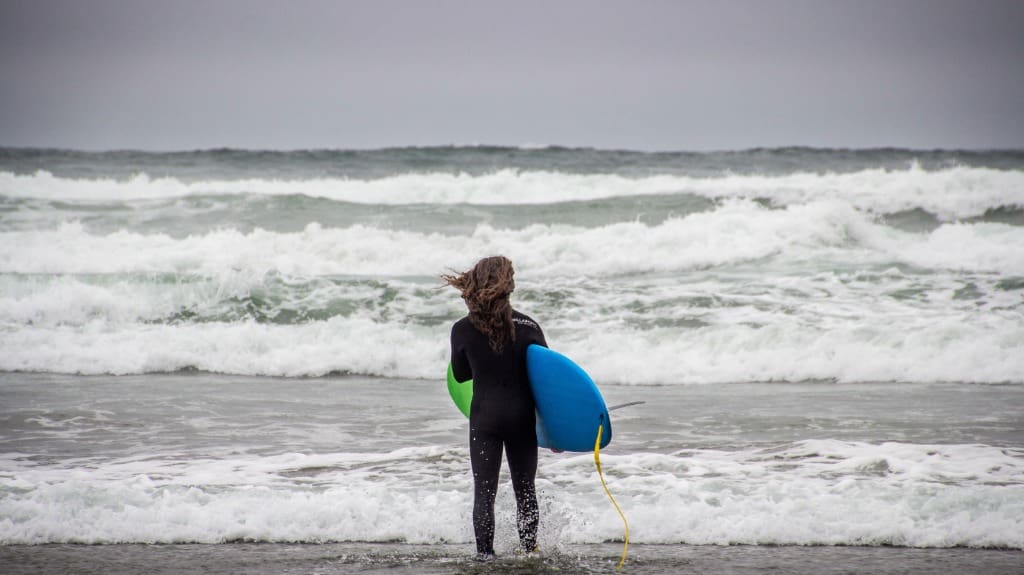
On multi-hour trips you'll notice wetsuits let you move more freely, so pick a snug, flexible neoprene and practice your stroke with it before a long paddle to make sure seams and thickness don't chafe or limit reach. If you choose a drysuit, plan for bulk and air migration by wearing slim insulating layers, learning how to vent or trim air to stop floaty feet or shoulder lift, and stowing a small pump or straps to help settle air quickly. For bathroom breaks, expect wetsuits to be faster but awkward, while drysuits take more time and care—carry easy-access base layers, a zipper lubricant, and an insulated change poncho so you can handle stops without getting chilled or wasting half the trip. Also consider packing quick-dry shorts as a versatile, comfortable option for off-water breaks and layering around campsites quick-dry shorts.
Mobility During Extended Wear
You'll usually notice mobility trade-offs on multi-hour trips the minute you start paddling or scrambling, so think about what you'll be doing most and plan your suit choice and layers around that: wetsuits hug your body and let you move freely for repeated strokes or climbing, but they hold water and can cause cooling, chafing, and stingy muscles if you stop, while drysuits give you space for warm underlayers and keep you thermally steady when you rest, yet feel bulkier and can limit your reach and swivel for rapid, repetitive motions. Decide whether range of motion or thermal comfort matters more, pick insulating underlayers that balance warmth and thinness, test swivel and reach before launch, bring a spare thin glove for dexterity, and know that restricted mobility in a drysuit often fades as you adjust technique. For longer expeditions consider gear from paddling specialists that also sell kayaks and related accessories, including prusik cord options for securing equipment.
Managing Bathroom Breaks
Because bathroom breaks can turn a good trip awkward fast, you should plan how you'll handle them before you push off, thinking through suit type, privacy, and cleanup so you don't freeze or fumble when nature calls. If you're in wet suits, remember they're snug, you'll likely need to peel off a 3–7mm suit or at least drop a leg, so use a quick-change poncho or shelter, practice doffing pieces, and expect a chill. In dry suits you can urinating inside using pads, a catheter, or relief systems, but pack wipes, waterproof bags, and easy-to-remove base layers for swapping and hygiene after. Practice the motions, learn zippers with cold fingers, and carry seal-safe cleanup gear so breaks stay quick and civilized.
When Immersion Risk and Water Temperature Demand a Drysuit?
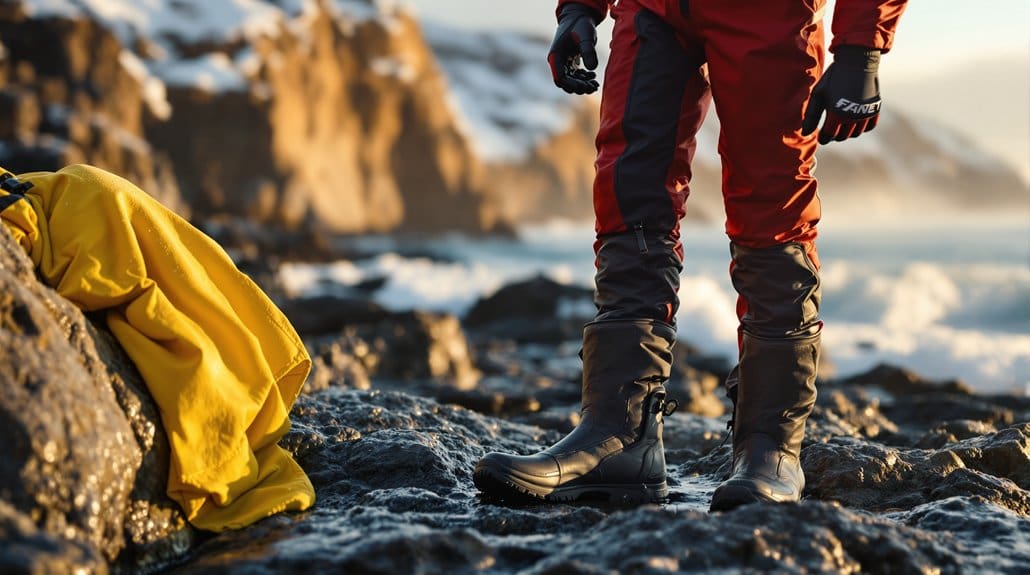
If you’re headed into cold water or into situations where getting wet could leave you stuck, pick a drysuit, because it keeps you truly dry and lets you wear real insulating layers underneath, so you won’t lose heat the way you do in a wetsuit. When water temps sit at or below about 10°C (50°F), or you expect prolonged immersion, choose a drysuit, because it cuts conductive heat loss and stops evaporative cooling between dives or during long waits, so you stay functional. Look for breathable trilaminate if you want modular layering and temp control, or neoprene for built‑in warmth, carry proper insulating undergarments, check seals and zips before launch, and practice getting in and out on land so you’re ready when the unexpected happens.
Cost, Lifespan, and Maintenance: Long-Term Tradeoffs
When you’re weighing wetsuits against drysuits, think beyond the price tag and look at how long the gear will actually keep you warm and working, because upfront cost, repair needs, and replacement frequency all add up over time. You’ll find wetsuits cost less up front, often $100–$400, they’re easy to rinse and patch, but neoprene breaks down and typical lifespan is around three to five years with regular use, so you’ll replace them sooner. Drysuits cost more initially, $500 into the thousands, yet with careful maintenance—zipper lube, gasket checks, periodic leak testing—they can last roughly three times longer, though repairs are pricier and often need pro service. If you paddle a lot, crunch replacement and maintenance into lifetime cost, and carry basic repair kits for your chosen suit.
Quick Buying Checklist : Pick the Right Suit for Your Cold-Water Paddling Needs
Start by thinking about how and where you'll be on the water, because that single decision steers everything else: are you doing short summer paddles where mobility matters, or multi-hour cold-weather trips where staying dry and layered matters more? If water temperature is below about 50°F, pick a drysuit and plan insulation layers beneath it, practice donning and zipper care, and budget for maintenance. If temps sit above 50–60°F and you want ease and freedom, a 3–7mm wetsuit will give mobility, choose thickness by cold tolerance, and expect more wear over seasons. Fit matters—wetsuits should be snug, drysuits looser for layers—carry a spare base layer, seals lubricant, and a simple repair kit, and get some hands‑on training before heading remote.
Some Questions Answered
Is a Wetsuit or Drysuit Better for Cold Water?
A drysuit’s better for cold water if you want warmth, long outings, and reduced post-dive chill; a wetsuit’s fine for shorter, milder dives where mobility tradeoffs matter. Choose drysuits for thermal layering and long surface waits, learn buoyancy control, pack undergarments and an inflation hose, and practice entry exit and maintenance. If you crave freedom, try both, start with guided dives, and carry extra layers and a repair kit.
Do Navy SEALS Use Drysuits?
Yes, you’ll see Navy SEALs use drysuits, especially in military diving when you face cold water, long submarine exits, or stealth operations that need surface time, and during seal training they pick drysuits for heat and safety. You should check suit durability, inflation/vent controls, and compatibility with combat swimmers’ gear, carry spare seals and training on buoyancy, and practice emergency ditching, because prep keeps you warm, safe, and mission-ready.
Do You Still Get Cold in a Dry Suit?
Yes, you can still get cold in a dry suit, because thermal layers matter, neck seals can leak, and undergarments compress or get damp, cutting insulation. Check fit, inspect seals, practice buoyancy adjustment so layers stay lofted, and carry spare glove options and a warm hood, plus a repair kit for insulation maintenance. Start with proper layering for conditions, test in calm water, and swap garments between dives if you shiver.
Do Wetsuits Really Keep You Warm in Cold Water?
Yes, wetsuits can keep you warm for a while, but material thickness matters, thicker neoprene traps more gas bubbles, and thermal conductivity of water still pulls heat fast, so watch water flush and fit compression that reduce insulation. Pick a snug, well-sealed suit, consider semi-dry or thicker models, add insulation layering like a hood or vest, carry spare gloves, and plan short dives with active movement to keep your body heating the trapped layer.


