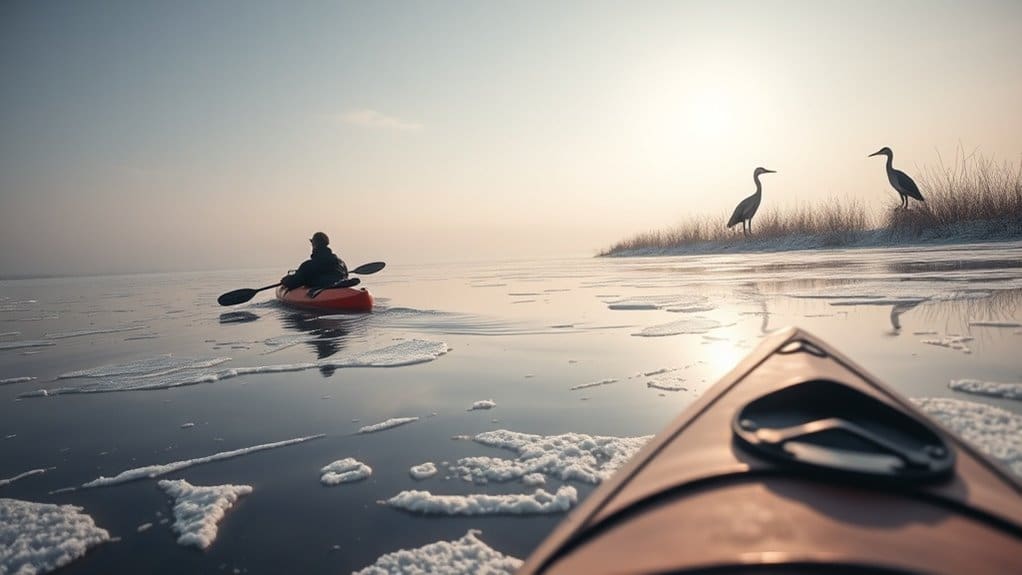
February’s prime—launch at sunrise on low tide into shallow channels, managed ponds, or estuaries, paddle quietly in a low‑profile kayak, and scan open water for pelicans and cormorants, marsh edges for herons, egrets, shorebirds, and dabbling ducks, and mudflats for flocks; bring waterproof 8×32–10×42 binoculars, layered quick‑dry clothing, neoprene gloves or pogies, a PFD, spare paddle, dry bag, and check tide charts plus recent eBird reports before you go, and stay back from rookeries to avoid flushing birds, more tips follow.
Some Key Takeaways
- Paddle morning low tides at coastal marshes and estuaries (e.g., Elkhorn Slough, Monterey Bay) for peak winter congregations.
- Use stable, low‑silhouette kayaks and quiet, low‑rate strokes to approach flocks without spooking them.
- Check tide charts, wind forecasts, and recent eBird reports before launching to time sightings and safety.
- Bring waterproof 8×32–10×42 binoculars, layered clothing, PFD, spare paddle, and a waterproof field guide or app.
- Give rookeries and feeding birds wide space (100+ yards for colonies, ~50 yards for single birds) to avoid disturbance.
Why February Is Prime for Kayak Birding in Coastal Marshes
Because February sits squarely in the heart of winter flyway movements, you’ll find coastal marshes packed with birds that are both concentrated and predictable, so start by planning a morning paddle when the air’s cool, the water’s calm, and the light’s best for spotting groups feeding or roosting. You’ll see migratory birds staged in shallow channels and managed ponds, so bring binoculars, a camera with a long lens, and warm layers that won’t bulk your paddling, and use tide charts to time low water for shorebird foraging areas. Glide quietly to edges where rookeries and tidal flats meet, watch for sudden feeding flurries, note water level changes that refuges use to herd birds, and keep a respectful distance so you can stay free to observe. Consider picking up local paddling maps and gear tailored for beginners to help you navigate and find the best observation spots, including paddling maps.
Which Wintering and Migratory Birds You’ll See From a Kayak
When you launch into a winter kayak outing, expect a mix of big, showy birds and quieter, easily missed species, so start by scanning open water for flocks and then work the edges of marshes and mudflats where a surprising variety hides; bring binoculars and a field guide, keep heat-retaining but slim layers so you can move quietly, and time your trip around low tide or calm morning light to catch shorebirds probing flats and pelicans loafing on sandbars. Paddle near Elkhorn Slough or Monterey Bay and you’ll find brown pelicans, double-crested cormorants, scoters and crowded roosts, or head to Salton Sea for massive American White Pelicans and thousands of dabbling ducks, and watch marshes for herons, egrets, spoonbills and wood storks. Consider bringing a compact kayak birding guide to help with quick IDs and gear suggestions.
Choosing the Best Kayak Type for Quiet Bird Observation
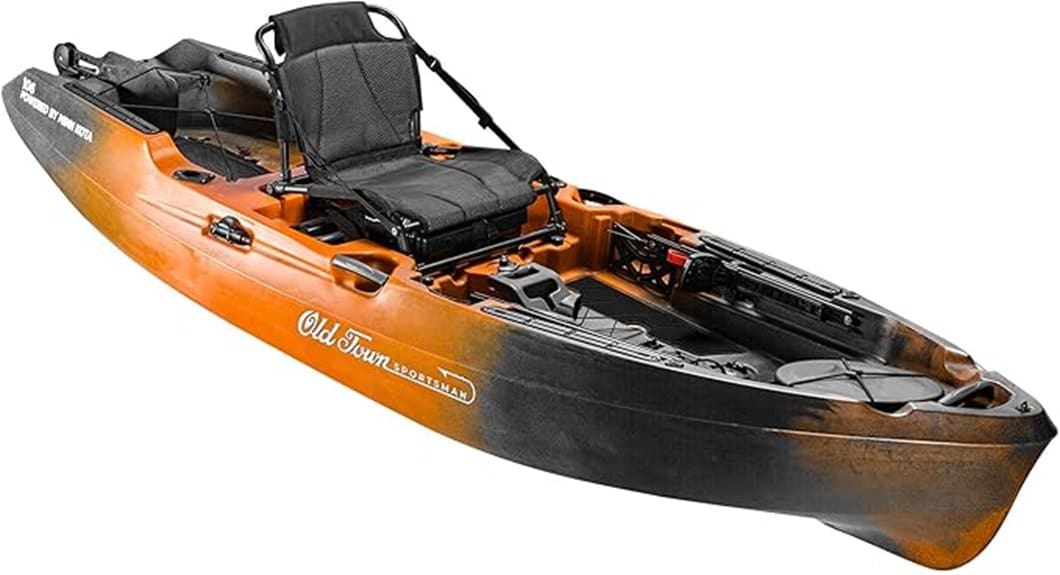
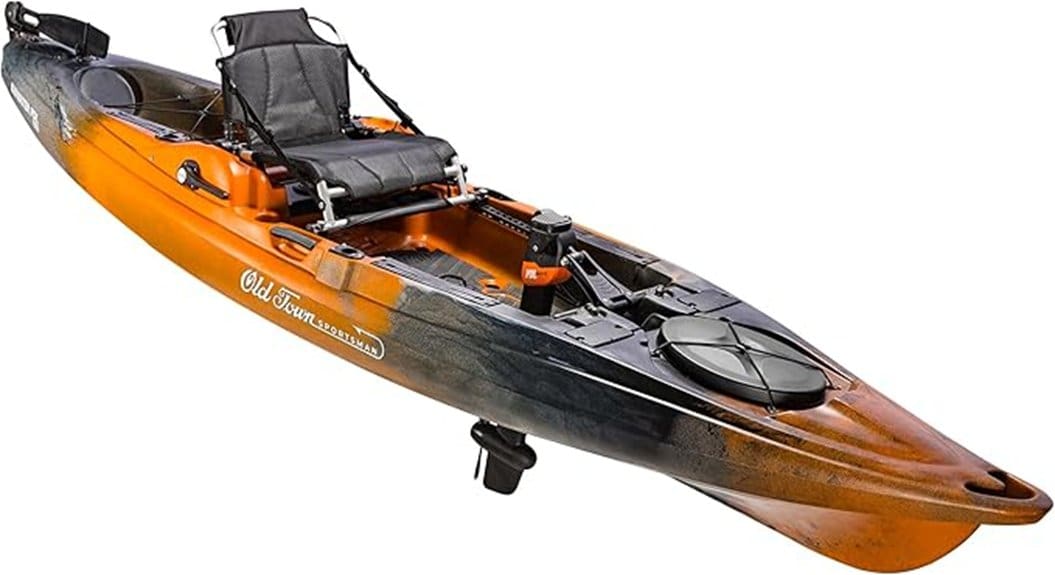
You’ll usually want a kayak that stays quiet and steady so you can creep up on birds without making them bolt, so look first for a stable, wide-hulled craft—think a sit‑on‑top or low‑profile recreational boat with a beam in the high 20s to mid‑30s inches—then step up to a sea kayak or touring boat if you need a longer, lower‑freeboard hull for calmer, controlled approaches in windier water. Pick a solo hull unless your partner paddles as quietly as you do, sit low to shrink your silhouette, and choose olive, gray, or tan to blend in. Fit padded seating and tight hatches to stop creaks, carry drip rings and a paddle leash for silent strokes, and practice slow, coordinated paddling so you stay quiet and free. Also consider carrying essential day‑touring gear like a dry bag, spare paddle, personal flotation device, and navigation aids to stay safe and focused on wildlife observation.
Selecting Launch Sites: Salt Marshes, Barrier Beaches, and Islands
If you want good bird encounters from a kayak, start by picking your launch with purpose—look for sheltered salt‑marsh put‑ins or established barrier‑beach and island access points that cut your open‑water time, give you quick exits, and put you close to the birds’ feeding zones. Pick launches like Adamsville Landing or Big Sandy Pond ramps to reach dense wading‑bird habitat without fighting wind, or use Barges Beach and Bassetts Island at high tide minus an hour to edge into shorebird flats without getting stuck. Favor sites with parking and facilities, so your gear stays dry and you can bail quickly if weather turns, and choose spots near observation platforms to mix short paddles with land watching for rails, waders, and winter passerines. For beginners, consider launching from flat‑bottom kayak‑friendly put‑ins that provide extra stability and easy re‑entry from the water, such as sheltered salt‑marsh put‑ins.
How to Read Tide Charts and Weather for Safe Low-Tide Birding
Start by getting into the habit of checking a local tide chart and the forecast together, because low tides expose the mudflats and pools you want, but wind and surge can erase them fast; look up NOAA or your state park’s tide times, note the lowest daily low (aim for minus or the lowest slack water), then compare those times to wind forecasts—hope for winds under about 15 knots and a direction that’s offshore or parallel to the shore so you won’t get pushed into chop or deeper water. Plan within a 3–5 day window, match low tide to sunrise for best light and feeding, watch for tidal anomalies and river outflows, file a float plan, wear a PFD, carry VHF or apps that update tidecharts and weather, and turn back well before dusk. Also consider checking specialized tide tables and local guides for kayakers to confirm timings and hazards.
Silent Paddling Techniques to Avoid Spooking Birds
Often you’ll find that the quietest trips are the most productive, so move deliberately: keep your paddle strokes low and close to the hull, aim for a slow rhythm around 40–50 strokes per minute, and feather the blade or rotate the shaft a bit on the recovery so only one blade slices through the air and you don’t slap the water; approach birds from downwind and at a 45° angle, glide between strokes for several seconds to let them settle, and stop well short—about 30–50 meters for ducks, 100 meters plus for waders—so you don’t trigger a panic flight. From the boat launch onward, dress muted, secure loose gear, paddle with small corrective draws near shore, and watch for silhouettes like Great Blue Herons to give extra space. Choose your launch spot carefully, prioritizing sheltered shorelines and easy access points that minimize noise and disruption.
Gear Checklist: Binoculars, Clothing, Safety, and Field Guides
You’ve kept your paddling quiet and given birds room, now get your kit in order so you can actually see and stay safe while you watch; pick binoculars that balance power and stability — an 8×32 or 10×42 waterproof pair with a neck strap and float will give you enough magnification without making the view jumpy when you’re seated, and a field guide that’s laminated or an offline app will keep ID help at hand even if you get splashed. Pack a pair of binoculars, layered quick-dry clothes, a brimmed hat and gloves so you stay comfortable from cold mornings to milder afternoons, plus a PFD with pockets, dry bag, whistle, spare paddle, bilge pump, sunscreen, snacks, water, a waterproof field guide and notebook to record sightings. Consider choosing optics designed for paddlers, like watersport-friendly monoculars, to ensure durability and floatation on the water.
Family-Friendly Tips: Keeping Kids Engaged and Safe on the Water
If you want kids to enjoy birding from a kayak, keep the trip short, simple, and predictable—pick a calm, sheltered launch and a shallow route within sight of shore, have every child wear a properly fitted US Coast Guard–approved life jacket, and plan for 30–60 minute outings in February so you can layer them for cold mornings and still stop before they get restless. You’ll keep outings short, bring child-sized binoculars and a laminated cheat-sheet of local bird species, and stop often so kids can sip a warm drink, snack, and scan from the cockpit or shore, which makes learning quick and fun. Dress layers, pack spare gloves, and teach quiet spotting habits, so safety and curiosity travel together. Also consider bringing basic paddling gear like a properly sized paddle and a whistle for safety and communication properly sized paddle.
Guided Tours vs. Self-Guided Paddle: When to Book a Guide
When you’re planning a kayak birding trip, think about timing and skill first: hire a guide in winter or for concentrated seasonal targets like sea otters or humpback whales, or if you want quiet, close access to haul-outs and rookeries without risking a disturbance. If you’re confident reading tide charts, using local maps, spotting shorebirds, and handling currents, you can save money and enjoy easy, high-density spots on your own, but pack a waterproof map, tide app, whistle, basic first-aid, and binoculars and check recent eBird or real-time reports before launch. Ask about guide training and gear rental when you book, and if safety, local knowledge, or finding rarities matter more than cost and prep time, go with a guided trip.
When To Hire Guides
On trips to prime wintering hotspots, consider booking a guide in February, because they’ll help you find big congregations like American white pelicans and wintering waterfowl fast, know the exact tide and roost timing, and point out raptors and wading birds during the best morning windows. If you want freedom but also results, hire a guide when you’re heading into sensitive areas, long open-water paddles, or you want safety-trained leaders with scopes and recent eBird info, because they’ll handle permits, tides, and disturbance rules so you can watch. Go self-guided when you know local currents, species ID, and you’re visiting tolerant, crowded wetlands, but otherwise book the Best time slot in the morning for peak activity.
Benefits Of Guided Tours
You’ve already thought about timing and whether to go it alone, so next ask what a guide actually brings to the trip and whether you should book one. A guide earns their fee by finding Winter migrants and marine mammals you’d likely miss, knowing hotspots and peak windows, running safety and wildlife-disturbance rules, and spotting subtle field marks on sea otters, pelicans, or distant ducks so you don’t paddle blind. If you want close, quiet encounters or chase rarities, reserve guided kayak tours early, bring good optics, warm layers, and patience, and let the guide set a respectful distance from rookeries. For families or beginners the learning and safety payoff is huge, but you can still solo small, tolerant wetlands when conditions suit you.
Planning A Self‑Guided Trip
If you’re weighing a guide against a solo paddle, think first about what you want to see and how confident you are with tides, currents, and basic navigation, because that choice will shape what you pack, who you call, and how close you get to wildlife. If you want expert spotting and legal access to rookeries, book a guided kayak tour, but if freedom and flexibility pull you, plan self‑guided paddling with care: check tide charts and launch conditions, monitor eBird for migrants, pack VHF/phone, PFDs, and basic first aid, and know parking and refuge rules. Ask yourself if you can handle winter winds and currents, if permits or seasonal closures apply, and whether a guide’s local knowledge will make your day safer and richer.
Ethical Viewing: Respectful Distances and Local Wildlife Rules
When you’re out kayaking for birds, keep at least 50 yards from nesting or roosting birds and try not to come within 100 yards of a colony, and paddle slowly, parallel to shore when you’re 200–300 feet from feeding birds to cut wake and sudden moves. Bring binoculars or a spotting scope, keep voices and music off, and if a bird gives alarm calls or flees, back away right then and report disturbances to refuge staff. Always check and follow posted closures, seasonal rules, and gate or drive-hour limits before you launch so you’re enjoying birds without risking fines or stressing wildlife.
Maintain Safe Viewing Distances
Out on the water, give birds and marine mammals plenty of room, so you can watch without making them flee or stressing chicks and pups; aim to stay at least 50–100 feet from resting or feeding waterbirds, 100–300 feet from nesting colonies or roosts, and about 50 yards from sea otters, seals, or sea lions, and always avoid surrounding or cutting off an animal’s escape route. You’ll glide or idle slowly near stopovers for migratory shorebirds and whales, keep noise down, and use binoculars or a spotting scope from your kayak so you don’t need to close in, and you’ll plan timing around tides, watch for chicks or hauled-out animals, and avoid rapid course changes that could flush or strand wildlife.
Follow Local Regulations
Because local rules exist to protect birds and your ability to keep watching them, you’ll want to check and follow them before you push off, so start by looking up refuge closures, posted buffer zones, and tide charts for the area you’ll paddle, and note any seasonal limits—many sanctuaries close sensitive ponds or trails Nov 1–Mar 1 and rookeries or mudflats may be off-limits in February. Before launch, stop by the visitor center or its website, ask about vehicle and access hours, and learn posted distances; keep at least 100 yards from resting seals or large whales, and stay outside buffer zones around rookeries. Paddle quietly, use binoculars from afar, follow guides’ directions, and avoid sudden splashes that force birds to waste winter energy.
Troubleshooting Common Issues: Cold Hands, Fogged Glasses, and No-Bird Days
You’ll often face three petty but annoying problems on kayak birding—cold hands that kill your dexterity, glasses fogging up at the worst moments, and those flat “no-bird” days that make you question your route—so start by carrying a small, smart kit and a quick plan: wear thin moisture-wicking liner gloves under waterproof neoprene pogies or 3–5 mm insulated neoprene gloves and tuck a couple of chemical hand warmers in your pockets to keep skin temp above about 59°F (15°C). If cold hands still nip at your control, pause, warm fingers against your torso or a warmer, and avoid tight gloves that cut circulation. For fogged glasses, treat lenses with anti-fog or baby shampoo, rinse, vent sunglasses off your face, or lift them briefly to clear condensation. When birds go quiet, check tides and wind, move to sheltered hotspots, slow your pace, listen for calls, and use eBird to chase recent sightings.
Some Questions Answered
Can I Bring My Dog on a Kayak Birding Trip in February?
Yes, you can bring your dog, but check leash etiquette and cold-water risks first: keep them leashed when launching, wear flotation gear on both of you, and use a canine life jacket with a grab handle, so you can scoop them if needed. Test short trips in calm water, pack towels, a bowl, and snacks, and watch for hypothermia signs, slippery decks, or nervous behavior around birds, adjusting plans if they seem stressed.
Are Drones Allowed for Bird Photography Over Marshes?
Usually you can’t fly drones over marshes without checking drone regulations first, because wildlife disturbance laws often forbid close passes that stress birds, nests, or roosts. You should research local, state, and federal rules, carry registration and a waiver if needed, keep altitude high, use quiet propellers, avoid nesting areas, and be ready to land on request, and if unsure, skip flying and use a long lens from your kayak instead.
How Do I Dispose of Trash Found on Remote Shorelines?
You pack gloves, sturdy bags, and a grabber, then pick up trash you can lift without risking injury or disturbing nesting birds, and you leave debris that’s too tangled or hazardous, marking the spot. Photograph and note exact location, species nearby, and amount, then report hotspots to local conservation groups or authorities so they can coordinate cleanup. Carry sanitizer for hands, secure waste, and avoid trampling fragile shoreline plants.
Can I Fish While Bird Watching From My Kayak?
Yes, you can fish while bird watching from your kayak, but keep it low-impact: use quiet casting to avoid spooking birds, bring light tackle, barbless hooks for easy catch and release, a small net, pliers, and a compact first-aid kit, and position yourself downwind or behind cover, watching for nesting areas and flight paths so you don’t disturb them. Stay legal, keep noise and trash down, and move slowly to enjoy both pursuits.
What Permits Are Needed for Launching at Protected Landings?
You usually need state permits or launch passes to use protected landings, so check your state’s parks or wildlife website first, because rules and fees vary, and some places require a permit for a vehicle, a trailer, or even hand-launched craft. Bring ID, the printed or digital pass, and any boat registration, ask rangers where to park and launch, note seasonal closures, and buy or book permits ahead to avoid fines and save time.