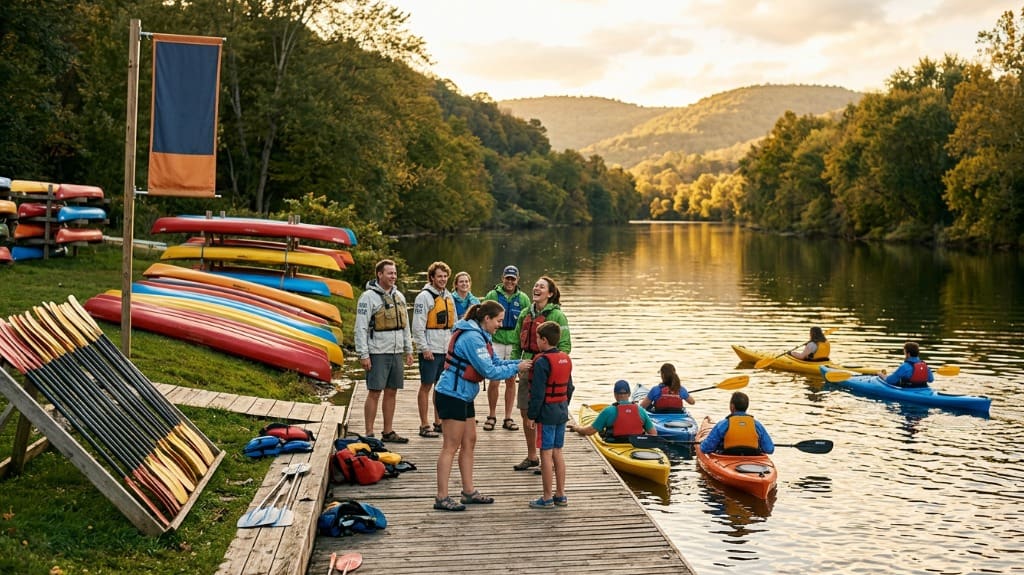
Start local: check parks & rec, paddle shops, marinas and Meetup or Facebook for flatwater social paddles, sea‑kayak clinics, surf sessions or expeditions, noting skill labels, loaner gear and safety-boat or instructor presence, and ask about PFD, whistle, spare paddle and cancellation rules; pick beginner-friendly flatwater or guided tours, confirm launch spot and duration, bring a snug USCG PFD and shoes or rent them, volunteer to learn faster, and keep going to get more tips.
Some Key Takeaways
- Identify discipline (flatwater, sea, surf, expedition) and match club mission and skill prerequisites before contacting groups.
- Search parks/recreation sites, paddle shops, marinas, Meetup, and Facebook using town + “kayak/paddle” keywords.
- Check calendars for regular trips, skill labels, loaner gear, signup deadlines, cancellation policies, and leader credentials.
- Confirm safety rules: required PFD type, whistle, spare paddle, certifications of leaders, and on‑water support presence.
- Ask about fees, trial sessions, rental availability, volunteer pathways, and member obligations before committing.
What Type of Paddling Group Fits You (Flatwater, Sea, Surf, Expedition)?
If you’re trying to pick a paddling group, think about where you want to be on the water, how much gear and training you’re willing to take on, and what kind of trips excite you most, because flatwater, sea, surf, and expedition scenes all ask for different skills and kit. You’ll pick flatwater if you want calm lakes or rivers, easy entry, guided tours, social paddles, and low barriers for beginners and families. Choose sea kayaking if you want coastal miles, navigation practice, tides and currents training, and cold-water safety gear like drysuits. Go surf kayaking for wave skills and dynamic boat control, expect rescue drills and intermediate ability. Expedition groups demand trip planning, self-sufficiency, overnight kit, and prior experience. Check club mission and prerequisites. Also consider essential beginner gear like paddles, PFDs, and spray skirts to match the discipline you choose and ensure safety on the water, especially when practicing sea kayaking basics.
Where to Search Locally First: Parks, Rec Centers, and Paddle Shops
Start with the places closest to home—your city or county parks and recreation site, the community center catalog, and the nearest paddle shop—because they usually run the most beginner-friendly programs and will tell you what gear, skills, and time commitment to expect. Check parks’ event calendars for beginner outings and safety clinics, many list ACA-style Kayak classes or interpretive tours, and state parks often co-host with agencies, so you’ll find scheduled trips and volunteer cleanups. Call paddle shops and ask about rentals, guided tours, or weekly flatwater meetups, and scan their bulletin boards for club signups. Visit community centers for instructor-led sessions that cap participants and include gear rental, and drop by marinas for meeting notices, then show up ready with basic kit, questions, and a curious attitude. Also bring or be prepared to rent essential safety items like a properly fitted PFD and a whistle, since essential gear is often required for organized outings.
How to Use Online Platforms: Meetup, Facebook Groups, and Club Websites
You’ll want to start by searching Meetup, Facebook, and club sites with your town plus words like “kayak,” “paddle,” or “flatwater,” and then scan for recent posts so you don’t join a group that’s stopped meeting, because active groups list upcoming events, skill levels, and gear rules right in the description—look for tags like “novice” or “Kayaking 101,” check if a waiver or fee is required, note any gear needs (PFD required, drysuit for cold water), and pay attention to signup windows or minimums for a trip to run; when something looks good, message the organizer or post on the event thread to confirm arrival times, gear availability, and cancellation policy, and ask whether you should bring your own boat, a spray skirt, or just a willingness to learn. Then follow Meetup.com threads, club emails, and social tags for updates. Beginner paddlers can also consider starter packages that include essential gear like a PFD and paddle to get on the water more confidently, especially when clubs suggest essential gear.
How to Evaluate a Club From Its Calendar and Event Listings
Scan the calendar to see how often events run and whether they stick to a schedule, because a club that posts regular trips and practices, shows cancellations up front, and keeps start times strict tells you they’re organized and you can plan around them. Check the skill labels and prerequisites on each listing — if it says “novice trip,” “some experience,” or requires prior club trips, drysuit use, or safety shifts, make sure you meet those before you RSVP or ask the host what to bring or practice first. Also watch for signup deadlines, minimum headcounts, and safety notes like loaner gear, support boats, or tide/current warnings so you know what to carry, when to arrive, and when to follow up with the contact person. Consider whether the launch site guidance mentions common hazards so you can choose appropriate gear and timing.
Event Frequency And Consistency
Often you’ll find the best clues in a club’s calendar, so look for regular patterns—weekly practices like Monday/Wednesday evenings and Saturday mornings, monthly paddles, or a steady slate of clinics—because consistency tells you whether events are planned or just thrown together. You want a paddling community that shows up predictably, with clear signup rules and deadlines, so check for 48-hour RSVPs or minimum-attendance cutoffs that keep outings from canceling at the last minute. Note precise start/end times and on-site timelines, arrive early to meet leaders, and watch if sessions run to schedule, since punctual runs mean safer, smoother outings. See if season-long clinics or volunteer-led classes recur, that signals stability, so test one event, then plan to return. Also look for clubs that recommend beginner paddling DVDs as helpful resources for newcomers.
Skill Level And Prerequisites
After you’ve checked a club’s calendar for steady meetups and punctual runs, read the event descriptions with an eye for who the outing is really meant for, because labels and fine print tell you if you’ll fit in or be out of your depth. Scan for prerequisites like “novice trip” requirements, mandatory drysuits, or signup deadlines, since many groups want you to sign up 48+ hours ahead and have hard cutoffs for safety briefings, otherwise you can’t join. Note stated experience or certifications, whether it’s ACA-led instruction, kayak polo for some experience, or a one-time free first-timer slot, and check fees or volunteer rules that gate certain outings. Pick beginner-friendly sessions first, bring required gear, and earn eligibility step by step. Be sure to consider essential beginner gear like a properly fitted PFD and paddle when preparing for club outings and gradual skill progression with first kayak bundles.
What Questions to Ask Before Attending Your First Outing?
Want to know what to ask before your first outing so you don’t show up unprepared or nervous? Ask if the trip suits first-timers or needs flatwater or novice experience, and whether you can just join us as a guest so you can try it out, then confirm meeting spot and time, launch and return windows, total distance and on-water duration so you can plan arrival, snacks, and a change of clothes. Check gear rules: what PFDs, clothing, and boots they expect, if boats or drysuits are provided, and whether a water bottle is smart to bring. Also ask about sign-up deadlines, cancellation rules, fees or membership needs, and any volunteer obligations before you commit. If you’re new to paddling, review basic water safety principles before attending so you’re familiar with key precautions.
How to Check Safety Standards: Certifications, Gear Rules, and Waivers
Start by asking what certifications the club requires and who’s running the sessions, like ACA instructors or USCG Auxiliary boaters, because you’ll want trained people listed on event pages or in emails before you show up. Check their gear rules and inspection process too—confirm PFD and drysuit requirements, what they’ll inspect or lend, and whether they expect specific footwear or sealed seams for cold trips so you can pack or borrow the right kit. Don’t forget to request a copy of any waiver in advance and note signup/cancellation rules and safety briefings, so you know cutoffs, minimums, and whether they’ve got on‑water safety boats and insurance backing their outings. Also verify whether the club recommends or sells essential safety gear like kayak safety kits so you can assemble the right equipment before paddling.
Required Certifications And Training
Think of certifications and training as your safety checklist before you paddle with a new club—you’ll want to ask whether they require ACA certifications or equivalent instructor-led courses for trip leaders and skills clinics, what waivers and gear rules they publish, and whether there are prerequisites like prior novice trips or sign-up windows that could keep you off the water if you don’t meet them. Ask whether the club expects American Canoe Association credentials, like Paddle America or instructor-level courses, or accepts local equivalents, because leaders with formal training raise your safety margin, and check published waivers, insurance and cancellation policies so you know liability and limits. Confirm required prereqs and sign-up timing, and verify on-water safety support, trained boaters, and weather protocols before you commit.
Gear Rules And Inspection
You’ll usually want to run through a quick gear check before you head to the put‑in, because a few minutes of inspection can keep you safe and save a trip, so start by confirming your PFD is U.S. Coast Guard–approved for paddling (Type III or V), fits snugly with only a few inches of lift on the shoulder straps, and shows no rips. Check helmets for ASTM/CE certification, level fit, and no deep cracks, then inspect your kayak or canoe for delamination, big gashes, waterlogged foam, secure deck lines and grab handles, and working hatches. Verify whistle, spare paddle, bilge pump, paddle leash if required, and waterproof comms, test batteries, and sign waivers noting conditions or gear needs before joining flatwater paddling trips.
How Volunteer Opportunities and Clinics Fast-Track Inclusion
If you pitch in to help run a public program—say, cover four shifts in a season—you’ll fast‑track your way into the club world because organizers often use that kind of volunteering as a formal path to active membership and leadership, and it gives you immediate, practical access to people and gear you’d otherwise wait months to meet. Volunteer opportunities like staffing clinics or serving as a safety boater build credentials fast, connect you with instructors and sponsors, and get you first dibs on gear loans and small classes, so sign up early, bring a basic tool kit and warm layers, ask to shadow certified instructors, note who runs outreach, follow up for references, and keep showing up to prove safety and culture fit.
How to Assess Membership Costs, Fees, and Trial Session Options
Start by asking what membership options they offer and how much a single drop‑in or seasonal pass actually costs, because some clubs charge about $25 for a one‑off while a seasonal or annual plan can cut your per‑session price if you paddle often. Find out if you can try one session free or at a reduced rate and what the signup and cancellation rules are—like whether you need to register 48 hours ahead for a Wednesday scrimmage, whether boats or instruction are included, and if sessions get canceled for low turnout. Also check any prerequisites or certifications tied to lower fees or volunteer perks, bring any needed paperwork or shoes and a PFD if rental gear isn’t provided, and ask how late cancellations are handled so you’re not surprised by extra charges.
Membership Types & Fees
Most clubs offer a low-risk way to try paddling, so start by asking about a free or single-session drop-in—many let first-timers come once for free and others charge about $20–$35 for a single session (kayak polo, for example, often runs around $25), which lets you test the vibe, the gear, and how the group runs practice before committing. When you join a kayak club, expect annual dues from about $30 for tiny community groups to $75–$150 for larger regional clubs, sometimes with insurance included, and seasonal passes if you only paddle part of the year. Budget for rentals, clinics, or event fees, check signup and cancellation rules, and prioritize clear refund and minimum-attendance policies before you pay.
Trial Sessions & Policies
You’ve gotten a sense of membership costs, now look at trial sessions and the small policies that decide whether a single visit will actually give you a fair feel for the club: ask whether they offer a free first-timer night or charge a $25 single-session fee, and confirm sign-up rules—many require you to register at least 48 hours before a session and need a minimum of about six people for the event to run, so don’t assume you can just show up. Before you go, check prerequisites and gear rules, confirm whether drysuits or prior novice trips are needed, and learn cancellation cutoffs so you don’t lose the group money; if unsure, contact the host, feel free to ask questions, and come prepared.
How to Match Your Skill Level and Find Appropriate Beginner-Friendly Events
If you’re new to paddling, don’t sign up for the first trip that looks fun; instead, read the event listing carefully, check the prerequisites, and pick events that match your stamina and comfort—short weekday scrimmages or long coastal crossings aren’t great for true beginners, but a “Kayaking 101” class, a guided flatwater tour, or a novice trip labeled for first-timers will teach basics at a safe pace. Join groups like Area Sea Kayakers or contact their leaders, confirm whether you meet any “must have been on a novice trip” rules, then pick outings with ACA instructors or safety boaters, check mandatory gear like footwear or drysuits, sign up early to avoid cancellations, and choose trips with current-assist or gentle conditions.
How to Make Connections After Events: Follow-Ups, Slack/WhatsApp Groups, and Shop Bulletin Boards
Keep the momentum going right after the trip, because people drift apart fast—ask three folks you clicked with for their contact info, suggest one concrete plan like “coffee next Tuesday?” and mark it in your calendar so it actually happens. Then create or join a Slack or WhatsApp channel for the outing, post photos, route notes, and a suggested next meetup within 48 hours while memories are fresh, because quick follow-ups turn brief chats into new friendships. If your club already has channels, subscribe or start a local one like #morris-canal, share trip details and recruit paddlers, and ask nearby paddle shops to pin a small card with date, skill level, gear notes and a QR to your chat so more free-spirited people can join.
Some Questions Answered
What Is the 120 Rule for Kayaking?
The 120 Rule says if you capsize, teammates expect you to be swimming or aided for up to 120 seconds, two minutes, before full recovery, so plan Course Length, gear and support accordingly. You’ll carry a PFD, towline, throw bag and know self‑rescue rolls or wet exits, keep support boats and trained people close, and brief proximity limits and escalation points, because cold, current or few paddlers mean you’ll shorten that window.
What Are the Three Golden Rules of Kayaking?
The three golden rules of kayaking are Safety Basics: wear a Coast Guard–approved PFD, know your limits and check weather, tides, currents before you go. Paddle with others or tell someone your plan, carry a whistle, spare paddle, and dress for the water, like a drysuit in cold conditions. Respect other users and the environment, keep clear of wakes and shipping lanes, and never push beyond your skill level.
What Is Harder, Canoeing or Kayaking?
Kayaking’s generally easier, but it depends on your goals and balance; stability comparison favors kayaks for beginners because they sit lower and use a double‑bladed paddle, so you’ll have steadier tracking and easier steering. If you want cargo space, social trips, or calm lakes with gear, canoeing’s worth the extra technique work. Try both, wear a PFD, bring a whistle and dry bag, practice basic strokes and re‑entry on flat water first.
Does Kayaking Burn Belly Fat?
Yes, kayaking helps burn belly fat indirectly, since it’s aerobic and boosts calorie burn when you paddle regularly and keep a calorie deficit, and it builds core engagement by working your obliques and abs during rotation and balance. Start with 30–60 minute sessions, mix in 1–3 minute hard sprints, add two resistance or core workouts weekly, bring water, sunscreen, a PFD, and track progress with waist measures rather than the scale.