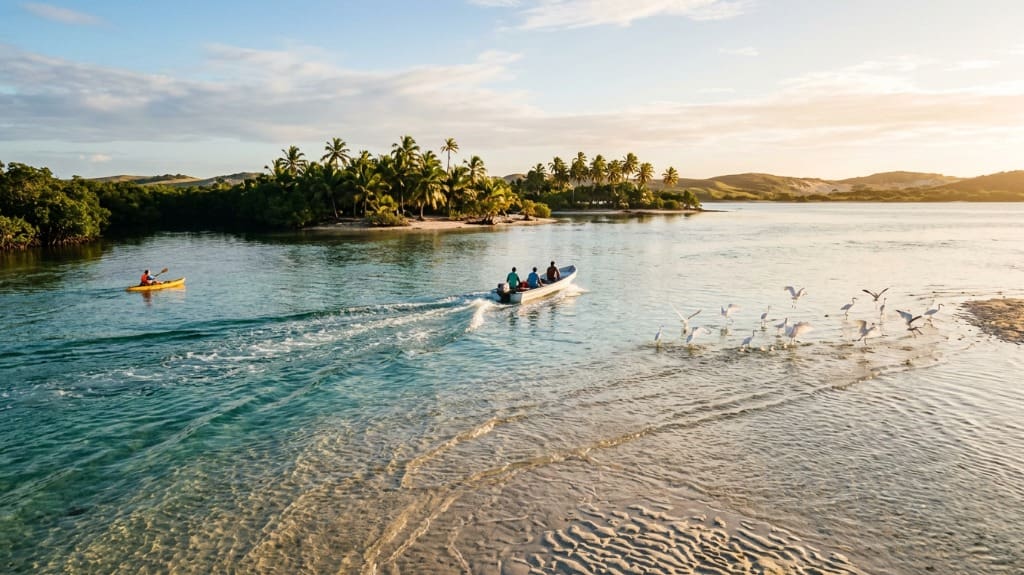

Head to the Gulf Coast in winter when you’ll get low‑70s days, calmer seas, and quieter marinas; pick a base like Fort Myers, Sanibel, Naples, Marco Island, or Sarasota, check a 7–10 day forecast for sustained light winds under 10–15 knots, plan mid‑morning departures to avoid fog and use tide tables for shallow passes and shelling, bring PFDs, VHF, waterproof charts, sunscreen and a gallon of water per person, book shallow‑draft charters early, and you’ll find better wildlife and easier anchorages—keep going and you’ll get detailed routes, gear lists, and timing tips.
Some Key Takeaways
- Best season is winter (Dec–Feb) for low 70s, calmer winds, settled seas, and peak wildlife encounters.
- Plan mid‑morning departures to reduce fog, use slack or outgoing tides for wildlife and fishing, and check 7–10 day forecasts.
- Keep daily hops short (20–40 nm), plan 12–18 kt cruise speeds, and allow extra time for shallow mangrove channels.
- Choose shallow‑draft boats or skiffs for Ten Thousand Islands and sandbar stops; carry stern/short bow anchors with 6:1 scope.
- Book charters early, confirm guest limits, flat rates and launch points, and have one flexible buffer day for weather or tide changes.
Choosing the Right Season and Weather Windows for Winter Island Hopping
If you want smooth, easy island hopping on the Gulf Coast, aim for winter—December through February—when daytime temps usually sit in the low 70s, winds calm down, and the seas settle, so crossings between Sanibel, Captiva, Cayo Costa, and Marco Island are far more pleasant. You’ll check 7–10 day forecasts, pick windows with sustained light winds under 10–15 knots and seas below 2–3 feet, and plan legs mid‑morning to early afternoon, when heating cuts fog and tidal currents ease in channels like Pine Island Sound. Keep one flexible buffer day per multi‑day trip, monitor NWS marine zone forecasts and tide tables, and favor outings with visibility above five nautical miles; bring spare fuel, charts, and a VHF radio, and stay ready to shift plans. Also consider consulting tide tables to time crossings for favorable currents and beach approaches.
Picking the Best Gulf Coast Bases: Naples, Marco Island, Fort Myers, Sanibel, Sarasota
Start by picking the base that matches what you want to do that day — head to Naples or Marco Island if you want easy boat launches and calm waters for dolphin and sunset trips, choose Fort Myers or Sanibel when you’re aiming for great shelling and bike-to-launch convenience, or push north to Sarasota for longer dock-hop and sandbar-plus-dining cruises. Look for marinas with protected launch ramps, ask about group rates and trip lengths so you know what to carry (water, sun protection, a light jacket for evenings, and a dry bag for shells or cameras), and scout the best wildlife spots in advance — mangrove edges and quieter islands for birds and manatees, sandbars for shorebirds and seashell finds. When you call charters, confirm exact launch points, passenger limits, and what they handle versus what you should bring, then plan meals around nearby shore restaurants or pack a picnic if you want to anchor at a sandbar and stretch out. Consider bringing essential day-touring gear like a comfortable PFD and dry bag basics to keep gear safe and manageable on short trips.
Prime Boat Launch Points
Pick a launch that fits the kind of day you want, because each Gulf Coast base sends you into very different waters and experiences, and knowing what to look for up front will save time and money; Naples gives calm Gulf waters and predictable winter conditions, downtown marinas offer 2–4 hour private charters for sunset, dolphin, or fishing trips, expect group rates around $375–$487. Marco Island (Goodland/Port of Marco) funnels you into Ten Thousand Islands and shelling runs, with 2-hour tours near $400–$450 or longer eco trips. From Fort Myers and Sanibel marinas you’ll reach Cayo Costa and Pine Island Sound, shelling and day cruises vary $350–$725, while Sarasota supports longer dock-hop culinary trips $495–$595. Pack sun, water, a light jacket, and a charged phone, then pick duration first. Consider joining a local club for gear, training, and community support to make the most of your outings and improve safety on the water with kayaking essentials.
Best Wildlife Viewing Spots
Usually you’ll want to choose the base that matches the animals you most want to see, so think first about species and conditions—Naples gives calm, predictable winter Gulf waters where 2-hour private dolphin and sunset cruises often net dolphins, manatees, and sea turtles; Marco Island funnels you into the Ten Thousand Islands for tight dolphin pods and shorebirds, with short eco tours and longer shelling runs; Fort Myers and Sanibel are the pick for shelling and birding, especially around J.N. Ding Darling. You’ll favor small private charters or guided kayak tours to maximize sightings, carry polarized sunglasses, binoculars, and a dry bag, watch for shell mound edges and mangrove channels where manatees loaf, and start early for soft light, fewer boats, and the best chances of close encounters. Local paddling maps are invaluable for navigation and safety in these complex coastal networks, especially when exploring tidal creeks and islands paddling maps.
Dining And Shore Excursions
When you’re planning shore days and meals around island hopping, think first about the vibe you want—do you want calm, easy bays with fishing charters and waterfront restaurants, short wildlife-focused cruises and shelling runs, or a more culinary, dock-and-dine kind of trip—because your base town will shape the excursions you can walk out to and the gear you’ll need. Pick Naples for calm waters, easy fishing charters, and lots of waterfront dining, bring light tackle and a sun hat. Choose Marco Island for private dolphin and Sunset Cruise options and half-day shelling eco-tours, book ahead and pack snorkel gear. Fort Myers gives casual seafood spots and tiki-boat trips, Sanibel/Captiva prioritize Shelling and nature, Sarasota fits restaurant hopping and longer dock-hop cruises. Also consider bringing essential safety gear like a PFD, whistle, and waterproof checklist to stay prepared on shore excursions and paddling trips, especially during winter touring in warm waters with variable conditions and increased boating traffic around popular islands; see essential gear.
Crafting a Multi-Day Route: Short Hops, Anchorages, and Fuel-Stop Spacing
If you want days that leave time for beaches and shelling, plan short hops of about 20–40 nautical miles so you’re off the helm by midafternoon, with some legs even shorter—Sanibel to Captiva is barely a quick hop while routes through Pine Island Sound to Cayo Costa can stretch 18–25 nm depending on the channel you take—so map each day with a realistic arrival window, note nearby protected anchorages like Lovers Key, Estero Bay, Tarpon Bay or Cayo Costa’s designated spots for wind shelter and dinghy access, and pencil in fuel stops every 120–180 nm of total cruising or at least every 2–3 days using reliable full‑service marinas at Fort Myers Beach, Pine Island or Boca Grande; carry a 10–15% fuel reserve, identify an alternate marina within a day’s run, and give yourself extra time through mangrove channels and the Ten Thousand Islands because shallow water and tidal changes slow you down and change where you can safely anchor. Using waterproof charts designed for kayakers and beginners can help you navigate shallow areas and find protected spots with confidence.
Selecting the Ideal Boat Type and Private Charter for Your Group Size
Think about how many people you’re bringing, what you want to do, and how long you plan to be out so you can match group size limits to the right boat type—small groups (2–6) fit a skiff, center console, or a 30–40 ft cruiser for sunset or dolphin trips, families hunting shells need shallow-draft boats or pontoons to reach sandbars, and anglers should book dedicated fishing charters with gear and live bait. Check the charter’s stated max guests, ask about onboard amenities and shallow-water capability, confirm typical durations and flat group rates up front so you won’t be surprised by time or cost, and carry sun protection, motion remedies, and a small dry bag for phones and keys. If you want a more social, longer cruise with food and dock-hopping, opt for a larger luxury charter that offers standing room and seating for 4–6 hour excursions, just call the operator and match their recommended boat to your activity and party size. Beginners should also consider essential starter gear like life jackets, paddles, and dry bags to stay safe and comfortable on the water, especially when choosing a charter or planning shore excursions with starter paddle packages.
Group Size Limits
Pick the boat that fits your crew and your plans, because group size changes everything—what’s perfect for a quiet sunset for two won’t work for a birthday crowd or a fishing trip with rods and coolers. Check each operator’s maximum before you book, many flat-rate sunset or wildlife charters cap at five or six people, and fishing charters spell limits out for safety and gear, so ask if the price is per boat or per person. For a mellow couple’s outing, choose a two-hour luxury or tiki boat that’s intimate and nimble, for bigger day cruises pay the higher group rate. Bring proper gear, confirm free cancellation windows, and consider Kayak access or a dock-hop plan if you want more freedom. For beginner paddlers heading out on larger trips, bringing an Essential Gear checklist focused on safety and comfort will make your first kayak adventure smoother.
Boat Type Matching
You’ve already sized up your group limits, now match that headcount to the right boat so your day actually goes the way you picture it: for a quiet two-hour sunset with up to six people, a private luxury or tiki boat will give you cushy seats, shade, and room for a small cooler at a flat group rate, whereas a wildlife or shelling run in the Ten Thousand Islands works best with a shallow-draft skiff or center-console and a licensed captain who knows where dolphins and shell beds hang out; for longer half-day trips you’ll want a boat that can beach and has shade for kids and sun-sensitive folks, and for full-day island-hopping bring a larger day-cruise or custom charter with extra cooler and gear space so fishing rods, beach chairs, and packed lunches don’t crowd the cockpit—ask operators whether prices are per boat or per person, confirm available shade and beaching ability, check crew licensing for eco or fishing trips, and plan what you’ll carry (sunscreen, water, motion meds, and a soft cooler that tucks under a seat) before you book.
Activity And Duration
When you’re planning how long to be out and what you’ll do, match the activity to the boat and the group so everyone stays comfortable and the day goes as planned, not rushed or squished—short sunset or dolphin trips (90–120 minutes) work great for small groups who want cushy seats and skyline views, half-day shelling or eco runs (3–4 hours) give you time to hop beaches and hunt shells without hair-raising transit, and full-day island-hopping (4–6 hours) is the one to pick if you want kayaking, shore lunches, and room for chairs and fishing gear. Pick a private charter that fits your head count — most listings cap at five or six — check flat group rates, cancellation terms, and vessel capacity, expect to pay roughly $270–$725 depending on length and focus, and bring sunscreen, water, a light cooler, and a small dry bag so you can move freely and enjoy the freedom of the coast.
Budgeting Tips: Typical Group Rates, Hidden Costs, and Price Comparisons
If you’re trying to keep island-hopping affordable, start by thinking in group rates instead of per-person fares, since many private charters quote a flat price for up to 5–6 guests—so divide that $279–$400 half-day number (or the $450–$725 range for longer, specialty trips) by the boat’s max to see the real value, and ask the operator what the exact passenger cap is before you book. You’ll want to compare per-person math across options, watch for fuel surcharges, marina or island access fees, and optional gear rentals that add up fast, and plan a 15–20% tip for the captain. Check cancellation and holiday rules, favor flexible windows, ask about seasonal surcharges, and book where transparency wins.
Packing and Provisioning Checklist for 2–5 Day Winter Cruises
Start by thinking like a boatmate: pack layers for sun and sudden cool—light, long-sleeve shirts for daytime sun protection, a warm fleece for 50–65°F nights, and a packable rain shell you can stash under a seat—add a wide-brim hat and reef-safe SPF 30+ sunscreen so you’re covered when the sun’s out. Bring at least one gallon of water per person per day, plus a spare for 3–4 days, easy refrigerated meals and 2–3 days of dry staples, top off fuel and carry a 20% reserve or jerry can if allowed, and pack portable battery packs and spare marine batteries. Carry updated charts, a charged VHF, offline GPS, a full first-aid kit, binoculars, insect repellent, reservation confirmations, and life jackets sized for everyone aboard.
Wildlife and Activity Planning: Dolphin Watching, Shelling, Fishing, and Kayaking
When you plan wildlife days, think about timing first—mornings and calm winter afternoons give the best dolphin and manatee sightings, low tides reveal shells on Sanibel and Cayo Costa, and cooler, steady Gulf conditions make 3–4 hour fishing charters more reliable. Bring the right gear: binoculars, a waterproof bag for phones and shells, light layers, reef-safe sunscreen, and for kayak trips or combined eco-cruises, a dry change of clothes plus motion-sickness meds if you get queasy; ask operators about group limits and what they supply so you don’t double up. Start by booking a private or small-group trip that matches your goals, confirm timing and meeting points, and plan a spare half-day for beach combing or a short guided paddle if wildlife sightings run long.
Best Times To Spot Wildlife
You’ll usually have the best wildlife encounters in the cooler months, so plan your dolphin cruises, kayak trips, and shelling walks from about November through April for the most action — dolphins feed nearshore at sunrise through mid-morning, manatees and turtles bunch up in shallow estuaries by mid-morning, and winter low tides after northerly winds give you the richest shelling on Sanibel and the 10,000 Islands. Get out early, book dolphin-watching cruises or kayak and paddle outings before 10 AM for active pods, aim mid-morning in estuaries like Estero Bay for manatees and turtles, and target early low tides after north winds for the best shells; for fishing, choose outgoing tides for snook and redfish, and calm sunny winter days for offshore migrants, watching slack tides in mangroves for quiet kayak wildlife viewing.
Gear And Trip Planning
Think about packing like you’re heading out for a half-day adventure—bring a small dry bag with reef-safe sunscreen, a hat, water, and your binoculars, plus a waterproof phone case or camera, because whether you’re on a dolphin cruise, hunting shells on Sanibel, casting from a charter, or paddling mangrove tunnels, being ready makes the trip smoother and more rewarding. Book a 2-hour private dolphin tour from Naples or Fort Myers if you want consistent sightings, or choose a Boat Charter for flexible timing and groups up to six, with many offering free cancellation up to 24 hours, and plan trips around golden hour or tide changes for peak activity. Pack a shelling kit for 3–4 hour outings, consider a rent a kayak guided paddle for mangroves, and expect captains to supply tackle and licenses for fishing.
Mooring, Sandbar, and Beach Stop Strategies : Where to Anchor and When
Picking the right spot to drop anchor or tie off at a mooring starts with checking depth, wind, and shore rules—so look for 3–8 feet at low tide around sandbars and beaches, or 4–6 feet in the lee of islands if you need to dinghy ashore, and mark your position with a bright float so you don’t scar seagrass or run afoul of no-landing zones. You’ll want anchoring set in soft sand with a stern anchor or short bow anchor and about 6:1 scope, keep engines neutral to avoid prop scars, stay 100–200 yards from mangroves and busy wildlife areas, plan 30–90 minute sandbar stops, and pick moorings or protected lee when cold-front winds kick up.
Safety, Rules, and Permits: Navigation, Shallow Passes, and Local Regulations
Before you head out, check tides and currents, print or download the local tide chart and current predictions for every planned shallow pass so you don’t surprise yourself in water that can drop under 3 feet at low tide, and plan to transit those pinch points at mid- to high-tide. You’ll also carry registration and insurance, file a float plan, and monitor VHF 16, because cell service can vanish around Ten Thousand Islands or Cayo Costa, and emergency help will take longer. Know where permits are required, get beach or camping permits in advance for state parks, and obey speed zones and manatee rules near seagrass beds, ferries, and posted closures—watch Notices to Mariners, respect right-of-way, and don’t anchor where wildlife nesting is closed.
Sample 3-Day and 5-Day Winter Itineraries With Time, Distance, and Highlights
If you’re planning a short winter hop, start by deciding how much time you want on the water versus on the beach, then pick the 3-day core or add the 2-day extension if you want farther reaches like Marco Island and the Ten Thousand Islands; you’ll leave early most mornings, run conservative speeds (plan 12–18 kt even if your boat will do 20+), and build in extra minutes for wildlife stops, low-tide shallow passes, and ferry or dinghy transfers so you don’t end up stranded or rushed. Day 1: depart 0830, cruise to Sanibel, shell along Periwinkle Way and J.N. Ding Darling, hop to Captiva for sunset. Day 2: Cayo Costa State, beach picnic, North Captiva wildlife viewing. Day 3: Lovers Key, Mound Key, finish with dolphins off Fort Myers Beach. Add Marco/10,000 Islands for longer crossings and extra beach time.
Booking and Cancellation Best Practices for Private Charters and Excursions
Start by confirming exactly what that quoted price covers, because flat rates you see—say $279–$595—might be per boat or per person, and many boats cap guests at five or six, so you don’t want to find out later you’ve underbooked or been hit with per-person fees. Ask whether landing fees, water taxis, permits, campsite or cabin reservations, fuel surcharges, dockage, or gratuity are included, and get captain licensing and insurance details, plus gear lists like snorkel masks or binoculars. Check free cancellation windows—many allow it up to 24 hours, but longer trips may not—ask about captain discretion for weather, rebooking options if seas are rough, and confirm pickup, route, and backup plans before you pay.
Some Questions Answered
What Is the Best Island to Visit in the Winter?
Sanibel’s your best winter pick, you’ll find shells by the dozen, historic forts nearby for a quick culture stop, and birding refuges full of wading birds to scope at dawn, so bring a good shell bag, a field guide or app, binoculars, sun protection, and water. Start with low tide beachcombing, then hit a refuge trail or ferry to a fort, and plan a sunset cruise if you want quieter romance.
Is It Warm Enough to Swim in Gulf Shores in December?
Not really, you’ll find the water temperature in December around 60–65°F, so most people won’t want long swims, though hardy swimmers might do quick dips, you’ll feel numb fast without a wetsuit. Check local temps and wind, expect smaller beach crowds, bring a shorty or full wetsuit if you plan to swim, wear layers ashore, time swims on calmer, sunnier days, and keep them brief for safety and comfort.
What Is the Warmest Place in Florida in December?
The warmest place in Florida in December is usually the lower Gulf Coast, like Naples and Fort Myers, where ocean temps stay around the low-70s°F, and you’ll still find holiday events with calm water outings; bring a light wetsuit if you’re picky about chill, check daily sea surface temps, carry sun protection and a wind layer, book morning boat time for calmer seas, and expect mild afternoons for beach walks and shelling.
Where to Vacation in Winter That Is Warm?
Try Florida’s Gulf beaches, Naples, or the Bahamas for warm winter escapes, where you’ll find beach festivals, fishing charters, calm waters, and easy island hops. Pack a light windbreaker, reef-safe sunscreen, snorkel gear, and a dry bag, then book a morning charter, scout sunset cruises, and arrive early for shells and smaller crowds. Ask about tide times and marina fees, bring cash for local vendors, and relax into easy days.