A 12V 550W trolling motor gives you compact, saltwater-rated thrust suited to kayaks, inflatables, and small skiffs; it’s quiet, efficient, and offers steady low-speed torque for maneuvering and position-holding. Expect typical cruising of about 3.7–5.0 mph depending on load, with runtimes limited by 12V battery capacity and throttle use. Mounting height and prop choice affect cavitation and efficiency. It’s a practical, portable option for light craft — continue for detailed performance, installation, and upgrade guidance.
Some Key Takeaways
- 12V 550W units suit small kayaks, inflatables, and 6–13 ft fishing craft for steady low-speed cruising and maneuvering.
- Expect typical speeds around 3.7–5.0 mph, varying with load, wind, and current.
- Battery runtime is modest; conservative runtimes recommended and portable power or larger batteries advised for extended trips.
- Three-blade prop and 660W-class copper motor provide good torque and efficiency, but watch for cavitation in shallow/choppy water.
- Mounting, corrosion-resistant hardware, and throttle calibration are critical for performance, reliability, and smooth gear shifts.
Quick Verdict: Is the 12V 550W Trolling Motor Worth It?
One concise answer: yes — the 12V 550W trolling motor is worth considering if you need a compact, saltwater-rated push for kayaks, inflatable boats, or small fishing craft where motor weight, battery size, and moderate speed matter. You’ll get a balance of portability and sufficient thrust for light vessels; mounting and adjustable handle let you optimize control. Expect modest battery longevity relative to higher-voltage systems, so plan battery capacity accordingly. Noise levels remain low compared with combustion alternatives, preserving stealth and enjoyment. If you value freedom on the water without heavy gear, this unit is a practical technical compromise. Many kayakers choose such motors to extend time on the water with portable power and minimal added weight.
Real-World Performance: Speed, Torque, and Battery Life
Having decided the 12V 550W unit can meet your basic needs, let’s look at how it actually performs on the water: speed, torque, and battery life. You’ll reach 3.7–5.0 mph depending on load and conditions; the 660W pure copper motor and 1420 r/min ceiling deliver steady thrust. Torque is sufficient for low-speed maneuvering and holding position, though sudden load increases induce transient battery sag. Expect efficient cruising with the three-bladed propeller, but monitor for prop cavitation in choppy or shallow water. Battery life varies with throttle, gear use, and accessory draw—plan conservative run times for freedom on the water. Consider adding an electric bilge pump for kayak safety to manage water intrusion and protect your battery and gear with essential bilge pumps.
Boat Compatibility: Which Boats and Loads Can a 12V 550W Safely Power?
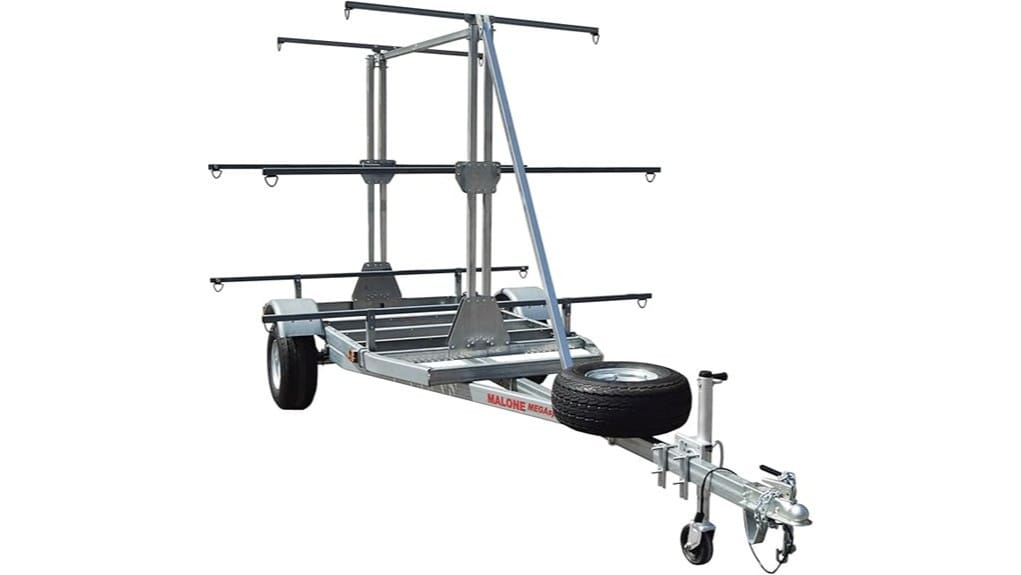
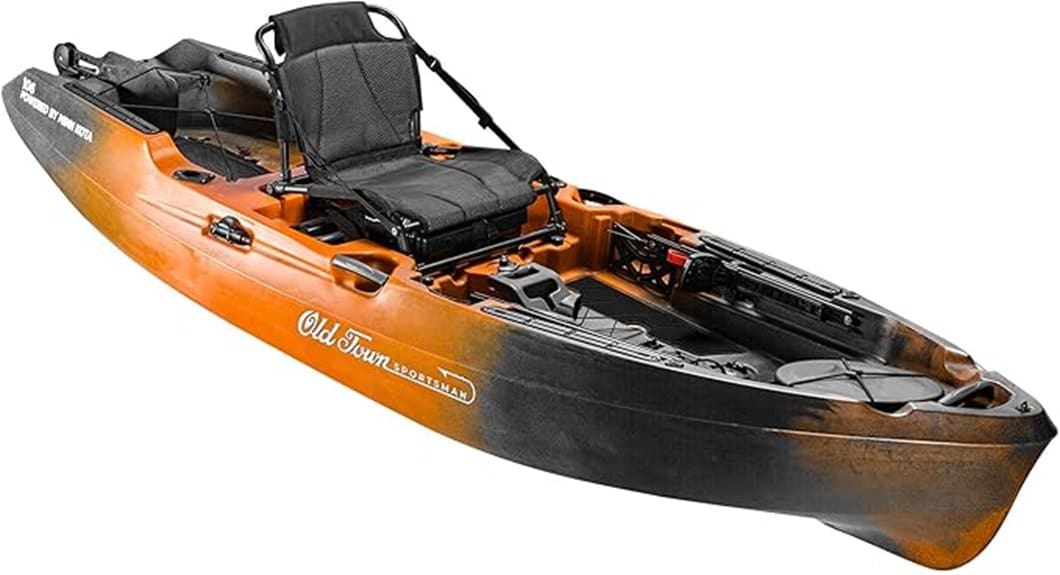
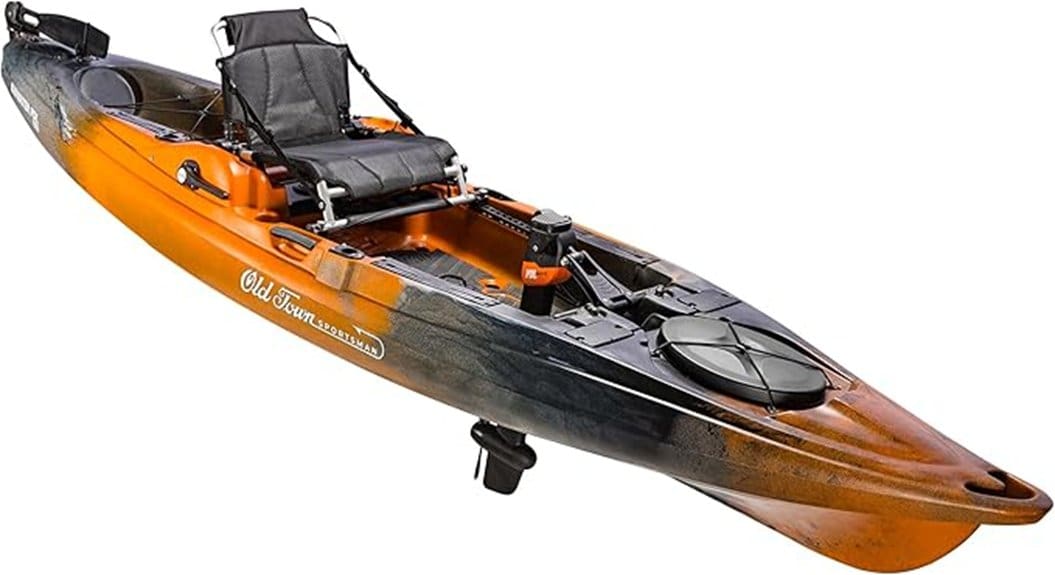
Think of the 12V 550W unit as a compact workhorse: it’s best suited for small craft where weight, hull type, and intended use keep required thrust modest. You can confidently power lightweight kayaks, inflatable boats, small fishing skiffs, and small pontoons under calm-to-moderate conditions. Target vessels 6–13 ft and loads well below the 1,322.7 lb carrying-capacity guideline to preserve maneuverability and battery range. Plan for reduced top speed and responsiveness as weight, wind, or current increase. For touring or solo fishing you’ll enjoy efficient propulsion; for heavy loads, downsize expectations or choose a higher-power motor to maintain control. Consider adding kayak portage carts to make transporting your craft and battery to and from the water much easier.
Installation and Control Tips for Optimal Performance
When you mount and set up the motor, follow precise positioning and secure fastening to guarantee efficient thrust transfer and safe operation. Position the transom-mounted unit so the propeller clears surface turbulence; use mount adjustment to trim height and tilt for neutral steering and minimal ventilation. Fasten with locknuts and corrosion-resistant hardware; check torque after initial runs. Configure throttle mapping to match your control handle and cruise control response, calibrating deadband and top-end. Test gears under load, verify smooth shifting across five forward and two reverse gears, and confirm retractable handle length suits your stance for sustained control. For kayak anglers, consider appropriate anchor choice and placement to maintain position when using the trolling motor.
Buying Checklist: What to Compare, Accessories, and When to Upgrade
After you've secured, trimmed, and calibrated the motor for smooth shifting and handle ergonomics, compare models and accessories against specific mission needs: match continuous wattage and prop specs to typical load and speed targets (note that 660W and the three-blade prop yield different top speeds depending on load and water), verify gear-range and cruise-control behavior under expected conditions, and confirm mount adjustability fits your transom geometry. Prioritize propeller types for thrust vs efficiency, battery maintenance requirements, and control ergonomics. Check spare props, mounting hardware, and a quality battery isolator. Upgrade when you exceed load, desire higher top speed, or need longer runtime. Also consider essential gear for Power Pole setups like durable mounting hardware and skegs for improved holding and maneuvering Power Pole basics.
Some Questions Answered
Can It Be Used as a Primary Propulsion for Overnight Trips?
You can, but cautiously: range limits and battery management make it marginal for overnight trips. You’ll get reasonable low-speed cruising and efficient thrust for small boats, but continuous use drains a 12V supply quickly. Plan conservative distances, carry spare battery capacity or a charging solution, monitor amp draw, and use cruise control to conserve power. For extended overnight range, supplement with additional batteries or an auxiliary power source.
Is the Motor Waterproof for Full Submersion?
No — it’s not rated for full submersion. You’ll find a waterproof rating only for splash and spray protection; the unit undergoes waterproof testing to resist saltwater exposure and splashes during normal use. You should avoid immersing the motor body or control head in water. For freedom on open water, plan installations that keep electrical components above the waterline and follow manufacturer sealing and maintenance procedures to preserve longevity and safety.
What Maintenance Schedule Keeps the Motor Warranty Valid?
You must follow the manufacturer’s maintenance schedule to keep the warranty valid: perform battery cycling monthly, clean and inspect seals and connectors, lubricate moving parts, and store dry. Conduct an annual inspection by a certified technician, document service and serial numbers, and use recommended parts and saltwater-grade corrosion control. Don’t modify the drive or submerge beyond design limits. Keep records to assert your rights if warranty issues arise.
Does It Interfere With Fish-Finding Electronics or GPS?
No, it generally won’t cause significant signal interference with fish-finding electronics or GPS if you mount and ground it correctly. You should route power cables separately, use ferrite cores or twisted pairs, and maintain proper grounding to guarantee minimize EMI. Monitor battery drainage during extended use to avoid voltage sags that can affect sensor accuracy. Keep sonar transducers clear of prop wash and test configurations to ensure reliable navigation and fish-finder readings.
Are Replacement Propellers or Spare Parts Readily Available?
Yes — propeller availability is generally good; you’ll find OEM and aftermarket props sold through dealers and online. Check spare compatibility by matching shaft size, pitch, blade count, and mounting pattern to your unit. Keep a spare prop and basic fittings onboard for freedom to continue fishing. Verify vendor return policies and part numbers before purchase to avoid fitment issues, and store replacements dry to prevent corrosion.