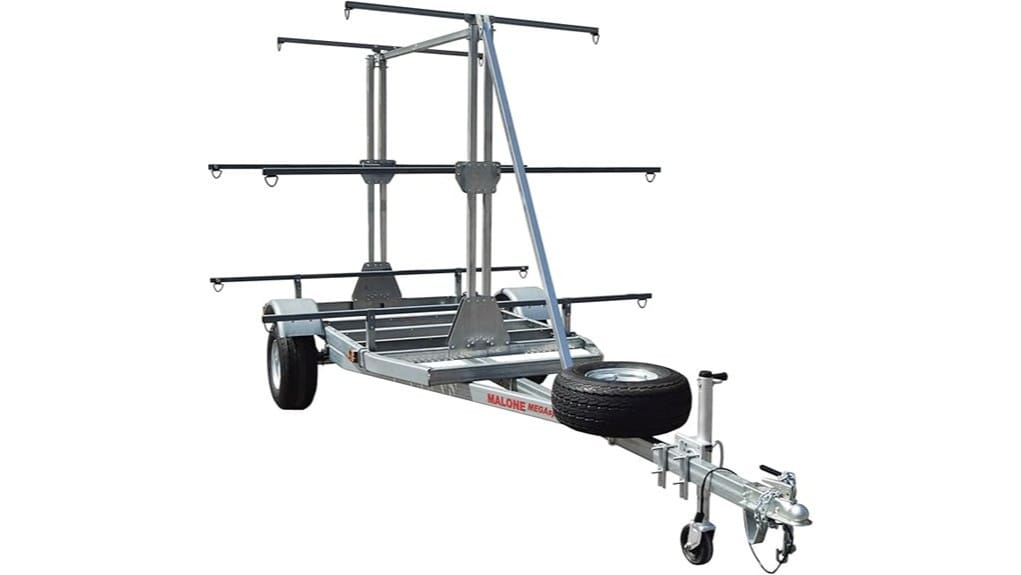
Start by clearing everything out so you can sort fast—keep seasonal items you use yearly, donate gently used gear, and toss broken tools or expired chemicals; seal small parts in labeled bins and measure the clear floor after leaving three feet for doors and walkways. Sketch zones for parking, a workbench, and overhead storage, mount slatwall or OmniTrack into studs for hooks, add ceiling racks or pulley hoists for kayaks, and seal gaps plus add desiccants for moisture—keep going and you’ll find practical next steps.
Some Key Takeaways
- Declutter first: remove everything, sort into keep, donate, or toss to reveal usable space.
- Zone the garage with a simple floor plan and 36-inch clear pathways for parking, work, and seasonal storage.
- Use wall systems (slatwall or OmniTrack) mounted to studs for hanging tools, bikes, and frequently used gear.
- Install ceiling racks or pulley hoists for lightweight seasonal totes, kayaks, and infrequent items, observing weight limits.
- Store heavy items low near walls or studs, use stackable labeled bins, and reserve overhead for lightweight, infrequent boxes.
Declutter First: What to Toss, Donate, and Keep
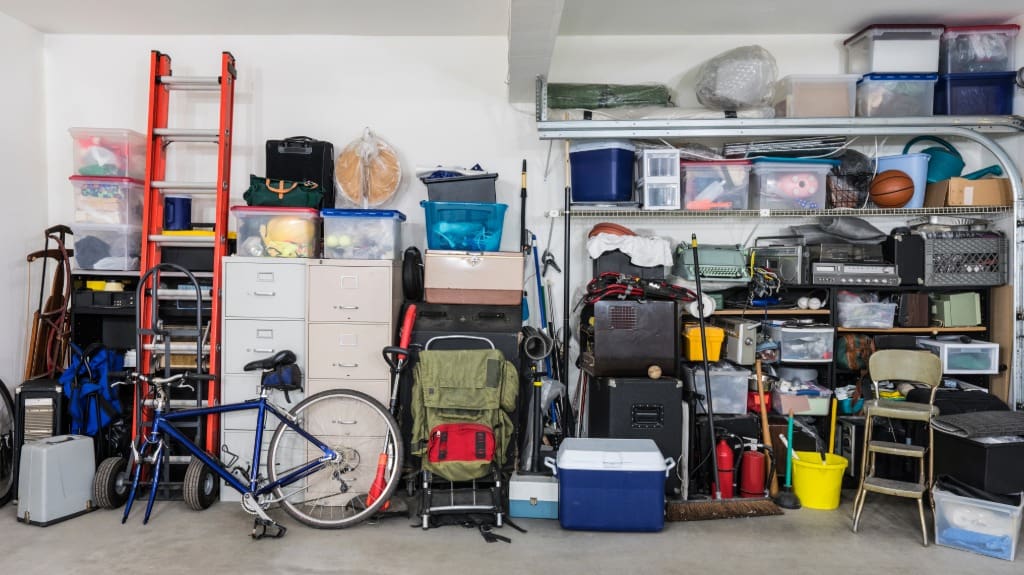
Start by clearing everything out and laying it on the driveway or lawn so you can see what you actually own and make quick calls: keep, donate, or toss. You’ll sort into piles, look for seasonal items you use each year, and spot gear that’s gone untouched for 12 months, then decide fast, because freedom’s about less stuff, not more. Toss broken, rusted tools and expired chemicals that’ll only get worse in cold, and donate gently used bikes, sporting goods, or tools that someone else could use, they often fetch value and clear space. Keep essentials that tolerate cold, seal small things in labeled storage bins or cabinets, avoid paper, electronics, propane, or unsealed clothes, and move on. Consider storing kayaks and paddles on a vertical rack to free floor space and protect gear.
Assess Your Garage Footprint and Parking Priorities
Before you mark up a floor plan, take a clear tape measure to the empty space and measure the usable footprint — length times width — after leaving a three-foot gap from walls and shelves so doors can swing and people can walk, because those buffer zones change how much room you really have; note where the garage door opens, where tracks and the opener hang down, and how much clearance you’ll need above a vehicle (aim for 6–8 inches above the roof), then compare those numbers to the minimum aisle widths you’ll need for your cars — a single car usually wants 10–12 feet across and 20–22 feet deep for comfortable in-and-out — so you can see whether you’ll park a daily driver up front, a classic on the side, or need overhead racks or a 4-post lift to stack a second vehicle without blocking the primary one. After measuring, sketch permanent zones, mark wall storage areas for frequent gear within easy reach, reserve overhead storage for seasonal bins, check vehicle clearance against door tracks, then set parking priorities so your daily freedom stays practical and your prized ride stays protected. Consider adding dedicated storage and handling solutions for watercraft, like all-terrain kayak carts, to keep kayaks accessible without sacrificing floor space.
Wall Storage Wins: Slatwall, OmniTrack, and Modular Hooks
Start by thinking about slatwall panels, the PVC or MDF boards with horizontal grooves that let you hang hooks, baskets, and shelves so you can lift tools and bins off the floor and build a finished, customizable wall you add to as needs change. If you have a small garage or need heavy-duty spots for bikes and lawn gear, consider OmniTrack metal rails instead, mounted where you need them and paired with rated hooks or steel hangers that will safely hold 50–265 pounds per point—always check the load ratings and anchor method before you buy. Put everyday items at waist and eye level in labeled bins or on peg-style hooks for quick reach, reserve higher shelves for seasonal stuff, and start with a few tracks or panels plus a set of modular hooks so you can expand without redoing the whole wall. Gear Up for Water Adventures sells wall-mount racks for kayaks and related accessories, so look for options that accommodate kayak storage when organizing your garage.
Slatwall Versatility Benefits
Think of slatwall and OmniTrack as your garage’s backbone, giving you a straight, sturdy place to hang tools, bikes, hoses, and storage bins so you can clear the floor and see what you’ve got at a glance; start by deciding whether you want full-panel coverage with PVC or MDF slatwall for a finished look and broad accessory choice, or a few metal OmniTrack rails screwed into studs or concrete for a slim, cut-to-fit solution that’s great in small garages. Choose slatwall panels if you want lots of accessory options and a tidy face, or OmniTrack metal rails if you need flexibility and sectioned runs, use heavy-duty wall-mounted hooks and bike storage brackets, plan for overhead racks and cabinets, and mount to studs or masonry for true load capacity. Consider also adding designated kayak storage solutions and transport covers if you store boats or outdoor gear in the garage.
Modular Hook Organization
If you liked how slatwall or OmniTrack gave you a tidy place to hang big stuff, now think about filling those grooves and rails with modular hooks that actually make daily life easier—start by taking a quick inventory of what you use most, hang frequently used tools where you can grab them without stepping around the car, and reserve higher rows for seasonal gear. You’ll pick slatwall panels or OmniTrack metal rail systems based on wall type and budget, then choose heavy-duty hooks for bikes and ladders, smaller hooks for hand tools, and stackable bins for bits and bulbs, mounting to rated studs and spreading weight evenly, so you clear floor space, keep pathways open, and enjoy a garage that works for you without drama. Consider pairing your wall system with durable fleece layers for easy warmth when you’re working on cold-weather watercraft or outdoor gear.
Ceiling Racks and Overhead Platforms for Bulky Totes
You’ll want to think about ceiling racks as a way to reclaim floor space while keeping bulky totes safe and out of the way, and the first things to check are weight ratings, mounting points, and clearance: look for heavy-duty models rated 200–600 pounds depending on size, pick a depth and position that won’t hit your car doors or the garage-door opener, and plan to put seldom-used holiday boxes up on the highest shelf where they won’t get in the way. Think overhead racks for bulky items, use labeled, stackable plastic totes, and respect each rack’s weight limit, mounting into ceiling joists or with certified anchors, not just drywall. Add a stepladder or a ceiling hoist to lift safely. Consider installing a ceiling hoist to make lifting bulky gear like kayaks and heavy totes much easier and safer.
Specialty Racks for Kayaks, Canoes, and Paddleboards
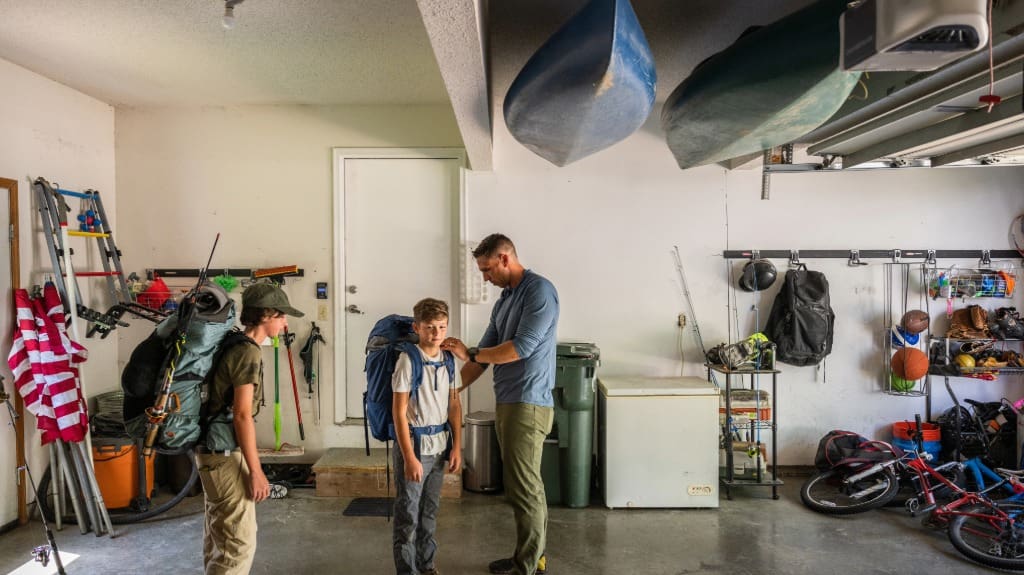
If you want to clear floor space and keep boats ready to go, consider wall-mounted cradle systems that support long hulls on studs or masonry, overhead pulley racks that lift heavier kayaks and SUPs up to 100–200+ lbs, or adjustable floor stands that hold boats upright for easy access. Start by checking weight ratings, corrosion-resistant materials like powder-coated or galvanized steel, and whether the mount needs stud or masonry anchors, and carry a stud finder, heavy-duty lag bolts, and padding to protect rails before you install. Think about where you park and how you launch—will a ceiling hoist give you daily parking room, or will a vertical mount save width—then pick the option that matches your garage layout and the gear you actually use. Consider choosing covers and storage accessories designed specifically for paddling gear to protect finishes and prolong use, especially those made for kayak care.
Wall-Mounted Cradle Systems
When you want to reclaim floor space and keep your kayak, canoe, or paddleboard safe, wall-mounted cradle systems are a great first move—these racks hold long, heavy boats horizontally or at an angle, free up room for bikes and workbenches, and cut down on hull wear when they’ve got padded contact points. You’ll mount cradles to garage walls, choose powder-coated steel or heavy PVC, and anchor into studs or masonry with lag bolts or concrete anchors, spacing supports 24–36 inches to avoid sag. Think weight limits, add a 25% safety margin, and use straps or locks for security; adjustable or swivel cradles make loading easy, stack or tilt to maximize storage without crowding access.
Overhead Pulley Racks
Hanging your kayak, canoe, or paddleboard up near the ceiling lets you reclaim a lot of floor and keeps your boat safe out of the way, so start by thinking like a rigger: pick pulleys, straps, and cleats rated well above your craft’s weight, mount the hardware into ceiling joists or strong engineered anchors spaced to match the boat’s length and balance point, and aim to store the hull 7–10 feet off the floor so cars and walkways stay clear. Overhead pulley racks let you lift 50–150+ lbs with little effort, so you’ll want corrosion-resistant hardware, hoist straps with 200–600 lb working load limits, and pulley anchors in solid framing, plus a locking cleat and low-friction blocks for safe, single-person kayak storage and quick access. Also consider keeping spare paddles and related gear nearby so you can outfit your craft quickly for your next trip and essential gear stays organized.
Adjustable Floor Stands
Think about adjustable floor stands as the practical way to keep your kayak, canoe, or paddleboard ready to go, since they let you store heavy boats upright or flat, move them easily, and protect gelcoat or board surfaces at the same time. You’ll want adjustable floor stands that support 150–600+ lbs, with padded, non-marking cradles or rubber-coated arms so your hulls stay ding-free, and height and width adjustments to fit 8–20+ foot craft, whether you store kayaks and paddleboards vertically to save floor space or flat for quick loading. Look for corrosion-resistant finishes like powder coat or marine aluminum, fold-flat storage for off-season, and lockable caster options to roll rigs where you need them, but always check weight ratings before stacking.
G-Bike and Multi-Bike Systems That Free Floor Space
If you want to clear floor space and keep bikes easy to grab, start by looking up—literally—at ceiling- and wall-mounted systems like the G-Bike ceiling rack, swivel multi-bike mounts, and pulley hoists, which let you stow anywhere from a single e-bike to eight bikes overhead so cars and workbenches stay usable. You’ll want systems that match your bike mix, so check G-Bike specs and multi-bike racks ratings for per-hook and total load, and plan attachment to joists or studs, because a secure install keeps everyone safe. Think about ceiling height and whether a bike hoist or adjustable platform fits frames and wheelbases without disassembly, carry a stud finder, heavy-duty screws, and eye protection, then mount, test, and enjoy the freed-up floor.
Smart Cabinetry and Lockable Tool Storage for Winter
When winter hits, you’ll want lockable cabinets anchored to studs and steel tool chests with keyed or combination locks to keep high-value tools and seasonal gear safe from theft and curious hands. Look for weather-resistant features—powder-coated metal, gasketed doors, or elevated mounting—to protect power tools and electronics from humidity and incidental water, and choose modular drawer units with labeled dividers so small parts are easy to find when you’re ready to work. Start by securing a wall-mounted cabinet and a tall locker for hazardous materials, keep a basic lock set or combination code you trust, and store volatile items like paints and propane accessories inside, out of kids’ reach and away from freeze/thaw cycles.
Secure Lockable Cabinets
Starting with a locked steel cabinet can save you a lot of headaches over the winter, so pick one that’s built to resist rust, hold heavy loads, and keep curious hands away from paints, batteries, and power tools; look for powder-coated finishes, magnetic door seals, and shelves rated for 200–300+ pounds so you can stack paint cans or a heavy drill without sagging, and choose keyed-alike or master-lock options if you want the same key for multiple units. You’ll want lockable steel garage cabinets that anchor to studs or concrete, floor-mounted lockable tool chests if theft deterrence matters, and tall units with adjustable shelves and vents to keep moisture and fumes down, and consider smart locks or LED interior lights if you like remote access and quick grabs.
Weatherproof Tool Storage
Don't let winter sneak moisture and cold into your gear; pick heavy-duty, weather-resistant cabinets—think powder-coated steel or marine-grade plywood—that stand up to dampness and temperature swings, and make sure they lock with reinforced doors or hasps so you can stash hazardous chemicals and pricey power tools securely. You’ll want lockable tool cabinets with reinforced steel doors or key/padlock hasps, raised on legs or a 2–4 in. platform and sealed at the back with caulk to keep moisture and mice out. Store cleaned, dried tools in labeled airtight bins or drawers inside, drain fuel and oils from gas tools, and mount wall-mounted slatwall above cabinets for day-to-day items while using overhead racks for bulky, rare-use gear. Start by measuring, then buy cabinets rated for damp garages.
Vertical Tire and Sporting Gear Racks for Seasonal Swaps
You can reclaim a lot of floor space by mounting vertical tire racks and sport‑gear systems, so start by checking where your studs or concrete are and what the hardware is rated for — aim for mounts that handle at least 4–6 tires per vertical rack or 50+ lb per slatwall hook, and 300–600 lb for any overhead platform if you’re storing kayaks or heavy bins. Mount vertical tire racks to studs or concrete with heavy hardware, then add slatwall panels and hooks to hang skis, snowboards, paddles, helmets, and other seasonal gear, use overhead bike racks or ceiling hooks for bikes, and keep small items in labeled stackable bins so you can swap winter and summer setups fast, protect gear from moisture, and keep the garage open for what matters next.
Clear Bins, Labels, and Utility Straps for Quick Access
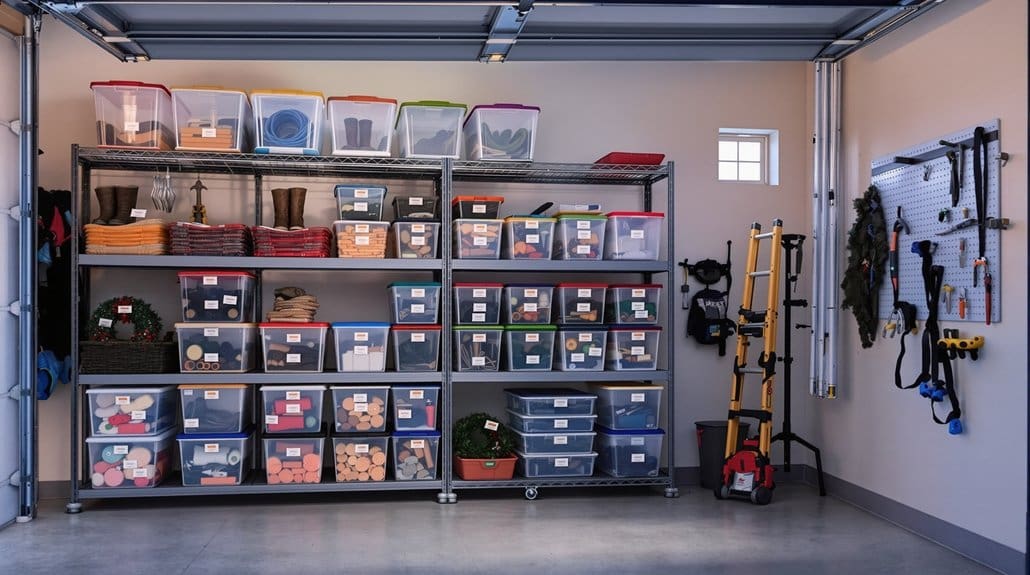
Anyone who’s wrestled a mystery bin knows why clear totes and good labels matter, so start by picking stackable, vented clear bins rated for cold storage so you can spot what’s inside and trust they won’t crack in a chilly garage; look for rigid lids that snap tight, then grab a few cam or utility straps (200–600 lb break strength) to cinch stacks for overhead storage or moving. You’ll use clear plastic bins for seasonal gear, label each on long and short sides with weather-resistant labels and a short inventory so retrieval is fast, color-code for instant categories, keep everyday items low for easy reach, and secure lids with utility straps before lifting, so your setup stays tidy, safe, and ready when freedom calls.
Moisture, Pest Protection, and Safe Mounting Practices
When moisture, pests, and heavy loads share your garage, take a few simple, practical steps first so your stuff stays dry, critter-free, and safely mounted: start by choosing sealed plastic bins or vacuum bags for clothes, linens, electronics, and paints, tuck a few silica-gel desiccant packs inside to keep humidity below about 50% and cut down on condensation, and set those containers at least a few inches off the floor on shelving, slatwall hooks, or an overhead rack so melting snow or a slow leak won’t soak them. Pick rodent-resistant containers, keep food and paper out of the space, seal gaps with caulk or weatherstripping, and when you mount racks use corrosion-resistant hardware, find studs or proper anchors, and spread loads across fasteners so nothing pulls out.
Small-Scale Heaters, Insulation, and Draft Sealing Tips
You’ve already made good calls on keeping things off the floor and sealed against pests, and now it’s time to make the space warm, dry, and safe to use, too — start by thinking about heat sources, insulation, and stopping drafts in that order. Pick a garage heater that's thermostat-controlled, rated for your circuit, and never leave it unattended, keep 2–3" clearance from stored items, and prefer models with tip-over protection. Insulating garage door panels with foil-faced foam or 2" polyiso pays off, and adding ceiling insulation up to R‑30 cuts runtimes. For draft sealing, fit automotive-grade foam weatherstripping around the door, caulk gaps over 1/8" with closed-cell silicone or polyurethane, and check utility penetrations regularly.
Plan a Layout: Zoning, Weight Limits, and When to Call a Pro
If you want the garage to work for you, start by sketching a simple floor plan and zoning the space into parking, a workbench, garden or yard gear, sports and seasonal storage, and overhead areas, then mark clear pathways at least 36 inches wide so you can move around safely and drive in without bumping stored items. Think in garage zones, label them, place heavy tool cabinets, tires, and bulk bins low and near studs or concrete walls, reserve overhead storage for lightweight, infrequent totes, and use stackable bins and slatwall hooks to keep daily items within arm’s reach. Check weight limits for racks and panels, and if you plan big ceiling racks, car lifts, or heavy cabinets, call a pro to confirm joists, anchors, and code.
Some Questions Answered
How Do I Store Propane Tanks Safely in the Garage During Winter?
You store propane tanks safely by keeping them outside the living space, but if they must sit in your garage, make certain propane ventilation, position cylinders upright on a level surface, and give valve protection with a cap or shield so it can't snag, then use a basic leak detection spray and a temp monitoring device to watch extremes, keep them away from heat and maintain a fire separation from combustibles, and carry a wrench and flashlight for quick checks.
Can I Use Garage Storage Solutions in a Rented Unit Without Permanent Modifications?
Yes, you can, if you pick nonpermanent gear like temporary shelving, freestanding cabinets, mobile toolboxes, overdoor organizers, and stackable bins, and check your lease first; choose sturdy pieces that won’t damage walls, measure doorways and floor space so items fit, carry basic tools and pads to protect surfaces, anchor tall units with removable straps, and keep hazardous items ventilated and accessible, so you stay flexible and leave no trace when you move.
What Are the Best Low-Cost DIY Ceiling Rack Alternatives?
You can use PVC shelving, overhead hooks, magnetic strips, pegboard panels, or a fold down platform as low-cost ceiling rack alternatives, and you’ll start by measuring joist spacing, carrying a stud finder and heavy-duty anchors, then picking weather-resistant PVC or powder-coated hooks so things don’t sag. Mount pegboard panels for tools, stick magnetic strips for small metal bits, install overhead hooks for bikes, and add a fold down platform where you need seasonal bulk.
How Do I Prevent Condensation Inside Plastic Totes With Electronics?
You prevent condensation by keeping humidity low and temperatures steady, so use airtight seals on totes when you can, or vented totes when gear needs airflow, and stash silica gel or desiccant packs inside to absorb moisture, swapping them when saturated; avoid temperature cycling by storing in a spot with steady temps, carry a small hygrometer to check humidity, and if things get damp, dry components first, replace packs, and reseal.
Are There Warranty or Insurance Issues When Installing Heavy-Duty Racks?
Yes, you can run into warranty coverage and insurance exclusions if racks exceed load limits or are improperly mounted, so check the manufacturer defects policy and specs first, photograph everything, and save receipts, because installation liability often shifts to you if you alter anchors or ignore guidelines. Call your insurer to confirm coverage for heavy gear, get a pro install if unsure, and keep written proof of parts, weights, and who bolted what.