If you fall into cold water you'll get a near‑instant gasp, frantic rapid breathing, and a big spike in heart rate that can make you lose breath control or even trigger a dangerous heart rhythm, so your first move is to keep your airway clear, stay still, force slow, steady exhales, float on your back or clip on a PFD, and only swim once breathing is calm; wear a life jacket, layered clothes or a drysuit, carry a whistle or beacon, and there’s more practical how‑to next.
Some Key Points
- Cold water shock is an immediate reflex response in the first 60 seconds, driven by sudden skin cooling.
- An involuntary gasp and rapid hyperventilation occur within seconds, risking water inhalation if the face is submerged.
- Heart rate and blood pressure spike while conflicting vagal signals can trigger dangerous arrhythmias.
- Hyperventilation greatly reduces breath‑hold time and impairs coordination, often causing failure within metres.
- First‑minute survival: stay still, get a PFD or float on your back, and control breathing with slow, steady exhales.
What Exactly Is Cold Water Shock and When Does It Start?
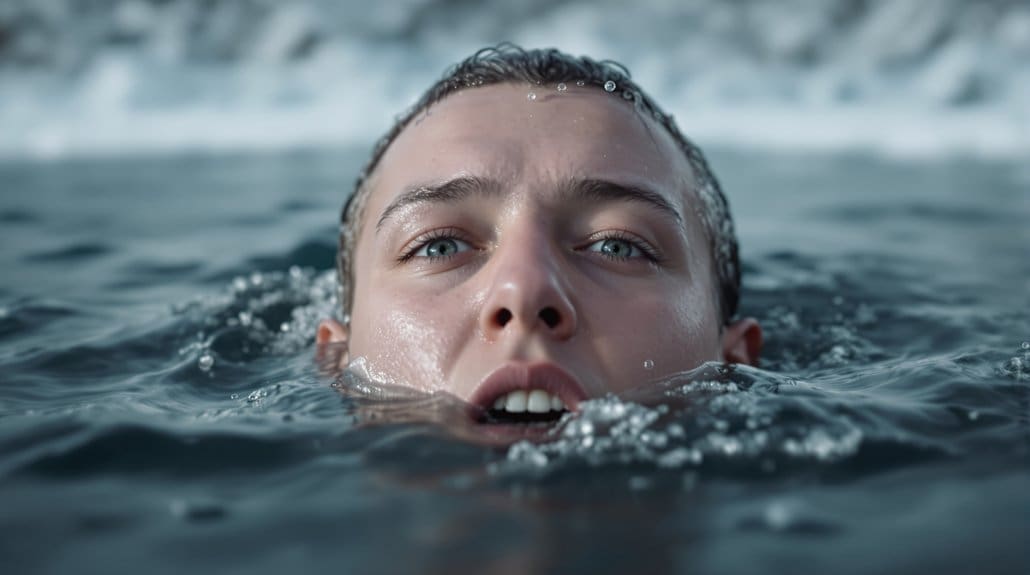
When you hit cold water, your body doesn't politely ask for time to adjust — it reacts instantly, usually within seconds, and that burst of reactions is what we call cold water shock. You’ll feel initial cold shock as skin cooling triggers an involuntary gasp, a flood of breathing that often turns into rapid hyperventilation, so don’t fight it, control it. Your heart and blood vessels clamp down, pressure spikes, and coordination can vanish, so keep a secured PFD on, stay still, and focus on slow breaths until you calm. Look for big, fast inhales, dizziness, or lost stroke timing; carry a whistle, knife, and warm layers in a dry bag, and practice deliberate breathing on shore so you know what to do when the water proves you wrong.
The Three Immediate Physiological Reactions in the First 60 Seconds
When you hit cold water you’ve got to watch for three things right away: a sudden, involuntary gasp and rapid breaths that can flood your lungs if you’re underwater, a hard surge in heart rate and blood pressure from your blood vessels tightening, and a quick loss of breath-control that makes holding your breath much harder and thinking clearly tougher. Stay calm, clamp your mouth closed if you can, float on your back to keep your airway clear, and focus on slow, shallow breaths until your breathing steadies; if you’re with others, shout for help and point to your chest so they know you might be having a cardiac problem. Pack a whistle and a floatation aid on cold-water outings, wear a well-fitting immersion suit or layers that trap air around your torso, and practice getting onto your back and calming your breathing in shallow, supervised water so you’ll know what to do when those first terrifying seconds hit. Carry essential hypothermia gear and a personal flotation device to improve survival chances and reduce cold-water risks, including an immersion suit.
Gasp And Hyperventilation
Cold water can knock the wind out of you in a flash, so expect a huge, involuntary gasp in the first few seconds that can fill your lungs and, if your face is under, pull you under right away. You'll follow that with rapid hyperventilation, breaths racing from normal to frantic, which cuts your ability to hold breath and can make you dizzy, numb, or disoriented, so don’t assume skill alone saves you. That wild breathing wrecks stroke‑breath timing, causing swim failure even for strong swimmers over a few metres, so plan for restraint: wear a PFD, grab something solid, and focus on slow, measured exhalations as soon as you can, calm your head, and get control. Always carry and know how to use essential safety gear like rescue slings and proper personal flotation when paddling or swimming in cold water.
Cardiovascular Surge Response
Brace yourself: in the first 30–60 seconds after full-body immersion at about 15°C or colder, your body launches a cardiovascular surge that hits hard and fast, and you need to know how to spot and handle it. You’ll get a big jump in blood pressure as skin vessels clamp down, your heart rate spikes, and that mix of fight-or-flight and vagal bursts — called autonomic conflict — can jitter your rhythm, even in fit people. Watch for pounding chest, lightheadedness, or sudden weakness, carry a flotation aid and a partner, and get your head above water fast if you feel odd, because you can’t will this away. If you have heart risks, seek medical advice before trying cold water immersion. Consider bringing practical gear like a space blanket for rapid warmth and insulation after exiting the water.
Loss Of Breath Control
You’ve just felt your heart and blood pressure spike; now pay attention to your breathing, because the very next problem hits almost immediately and can knock you out of control. In the first second you’ll often gasp, that involuntary big breath can fill your lungs, and if your face is under water it can mean instant drowning, so don’t rush to swim. That gasp is followed by intense hyperventilation, your rate jumping from about ten to as many as sixty breaths a minute, which cuts your breath-hold from around forty-five seconds to under ten, and brings dizziness, numbness and poor coordination. You can’t reliably will this away, so wear a secured PFD, focus on slow, forced exhales, control your breathing before moving.
Why the Gasp Reflex Is the Single Biggest Drowning Risk
Often the very first thing that happens when you hit cold water is an automatic, massive gasp that you can't talk yourself out of, and if your face is even briefly below the surface that single reflex can fill your lungs with water and end things right away. You need to know that gasp is the core danger, it's involuntary and comes before you can think, then hyperventilation follows, cutting your breath-hold from nearly a minute to seconds, sometimes fractions, so you might not get a second to react. Wear a secured PFD, keep your hands to your chest if you go in, and flip onto your back if you can't swim, breathe slowly once your head's clear, and get to shore or signal for help fast, because freedom depends on that first calm minute. Proper cold-water gear, including insulated drysuits and immersion suits, greatly reduces risk by helping maintain body heat and buoyancy cold water immersion suits.
How Hyperventilation and Loss of Breath Control Undermine Swimming
When you hit cold water you’ll probably gasp hard and then start breathing fast and shallow, and that single involuntary gulp can fill your lungs and drown you if your face is underwater. That rapid hyperventilation can shoot your breathing rate up many times, slash your breath‑hold from tens of seconds to just a few, and give you dizziness, numbness and poor coordination so you can’t time strokes and breaths—so don’t try to swim away until you’ve got control. First, float or hold onto something buoyant, focus on slow, steady exhales to regain breath control, and only start stroking once your breathing and balance feel normal. Consider carrying a storm whistle and other safety gear to help signal for help if you can’t recover quickly.
Gasp Reflex And Risk
You’ll notice your first breath in cold water can be shockingly big and fast, a reflex that can fill your lungs in a second and, if your face is underwater, literally pull water in — that sudden gasp is the start of trouble. You’ll then often move into rapid hyperventilation, your rate rocketing and your breath-hold collapsing from a comfortable 45 seconds to under ten, sometimes almost zero, and that loss of control can make swimming chaotic, dizzying, and dangerous. Stay shallow, exhale slowly as you enter, force steady deep breaths until the first minute eases, focus on timing stroke with each calm inhale, and don’t push distance until you feel steady. For added safety on water adventures, consider carrying a personal locator beacon to call for help quickly if you get into trouble personal locator beacon.
Hyperventilation Effects On Swimming
Feeling your breathing go haywire in the first minute is normal, but it doesn’t have to cost you the swim; that massive involuntary gasp and the sudden rush into rapid, shallow breathing can chop your breath-hold from nearly a minute to just a few seconds, make your head spin, and wreck the timing you need to keep stroking, so your first job is to protect your airway and calm your breath before thinking about distance. When hyperventilation kicks in, your rate can jump, you’ll feel dizzy and lose fine coordination, and that’s what turns competent strokes into swim failure within a few feet, so keep your face out of the water, secure a PFD, slow deliberate exhalations, and reset rhythm before moving.
Breath-Hold Capacity Loss
You’ve already learned how that initial gasp and frantic breathing can wreck your rhythm, and now you need to see what that does to how long you can hold your breath and keep moving. Cold shock slashes breath-hold capacity — studies show average time-to-breath can fall from about 45 seconds in air to under 10 seconds in 5°C water, some down to fractions of a second — because the involuntary gasp fills your lungs and hyperventilation follows, making controlled strokes almost impossible. Low CO2 from rapid breathing brings dizziness, numbness and cramps, so you may fail within a few metres. First actions: wear a secured PFD, keep your face out of the water until breathing steadies, focus on slow, shallow breaths, and signal for help if needed. Proper high-float gear like a reliable life jacket improves chances of staying afloat and conserving energy during this critical period high-float life jackets.
Cardiac and Blood-Pressure Dangers That Can Occur Instantly
Even if you feel fine on the surface, sudden cold-water immersion can slam your body with a massive stress response in seconds, so know what to watch for and what to do first: your heartbeat and blood pressure can spike because your nervous system floods with adrenaline and your blood vessels clamp down, and at the same time a vagal reflex from cold on your face can try to slow your heart, creating a dangerous tug-of-war that can trigger a fatal arrhythmia or sudden collapse. In that cold shock moment, you can get autonomic conflict, huge blood-pressure jumps, and a heart pushed beyond its safe rhythm, even if you’re fit. Watch for racing pulse, chest pain, faintness, or sudden breathlessness, carry a PFD and meds if prescribed, avoid sudden immersion, and get help fast if symptoms start. Consider carrying an emergency beacon like an EPIRB or PLB to summon help quickly if you’re in remote water.
Practical First-60-Seconds Survival Steps to Control Breathing and Stay Afloat
When you hit cold water, fight the instinct to thrash and grab for air; take a big, deliberate breath, keep your chin up, and force a slow, steady exhale through your nose or pursed lips so you calm the panic-driven gasp that will try to turn into full-blown hyperventilation, which can push your breathing from a normal 10 or so breaths a minute to 40–60 and leave you gasping or dizzy. You’ll get an involuntary gasp, so clear your airway and trust your PFD to keep you afloat while you control breathing, slow inhales, and count seconds; stay upright, hold the boat or board if you can, keep clothing on for buoyancy, and keep still until the cold shock eases, then plan your next move.
Personal Preparation That Reduces Cold-Shock Severity (Clothing, PFDs, Acclimatisation)
You did a good job getting your breathing under control in those first frantic seconds, now let’s look at what you can do before you ever hit cold water to make that first minute less dangerous. Wear a properly fitted, secured PFD every time you’re near open water, it keeps your airway afloat during that involuntary gasp and buys you time to breathe. Keep layered clothing on if you fall in, don’t strip down—wet layers trap a warm film and slow heat loss, extending useful survival minutes. Practice gradual acclimatisation with short cold showers, building to a few minutes over a week or two, it can cut the gasp response by up to half. Enter shallow first, control breath, then go deeper.
Quick Checklist for Rescuers and Bystanders in the First Minute
If someone suddenly goes into cold water, stay calm and act fast, because the first minute is the most dangerous — grab them and keep their face up or flip them over right away if you can, or push a buoyant object under them to hold their airway clear, since that involuntary gasp and rapid breathing can pull water into the lungs in seconds. You’ll want to secure a stable float, hold a PFD under their shoulders, coach slow exhalations if they’re conscious, and avoid forcing strokes while they’re gasping and disoriented, because immersion and cold shock scramble control fast. Watch for chest pain or collapse, call emergency services promptly, and keep them supported and warm once breathing steadies, freedom to move comes later.
Some Questions Answered
Can Medications or Health Conditions Make Cold Shock Worse?
Yes, medications and health conditions can make cold shock worse, especially cardiac medications and thyroid disorders, because beta blocker effects can blunt your heart rate response, while thyroid problems can change metabolism and warmth, so you’ll feel colder and may struggle to recover; carry an ID listing meds, wear a wetsuit or drysuit, avoid sudden immersion, keep flotation handy, tell a buddy about risks, and get medical advice tailored to your meds.
How Long Does Cold-Water Habituation Protection Last?
Habituation protection usually lasts weeks to months, but your habituation duration depends on how often you practice, your body, and conditions, with a decay rate that varies person to person. Expect noticeable fading after a few weeks without exposure, so plan refresher frequency at least weekly or biweekly to keep gains. Look for faster breathing, calmer face, and steady heart rate, carry a wetsuit or warm layers, and reintroduce cold dips gradually.
Is Cold Shock Different in Freshwater Versus Seawater?
Yes, it’s different: salt concentration, buoyancy differences, and thermal conductivity change how cold shock feels, so you’ll float more in seawater, sink slightly more in freshwater, and lose heat at different rates. Watch breathing, carry a floatation aid and a dry top, and get your face wet first to habituate; tilt back to breathe, keep a calm rhythm, and swim parallel to shore if needed, that’ll buy time.
Can Wearing a Wetsuit Prevent the Gasp Reflex Entirely?
No, a wetsuit won't prevent the gasp reflex entirely, because wetsuit limitations like seal integrity and thermal gradient mean cold water can still chill exposed areas and trigger that instinct, so you should check seams and fit, carry a hood and gloves, practice controlled breathing before entry, enter slowly when possible, and have a buddy who knows rescue basics, because preparation and layers reduce risk, they don't eliminate the reflex completely.
Should I Attempt Rescue Swimming in Cold Water Without a PFD?
No, you shouldn’t attempt rescue swimming in cold water without a PFD, it’s too risky: rescue risks spike fast, your distance limits shrink with cold shock and fatigue, and you could become the victim. Stay shore-side when you can, use a throw bag or pole, call for help, and keep partner communication clear—assign roles, timeouts, and who’s watching. If you must enter, tether yourself, wear a PFD, and go prepared.