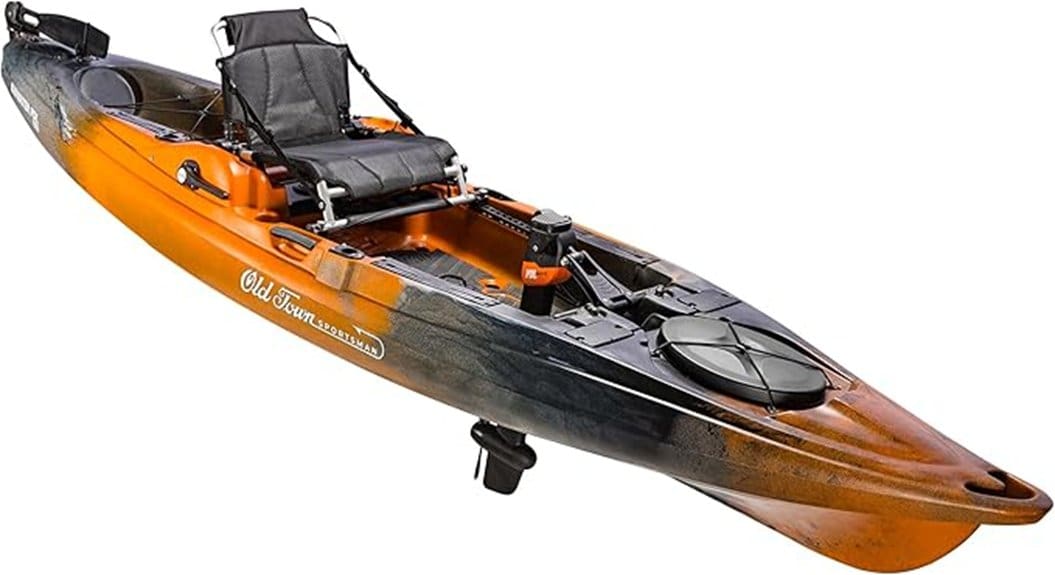
You’ll like the Tsunami if you want a stable, long touring kayak that carries heavy gear for day trips or overnights, and it’s forgiving when you shift weight or lean; check the comfy adjustable seat and Keepers XL footrests so your knees sit near 100–120°, set thigh braces snug, and practice gentle edging with the rudder in chop to steer and trim. Stow heavy items low and central, test hatch seals, pack spare plugs, and keep going to learn setup tips and alternatives.
Some Key Points
- Stable, comfortable touring kayak with a padded adjustable seat and strong tracking for long days on lakes, bays, and protected coastal waters.
- 17'6" length and efficient hull deliver good glide and speed once settled into a paddling rhythm.
- 400 lb capacity, molded bulkheads, and three hatches provide balanced, dry storage for multi-day trips.
- Polyethylene construction offers durability against bumps and abrasion, though adds weight compared with composite boats.
- Rudder-equipped handling with gentle edging recommended; adjustable footrests and snug thigh braces improve control and efficiency.
Quick Verdict: Who the Wilderness Systems Tsunami Is Best For
If you’re planning longer days on lakes, bays, or protected coastal waters and want a stable, comfortable boat that’ll carry camping gear without feeling sluggish, the Wilderness Systems Tsunami is a solid pick, especially for mid-to-large paddlers who need room and support; its 17'6" length and 400 lb capacity mean you can bring a week’s worth of kit, plus water and a cooler, and the molded bulkheads and three hatches keep things dry and balanced. You’ll find ideal users are solo paddlers heading multi-day trips, so pack smart, secure gear in hatches, check fit, and practice loading. The boat pairs well with other paddling accessories from Wilderness Systems for a complete on-water setup, especially when outfitting for extended trips with kayaks and other products.
On-Water Performance: Tracking, Speed, Stability, and Maneuvering
When you shove off, the Tsunami shows you right away what it’s built for: long, straight paddling with a stable platform that won’t fuss when you load it up, so watch how it tracks, how quickly it gathers speed, and how it reacts when you try to turn. You’ll feel steady tracking downwind, good glide efficiency when you settle into a rhythm, and reassuring stability if you shift gear or lean, but test its wave handling in chop before committing to rougher water. Paddle steady strokes, trim gear low, use gentle edging to initiate turns, and trust its touring roots. Wilderness Systems designs their kayaks for paddlers who enjoy extended outings and dependable performance on open water, making them a strong choice for sea kayaking.
Comfort, Fit, and Controls: Seat, Footrests, Thigh Braces, and Rudder Use
Because you’ll be spending hours in the Tsunami, start by dialing in the seat and footrests so your body feels supported and efficient, not mushy or cramped; the padded, easily adjustable seat is widely regarded as the most comfortable in its class, so loosen the straps, sit in the cockpit, slide the Keepers XL footrests to where you can bend your knees about 100–120 degrees, and tighten the backrest and seat cushions until your hips feel snug but not pinched. Use the adjustable lumbar support to fine-tune lower-back pressure, set thigh braces snugly for control, and practice rudder tweaks while paddling straight. This setup approach suits paddlers who enjoy extended outings and gear tailored to old town kayak adventures.
Storage, Construction, and Durability: Hatches, Bulkheads, and Materials
Start by giving the hull a close look and a good once-over, since the Tsunami’s polyethylene shell and sealed bulkheads are what’ll keep you afloat and your gear dry on longer trips. Check hatch placement front to rear, make sure lids sit flush, seals look intact, and you can reach them while paddling; practice opening one with wet hands. Feel the polyethylene resilience, squeeze edges, note thickness, and imagine bumps on rocks — that toughness buys freedom to explore. Stow heavier gear low and central, secure valuables in forward hatch, and carry spare duct tape and a spare hatch plug for quick field fixes. Wilderness Systems designs kayaks for water adventures and paddlers who value reliable construction.
Should You Buy It? Price, Alternatives, and Final Pros/Cons
You’ve already checked the hull and hatches, so now ask whether the Tsunami fits your goals and wallet: think about how often you’ll paddle, whether you need room for overnight gear, and if the boat’s 400-pound capacity and roomy cockpit match your size and typical load, because that tells you if this kayak will be a long-term partner or a short-term experiment. Price comparison matters, so weigh its mid-range cost against alternative brands like Wilderness Systems’ own siblings, Perception, or Necky models, check pros cons like comfort versus weight, and decide if the long term value, durability, and included rudder earn your buy. Consider also whether you prefer kayaks from brands known for advanced design and expedition-ready features.
Some Questions Answered
Does It Come With a Paddle or Accessories Included?
No, it doesn’t include a paddle or extra accessories, you’ll get just the kayak. You’ll want to sort kayak care and paddle choice right away, pick a durable, lightweight paddle sized to your height and stroke, carry a leash, PFD, spare pump and basic repair kit, and learn simple hull care to prevent sun and abrasion damage. That way you stay safe, free to explore longer trips, and keep the boat performing well.
Can the Hull Be Repaired if Punctured?
Yes, you can repair a punctured hull, and you'll want to act fast: clean and dry the area, sand out rough edges, then use a gelcoat patching kit for the outer finish and a proper structural bonding epoxy or polyurethane inside for strength, clamping as it cures, to restore integrity. Carry a compact repair kit, learn a basic patch technique, and test repairs gently on calm water before trusting long trips, okay?
Is Assembly or Rigging Required Out of the Box?
No, minimal assembly required — you’ll mostly unpack and do basic setup steps. Check that the rudder hardware, footrests, seat and hatch covers are secure, tighten any knobs, and adjust the seat and Keepers XL footrests to fit you, then test the rudder control. Carry simple tools, a spare cleat or screw kit, and follow the manual for torque notes; once adjusted, you’re ready to load gear and paddle out.
What Warranty Process Is Needed for Accessory Replacement?
You start by locating your warranty paperwork, then contact Wilderness Systems or the dealer with serial and purchase proof, explain the accessory issue, and request a replacement while asking for a replacement timeline so you can plan trips; keep photos, dates, and packing in case they ask for return shipping, and follow their RMA instructions, tracking the shipment, so you’ll get a clear resolution without surprises, okay?
Are There Size Recommendations for Car Rooftop Carriers?
Yes — you should match your roof rack to the kayak size and your vehicle, check roof rack weight limits, and measure crossbar spacing to fit the hull securely. Start by confirming vehicle fitments and the rack’s capacity, carry bow/stern straps and a pad or J-cradle, and keep total load under limits, because overload or wrong spacing can crush gelcoat or shift gear. Want tips for your specific car?