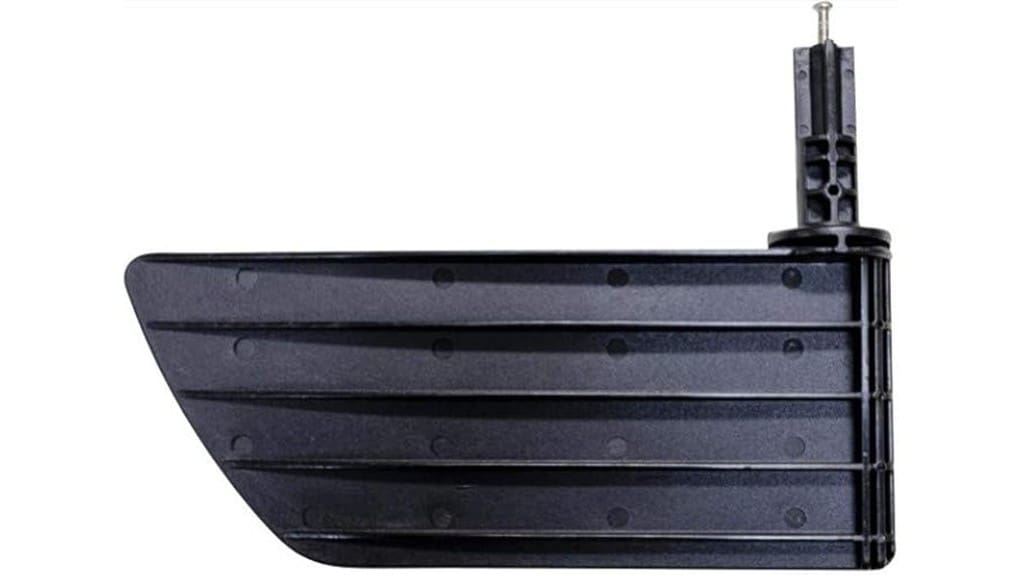

The BKC replacement rudder will likely fit your PK11, PK13, or PK14 and restore predictable steering, but you should inspect the mounting tabs and hole spacing right away, bring basic tools, spare pins, and marine grease for quick tweaks, and test it in calm water before you push into chop; expect an OEM-style fit with occasional minor alignment or finish issues, grease pivots, check cable routing, and if you want, keep reading for full install tips and caveats.
Some Key Points
- OEM-style replacement designed to match PK11, PK13, and PK14 mounting points and steering setup for straightforward swap.
- Generally restores predictable steering; suitable for everyday use after proper installation and calm-water testing.
- Inspect mounting tabs, hole spacing, and blade for burrs or misalignment before final installation.
- Use basic tools, marine grease, and spare fasteners; test steering and adjust cable tension on calm water.
- Pros: light weight and snug fit; cons: mixed build-quality reports and limited spare-parts availability.
Is the BKC Replacement Rudder Compatible With PK11, PK13, and PK14?
If you own a Brooklyn Kayak Company pedal model and you’re wondering if this rudder will fit, the short answer is yes—the BKC Replacement Rudder is made specifically for the PK11, PK13, and PK14—so you can expect it to match the mounting points and steering setup those boats use. You’ll get clear compatibility confirmation, but still check for subtle mounting differences like bolt length or bracket wear, bring basic tools and spare fasteners, test steering performance on calm water first to dial it in, and note warranty coverage details in case hardware or fitment needs follow-up—practical, simple steps to keep you free on the water. Check Brooklyn Kayak Co. for related kayak gear and accessories that complement your setup.
Quick Verdict: Should You Buy This BKC Rudder?
You’ve already got the compatibility check out of the way, so here’s the bottom line: pick up the BKC Replacement Rudder if you want a straightforward, OEM-style swap that’ll restore steering on PK11, PK13, or PK14 pedal kayaks without fuss, but bring a few spares and a calm-water test run before you head into rough stuff. You’ll get decent steering with basic hardware, and performance testing plus user testimonials mostly praise fit and function, so trust it for everyday freedom on the water, just inspect fasteners, carry spare pins, test responsiveness in calm conditions, then push farther when you’re confident. This part is ideal for owners focused on pedal drive kayaks and related accessories.
What to Expect From Fit, Materials, and Build Quality
Because the BKC rudder is meant as an OEM-style replacement, expect a straightforward fit on PK11, PK13, and PK14 hulls, but don’t assume perfect alignment out of the box—check the mounting tabs and hole spacing as soon as you unpack it, make sure the blade swings freely in the stock housing, and look for any burrs or molded flash that might snag the control cable. You’ll want to run quick durability testing in calm water, note the surface finish for scuff resistance, and judge manufacturing tolerances by assembly fit and cable routing, bring basic hand tools, patience, and a spare cotter pin. Pedal kayaks are designed for hands-free propulsion, so consider how the rudder interacts with the pedal drive system during installation and use.
How to Install the Rudder on PK11/PK13/PK14 (Tools and Step-by-Step)
Before you start, take a moment to gather the few tools and supplies you’ll need—like a Phillips screwdriver, a small wrench or adjustable spanner for the mounting nuts, a pair of pliers for cotter pins, some marine grease, and a clean towel—because having them at hand makes the job faster and less fussy, and it helps you avoid stopping halfway through to hunt for a tool. Mount the rudder bracket to the transom, check drill alignment for clean holes, thread bolts, tighten nuts snugly, grease pivots, attach the rudder blade, then set cable routing along the stern tube, test steering and adjust tension. Sea Eagle owners often choose accessories designed for pedal kayaks to ensure compatibility and durability.
Pros, Cons, Price Tips, and Alternatives to Consider
When you're weighing the BKC replacement rudder, think about what matters most to you on the water—durability, fit, and how it affects handling—because this rudder typically gives a snug, OEM-style fit on PK11/PK13/PK14 models, feels solid in its bracket, and restores predictable steering without a lot of extra fuss. Pros include straightforward fit, light weight, and restored control, and cons might be mixed build-quality notes in user testimonials and limited spare parts availability, so do a cost comparison with OEM or aftermarket options, check reviews, carry basic tools, and pick the option that keeps you paddling free. Many paddlers who buy kayaks and gear from retailers like Reel Yaks find that having trusted kayak accessories on hand makes trips smoother and maintenance easier.
Some Questions Answered
Does This Rudder Fit Other BKC Kayak Models or Brands?
Not usually; you’ll need to check fit compatibility before assuming it mounts elsewhere, because it’s made for specific mounting points on those PK models. Measure your stern mounting plate, bolt spacing, and control cable attachment, and look for compatible mounting adapters if fittings differ, or carry adapter hardware and basic tools to modify brackets, bolts, or linkages. If unsure, email manufacturer photos and measurements for clear guidance before buying or modifying.
Can I Use the Rudder in Saltwater Without Extra Maintenance?
You can, but you shouldn’t skip corrosion prevention, so plan on extra care after each outing; rinse the rudder with freshwater right away, check bolts and fittings for salt buildup, and carry a spare bolt and marine-grade lubricant for metal parts. Inspect for pitting or crevice corrosion before and after trips, tighten hardware as needed, and store dry, shaded, and ventilated, and you’ll keep freedom on the water without nasty surprises.
Are Replacement Parts or Spares Available for the Rudder Assembly?
Yes — spare availability is common, and you can order replacement parts for the rudder assembly from the maker or dealers, but check part numbers and stock first. You'll want an installation guide, so download the manual or watch a how-to video, carry basic tools, spare pins and fasteners, and test movement before launch, so you won't get stranded; still unsure? Contact support with your part number for exact fit and shipping.
What Warranty or Return Policy Covers This Rudder Purchase?
You typically get a limited warranty, often covering defects for a short warranty duration, and a retailer return window that’s usually 30 days, but you’ll want to confirm before buying. Check the product page or invoice for exact warranty duration, registration steps, and exclusions, then keep packing slips and photos, test the rudder right away, and contact the seller within the return window if anything’s wrong, so you can swap or refund.
Will This Rudder Affect Kayak Speed or Tracking Performance?
Yes — you’ll notice a small drag increase, but you’ll usually get a tracking improvement that makes straight-line pedaling easier, especially in wind or current. Check for smooth hinge movement, tight hardware, and proper alignment on first install, carry basic tools and spare pins, and test in calm water to trim the rudder before pushing speed. Want to tweak? Loosen, shift a touch, then retighten and re-test.